
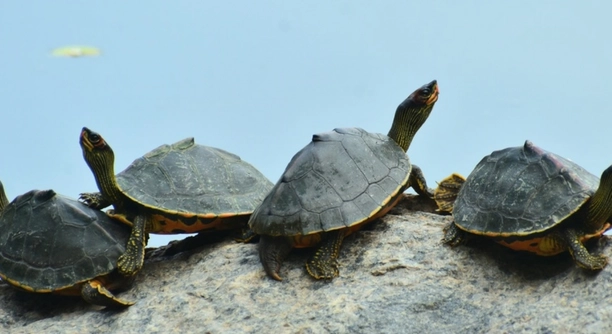
Is your Indian Roofed Tortoise looking a little larger or smaller than usual? It’s important to assess their body condition to ensure they are healthy. Recognizing if your tortoise is too fat or too thin helps with proper care.
To determine if your Indian Roofed Tortoise is too fat or too thin, observe its body shape. A well-fed tortoise should have a rounded shell without visible ribs or spine. If ribs or bones are noticeable, it may be underweight.
Maintaining the right weight is essential for your tortoise’s overall health and longevity. Understanding the signs of obesity or malnutrition will help you care for them more effectively.
Identifying Signs of Overweight in Your Tortoise
If your Indian Roofed Tortoise has gained excess weight, its shell may appear wider than normal, and the body may feel rounder. Overweight tortoises tend to have a slower metabolism and may move less. Look for a puffier appearance, especially around the head and limbs. While it’s natural for some tortoises to have slightly thicker bodies, significant weight gain can be harmful. Obesity in tortoises often leads to various health issues, such as joint problems and respiratory stress. An overweight tortoise may also have difficulty moving around and may not be as active as it should be. It’s important to monitor their feeding habits and environment to ensure they don’t gain too much weight.
Overfeeding your tortoise or offering inappropriate food can lead to obesity. A diet high in fatty foods or high-calcium items, such as certain fruits, can quickly lead to weight gain.
If you suspect your tortoise is overweight, it’s essential to consult a veterinarian for advice on correcting its diet and exercise routine.
Identifying Underweight Tortoises
Tortoises that are too thin often show signs of weakness. Their shells may appear more prominent, and their ribs or spine could be visible. An underweight tortoise will have noticeable gaps between its body and shell, and its limbs may appear thinner than usual. Lack of proper nutrition and insufficient food can contribute to this condition. Sometimes, stress or illness can also cause a tortoise to lose weight quickly. Without proper weight, your tortoise may have a weakened immune system, making it more susceptible to infections and other diseases.
To prevent your tortoise from becoming underweight, provide a balanced diet consisting of leafy greens, high-quality pellets, and calcium-rich foods. If your tortoise seems underweight, adjusting their diet and adding supplements as needed can make a significant difference.
An underweight tortoise requires immediate attention to help them regain health and strength.
How to Correct an Overweight Tortoise
If your tortoise is overweight, start by reducing its food intake. Offer smaller portions and limit high-calorie items like fruits and fatty vegetables. Make sure it receives a proper balance of fiber, protein, and calcium. Encouraging exercise is also essential.
Try setting up an area for your tortoise to roam freely. This allows them to explore and burn off extra calories. Creating a stimulating environment can encourage movement and provide mental enrichment. Avoid overfeeding with treats or supplements, as these can add unnecessary calories. A regular walking routine can also promote weight loss.
A veterinarian’s advice can be valuable to help ensure you’re on the right track. Monitoring your tortoise’s progress through regular weight checks can help track improvements and ensure they’re losing weight gradually and safely.
How to Correct an Underweight Tortoise
To help an underweight tortoise, first ensure that it’s eating enough nutritious food. Offering a variety of leafy greens and high-quality pellets will support its recovery. Adding calcium supplements can be beneficial to strengthen its shell and bones.
Make sure your tortoise is in a warm and comfortable environment. Stress can worsen the situation, so providing a calm and secure area to rest is important. Underweight tortoises may require additional time to regain strength. Be patient and continue offering a balanced diet with proper hydration to encourage weight gain.
If weight loss continues, a check-up with a veterinarian is necessary. They can assess if any underlying health issues are contributing to the weight loss. The veterinarian may recommend specific feeding guidelines to help your tortoise reach a healthy weight.
Signs of a Healthy Tortoise
A healthy tortoise should have a smooth, firm shell without any visible cracks or soft spots. It will be active, moving around freely, and may even show curiosity toward its surroundings. Eyes should be clear and alert, and it should be eating regularly.
A healthy tortoise will have a balanced weight. You should not be able to feel its bones through its shell. The skin should not appear saggy or loose, and its limbs should be strong. If your tortoise shows these signs, it is likely in good condition.
When to Consult a Veterinarian
If your tortoise continues to struggle with weight issues, or if you notice signs of illness, it’s time to see a vet. Lack of movement, persistent weight loss, or unusual behavior are signs that something may be wrong.
Consulting a veterinarian ensures your tortoise gets the proper care it needs. A vet can diagnose any potential problems and recommend a treatment plan. Regular check-ups are also important for overall health and can help prevent future health issues.
FAQ
How can I tell if my Indian Roofed Tortoise is overweight?
An overweight tortoise will have a noticeably rounder body, especially around the shell and head. The body may look puffier, and it may be harder to see its ribs or spine. It will likely move less and be more sluggish compared to a healthy tortoise. If you can feel its bones through its shell, it’s a sign it may not be overweight but rather malnourished. If its shell looks wider or the tortoise shows signs of slow movement, it’s a clear indication of excess weight.
What are the risks of an overweight tortoise?
Overweight tortoises are at risk for various health problems, including joint issues, difficulty moving, and even respiratory problems. Extra weight can put a strain on their organs, leading to long-term damage. Obesity can also shorten their lifespan. Managing their weight properly is essential to ensure they live a long, healthy life.
What should I feed my tortoise to maintain a healthy weight?
A balanced diet is key. Provide your tortoise with leafy greens like dandelion greens, collard greens, and kale. These should be the base of their diet. High-calcium vegetables such as mustard greens can also be beneficial. Limit fruits to occasional treats since they are high in sugar and can cause weight gain. High-quality tortoise pellets are a good supplement to their diet. Always ensure clean, fresh water is available.
How can I help my tortoise lose weight safely?
Start by reducing the amount of food you provide, especially high-calorie foods like fruits and fatty vegetables. Increase their exercise by allowing them to roam in a safe, spacious area. Offering new environments with obstacles can encourage movement. However, do not drastically reduce food or deprive them of essential nutrients. Weight loss should be gradual to avoid health issues.
What signs should I watch for to determine if my tortoise is underweight?
An underweight tortoise will have visible ribs or a prominent spine. Its shell may appear more bony or have a thin, fragile look. The limbs might be skinnier than normal, and the tortoise might be lethargic or less active. If the tortoise isn’t eating or drinking properly, it could be losing weight, and intervention may be needed.
How can I help my tortoise gain weight?
To help an underweight tortoise, increase the quantity and quality of its food. Offer high-fiber greens, along with nutritious supplements that provide extra calcium and protein. Ensure your tortoise is getting the right environment, such as warm temperatures for proper digestion. If necessary, consult a vet for a more targeted approach to gaining weight. Gradual weight gain is preferable over quick fixes.
What should I do if my tortoise stops eating?
If your tortoise stops eating, it could be a sign of stress, illness, or an improper environment. Check the temperature and humidity in their enclosure, as improper conditions can cause appetite loss. Try offering a variety of foods and ensuring it has access to fresh, clean water. If the tortoise still refuses food, consult a vet.
Is it okay to feed my tortoise fruit?
Fruit should be given in moderation. While it provides some nutrients, it’s high in sugar, which can lead to obesity and other health problems if overfed. Only offer fruit as a treat once or twice a week. Stick to safer fruits like apples or berries, and always remove any seeds before offering them to your tortoise.
How often should I feed my Indian Roofed Tortoise?
An adult Indian Roofed Tortoise should be fed every other day, while younger tortoises may need to be fed daily due to their faster metabolism. Offer food once a day and observe whether your tortoise finishes the food. Adjust the amount of food based on their appetite and activity level.
What are the signs of dehydration in a tortoise?
Dehydration can cause lethargy, dry skin, and sunken eyes in your tortoise. If your tortoise is refusing food or not defecating, it may be dehydrated. Ensure your tortoise has access to fresh water at all times, and consider offering water-rich foods, such as cucumbers or watermelon, to encourage hydration.
Can my tortoise be too cold?
Yes, tortoises are ectothermic animals, which means they rely on external temperatures to regulate their body heat. If the enclosure is too cold, your tortoise may become sluggish, lose its appetite, or even become ill. Make sure your tortoise’s environment is kept at the proper temperature, typically between 75°F and 85°F for daytime and slightly cooler at night.
How can I make my tortoise’s enclosure more active?
Provide a larger enclosure or introduce objects like rocks, logs, or plants that encourage exploration. A variety of textures and obstacles will prompt your tortoise to move more, helping with weight management. Changing up the layout of the enclosure periodically will also keep it interesting for your tortoise.
How can I tell if my tortoise is sick?
Sick tortoises often show signs such as lethargy, loss of appetite, unusual breathing sounds, watery eyes, or changes in their shell. If your tortoise isn’t moving much or seems unresponsive, this is a cause for concern. A sudden weight loss or failure to eat for several days also signals health problems.
What type of substrate is best for my tortoise’s enclosure?
The best substrate should mimic a natural environment and allow your tortoise to burrow. Options include coconut coir, organic soil, or a mixture of sand and soil. Avoid using cedar or pine wood shavings, as they can cause respiratory issues. Ensure the substrate is clean, dry, and easy to spot clean.
How do I properly clean my tortoise’s shell?
Gently clean your tortoise’s shell using a soft toothbrush and warm water. Avoid using soap or harsh chemicals, as they can irritate the tortoise’s skin. If there are any patches of mold or dirt stuck to the shell, gently scrub them off. Always ensure the shell is dry afterward to prevent fungal infections.
Final Thoughts
Maintaining a healthy weight for your Indian Roofed Tortoise is essential for its overall well-being. Both obesity and being underweight can lead to serious health issues that affect the tortoise’s quality of life. By monitoring your tortoise’s diet and activity, you can ensure it stays in good condition. Regular check-ups with a vet can also help catch any potential problems early. Ensuring your tortoise has the right amount of food, exercise, and attention will lead to a happier, healthier life.
It’s important to remember that every tortoise is unique, and their care needs may vary. What works for one tortoise might not work for another, so it’s essential to observe your tortoise closely and adjust its care accordingly. Sometimes it takes a bit of trial and error to find the right balance between feeding and exercise. Patience is key, and with time, you’ll get to know your tortoise’s preferences and needs better.
Caring for an Indian Roofed Tortoise is a rewarding experience, but it requires responsibility and understanding. Maintaining its weight, ensuring it eats the right foods, and keeping it active are vital parts of good tortoise care. Whether you are helping your tortoise lose weight, gain weight, or simply stay healthy, staying informed and attentive to its needs will ensure it lives a long, healthy life.

Hello,
If you enjoy the content that we create, please consider saying a "Thank You!" by leaving a tip.
Every little bit helps us continue crafting quality advice that supports the health, happiness, and well-being of pets around the world, for pets of all shapes, sizes, and species.
We really appreciate the kindness and support that you show us!