
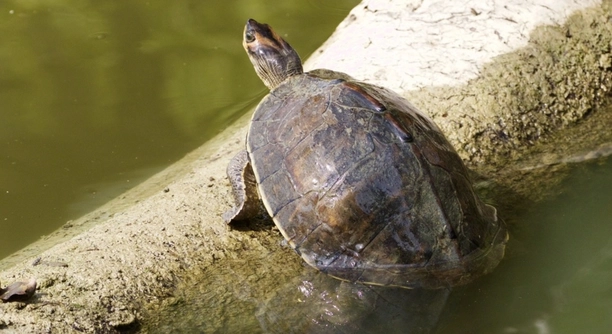
Paragraph 1:
Is your Indian Roofed Tortoise not acting like itself? Sometimes, cold temperatures can cause your turtle to feel unwell or stressed. It’s important to make sure the environment is just right for your pet’s well-being.
Paragraph 2:
Cold temperatures can slow down your tortoise’s metabolism, causing it to become sluggish or inactive. If your tortoise is too cold, it may retreat into its shell or show signs of lack of appetite and lethargy.
Paragraph 3:
There are simple steps to check your tortoise’s temperature and ensure it is comfortable. Keep reading to understand how to create a perfect environment for your pet’s health and happiness.
Why Temperature Matters for Your Tortoise
Indian Roofed Tortoises are cold-blooded animals, meaning they rely on external temperatures to regulate their body heat. If their environment is too cold, they can’t digest food properly, and their overall health may suffer. Tortoises are also known for being slow to react in low temperatures. Their metabolism becomes sluggish, which can lead to weight loss, poor appetite, and eventually, a weakened immune system. Ensuring the right temperature for your tortoise is crucial for its survival and happiness. Most tortoises thrive in temperatures ranging from 75°F to 85°F during the day, with a nighttime drop of a few degrees. A steady heat source like a heat lamp can help keep things warm, but monitoring the temperature with a thermometer is essential.
It’s vital to also consider humidity, as it helps maintain hydration. A proper setup will allow your tortoise to bask in warmth and feel comfortable, mimicking its natural environment.
By creating a warm and stable habitat, you ensure that your tortoise can stay active, healthy, and content. Regularly check the temperature to avoid extremes that could harm your pet.
How to Tell If Your Tortoise Is Cold
If your tortoise is too cold, it will act differently. Its movements might become slow and unsteady. You may notice it hiding in its shell more often than usual, seeking warmth. Another sign is reduced appetite or refusal to eat altogether. In more extreme cases, your tortoise might become inactive or lethargic, spending long hours not moving at all. These changes are often the result of lower body temperatures that prevent the tortoise from functioning properly. Keeping a close eye on these behaviors can help you quickly identify if your tortoise needs a temperature boost.
Cold temperatures can affect not only activity levels but also long-term health. When a tortoise gets too cold, it becomes vulnerable to illnesses like respiratory infections. Tortoises that are consistently exposed to improper temperatures may also experience shell issues or stress, which can cause further complications. A cold tortoise will also find it difficult to properly digest its food, which could lead to malnutrition over time.
To help your tortoise recover from cold exposure, immediately raise the temperature in its enclosure. Make sure to use a heat lamp or other heating sources to restore warmth gradually. Monitoring the enclosure temperature regularly is key to preventing this issue from recurring. Always remember to provide a basking area where your tortoise can regulate its body heat naturally.
Ideal Temperature Range for Your Tortoise
The ideal temperature for an Indian Roofed Tortoise is around 75°F to 85°F during the day. This allows them to stay active, eat, and bask comfortably. At night, the temperature can safely drop a few degrees, but it shouldn’t fall below 70°F. Consistency is key.
Tortoises also need a temperature gradient within their enclosure. This means having a warm area with a heat source, like a basking lamp, and a cooler area to allow the tortoise to move between the two, regulating its body temperature as needed. The basking area should be a bit warmer, around 90°F to 95°F, for the tortoise to absorb the necessary heat. This setup mimics their natural habitat, providing both warmth and shade options throughout the day.
Investing in a reliable thermometer is crucial. By regularly checking the temperature, you can make sure your tortoise’s environment stays within the proper range. Fluctuating temperatures can be harmful and stressful, so it’s important to maintain stability.
How to Keep Your Tortoise Warm
Using a heat lamp or ceramic heat emitter is one of the most effective ways to maintain warmth in your tortoise’s habitat. These light sources not only warm the air but also provide the necessary heat for basking. Be sure to position the lamp or emitter over the basking spot so your tortoise can regulate its body temperature naturally by moving closer or farther from the heat.
Another option is using a heat pad placed under the tank. This method can help provide warmth from the bottom and keep the enclosure’s floor temperature stable. It’s important to monitor this heat source closely, as direct contact can lead to burns or overheating if not set up correctly.
Remember to never use heat rocks, as they can become too hot and cause burns. Always prioritize safety by choosing heat sources designed for reptile care and adjust them as needed to keep your tortoise comfortable.
Signs Your Tortoise Is Too Cold
If your tortoise is too cold, it may become sluggish or hide in its shell. It might not eat, and its movements can become slow or stiff. These signs indicate that the temperature in its environment is not warm enough for its comfort.
Additionally, if your tortoise shows signs of lethargy, this could also point to the cold. A cold tortoise will often retreat into its shell, staying hidden for long periods. This behavior helps them conserve energy and stay protected from the low temperatures. It’s crucial to address these signs quickly to prevent further stress or health issues.
Creating the Perfect Temperature Gradient
To ensure your tortoise stays healthy, it’s essential to create a temperature gradient in its habitat. This means having a warm basking spot and a cooler area in the enclosure. The tortoise can then move between these areas to regulate its body temperature naturally.
A basking area should be around 90°F to 95°F, while the cooler side can be around 75°F. This allows your tortoise to feel comfortable and active throughout the day. If your tortoise spends too much time in the cooler areas, it may not be getting enough heat to stay healthy.
Avoiding Temperature Drops
If you live in a place with cold weather, it’s crucial to keep the room temperature stable. A sudden drop in temperature can cause your tortoise stress and make it difficult for them to digest food. Keeping the enclosure in a room that doesn’t experience extreme temperature shifts will help maintain stability.
FAQ
What temperature should my Indian Roofed Tortoise’s enclosure be?
Your tortoise’s enclosure should stay between 75°F and 85°F during the day. The basking area should be around 90°F to 95°F. At night, temperatures can drop to around 70°F, but they should not fall below that. Having a temperature gradient allows your tortoise to move between warmer and cooler areas to regulate its body temperature. It’s important to keep the temperatures consistent to avoid stressing your pet.
Can I use a regular light bulb to heat the enclosure?
It’s not recommended to use a regular light bulb for heating, as it may not provide the right heat output for your tortoise. Instead, use a basking lamp or a ceramic heat emitter designed for reptiles. These will give off the proper heat without the light, which can help your tortoise day and night without disrupting its natural cycle. Regular light bulbs can overheat or not provide enough warmth, which is why they aren’t ideal for reptile enclosures.
How do I know if my tortoise is too cold?
If your tortoise is too cold, it will likely become inactive or slow down. It may hide in its shell for extended periods and avoid eating. You might notice it sitting in the cooler areas of its enclosure more often, or it could display lethargic behaviors, like not moving much throughout the day. A cold tortoise may also suffer from respiratory problems, as low temperatures weaken their immune system.
How can I raise the temperature in my tortoise’s enclosure?
To raise the temperature, you can add a heat lamp or a ceramic heat emitter to the basking area. These heat sources should be positioned above the basking spot, so your tortoise can move under them when it needs warmth. You can also use a heat mat under the enclosure for extra warmth, but be cautious not to overheat it. Always monitor the temperature with a thermometer to ensure the warmth is consistent and within the right range.
Can I use a heat rock to warm my tortoise’s habitat?
No, heat rocks are not recommended for tortoise enclosures. They can overheat in some areas and burn your tortoise. Tortoises also can’t always regulate their body temperature around heat rocks, which can lead to injuries. Instead, use a heat lamp, ceramic heater, or heat mat specifically designed for reptiles. These will allow your tortoise to choose how much heat it needs while keeping the enclosure safe.
Why is my tortoise not eating even though it’s warm enough?
There can be several reasons why your tortoise isn’t eating. Stress, illness, or an improper diet can all cause a loss of appetite. Even if the temperature is correct, other factors like habitat cleanliness or excessive handling can affect your tortoise’s feeding habits. Make sure its habitat is clean and quiet, and offer a variety of foods that suit its dietary needs. If the problem persists, it may be time to consult a vet.
Can my tortoise tolerate low temperatures overnight?
Indian Roofed Tortoises can tolerate lower temperatures overnight as long as the drop is gradual and doesn’t go below 70°F. However, keeping temperatures consistently too low will stress your tortoise and impact its health over time. The drop at night should be mild, mimicking natural conditions. If the temperature drops below 70°F, it’s best to add some heat to prevent your tortoise from becoming too cold.
How do I measure the temperature in the enclosure?
Use a thermometer to monitor the temperature in different areas of your tortoise’s habitat. A digital thermometer or a probe thermometer will give you an accurate reading. Place one thermometer near the basking area to ensure it reaches the correct temperature, and another in the cooler side of the enclosure. This helps you create and maintain a proper temperature gradient.
Is it okay if my tortoise spends time in the cooler part of the enclosure?
Yes, it’s perfectly fine for your tortoise to spend time in the cooler part of the enclosure, as long as it has access to warmer areas. The cooler area helps your tortoise regulate its body temperature by allowing it to retreat to a cooler spot when it needs to. This behavior is natural and important for its well-being. Just ensure the cooler side is still within a safe range of 75°F to 80°F.
How can I prevent temperature drops during the night?
To prevent temperature drops, you can use a ceramic heat emitter or a heat mat that works 24/7 without producing light. These are ideal for maintaining stable warmth during the night. Alternatively, consider placing your tortoise’s enclosure in a room that maintains a steady temperature, away from windows or air conditioning that can cause fluctuations. A small space heater near the enclosure may also help maintain warmth.
Should I place my tortoise’s enclosure near a window?
It’s best to avoid placing your tortoise’s enclosure near a window. While natural sunlight can help with warmth, windows can cause temperature fluctuations, especially if it’s cold outside or the sun’s position changes. Direct sunlight can overheat parts of the enclosure, and at night, the temperature can drop significantly. A stable, controlled environment away from windows is a better choice for your tortoise’s health.
Can I use a space heater to warm the room?
Yes, using a space heater to warm the room can help maintain a stable temperature for your tortoise, but be cautious. Make sure the heater doesn’t blow directly onto the enclosure, as this can cause hot spots or dry out the air. It’s important to ensure the room’s overall temperature remains consistent, without dramatic fluctuations. Always monitor the temperature with a thermometer to make sure it stays within the ideal range for your tortoise.
Final Thoughts
Maintaining the right temperature for your Indian Roofed Tortoise is crucial for its health and well-being. As a cold-blooded animal, it depends on external heat sources to regulate its body temperature. Without the proper warmth, your tortoise can become sluggish, lose its appetite, and even develop health problems. Providing a warm and stable environment is key to ensuring your tortoise remains active and happy. The ideal temperature range for an Indian Roofed Tortoise is between 75°F and 85°F during the day, with the basking area being slightly warmer. At night, the temperature can drop a few degrees, but it should not fall below 70°F. Regularly checking the temperature with a reliable thermometer will help you avoid temperature extremes that could harm your pet.
Creating a proper temperature gradient in your tortoise’s enclosure is one of the easiest ways to give it the best care. A heat lamp or ceramic heat emitter positioned over the basking spot allows your tortoise to warm itself up when needed. The cooler areas of the enclosure should allow your tortoise to retreat if it feels too hot. This setup mimics its natural habitat, where it can move between sun and shade to maintain a comfortable body temperature. The key is to provide both options so your tortoise can adjust as needed. Remember to avoid using heat rocks, as they can cause burns and are unsafe for reptiles. Instead, choose heat sources designed specifically for reptiles, and make sure you monitor the enclosure’s temperature regularly to keep things in balance.
Temperature is just one part of the puzzle when it comes to caring for your tortoise. While providing warmth is essential, make sure your tortoise’s habitat is also clean, spacious, and safe. Offer a balanced diet, fresh water, and appropriate substrate to keep your tortoise comfortable. If you ever notice your tortoise showing signs of illness or stress, such as reduced activity, poor appetite, or excessive hiding, it’s important to address the situation immediately. This could be due to improper temperature, poor diet, or other environmental factors. Always keep a close eye on your tortoise, and consult a vet if necessary. By creating a stable, warm environment and providing the right care, you’ll help ensure your tortoise thrives for years to come.

Hello,
If you enjoy the content that we create, please consider saying a "Thank You!" by leaving a tip.
Every little bit helps us continue crafting quality advice that supports the health, happiness, and well-being of pets around the world, for pets of all shapes, sizes, and species.
We really appreciate the kindness and support that you show us!