
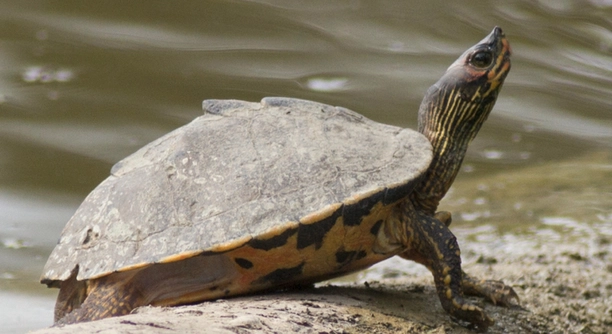
Tortoises are known for their calm and slow-paced nature, but sometimes they can become overstimulated. Recognizing the signs of overstimulation in your Indian Roofed Tortoise is important for ensuring their well-being.
Overstimulated Indian Roofed Tortoises show signs of stress, such as pacing, aggression, or excessive hiding. Keeping their environment calm and routine is key to preventing overstimulation.
Understanding the signs of overstimulation will help you care for your tortoise, ensuring they remain relaxed and healthy in their environment.
Signs of Overstimulation in Indian Roofed Tortoises
Overstimulated Indian Roofed Tortoises often display physical and behavioral signs that show they are stressed. One of the most common signs is excessive pacing. If your tortoise constantly moves around its enclosure, it may be trying to escape or showing discomfort. Another indicator is aggressive behavior, such as biting or attempting to flip over. You may also notice that your tortoise hides more than usual, trying to retreat from what is bothering them. Their eating habits can also change, as overstimulated tortoises may lose their appetite or eat less. Recognizing these signs is essential for providing the proper care and ensuring a calm, healthy environment.
If your tortoise starts to pace or bite, this could be a direct sign of overstimulation. Offering a quieter, more controlled space can help them feel safer.
Creating a peaceful environment for your tortoise involves several things. First, ensure their enclosure isn’t too small. Overcrowding can lead to tension and stress. Second, try to maintain a consistent temperature and humidity level. Extreme changes in their surroundings can also lead to overstimulation. Finally, avoid sudden changes in their daily routine. Tortoises thrive on stability, and unexpected changes can disrupt their natural behavior, causing them to feel uneasy and overactive. Keep their space clean and calm by limiting loud noises or frequent handling. By making small adjustments to their environment, you can significantly reduce the chances of overstimulation and promote better health and well-being.
How to Calm an Overstimulated Tortoise
If your Indian Roofed Tortoise is overstimulated, it’s important to take immediate steps to calm them down.
Start by reducing environmental stressors. Place your tortoise in a quieter area with fewer distractions. Lowering the lights and offering some hiding spots can help them feel more secure. Avoid handling them too much during this time, as that may only increase their stress. Patience is key when it comes to calming an overstimulated tortoise.
Sometimes overstimulation happens simply because the tortoise is not getting enough of the right care. Their habitat needs to be both stimulating and relaxing, with the right amount of space, temperature, and humidity. You may also need to make sure that they’re not interacting with too many other animals or creatures. If you’ve recently added anything new to their enclosure, such as decor or another pet, this might have contributed to the stress. Give them time and a peaceful space to recover. Regularly checking in on their behavior can help you catch signs of overstimulation early, allowing you to make the right adjustments quickly.
Causes of Overstimulation in Indian Roofed Tortoises
Overstimulation in tortoises can happen for many reasons. A sudden change in their environment, like new objects or different lighting, can stress them. Even loud noises or overcrowding can make them uneasy. Tortoises are creatures of habit, and any disruption in their routine can lead to overstimulation.
Stress from overcrowding often happens when multiple tortoises are placed in a single enclosure. Even a small change in their living space can unsettle them, especially if they don’t feel secure. Likewise, too much human interaction or being handled frequently can increase their stress levels. The more peaceful and predictable their space, the less likely they are to become overstimulated. Make sure their surroundings are calm and stable.
Another factor that could contribute to overstimulation is improper temperature or lighting. If the enclosure gets too hot or too cold, the tortoise may become stressed, causing it to pace or hide more. Ensuring proper lighting and temperature regulation is essential to prevent this type of stress. Their environment should mimic natural conditions, providing both warmth and cool spaces for them to choose from.
How to Prevent Overstimulation
Preventing overstimulation begins with creating a safe, comfortable space. Keep their environment as stable as possible.
Provide a consistent routine with no sudden changes. Regular feeding times, appropriate lighting, and temperature settings will help your tortoise stay calm. Consider the placement of their enclosure—avoid areas with loud noise or heavy foot traffic. You can also add hides or plants, creating a space that allows your tortoise to retreat when it feels overwhelmed.
Keep in mind that tortoises are sensitive creatures. It’s not just about avoiding overstimulation but ensuring that their entire habitat is designed for their comfort. A proper diet, time to bask in the sunlight, and even opportunities for burrowing can all help prevent stress. Make sure they have enough space to roam without feeling trapped, and if you introduce new things to their habitat, do so gradually.
The Role of Diet in Overstimulation
Diet plays a significant role in the well-being of your tortoise. If their nutrition isn’t balanced, it can lead to stress and overstimulation. A poor diet may make your tortoise feel uncomfortable or irritable. This can worsen overstimulation in an already stressed animal.
Feeding your tortoise fresh vegetables, fruits, and high-quality pellets is essential. Make sure the food is varied to keep their interest. Overfeeding can also cause discomfort and stress, making the tortoise more likely to react negatively to its environment. Regularly assess your tortoise’s diet to ensure it’s meeting their needs.
Importance of Space and Shelter
Tortoises need enough space to roam freely and feel secure. A cramped enclosure can lead to stress, overstimulation, and aggression. Make sure their habitat has plenty of room for movement and proper hiding spots. Without this, they will become anxious and restless.
Providing adequate shelter is also crucial. A place where your tortoise can retreat and feel safe from disturbance will help reduce overstimulation. It’s important to create a secure, quiet area within the enclosure for them to hide when needed. These spaces allow them to regulate their feelings of stress.
The Impact of Temperature and Lighting
The right temperature and lighting are vital in preventing overstimulation. If the enclosure is too hot or cold, it can cause your tortoise to feel stressed and agitated. Make sure to provide a gradient of temperatures so your tortoise can find a comfortable spot to rest.
Proper lighting is also important. Tortoises need natural sunlight or UVB lighting to stay healthy. Without it, they may become lethargic, stressed, or even develop health issues that contribute to overstimulation. Regularly check the temperature and lighting in the habitat to make sure they are within an ideal range for your tortoise.
FAQ
How can I tell if my tortoise is overstimulated?
The signs of an overstimulated tortoise include excessive pacing, aggressive behavior like biting, and hiding more than usual. If your tortoise is constantly moving around its enclosure or seems frustrated, it may be overstimulated. Additionally, they may stop eating or seem more withdrawn than normal. These are clear indicators that something is stressing them out.
Can overstimulation affect my tortoise’s health?
Yes, overstimulation can affect your tortoise’s health. Stress can weaken their immune system, making them more vulnerable to illness. It can also lead to changes in their behavior, eating habits, and overall well-being. If not addressed, long-term overstimulation can cause anxiety and affect their natural growth and development.
How can I help my tortoise relax if it is overstimulated?
To help your tortoise relax, reduce the stressors in their environment. Keep the enclosure quiet and calm, ensuring it is free from loud noises or heavy foot traffic. You can also add more hiding spots or create a space for them to retreat when feeling overwhelmed. Keeping their routine consistent is another way to reduce stress.
What temperature should my tortoise’s enclosure be to avoid overstimulation?
The ideal temperature for an Indian Roofed Tortoise’s enclosure is between 75-85°F (24-29°C) during the day, with a basking spot reaching 90-95°F (32-35°C). At night, temperatures should drop to around 65-75°F (18-24°C). Keeping the temperature in this range will help prevent overstimulation and keep your tortoise comfortable.
How much space does my tortoise need to prevent overstimulation?
Indian Roofed Tortoises need a spacious enclosure to feel comfortable and avoid overstimulation. A good rule of thumb is at least 10 square feet of space per tortoise. More space allows them to roam, explore, and find quiet spots to retreat, reducing stress. If they feel cramped, it can trigger anxiety and overstimulation.
Can my tortoise become overstimulated from too much handling?
Yes, excessive handling can overstimulate your tortoise. While they can tolerate occasional handling, too much can cause them stress, especially if it interrupts their routine or makes them feel unsafe. It’s important to allow your tortoise to roam and explore at their own pace. Only handle them when necessary, and always be gentle.
How can I create a calm environment for my tortoise?
To create a calm environment for your tortoise, focus on their enclosure. Ensure it is large enough for them to move freely and has enough hiding spots for them to retreat to when they feel stressed. Keep the lighting soft and the temperature stable. Avoid loud noises and sudden changes in their routine. Consistency is key.
Should I introduce other pets to my tortoise’s enclosure?
Introducing other pets to your tortoise’s enclosure is not recommended. Tortoises are solitary creatures and may feel stressed or threatened by other animals. If you do decide to introduce another pet, ensure they are compatible and that the tortoise has enough space to escape when needed. Always monitor their interactions closely.
Can overstimulation make my tortoise lose its appetite?
Yes, overstimulation can cause your tortoise to lose its appetite. Stress from environmental changes, excessive handling, or discomfort can result in them not wanting to eat. If you notice a loss of appetite, check for other signs of overstimulation and make the necessary adjustments to their environment to reduce stress.
What should I do if my tortoise is hiding all the time?
If your tortoise is hiding more than usual, it could be a sign of overstimulation or stress. Check their environment for potential stressors like bright lights, loud noises, or too much handling. Ensure the temperature and humidity levels are appropriate. If they continue to hide, it’s important to assess their well-being and make adjustments to reduce their stress.
Can I use calming products for my tortoise?
There are no specific calming products recommended for tortoises. Instead of relying on products, focus on adjusting their environment. A consistent routine, proper habitat, and minimal handling are the best ways to help your tortoise feel calm and secure. Providing a safe and stable environment will be the most effective way to prevent overstimulation.
How often should I check on my tortoise’s environment?
You should check your tortoise’s environment regularly, at least once a week, to ensure it’s comfortable and stress-free. This includes checking the temperature, humidity, and cleanliness of their enclosure. Make sure their diet is balanced and that they have enough space to move around freely. Keeping their environment consistent helps prevent overstimulation.
How long does it take for a tortoise to calm down after overstimulation?
The time it takes for a tortoise to calm down after overstimulation varies depending on the level of stress and the changes made to their environment. It can take anywhere from a few hours to a few days for a tortoise to settle. Be patient and ensure their space is calm and stable to help them recover quickly.
Can I handle my tortoise after it becomes overstimulated?
It’s best to avoid handling your tortoise immediately after it shows signs of overstimulation. Give them some time to calm down in a peaceful, secure environment. Handling them too soon can worsen their stress and delay the recovery process. Once they seem more relaxed, you can interact with them gently.
How do I know if my tortoise is stressed or just tired?
While both stress and tiredness can cause your tortoise to hide, stressed tortoises may also show other signs like pacing, aggression, or loss of appetite. If your tortoise is simply resting or not engaging in other stress behaviors, they may just be tired. It’s important to monitor their behavior for a few hours to determine the cause.
Can stress affect the lifespan of my tortoise?
Chronic stress can affect the overall health and lifespan of your tortoise. If overstimulation and stress are not addressed, it can lead to health issues, including weakened immunity and digestive problems. Ensuring a calm, stable environment and regular health checks can help prevent long-term stress-related health problems.
Final Thoughts
Overstimulation in Indian Roofed Tortoises is a common issue that can be managed with the right care. These tortoises, like many reptiles, are sensitive to their environment. They thrive in stable, quiet spaces where they feel safe and secure. Stress from overcrowding, improper temperatures, or excessive handling can lead to overstimulation. Once overstimulated, your tortoise may display signs such as excessive pacing, aggression, or a loss of appetite. It’s important to recognize these behaviors early to make the necessary changes to their environment before stress becomes a long-term issue.
Creating the right environment for your tortoise is essential. Providing enough space, the correct temperature, and a peaceful area to hide will help reduce the chances of overstimulation. A well-balanced diet also plays a key role in keeping your tortoise healthy and calm. By maintaining consistent routines and ensuring their habitat is stress-free, you can significantly improve your tortoise’s well-being. Regularly check their space for any changes that might be causing stress, such as new decorations, sudden noise, or even overcrowding.
Addressing overstimulation promptly is important for your tortoise’s health. If you notice signs of stress, make adjustments quickly, such as reducing handling or providing more hiding spaces. With time, patience, and attention to their needs, you can help your tortoise maintain a calm and comfortable life. Proper care and a good understanding of your tortoise’s behavior will ensure it lives a long, healthy life free from the negative effects of overstimulation.

Hello,
If you enjoy the content that we create, please consider saying a "Thank You!" by leaving a tip.
Every little bit helps us continue crafting quality advice that supports the health, happiness, and well-being of pets around the world, for pets of all shapes, sizes, and species.
We really appreciate the kindness and support that you show us!