
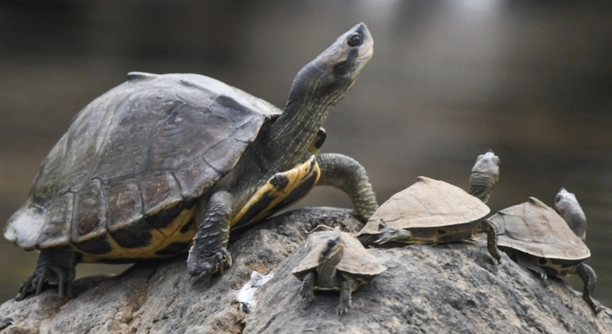
Overheating is a common concern for Indian Roofed Tortoises, especially when exposed to high temperatures. Knowing the signs of overheating is important to keep your tortoise safe and comfortable in its environment.
Indian Roofed Tortoises are prone to overheating if they are exposed to excessive heat or direct sunlight. Signs of overheating include rapid breathing, lethargy, and a lack of appetite. Ensuring a proper temperature range can help prevent these symptoms.
Understanding these signs can help you maintain a safe habitat for your tortoise. Adjusting the temperature and monitoring its behavior are key steps in preventing overheating and ensuring its well-being.
Signs Your Indian Roofed Tortoise Is Overheating
Indian Roofed Tortoises are sensitive to temperature changes, especially in warmer climates. When they overheat, they may become lethargic and less active than usual. It’s crucial to observe any changes in their behavior, as these are the first signs that something is wrong. Common symptoms of overheating include fast breathing, excessive basking, or hiding more than usual. If you notice that your tortoise is sluggish and doesn’t seem to want to eat, it may be struggling with the heat. These are red flags that should not be ignored. Heat stress can be dangerous, so it’s essential to address these issues as soon as possible.
Proper monitoring of their environment can make all the difference. Keeping their habitat at a stable temperature ensures they don’t suffer from overheating. A thermometer placed in their enclosure can help you keep track of the temperature and adjust it when needed.
Ensuring your tortoise has access to shaded areas and cool places to retreat to is vital for their health. If you notice signs of overheating, you should immediately reduce the temperature in their enclosure and offer water to help cool them down. The longer a tortoise is left in a hot environment, the more difficult it can be to recover from heat stress.
How to Prevent Overheating
Monitoring the environment regularly will help prevent overheating before it becomes a serious problem. The temperature should be kept between 80°F and 95°F, with cooler spots available for your tortoise to retreat to.
Providing a proper basking area for your Indian Roofed Tortoise is important, but you also need to ensure that they can escape the heat when needed. Place rocks, logs, or plants that provide shade and a cooler space within the enclosure. This gives them a choice to adjust based on their needs. You can also introduce humidity, which can help keep the temperature stable and prevent the enclosure from becoming too dry. These small changes can make a significant difference in keeping your tortoise comfortable and safe.
Ensuring a well-maintained habitat helps prevent many potential health issues. Checking for any signs of overheating, such as heavy breathing or excessive hiding, will allow you to take action quickly. Adjusting their environment to avoid high heat is essential for maintaining a happy and healthy tortoise.
Temperature Control for Your Indian Roofed Tortoise
Keeping the temperature balanced is key to preventing overheating. A heat source should be provided, but it’s important not to go overboard. Monitor the temperature regularly using a reliable thermometer.
An ideal range for your tortoise is between 80°F and 95°F, with a warm basking area of around 95°F. Ensure that the cool side of their enclosure stays below 80°F, giving them options to regulate their body temperature. Consider using heat lamps or ceramic heat emitters to maintain warmth without increasing air temperature too much.
Additionally, placing a thermometer on both ends of their habitat will help you track temperature fluctuations. Adjusting the heating equipment based on the readings will prevent heat buildup. Your tortoise will appreciate the freedom to choose from different temperature zones throughout the day, helping them avoid excessive heat stress.
Hydration and Overheating
A well-hydrated tortoise can handle heat much better. Lack of water can worsen the effects of overheating, making it harder for your tortoise to regulate its body temperature.
Make sure your Indian Roofed Tortoise has access to fresh water at all times. Offering a shallow water dish will allow them to drink or soak when needed. You can also mist the enclosure lightly to raise humidity levels, helping them stay cool. Hydration not only cools them down but is essential for their overall health.
Check your tortoise regularly for signs of dehydration, such as sunken eyes or dry skin. If they appear dehydrated, offer them more water and ensure their environment is kept moist enough to help them stay comfortable during the hotter months.
Avoid Direct Sunlight
Exposing your Indian Roofed Tortoise to direct sunlight for long periods can increase the risk of overheating. It’s essential to monitor how long they’re basking under the sun.
Allowing them to spend time in the sun is great for their Vitamin D, but you should always provide shelter to prevent heat stress. Direct sunlight can raise the temperature too quickly, causing discomfort. A shaded area within their enclosure ensures they can escape the sun if needed.
Ventilation Is Key
Proper airflow is essential for regulating temperature in your tortoise’s enclosure. Without ventilation, heat and humidity can build up, increasing the risk of overheating.
Make sure the enclosure has adequate airflow to prevent a stagnant, overheated environment. Using mesh screens or vents will help air circulate, providing a cooler, more comfortable space. Proper ventilation also helps maintain humidity levels, which is vital for their skin and overall health.
FAQ
How can I tell if my Indian Roofed Tortoise is too hot?
Signs of overheating in your tortoise include excessive basking, fast or shallow breathing, lethargy, and hiding more than usual. If your tortoise appears to be sluggish, refuses food, or seems to be breathing heavily, it could be overheating. These are warning signs that the temperature in their enclosure needs to be adjusted. It’s crucial to act quickly to cool down their environment and prevent heat stress from causing harm.
What temperature is best for my Indian Roofed Tortoise?
The ideal temperature for an Indian Roofed Tortoise should range between 80°F and 95°F during the day. A basking area should be around 95°F, while the cooler side of the enclosure should be below 80°F. This range allows your tortoise to regulate its body temperature by moving between different zones. Avoid temperatures over 95°F to prevent overheating, and ensure the night temperature doesn’t drop too much below 70°F.
How can I cool my tortoise down if it’s overheated?
If your tortoise is overheated, immediately remove it from the heat source and place it in a cooler area of the enclosure or outside in the shade. Offer fresh water to help rehydrate and cool it down. Mist the enclosure lightly to raise humidity and help bring down the temperature. Ensure that the cooling process is gradual and avoid drastic temperature changes, as this can cause stress to your tortoise. If symptoms persist, contact a vet for advice.
Can I use a heat lamp to regulate the temperature for my tortoise?
Yes, a heat lamp is a useful tool for regulating the temperature in your tortoise’s habitat. It provides warmth, simulating sunlight and offering a basking spot. Make sure the lamp is positioned at the correct height, ensuring the basking area doesn’t exceed 95°F. Always provide a cooler area so your tortoise can move to a more comfortable temperature when needed. Ensure the lamp is used alongside proper ventilation and humidity control to prevent overheating.
How often should I check the temperature in my tortoise’s enclosure?
It’s important to check the temperature in your tortoise’s enclosure regularly—at least once a day. This ensures that the temperature remains within the ideal range and helps you spot any fluctuations before they cause discomfort to your tortoise. A thermometer on both the cool and warm sides of the enclosure will give you a clear picture of the environment. You may need to adjust the heat source or ventilation depending on the time of day and the season.
Can humidity levels affect my tortoise’s temperature?
Yes, humidity levels can impact your tortoise’s temperature. Low humidity can make the environment feel hotter than it actually is, causing your tortoise to overheat. High humidity, on the other hand, can make the enclosure feel stagnant and uncomfortable. A balance of around 50-60% humidity is recommended. You can adjust humidity by lightly misting the enclosure or adding a humidity box for them to access when needed.
Is it okay for my tortoise to be outside in the sun?
Indian Roofed Tortoises enjoy spending time in natural sunlight, but it’s essential not to leave them exposed to direct sunlight for long periods. A couple of hours of sunlight a day is beneficial for Vitamin D, but always provide a shaded area where they can retreat to if it gets too hot. Monitor their behavior carefully to ensure they are not overheating. You can set up an outdoor enclosure with enough shade and ventilation to regulate temperature naturally.
Can I use an air conditioner to cool down my tortoise’s enclosure?
It’s not recommended to use an air conditioner directly in your tortoise’s enclosure. Air conditioners can make the environment too cold and dry, which may cause health problems. Instead, focus on controlling the temperature through proper ventilation and heat sources. If you’re concerned about temperature, using a fan to improve airflow might help or adjusting the temperature manually with a ceramic heat emitter to prevent drastic drops.
What should I do if my tortoise refuses to eat in hot weather?
If your tortoise isn’t eating in hot weather, it could be a sign that it’s too warm. The heat may be causing stress, leading to a loss of appetite. Make sure to reduce the temperature in the enclosure and provide a cool, shaded area. Dehydration can also contribute to loss of appetite, so ensure your tortoise always has access to fresh water. If the loss of appetite persists, consider consulting a veterinarian to rule out other health issues.
Can a tortoise overheat at night?
While the risk of overheating is lower at night due to cooler temperatures, it is still possible if the enclosure isn’t properly ventilated. If a heat source like a lamp or pad is left on overnight, the temperature may stay too high. It’s important to ensure that the night temperature stays between 70°F and 75°F. Make adjustments to the heating sources as necessary to maintain a comfortable environment during both day and night.
How do I prevent overheating when I’m away from home?
If you’re away for long periods, it’s important to ensure your tortoise’s environment is stable. Invest in a reliable thermostat and thermometer system to maintain the correct temperature in the enclosure. If you use a heat lamp, a timer can help regulate the heat cycle. It’s also helpful to have a trusted friend or pet sitter check on your tortoise regularly to ensure everything is running smoothly. Additionally, you can leave a fan running to improve ventilation and prevent heat buildup while you’re away.
Final Thoughts
Overheating is a serious concern for your Indian Roofed Tortoise, and recognizing the signs early is crucial to keeping them safe. These tortoises are sensitive to temperature changes, and if they get too hot, they can experience stress or even health issues. Keeping an eye on their behavior, such as fast breathing, excessive hiding, or not eating, can help you spot the early signs of overheating. Providing a well-maintained environment with proper temperature control, ventilation, and hydration is essential for your tortoise’s well-being. Ensuring they have a cool area to retreat to when it gets too warm will help them stay comfortable.
The key to preventing overheating is balance. While it’s important to give your tortoise access to heat for basking, you must also provide cooler areas for them to escape to. A variety of temperature zones within their enclosure allows them to regulate their body temperature naturally. Using a thermometer to monitor the temperatures in both the warm and cool zones will help you stay on top of the situation. Always be ready to adjust the environment when needed, especially during warmer months. Additionally, providing proper ventilation will ensure fresh air circulation and help regulate the overall temperature inside their habitat.
Taking steps to maintain the right temperature, hydration, and ventilation will make a significant difference in preventing overheating. If you notice any signs of heat stress, it’s important to act quickly and cool down the environment. With the right precautions in place, your Indian Roofed Tortoise will be much safer and more comfortable. By being aware of their needs and making small adjustments as necessary, you’ll help your tortoise thrive in a healthy, stable habitat. Keeping their environment in check will not only prevent overheating but also contribute to their long-term health and happiness.

Hello,
If you enjoy the content that we create, please consider saying a "Thank You!" by leaving a tip.
Every little bit helps us continue crafting quality advice that supports the health, happiness, and well-being of pets around the world, for pets of all shapes, sizes, and species.
We really appreciate the kindness and support that you show us!