
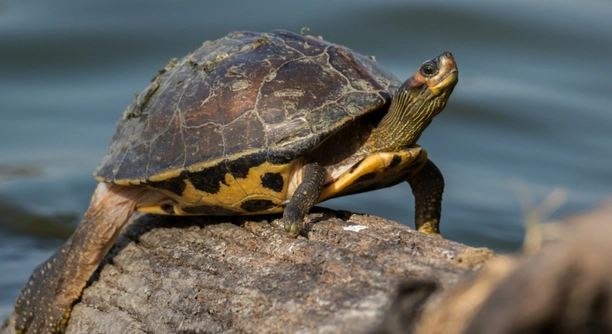
It can be concerning when your Indian Roofed Tortoise isn’t thriving like it should. One of the most common health issues they face is calcium deficiency. Understanding how to spot this can make all the difference in their care.
The signs of calcium deficiency in Indian Roofed Tortoises include weak, soft shells, lack of activity, and trouble with movement. This condition occurs when the tortoise doesn’t get enough calcium to maintain proper bone and shell health.
Recognizing these signs early can help prevent further complications. Proper diet and supplementation are key to keeping your tortoise healthy and active.
Calcium Deficiency: What It Looks Like
A calcium deficiency in your Indian Roofed Tortoise can show up in a few noticeable ways. You might see that their shell becomes softer or more pliable, instead of hard and rigid. The tortoise may also seem sluggish or struggle to move around, even when it should be more active. If your tortoise is not receiving enough calcium, it can affect its overall health. Without proper calcium levels, their bones and shell don’t develop properly, leading to weakness and deformities. Over time, this can become a serious issue if left untreated, so it’s important to recognize these signs early on.
The softening of the shell is often one of the first noticeable signs. Additionally, changes in behavior like reduced activity or difficulty walking are red flags.
Calcium is essential for your tortoise’s development and maintenance. It helps to keep their bones strong and their shells healthy. If they don’t get enough calcium from their diet or sunlight, problems can arise. To avoid complications, regular exposure to sunlight and a balanced diet with calcium-rich foods is crucial. Supplementing calcium with dusting or a dedicated calcium source can also help maintain proper levels. A healthy tortoise should be active, move with ease, and have a strong, solid shell.
Causes of Calcium Deficiency
Calcium deficiency can happen due to several factors. One common reason is an insufficient diet that lacks calcium-rich foods. Another cause is limited exposure to UVB light, which helps with calcium absorption. Without UVB light, tortoises cannot process calcium effectively, even if it’s in their food.
A diet with too much phosphorus can also interfere with calcium absorption, leading to deficiencies. Phosphorus is found in many foods, and when it outweighs calcium, it can prevent proper calcium utilization. Calcium imbalance is usually a combination of diet and environment, so addressing both is key.
A healthy, balanced diet is essential for keeping your tortoise’s calcium levels in check. Include leafy greens, such as kale and collard greens, along with a variety of vegetables. Ensure that your tortoise has access to natural sunlight or UVB lamps. If necessary, use calcium supplements to make sure their needs are being met. However, too much calcium can also cause problems, so it’s important to find the right balance. Regular check-ups with a veterinarian can help monitor your tortoise’s health and make adjustments if needed.
How to Prevent Calcium Deficiency
Preventing calcium deficiency in your Indian Roofed Tortoise requires consistent care. Providing the right diet and ensuring adequate sunlight are essential steps to maintaining healthy calcium levels. Regular monitoring will help catch any issues early.
A balanced diet with calcium-rich vegetables, like collard greens and dandelion leaves, is crucial for proper bone and shell health. Additionally, calcium supplements can be sprinkled on their food to help boost their intake. Always follow the recommended guidelines to avoid over-supplementation, which can be harmful.
Adequate exposure to UVB light is another key factor. UVB light enables the tortoise to absorb calcium effectively from their diet. If they cannot get direct sunlight, consider investing in a quality UVB lamp. Place it close enough to allow them to bask under it for several hours each day. A combination of proper diet and light ensures that calcium deficiency is less likely to occur. Regularly check your tortoise’s health to adjust their environment and diet as needed.
What to Do If Calcium Deficiency Occurs
If you notice signs of calcium deficiency, it’s important to act quickly. Start by adjusting their diet to include more calcium-rich foods and supplements. Providing them with proper UVB exposure will also be crucial.
Consulting a veterinarian is highly recommended if your tortoise shows symptoms of calcium deficiency, like a soft or misshapen shell. A vet can help you determine the best course of action, whether that means altering the diet or using additional calcium supplements. Additionally, your vet may suggest X-rays or other tests to check the overall bone health of your tortoise. This step can prevent further damage and ensure proper healing.
Calcium-Rich Foods for Your Tortoise
Including calcium-rich foods in your tortoise’s diet is a simple yet effective way to prevent deficiencies. Leafy greens like collard and mustard greens are packed with calcium. Other vegetables like dandelion leaves and kale also offer good sources of calcium for your tortoise.
In addition to leafy greens, offering a variety of vegetables and flowers such as clover, hibiscus, and squash can provide a broader nutrient profile. Avoid feeding them foods high in oxalates, like spinach, as they can inhibit calcium absorption. Variety in their diet is key to meeting all their nutritional needs, so always include different options.
The Role of UVB Light
UVB light is essential for calcium absorption in tortoises. Without it, even the best calcium-rich foods won’t help. UVB helps your tortoise process calcium and convert it into a usable form for their bones and shell.
Make sure your tortoise has daily access to UVB light, whether from direct sunlight or a high-quality UVB lamp. Place the light source within 6 to 12 inches of your tortoise’s basking area to ensure it gets the proper exposure. This will help your tortoise absorb calcium effectively, keeping it healthy and strong.
Monitoring Your Tortoise’s Health
Regular monitoring of your tortoise’s behavior and shell condition can help spot early signs of calcium deficiency. If you notice changes in activity levels or a softening of the shell, it’s time to take action.
This can prevent a minor issue from becoming a major health problem. Keep track of their diet and ensure they are getting enough calcium and UVB light. Regular check-ups with a vet can also help catch any issues early and keep your tortoise in good health.
FAQ
How can I tell if my Indian Roofed Tortoise has a calcium deficiency?
If your tortoise has a calcium deficiency, you’ll notice a few telltale signs. The shell may become soft, easily deformed, or misshapen. This is one of the first things to look for. You may also see a reduction in activity, where your tortoise moves slower or stays in one place for too long. If these symptoms are present, it’s important to start addressing the issue as soon as possible to prevent further damage to their bones and shell.
Can I use calcium supplements for my tortoise?
Yes, calcium supplements can be very helpful in ensuring your tortoise is getting the right amount of calcium. You can either use a calcium powder that can be sprinkled on their food or a cuttlebone, which they can gnaw on. Just be sure to follow the instructions carefully, as too much calcium can cause other health issues, like kidney problems. It’s always best to consult with a vet to determine the proper dosage for your specific tortoise.
What types of food are best for providing calcium to my tortoise?
Calcium-rich foods include leafy greens like collard greens, mustard greens, and dandelion leaves. Other vegetables such as kale, turnip greens, and parsley also provide good amounts of calcium. It’s important to offer a variety of these vegetables to ensure your tortoise is getting a well-rounded diet. Avoid feeding them foods high in oxalates, such as spinach and beet greens, as these can hinder calcium absorption.
Is sunlight important for calcium absorption in tortoises?
Yes, sunlight is crucial for calcium absorption in tortoises. UVB light allows them to process the calcium from their food, helping it to be properly absorbed into their bones and shell. If your tortoise doesn’t get enough natural sunlight, it’s essential to provide a UVB lamp. The lamp should be placed within a few inches of their basking spot to ensure they get the full benefits of the light.
How much UVB light does my tortoise need?
Tortoises need at least 10 to 12 hours of UVB light exposure each day to maintain proper health. This is often provided through natural sunlight or a quality UVB lamp. If using an artificial lamp, make sure it’s designed specifically for reptiles, as regular household bulbs don’t provide the right wavelength of light. Regularly replace the UVB bulb every 6 months, as its effectiveness decreases over time.
What should I do if my tortoise’s shell becomes soft?
If your tortoise’s shell becomes soft, this is a serious sign of calcium deficiency. First, check their diet to ensure they’re getting enough calcium-rich foods. You may need to add a calcium supplement or a cuttlebone. Make sure they are also getting enough UVB exposure, as this is necessary for proper calcium absorption. If the problem persists, visit a vet for further treatment, as softening of the shell can lead to permanent damage if not addressed.
How can I provide a balanced diet for my tortoise?
A balanced diet for your tortoise includes a variety of leafy greens, vegetables, and occasional fruits. You can offer dandelion leaves, kale, collard greens, and a few other safe vegetables. Be cautious with fruits, offering them only in moderation. Avoid foods like iceberg lettuce, which has little nutritional value. Remember, tortoises also need a calcium supplement to make up for any dietary shortfalls. Proper hydration and access to fresh water should always be available.
Can my tortoise get too much calcium?
While calcium is essential, too much of it can be harmful to your tortoise. Over-supplementation can lead to kidney problems or other issues, such as the formation of kidney stones. The goal is to provide a balanced amount, matching their needs based on their age, size, and overall health. Always consult with a vet to find the correct amount for your tortoise and avoid excessive calcium.
Are there any signs that my tortoise is getting too much calcium?
If your tortoise is getting too much calcium, signs may include difficulty moving, lethargy, or a noticeable loss of appetite. Over time, too much calcium can lead to kidney damage or soft tissue calcification, which is a serious issue. If you notice these symptoms, consult with a veterinarian immediately to adjust their diet and supplement regimen.
How often should I check my tortoise for calcium deficiencies?
It’s a good idea to check your tortoise’s health regularly. Look for signs of calcium deficiency such as soft or deformed shells, reduced activity, and trouble walking. Regularly monitor their diet and ensure they are getting enough calcium and UVB light. If any signs appear, seek veterinary advice to correct the issue quickly.
Should I take my tortoise to the vet for calcium deficiency?
If you notice signs of calcium deficiency in your tortoise, it’s a good idea to visit a vet. A veterinarian can confirm whether a deficiency is present and offer solutions tailored to your tortoise’s needs. They can provide advice on dietary adjustments, supplementation, and UVB lighting. Regular check-ups ensure your tortoise’s health is on track and prevent long-term problems from developing.
How long will it take for my tortoise to recover from calcium deficiency?
Recovery time for a tortoise with calcium deficiency depends on the severity of the condition. If caught early and proper steps are taken, such as improving diet and UVB exposure, recovery may happen within a few weeks. However, if the deficiency is severe, it may take several months for full recovery, and permanent shell damage could occur. Regular monitoring and vet check-ups will help ensure your tortoise is on the right track.
Final Thoughts
Calcium is vital for your Indian Roofed Tortoise’s health, and a deficiency can lead to significant problems if not addressed quickly. Their shell and bones rely on a steady supply of calcium to stay strong and develop properly. Without it, you might notice signs like a soft shell or a lack of movement. If you catch these signs early and take action, your tortoise can recover and thrive. Regularly monitoring their diet and ensuring they get enough sunlight or UVB light will help you keep your tortoise healthy.
A balanced diet is key to preventing calcium deficiency. Offering a variety of calcium-rich foods, such as dandelion leaves, collard greens, and kale, is an easy way to support your tortoise’s bone health. You can also add calcium supplements, such as a cuttlebone or calcium powder, to their diet to help meet their calcium needs. Just be mindful not to overdo it. Too much calcium can cause other health issues, so it’s important to find a balance. In addition to their diet, providing proper UVB light is essential for calcium absorption. Whether it’s from natural sunlight or a UVB lamp, make sure your tortoise has access to it daily.
Calcium deficiency in tortoises can be prevented with the right care and attention. Regularly check your tortoise for signs of a deficiency, and make adjustments to their diet or environment if needed. A little extra care can go a long way in keeping your tortoise healthy. If you’re unsure about their calcium needs, it’s always a good idea to consult a veterinarian. With the proper diet, UVB exposure, and supplements, you can ensure your tortoise has a long, healthy life. Keeping an eye on their health now can prevent more serious issues later on.

Hello,
If you enjoy the content that we create, please consider saying a "Thank You!" by leaving a tip.
Every little bit helps us continue crafting quality advice that supports the health, happiness, and well-being of pets around the world, for pets of all shapes, sizes, and species.
We really appreciate the kindness and support that you show us!