
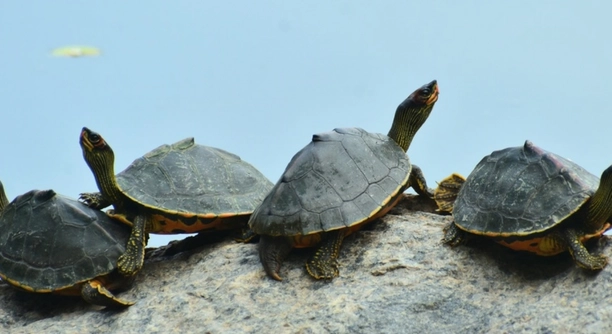
Is your Indian roofed tortoise showing signs of contentment, or do you worry it might be stressed? Understanding your pet’s behavior can help ensure it stays healthy and happy in its environment.
A happy Indian roofed tortoise displays active movement, a good appetite, and normal basking behavior. It will explore its enclosure, respond to its owner, and have smooth, healthy skin. Lack of stress signs, like excessive hiding, also indicates well-being.
From recognizing playful activity to spotting potential issues, learning these key signs can help you provide the best care for your tortoise.
7 Signs Your Indian Roofed Tortoise Is Happy
A healthy and happy tortoise moves around its enclosure with ease. It explores, climbs, and even interacts with its surroundings. If it basks under its heat lamp regularly, this is a good sign that it feels comfortable. A happy tortoise also eats consistently and shows interest in food. Its shell should look smooth, without any signs of flaking or discoloration. Another key sign is normal breathing—no wheezing or excessive yawning. If your tortoise allows handling without stress, this suggests it feels secure. Lastly, a relaxed posture and open eyes indicate it is at ease in its environment.
If your tortoise remains active throughout the day and enjoys its food, these are great indicators of well-being. Lack of stress behaviors, like hiding for long periods, also means it feels safe. Keeping an eye on these signs helps ensure your pet stays happy and healthy.
A tortoise’s happiness depends on its environment, diet, and overall care. Making sure its needs are met will allow it to thrive. Understanding the small details in its behavior can help you create the best possible habitat.
Why a Proper Habitat Matters
A well-designed habitat is essential for your tortoise’s health and happiness. It needs the right temperature, humidity, and space to move freely. Without these conditions, it may become stressed or inactive.
The enclosure should be large enough to allow exploration and exercise. A basking area with proper heat and UVB lighting is necessary for digestion and shell health. The substrate should be comfortable and safe, avoiding materials that could cause impaction. Fresh water should always be available, and a shallow soaking dish helps with hydration. Providing a varied diet with leafy greens, vegetables, and occasional fruits keeps your tortoise healthy. Hiding spots are also important, as they give your tortoise a sense of security. Consistent cleaning of the enclosure prevents bacteria buildup and ensures a safe living space.
A well-maintained habitat not only keeps your tortoise comfortable but also prevents health issues. Small adjustments can make a big difference in its overall well-being.
How Diet Affects Happiness
A balanced diet keeps your tortoise active and in good health. It should include leafy greens, vegetables, and occasional fruits. A poor diet can lead to sluggish behavior, shell problems, and digestive issues, which may indicate your tortoise is not feeling its best.
Leafy greens like dandelion, collard, and mustard greens should make up most of the diet. Vegetables such as squash, carrots, and bell peppers add variety and nutrients. Fruits should only be given occasionally, as too much sugar can cause digestive problems. Calcium is essential for shell strength, so a cuttlebone or calcium supplement is beneficial. A lack of proper nutrition can lead to lethargy, weak bones, and slow growth, making your tortoise appear unhappy or unwell.
Fresh, clean food should always be available. Uneaten food should be removed to prevent spoilage. A varied diet not only improves health but also keeps mealtime engaging for your tortoise.
The Importance of Social Interaction
Tortoises are independent but still benefit from occasional interaction. A tortoise that recognizes its owner and responds to feeding time is showing trust. If it actively explores when you are nearby, this is a good sign of comfort and security.
Handling should be minimal and gentle. Too much handling can cause stress, leading to hiding or refusal to eat. Slow, calm movements help build trust, allowing your tortoise to associate you with safety. If it approaches when you enter the room or follows your movements, this is a strong indicator of contentment. Some tortoises even enjoy gentle shell rubs, but this depends on the individual.
Providing a stimulating environment with hiding spots, different textures, and occasional supervised outdoor time encourages natural behaviors. Creating a stress-free space helps your tortoise feel secure, making social interaction a positive experience.
Signs of Stress in Your Tortoise
Hiding for long periods, refusing food, or becoming less active can indicate stress. Rapid breathing, excessive digging, or trying to escape the enclosure are also signs something is wrong. Stress can lead to health problems if not addressed quickly.
Changes in shell appearance, such as soft spots or discoloration, may be linked to stress-related health issues. If your tortoise becomes aggressive or overly shy, it might be feeling threatened. Adjusting its habitat, diet, or routine can help reduce stress and improve its overall well-being.
The Role of Temperature and Humidity
Proper temperature regulation is essential for digestion, movement, and overall health. A basking spot should be between 85-95°F, while the cooler side of the enclosure should stay around 75°F. Nighttime temperatures should not drop too low, as this can cause sluggishness. Humidity should be maintained at 50-70% to support healthy skin and shell growth. Too much humidity can lead to shell rot, while too little can cause dehydration. A well-balanced environment keeps your tortoise active and comfortable.
Why Enclosure Size Matters
A small enclosure can cause stress and limit movement. A tortoise needs enough space to explore, dig, and bask comfortably. A cramped living area may lead to frustration, inactivity, and even health issues over time. Providing a spacious habitat helps keep your tortoise happy and engaged.
FAQ
How often should I feed my Indian roofed tortoise?
Feed your tortoise once a day with a mix of leafy greens, vegetables, and occasional fruits. Young tortoises may need slightly more frequent feedings, while adults can have a more consistent schedule. Avoid overfeeding, as excess food can lead to weight gain and shell deformities.
What are some signs that my tortoise is sick?
Lethargy, lack of appetite, runny nose, swollen eyes, or unusual shell softness are common signs of illness. If your tortoise has difficulty breathing, moves less than usual, or shows sudden changes in behavior, it may need veterinary attention. Early detection can help prevent serious health issues.
Can my tortoise recognize me?
Tortoises may not recognize faces like dogs or cats, but they can learn to associate you with food and safety. Over time, a happy tortoise may approach you, respond to your voice, or show excitement when you bring food.
Why does my tortoise hide all the time?
Frequent hiding can be a sign of stress, improper temperatures, or an inadequate habitat. Ensure your tortoise has a properly heated basking spot and enough space to move around. If everything in its environment seems right, it may just be naturally shy.
Is it normal for my tortoise to dig?
Yes, digging is a natural behavior. Tortoises dig to regulate their body temperature, find security, or prepare for brumation. If the digging seems excessive, check that the enclosure has proper humidity and hiding spots.
Can my tortoise get lonely?
Tortoises are solitary animals and do not require social interaction with other tortoises. They can live happily alone if their needs are met. Keeping multiple tortoises together can sometimes lead to stress, competition for food, or territorial behavior.
Why does my tortoise stop eating sometimes?
A tortoise may refuse food due to stress, seasonal changes, or improper enclosure conditions. Check that the temperature and humidity are correct. If the lack of appetite continues for several days, it may be a sign of illness and should be addressed.
How much water does my tortoise need?
Fresh water should always be available. A shallow dish is ideal for drinking and occasional soaking. Even though tortoises get hydration from their food, regular access to water helps prevent dehydration and keeps them healthy.
Does my tortoise need UVB light?
Yes, UVB light is essential for calcium absorption and shell health. Without it, a tortoise can develop metabolic bone disease, leading to weak bones and deformities. A UVB bulb should be used for 10-12 hours daily in its enclosure.
Can I take my tortoise outside?
Yes, outdoor time can be beneficial if the temperature is suitable and the area is safe. A secure, enclosed space with shade and hiding spots allows your tortoise to explore naturally. Avoid areas with pesticides, standing water, or potential predators.
Why is my tortoise making noises?
Tortoises are usually quiet, but occasional sounds like hissing or squeaking can happen. Hissing often occurs when they retract into their shell quickly, while squeaking may indicate respiratory issues. If unusual noises are frequent, a vet visit is recommended.
What is brumation, and does my tortoise need it?
Brumation is a hibernation-like state where a tortoise becomes less active during colder months. Indian roofed tortoises do not require brumation, but they may slow down slightly in winter. Keeping their habitat warm and well-lit can help maintain normal activity levels.
Can I handle my tortoise often?
Minimal handling is best. While some tortoises tolerate handling, excessive picking up can cause stress. If you need to handle your tortoise, do so gently and keep interactions brief. Letting it explore on its own is a better way to bond.
How do I know if my tortoise is happy?
A happy tortoise will be active, have a good appetite, bask regularly, and show curiosity about its surroundings. It will explore, respond to food, and exhibit natural behaviors like digging and stretching. If it seems alert and comfortable, it is likely content.
Final Thoughts
Caring for an Indian roofed tortoise requires attention to its diet, habitat, and daily behaviors. A happy tortoise will be active, eat regularly, and bask comfortably under its heat source. If it explores its enclosure and reacts to its surroundings, these are strong signs of well-being. Providing fresh food, clean water, and a spacious environment helps maintain its overall health. Watching for signs of stress, such as excessive hiding or lack of appetite, can prevent potential health issues. A well-cared-for tortoise will display natural behaviors, making it easier to recognize when something is wrong.
A proper enclosure setup plays a major role in your tortoise’s happiness. Temperature, humidity, and UVB lighting must be kept at appropriate levels to support growth and digestion. A varied diet rich in leafy greens and vegetables ensures strong shell development and a healthy immune system. Interaction with its owner, even if limited, can also make a difference. While tortoises do not require companionship, they can recognize routine and feel comfortable in a familiar environment. If your tortoise shows interest in feeding time and moves around its enclosure freely, these are great signs that it feels safe and secure.
Regular observation and care will help you understand your tortoise’s needs over time. Small adjustments in its diet, lighting, or habitat can make a big difference in its well-being. A tortoise that receives proper care will live a long and healthy life, bringing enjoyment for many years. Ensuring a stress-free and well-maintained habitat will keep your tortoise comfortable and active. Paying attention to its behavior, feeding habits, and activity levels will help you create the best possible environment.

Hello,
If you enjoy the content that we create, please consider saying a "Thank You!" by leaving a tip.
Every little bit helps us continue crafting quality advice that supports the health, happiness, and well-being of pets around the world, for pets of all shapes, sizes, and species.
We really appreciate the kindness and support that you show us!