
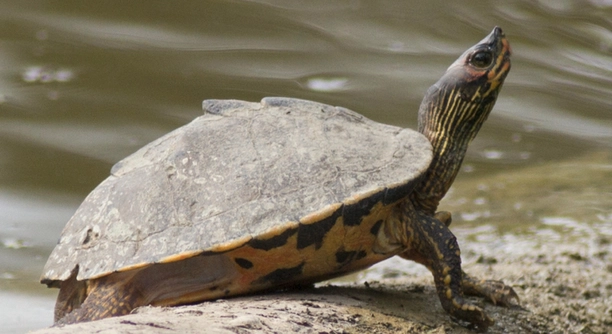
A healthy Indian Roofed Tortoise is active and alert, but sickness can often be subtle. Knowing the signs of illness early helps ensure your pet’s well-being. Monitoring behavior and physical changes is crucial in identifying health issues.
The most common signs of illness in Indian Roofed Tortoises include lethargy, loss of appetite, abnormal breathing, and changes in their shell or skin. Promptly addressing these symptoms can prevent more serious health problems and improve recovery chances.
Taking note of these signs can help you catch potential health issues early and provide your tortoise with the best care possible.
Identifying the Early Signs of Illness
It can be difficult to tell if your Indian Roofed Tortoise is starting to get sick. However, early signs can often be subtle. Changes in behavior, such as reduced activity or less interaction, can indicate something is wrong. A tortoise that normally enjoys basking in the sun might avoid it, or you may notice it spending more time hiding. These can be signs of discomfort or illness, so it’s important to be observant. Additionally, if your tortoise starts eating less or refuses food altogether, it could be an indication of a health issue.
If your tortoise shows signs of lethargy, don’t wait too long to check on it. Sometimes, minor changes in activity level or diet can be early signs of illness, and catching them quickly can make a big difference. Even small changes, like a lack of enthusiasm to roam or explore, should not be ignored.
Be sure to observe the skin and shell for any physical changes as well. This is an area where issues can often be spotted early. Soft or discolored patches on the shell may suggest health concerns, especially if accompanied by other signs like lethargy or reduced appetite. These should prompt a closer inspection, possibly with a vet’s consultation, to rule out any infections or nutritional deficiencies.
Causes of Illness in Indian Roofed Tortoises
There are a variety of factors that can affect your tortoise’s health. Poor diet is one of the most common reasons for sickness. If your tortoise isn’t receiving the right nutrients, it can quickly develop health problems. Insufficient UV light exposure is another issue. Tortoises need direct sunlight or a UVB bulb to metabolize calcium and keep their bones strong. A lack of these elements can result in metabolic bone disease, which weakens their bones and can lead to other serious problems. Lastly, the habitat’s cleanliness and humidity levels play a significant role in their health. Dirty enclosures can lead to infections, while improper humidity can cause respiratory issues.
The conditions your tortoise is kept in can also cause illness. A dirty enclosure with poor ventilation or the wrong temperature and humidity levels can lead to respiratory infections or other illnesses. Make sure the environment is clean, dry, and appropriately heated to prevent these problems.
Proper nutrition, along with a balanced environment, is key to your tortoise’s long-term health. A variety of leafy greens, grasses, and a calcium supplement can help ensure they receive the nutrients they need. Regular exposure to UVB light will help in the absorption of calcium, preventing bone-related illnesses. Make sure the habitat mirrors their natural environment as much as possible, with the right lighting, temperature, and humidity. By taking care of these elements, you reduce the risk of illness and keep your tortoise healthy.
What To Do If Your Tortoise Shows Signs of Sickness
If your tortoise is showing signs of illness, it’s important to act fast. If you notice any of the signs mentioned, take immediate steps to identify the problem. Begin by adjusting the enclosure to ensure the correct temperature and humidity levels. If your tortoise’s environment isn’t the issue, it’s time to focus on its diet. Make sure the food provided is fresh, varied, and rich in nutrients. Adding a calcium supplement can also help, especially if you suspect a deficiency.
If the symptoms persist after adjusting its environment and diet, it’s crucial to consult with a veterinarian. An experienced reptile vet will be able to diagnose the issue and recommend proper treatment. Sometimes, an infection may require antibiotics or other medications to resolve, and delaying treatment can make the problem worse.
In addition to seeking professional help, make sure your tortoise has access to fresh water at all times. Dehydration can make an illness worse and slow recovery. If your tortoise is not drinking, try soaking it in lukewarm water for a few minutes to encourage hydration. Keep a close eye on its condition, and be ready to take further action if the symptoms worsen. Prompt attention and treatment can help your tortoise recover quickly and get back to its healthy self.
Maintaining Proper Temperature and Humidity Levels
Proper temperature and humidity levels are essential for your tortoise’s health. Tortoises are cold-blooded and rely on their environment to regulate body temperature. If the temperature drops too low or is too high, it can cause stress and weaken their immune system. Similarly, improper humidity levels can lead to dehydration or respiratory issues.
Ensure your tortoise’s habitat has a temperature gradient with warm and cooler areas. This allows your tortoise to regulate its body temperature. The warm side should range between 85-90°F, while the cooler side should be around 70°F. A basking spot should reach around 95°F. Humidity should be maintained at around 50-70%. This can be controlled with a humidity gauge, and adding a shallow water dish can help keep the air moist.
Excessive humidity can cause respiratory issues, and if too low, it can lead to dehydration. You should adjust the humidity levels based on the species of tortoise and its needs. If your tortoise is not feeling well, check the environment first and adjust it before seeking other causes. A proper, stable environment will go a long way in keeping your tortoise healthy.
Choosing the Right Diet for Your Tortoise
Feeding your tortoise a balanced diet is critical to its health. A varied diet, rich in nutrients, ensures your tortoise remains strong and avoids deficiency-related illnesses. The main component of your tortoise’s diet should be leafy greens, grasses, and flowers. Avoid feeding it high-protein foods like meat or too many fruits. Overfeeding fruits can cause obesity and health problems.
Leafy greens such as dandelion greens, collard greens, and mustard greens provide essential nutrients like fiber, calcium, and vitamins. Avoid spinach or lettuce, as they have low nutritional value for tortoises. Along with greens, you can offer flowers like hibiscus or clover to mimic their natural diet. Also, provide a calcium supplement regularly to help maintain shell health and bone strength.
It’s important to offer a variety of foods to prevent dietary imbalances. Tortoises require a significant amount of fiber to aid digestion and prevent constipation. Be sure to feed your tortoise fresh, pesticide-free plants and avoid overfeeding to prevent weight gain. Keep an eye on the amount of food you’re providing, as tortoises can be prone to obesity if they eat too much. Regular diet adjustments may be needed to accommodate the tortoise’s age and activity level.
Checking for Shell and Skin Issues
A healthy tortoise has a hard, smooth shell. Any softness, cracks, or discoloration should be examined immediately. An unhealthy shell can indicate problems like infections, metabolic bone disease, or poor diet. If you notice any unusual signs, take action quickly.
Skin problems can also be a sign of illness. Look out for abnormal shedding, sores, or blisters. These could indicate fungal infections, parasites, or vitamin deficiencies. Keep the enclosure clean to reduce the risk of skin issues, as dirty conditions can lead to infections.
Monitoring Activity and Behavior
Your tortoise’s behavior is a key indicator of its health. If your tortoise suddenly becomes less active or stops moving altogether, it may be a sign of illness. Changes in its movement could be linked to discomfort, injury, or metabolic issues.
Tortoises that are typically active but suddenly retreat into their shells or remain lethargic might be unwell. Loss of appetite can follow, and a lack of enthusiasm for their usual routines may signal something’s wrong. Consistent monitoring of activity can help catch problems early before they worsen.
Seeking Veterinary Care
If you’ve observed concerning signs, it’s best to consult with a veterinarian. Reptile veterinarians are trained to diagnose and treat illnesses specific to tortoises. They can perform physical exams, blood tests, and X-rays if necessary.
Don’t wait for symptoms to worsen, as early detection leads to better outcomes.
FAQ
How can I tell if my Indian Roofed Tortoise is sick?
A sick tortoise will often show signs of lethargy, loss of appetite, or changes in behavior. If your tortoise is unusually inactive, refusing food, or hiding in its shell more than usual, it could be a sign of illness. Additionally, watch for any shell damage, such as cracks, softness, or unusual discoloration, which may indicate infections or metabolic issues.
What should I do if my tortoise refuses to eat?
Loss of appetite can be a sign of stress, illness, or environmental issues. If your tortoise stops eating, first check the temperature and humidity levels in its habitat. Improper conditions can cause your tortoise to refuse food. If the environment is correct and your tortoise still isn’t eating, it may be a health issue. In that case, a veterinarian visit is recommended.
Is it normal for my tortoise to sleep a lot?
Yes, it’s normal for tortoises to sleep, especially during the night or when they’re feeling stressed. However, excessive sleeping, especially during the day, could signal a health issue. If your tortoise isn’t moving much or seems overly tired, check for other symptoms such as changes in appetite or shell condition.
How often should I feed my Indian Roofed Tortoise?
Indian Roofed Tortoises should be fed daily with a variety of fresh vegetables, grasses, and leafy greens. You can provide a variety of foods to prevent dietary imbalances. Make sure to avoid high-protein foods and offer calcium supplements regularly for healthy bones and shell.
What is the best environment for an Indian Roofed Tortoise?
Your tortoise’s habitat should include both a warm and a cool area, with a temperature gradient between 70-95°F. The warm side allows your tortoise to bask, while the cooler side provides a place for it to retreat when needed. Humidity should be kept at 50-70%. Make sure there’s also a shallow water dish for hydration.
Can I keep multiple tortoises together?
Indian Roofed Tortoises can generally be kept together if they are properly introduced, but it depends on the individual tortoises’ personalities. Some may get along, while others may be territorial. Make sure to monitor them closely for signs of aggression or stress and provide ample space for each tortoise.
How do I know if my tortoise is dehydrated?
Signs of dehydration in tortoises include a lack of appetite, dry skin, sunken eyes, or abnormal behavior. You can help your tortoise by soaking it in shallow, warm water for about 20-30 minutes. Ensure the enclosure has access to fresh water at all times to prevent dehydration.
How can I maintain the right humidity for my tortoise?
To keep the humidity levels within the required range, you can place a shallow water dish inside the enclosure and regularly mist the habitat with water. Use a hygrometer to monitor the humidity levels, adjusting as needed to maintain a range of 50-70%.
What should I do if my tortoise’s shell is soft or cracked?
If your tortoise’s shell appears soft or cracked, it’s crucial to address it quickly. A soft shell may indicate a calcium deficiency or metabolic bone disease, while cracks could result from injury or a poor diet. Consult a vet to determine the cause and get treatment options.
How can I prevent my tortoise from getting sick?
The best way to prevent illness is to maintain a clean, properly regulated environment and provide a balanced diet. Regularly monitor your tortoise’s behavior, activity, and diet. Ensure that the temperature and humidity in the habitat are consistent, and always provide fresh, pesticide-free plants.
Is it necessary to give my tortoise supplements?
Yes, supplements like calcium are necessary to ensure healthy bone development and shell integrity. Tortoises often require calcium supplements, especially if they are not getting enough from their diet. Dusting their food with calcium powder and offering a cuttlebone can be beneficial.
What should I do if my tortoise has respiratory problems?
Respiratory issues, such as wheezing or nasal discharge, can indicate a respiratory infection, often caused by improper humidity or temperature. If you notice these symptoms, it’s important to seek immediate veterinary care, as respiratory infections can be serious and require medication or other treatments.
How do I keep my tortoise’s habitat clean?
To keep the habitat clean, spot clean the enclosure daily by removing uneaten food, feces, and any waste. A deep cleaning of the entire habitat should be done every few weeks. Wash all surfaces with a reptile-safe disinfectant to prevent the buildup of harmful bacteria.
Can I take my tortoise outside?
Yes, you can take your tortoise outside for some natural sunlight and exercise, but only under safe conditions. Make sure the area is enclosed to prevent escape and free from predators. Always supervise your tortoise to ensure it doesn’t get too hot or cold, and bring it back inside when necessary.
How do I handle a sick tortoise?
Handling a sick tortoise should be done with care to minimize stress. Avoid overhandling and only pick it up when necessary. Make sure the environment is suitable for its recovery. Consult a veterinarian for proper diagnosis and treatment to ensure your tortoise gets the best care possible.
Can tortoises get worms or parasites?
Yes, tortoises can suffer from internal parasites such as worms, which can cause weight loss, lethargy, and diarrhea. If you suspect your tortoise has parasites, take it to a vet for a stool sample test and follow any prescribed treatment. Regular vet visits can help prevent and treat parasitic infections.
Final Thoughts
Taking care of an Indian Roofed Tortoise requires attention to detail and a commitment to providing the best environment for their well-being. By keeping an eye on their activity, behavior, and physical appearance, you can catch any potential health problems early. Regularly checking for signs of illness, such as changes in appetite, shell condition, or behavior, is essential in ensuring your tortoise remains healthy. Providing the right diet, clean living conditions, and proper humidity levels can go a long way in preventing illness. The earlier you detect any issues, the easier it will be to address them.
Maintaining a stable environment is crucial for the health of your tortoise. Indian Roofed Tortoises thrive in environments where the temperature and humidity levels are properly regulated. An enclosure with a warm and cool area, access to fresh water, and regular cleaning will help prevent diseases and infections. Additionally, a balanced diet rich in fresh vegetables and occasional calcium supplements will help your tortoise stay strong and healthy. Make sure to avoid overfeeding or offering foods that are harmful to them. A well-rounded care routine will keep your tortoise happy and active.
Remember, if your tortoise shows any unusual behavior or signs of illness, don’t hesitate to seek professional help. A reptile veterinarian will have the knowledge and experience to diagnose and treat your tortoise effectively. While it’s essential to be proactive in monitoring their health, it’s equally important to provide a stress-free and comfortable environment. By staying vigilant, following the right care guidelines, and getting help when necessary, your Indian Roofed Tortoise can live a long and healthy life.

Hello,
If you enjoy the content that we create, please consider saying a "Thank You!" by leaving a tip.
Every little bit helps us continue crafting quality advice that supports the health, happiness, and well-being of pets around the world, for pets of all shapes, sizes, and species.
We really appreciate the kindness and support that you show us!