
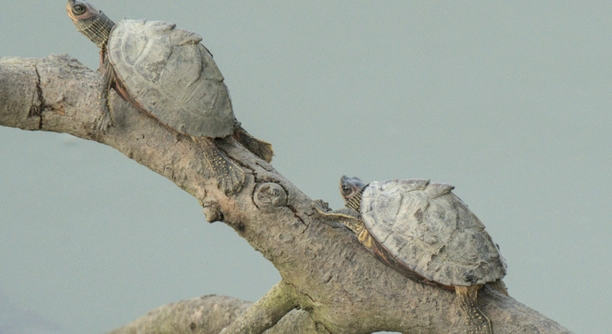
Is your Indian Roofed Tortoise getting the right amount of protein in its diet? Protein is essential for its growth, shell development, and overall health. It’s important to understand how to assess its nutritional needs to ensure a balanced diet.
The main indicator of an Indian Roofed Tortoise getting enough protein is its growth, shell condition, and activity levels. Healthy tortoises exhibit strong, well-formed shells and consistent movement. If these aspects are lacking, dietary adjustments may be needed.
Proper protein intake is essential for your tortoise’s health. Understanding its needs will help you maintain a balanced diet and keep it thriving.
How to Identify Protein Deficiency in Your Indian Roofed Tortoise
A lack of protein can affect your tortoise in several ways. Protein is vital for the development of its shell, muscles, and overall well-being. If your tortoise’s diet lacks sufficient protein, you may notice stunted growth or a weakened shell. You might also observe a decrease in its activity or appetite. These signs can be early indicators of protein deficiency, and it’s crucial to address them as soon as possible. Regular monitoring of your tortoise’s behavior and physical condition will help you keep track of its nutritional needs.
It’s important to observe how well your tortoise is eating and growing. A healthy tortoise should show consistent growth, a strong shell, and active behavior. Any signs of slow growth or shell deformities suggest a need to adjust its protein intake.
If you notice any of these changes, consider modifying your tortoise’s diet to provide more protein-rich foods, such as insects, leafy greens, or specialized tortoise pellets. Ensuring a balanced diet will help prevent further health issues.
Protein-Rich Foods for Your Tortoise
For an Indian Roofed Tortoise, a diet high in protein supports healthy growth and shell development. Focus on offering animal-based protein sources, such as worms, crickets, or small pieces of cooked meat. You can also provide plant-based proteins found in leafy greens, legumes, and certain fruits. These natural sources will boost protein levels in your tortoise’s diet, contributing to its overall health.
It’s essential to avoid feeding your tortoise too much protein, as an excess can cause other health problems, such as kidney stress. A balanced diet ensures proper protein levels without overloading its system. Consider consulting with a reptile nutrition expert to create the right feeding plan. Keeping a proper balance of protein with fiber and calcium will ensure your tortoise’s shell grows strong and its immune system stays healthy.
The Role of Protein in Shell Development
Protein plays a key role in developing a strong, healthy shell for your tortoise. Without enough protein, the shell can become weak or malformed. Ensuring your tortoise gets enough protein supports proper shell growth and overall structural integrity.
When protein levels are sufficient, your tortoise’s shell will grow at a steady, uniform pace. A protein deficiency can result in soft spots or a misshapen shell. The shell is made of keratin, which requires protein to develop properly. If you notice irregularities in shell growth or texture, it’s a sign that protein intake might need to be increased.
A lack of protein can also slow down the rate of growth for young tortoises. This can delay their development and make them more susceptible to health issues. Adjusting the diet can help boost growth and prevent complications with the shell’s formation.
How to Properly Supplement Protein
Supplementing protein can be a useful way to ensure your tortoise gets enough. While it’s essential to offer a variety of foods, some tortoises may need extra protein, especially during growth stages.
To supplement protein, you can offer insects like crickets, mealworms, or earthworms. These are easy to find and provide a high-quality protein source. If you’re looking for plant-based options, leafy greens like dandelion greens, kale, and collard greens also contain protein. However, keep in mind that animal-based proteins are typically higher in quality and easier for your tortoise to digest.
The amount of protein needed will vary depending on the age and size of your tortoise. Hatchlings and juvenile tortoises have higher protein requirements compared to adults. As they mature, their diet should shift more toward high-fiber, lower-protein foods like grass and hay, which are vital for their digestion.
Signs of Overfeeding Protein
Too much protein can harm your tortoise’s health. If you notice excessive growth, lethargy, or an increase in kidney problems, it may be a sign of overfeeding. Protein overload can lead to long-term damage if not corrected.
Excess protein can also cause digestive issues. Your tortoise might experience soft stools or bloating. It’s important to balance the protein intake with fiber and calcium. A diet too rich in protein can stress the kidneys and lead to dehydration. Moderation is key to keeping your tortoise healthy and preventing overfeeding.
Monitoring Your Tortoise’s Health
Regular health checks are essential in ensuring your tortoise is receiving the right amount of protein. Keep an eye on its growth, shell development, and overall activity. If your tortoise seems sluggish or has trouble moving, a dietary adjustment may be needed.
Make sure to track feeding habits. Overfeeding can be just as harmful as underfeeding, so find the right balance. By providing a variety of proteins, your tortoise will get all the necessary nutrients it needs for healthy growth. Ensure it’s eating a range of foods, not just one type of protein.
Adjusting Diet Based on Age
Protein needs change over time. Younger tortoises require more protein to support growth, while adults need less. As your tortoise matures, shift its diet to include more fiber and fewer high-protein foods. This helps prevent excess protein from stressing the kidneys.
FAQ
How much protein does my Indian Roofed Tortoise need?
The amount of protein needed depends on your tortoise’s age and size. Hatchlings and juvenile tortoises need more protein to support rapid growth and shell development. As a general guide, their diet should consist of about 20-30% protein. Adults, however, require less protein, around 10-15%, since their growth has slowed down and their focus shifts to maintaining overall health. Too much protein can lead to kidney issues or overgrowth, so it’s important to adjust the protein levels accordingly.
Can I feed my Indian Roofed Tortoise only plant-based protein?
Yes, you can feed your tortoise plant-based protein, but it should be balanced with other nutrients. Plant sources like leafy greens, legumes, and certain fruits can provide protein, but they may lack the essential amino acids found in animal-based proteins. For optimal health, try to offer both plant and animal-based proteins in moderation. It’s also important to ensure the plant-based proteins come from diverse sources to meet your tortoise’s nutritional needs.
What are the best protein sources for my tortoise?
Animal-based proteins like crickets, mealworms, and earthworms are excellent sources of protein for your tortoise. These are easily digestible and provide a complete amino acid profile. Plant-based sources such as dandelion greens, kale, and clover also provide protein, though they may not be as nutritionally rich as insects. Offering a mix of both will provide the most balanced diet for your tortoise.
Can I overfeed protein to my Indian Roofed Tortoise?
Yes, overfeeding protein can lead to health issues like kidney damage, shell deformities, and digestive problems. A high-protein diet, especially over a long period, can stress the kidneys and lead to dehydration. Always balance protein with fiber and calcium-rich foods, such as grasses and hay, to ensure a healthy, well-rounded diet. Overfeeding can also result in lethargy or difficulty moving, as the body struggles to process excess protein.
What signs should I look for if my tortoise is not getting enough protein?
If your tortoise is not getting enough protein, you might notice stunted growth or a weakened shell. The shell may appear soft or uneven, and the tortoise may become lethargic, with less appetite. Growth will likely slow down, and you may see the tortoise being less active than usual. If these signs persist, it’s time to review its diet and ensure it’s getting enough protein to meet its needs.
How can I tell if my tortoise is getting too much protein?
Signs of too much protein include excessive growth or weight gain, lethargy, or difficulty moving. Your tortoise may also become more aggressive or appear bloated. Over time, high protein intake can strain the kidneys, causing dehydration and poor digestion. If your tortoise shows any of these signs, reduce the amount of protein in its diet and focus on offering more fiber and calcium.
Is it safe to feed my tortoise commercial protein pellets?
Commercial protein pellets can be a good source of protein for your tortoise when used in moderation. However, it’s important to check the ingredients list to ensure that they contain high-quality protein sources and do not have excess fillers or artificial additives. While pellets can supplement a natural diet, they shouldn’t be the sole source of nutrition. Fresh vegetables, greens, and occasional insects should make up the bulk of your tortoise’s diet.
Can I feed my tortoise high-protein foods every day?
No, high-protein foods should not be fed to your tortoise every day. A well-balanced diet is key to its health. Protein should be offered in moderation, with a variety of other foods like leafy greens, grasses, and fiber-rich vegetables to balance out the diet. Excessive protein can lead to health issues, so aim for a balanced feeding schedule.
Are there any fruits that are good protein sources for my tortoise?
While fruits are generally not high in protein, some can provide small amounts of protein while offering other essential vitamins and minerals. Examples of fruits like figs, strawberries, and blackberries contain minimal protein but can be added occasionally to enrich the tortoise’s diet. However, fruits should only be a small part of the diet, with protein primarily coming from greens, insects, or specialized pellets.
What can I do if my tortoise isn’t eating enough protein?
If your tortoise isn’t eating enough protein, try offering a variety of foods to increase its interest. Try feeding different types of insects, or offer higher-protein leafy greens like kale or dandelion greens. You can also provide finely chopped hard-boiled eggs or small pieces of cooked chicken for a protein boost. If your tortoise continues to refuse protein-rich foods, it may be helpful to consult with a reptile veterinarian to rule out any underlying health issues.
Can I give my tortoise protein supplements?
Protein supplements are generally unnecessary if you are providing a varied and balanced diet. However, in cases where your tortoise is not eating well or requires additional support during growth phases, a veterinarian might recommend specific protein supplements. It’s important to only use these supplements under veterinary guidance, as over-supplementing can cause harm. A varied diet should be your primary method for ensuring your tortoise gets enough protein.
How do I prevent protein deficiency in my tortoise?
To prevent protein deficiency, feed your tortoise a balanced diet with a mix of animal-based proteins (insects, worms) and plant-based proteins (leafy greens, legumes). Monitor its growth and health regularly, and adjust the diet as needed. Offer protein-rich foods regularly, but in moderation, and always combine them with fiber and calcium-rich vegetables. A varied diet ensures that all nutritional needs are met.
Final Thoughts
Providing the right amount of protein for your Indian Roofed Tortoise is crucial for its overall health and growth. Too little protein can result in slow development and weak shells, while too much can lead to kidney damage and other health issues. It’s essential to find a balance that meets the specific needs of your tortoise based on its age, size, and activity level. This requires offering a variety of foods, including both animal-based and plant-based protein sources, to ensure the diet is well-rounded. A good rule of thumb is to aim for about 20-30% protein for younger tortoises and 10-15% for adults.
It’s also important to remember that protein is only one part of your tortoise’s diet. A healthy diet should include plenty of fiber, vitamins, and minerals, which are vital for proper digestion, shell health, and overall well-being. Leafy greens, grasses, and calcium-rich vegetables should make up the majority of your tortoise’s food intake. Protein should be offered in moderation, as excess protein can have negative effects. Keeping a balanced diet will help maintain your tortoise’s health and prevent any potential health issues related to nutrition.
Monitoring your tortoise’s growth and behavior can also help you assess if its diet is meeting its needs. If you notice signs like stunted growth, lethargy, or shell deformities, it may be time to review its diet and ensure it’s getting the right amount of protein. Regular check-ups with a reptile vet can also be beneficial to ensure your tortoise is on track. With the right care and diet, your Indian Roofed Tortoise can thrive and enjoy a long, healthy life.

Hello,
If you enjoy the content that we create, please consider saying a "Thank You!" by leaving a tip.
Every little bit helps us continue crafting quality advice that supports the health, happiness, and well-being of pets around the world, for pets of all shapes, sizes, and species.
We really appreciate the kindness and support that you show us!