
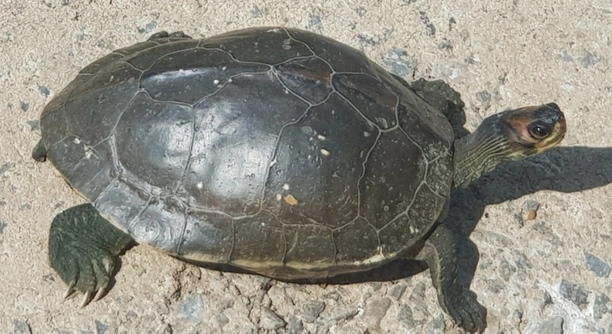
Is your Indian Roofed Tortoise acting differently than usual? It’s important to recognize when your pet may be stressed, as stress can affect their health and well-being. Understanding the signs early can help prevent long-term issues.
Stress in Indian Roofed Tortoises can be identified by changes in behavior, appetite, or activity levels. They may also show signs such as hiding more frequently, pacing, or displaying defensive behavior. Monitoring these signs closely is essential for proper care.
Recognizing stress early can make a significant difference in your tortoise’s health. Knowing what to look for is the first step to providing the best care for your pet.
Signs Your Indian Roofed Tortoise May Be Stressed
Stress can show itself in many forms with your Indian Roofed Tortoise. One common sign is when they stop eating or reduce their food intake. If your tortoise seems to be eating less than usual, it could be a response to a stressful environment. Another sign is a noticeable change in activity levels. Tortoises are usually quite active, so if your pet seems to be staying hidden in their shell more often or becoming lethargic, stress might be the cause.
It’s important to monitor changes like these, as they can indicate an underlying problem.
When your tortoise starts behaving differently, try to identify potential triggers. This could include sudden temperature changes, new surroundings, or even being handled too much. Stress can also occur from overcrowding in their habitat or improper lighting. Make sure their environment is calm and stable, allowing them to feel safe and secure.
How to Manage Stress in Your Tortoise
If you notice your tortoise is stressed, start by checking its habitat. Ensure that the temperature and humidity are within the correct ranges. A stressed tortoise might try to escape from uncomfortable conditions.
Proper care and setting a calm environment are key. Keep your tortoise in a quiet, undisturbed place. They need space to move around and avoid feeling cramped. You should also be cautious with handling. Too much interaction can overwhelm your tortoise. Allow them time to adjust to new surroundings slowly to minimize stress.
Temperature and Humidity Issues
Improper temperature or humidity can easily stress your Indian Roofed Tortoise. They need a warm environment to thrive, but too much heat can cause discomfort. Too little warmth can make them sluggish and unresponsive.
Ensure the warm side of the habitat is around 85-90°F, while the cooler side is around 75°F. Additionally, humidity levels should be kept between 50-60%. This balance is crucial for their health and comfort. Consider adding a humidity gauge to your setup to monitor the levels accurately. If the air is too dry or too humid, stress can build up over time.
You can also use a misting system or humidifier to maintain the right moisture levels. Regularly check the temperature with a reliable thermometer. If your tortoise seems to be hiding more than usual or is less active, it may be a sign that the temperature isn’t ideal. Consistently maintaining the right environment helps your tortoise stay relaxed and healthy.
Proper Lighting and UVB Requirements
Indian Roofed Tortoises require proper lighting to stay healthy. UVB light is essential for their ability to process calcium and avoid shell deformities. Without UVB, they may become weak and stressed.
Provide a UVB light source that is on for 10-12 hours a day. This helps mimic the natural cycle of day and night, keeping your tortoise’s internal clock in check. Without it, they might become lethargic and more likely to hide. UVB bulbs should be replaced regularly, as their effectiveness diminishes over time.
In addition to UVB, a heat lamp should also be used to maintain the necessary temperatures in their habitat. A combination of proper lighting and warmth helps keep your tortoise stress-free and healthy.
Handling and Interaction
Excessive handling can cause stress for your tortoise. It’s important to limit the amount of time you handle them, especially if they seem agitated or retreat into their shell. Always let them come to you.
If your tortoise appears stressed when picked up, allow them time to adjust to their surroundings. Be gentle and slow in your movements to avoid startling them. Avoid handling your tortoise when they’re eating or basking, as these are times they need to feel secure.
Let your tortoise set the pace for interaction, and be sure to respect their space. Avoid forcing them into situations where they may feel trapped or threatened. Allowing your tortoise time to settle in their environment is key for a stress-free experience.
Socialization with Other Tortoises
While Indian Roofed Tortoises can tolerate the presence of other tortoises, overcrowding can lead to stress. If they feel crowded, they may become territorial and aggressive.
Provide enough space for each tortoise to establish its own territory. If you have multiple tortoises, ensure that they each have a designated area where they can retreat for privacy. Keep an eye on their interactions, and separate them if aggression occurs. This helps reduce tension and promotes a calm environment.
Stress from Environmental Changes
Moving your tortoise to a new environment can cause stress. Tortoises need time to adjust to unfamiliar places, and sudden changes can make them feel unsafe.
Introduce your tortoise to new spaces slowly. Ensure the new environment mimics the conditions of their original habitat. Changes in substrate or objects in their enclosure can also lead to stress. Allow them time to explore and get comfortable.
FAQ
How can I tell if my tortoise is stressed?
Stress in Indian Roofed Tortoises can show through changes in behavior. If your tortoise becomes unusually inactive, hides more often, or stops eating, these can be signs of stress. Other signs include pacing, excessive scratching at the walls of their enclosure, or a defensive posture when approached. Watch for any sudden changes, as they often signal that something in their environment is causing discomfort.
What are the main causes of stress for my tortoise?
There are several causes of stress for tortoises. Changes in temperature and humidity are common stress triggers. Poor lighting, especially the absence of UVB light, can also lead to stress and health issues. Overcrowding, excessive handling, or sudden environmental changes can make them feel unsafe. Tortoises thrive in stable, quiet environments, so disruptions to their routine can easily lead to stress.
Can stress affect my tortoise’s health?
Yes, prolonged stress can negatively affect your tortoise’s health. It can lead to a weakened immune system, making them more susceptible to illness. Stress may also result in loss of appetite and dehydration, which can cause weight loss and malnutrition. In extreme cases, it can even lead to shell deformities due to a lack of calcium absorption. Managing stress is essential to ensure your tortoise remains healthy and active.
How do I create a stress-free environment for my tortoise?
To create a stress-free environment, make sure your tortoise’s habitat is quiet, stable, and secure. Provide the right temperature range with a warm side of 85-90°F and a cooler side of 75°F. Ensure proper humidity levels between 50-60%. Place your tortoise in an area where they can feel safe and not be disturbed frequently. Use appropriate UVB lighting to support their health and avoid overcrowding in the enclosure. This way, your tortoise can thrive without stress.
Is it normal for my tortoise to hide in its shell?
Yes, it’s normal for your tortoise to hide in its shell, especially when it feels threatened, stressed, or when it’s trying to sleep. However, if your tortoise is hiding for prolonged periods or becomes overly withdrawn, this could be a sign of stress or discomfort. Make sure the enclosure is set up correctly and that they have time to adjust to their surroundings.
How can I reduce handling to avoid stress?
Limit handling to when absolutely necessary, especially if your tortoise seems uncomfortable. When handling, be gentle and slow, allowing the tortoise to come to you. Avoid picking them up during eating, basking, or when they seem unsettled. If your tortoise is new, give it time to adjust to its environment before introducing too much interaction.
What should I do if my tortoise refuses to eat?
If your tortoise refuses food, first check the temperature, humidity, and lighting in the enclosure. Stress can cause loss of appetite, so make sure the environment is ideal. You can try offering fresh food or changing the food variety to see if that helps. If they continue to refuse food, a vet visit may be necessary to rule out health issues.
Can I keep multiple tortoises together in one enclosure?
Yes, but be cautious. Overcrowding can lead to stress, territorial disputes, and aggression. If you do keep multiple tortoises, ensure the enclosure is spacious enough for each one to have its own space. Observe their interactions, and separate them if they show signs of aggression or stress. Providing plenty of hiding spots can help reduce tension between them.
What should I do if my tortoise is overly aggressive?
Aggression in tortoises is often a sign of stress, territorial behavior, or feeling threatened. Ensure your tortoise has enough space and that its environment is calm. If aggression continues, try separating it from other tortoises. Avoid excessive handling, and ensure that the lighting and temperature are optimal to reduce discomfort.
How can I tell if the lighting is adequate for my tortoise?
Your tortoise needs both UVA and UVB lighting. UVA helps regulate their natural circadian rhythm, while UVB light allows them to absorb calcium and avoid shell deformities. Ensure that the UVB light is placed at the correct distance and replaced every 6-12 months. Check that the basking spot reaches 85-90°F, and the cooler side of the enclosure stays around 75°F. If your tortoise is showing signs of lethargy or shell issues, it could be a sign that the lighting isn’t adequate.
What is the best substrate for an Indian Roofed Tortoise?
A good substrate should be absorbent, easy to clean, and mimic their natural environment. Options like coconut coir, organic soil, or a mixture of sand and soil work well. Avoid using pine or cedar shavings, as they can cause respiratory issues. Ensure the substrate is deep enough to allow your tortoise to dig and burrow if it chooses to.
How do I deal with stress caused by relocation?
Relocating can cause stress to your tortoise, so it’s important to set up the new environment as similarly as possible to their old one. Provide familiar objects, such as rocks or plants, to help them adjust. Give your tortoise time to explore and settle into the new space without interference. Avoid handling too much during the adjustment period, and monitor for signs of stress as they acclimate.
Final Thoughts
Understanding the signs of stress in your Indian Roofed Tortoise is crucial for keeping it healthy and happy. Tortoises are sensitive creatures, and small changes in their environment can cause significant stress. By paying attention to their behavior, such as changes in eating habits or activity levels, you can spot stress early and make necessary adjustments. It’s important to remember that stress doesn’t just affect your tortoise’s mood but can also have long-term effects on its health. Proper care and a stable environment are key to preventing stress and promoting a long, healthy life for your pet.
Creating the right environment for your tortoise is one of the best ways to prevent stress. Ensure that its enclosure has the correct temperature and humidity levels, as well as proper UVB lighting. These factors help mimic the tortoise’s natural habitat and allow it to thrive. Additionally, avoid overcrowding and excessive handling, as both can lead to stress. Keep your tortoise’s space quiet, clean, and free of sudden changes. This helps your pet feel secure and reduces the chances of stress-related issues. Consistent care and attention to detail will make a significant difference in your tortoise’s well-being.
By taking the time to understand your tortoise’s needs and behavior, you can ensure that it remains stress-free. If you notice signs of stress, take immediate action to identify the cause and address it. Whether it’s adjusting the habitat, changing feeding practices, or reducing handling, every step you take will help your tortoise feel more comfortable. Regularly monitoring its health and environment will make a big impact in preventing future stress. With patience and care, your tortoise will have the best chance at a happy and healthy life.

Hello,
If you enjoy the content that we create, please consider saying a "Thank You!" by leaving a tip.
Every little bit helps us continue crafting quality advice that supports the health, happiness, and well-being of pets around the world, for pets of all shapes, sizes, and species.
We really appreciate the kindness and support that you show us!