
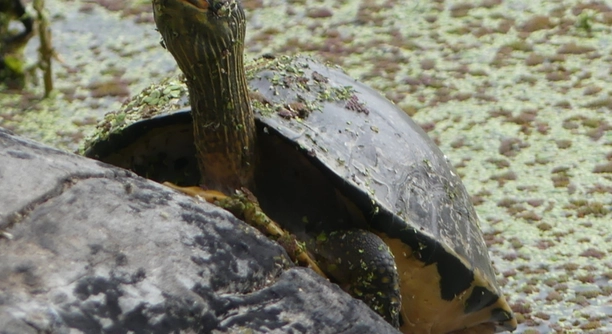
Is your Indian Roofed Tortoise acting a little sluggish or distant? Understanding your tortoise’s behavior is key to ensuring its well-being. Sometimes, they may not be as lively as you’d expect, and boredom could be the cause.
Boredom in Indian Roofed Tortoises often manifests as inactivity, disinterest in food, or unusual behaviors. They require mental and physical stimulation to stay healthy, and a lack of these can lead to a bored tortoise.
If you want to keep your tortoise active and engaged, there are simple ways to address their needs. This article will guide you through understanding what may be causing the boredom and how to improve their environment.
Signs of Boredom in Indian Roofed Tortoises
When an Indian Roofed Tortoise is bored, it often shows a lack of interest in its surroundings. You may notice that it spends long hours in one spot, not moving around as much as usual. This inactivity is a common sign that your tortoise might not be getting enough stimulation. Another sign is a lack of appetite. If your tortoise isn’t interested in its food, it could be a sign that something isn’t right with its environment. Pay attention to its behavior. If it seems disoriented or lethargic, boredom could be the cause.
Boredom can also lead to your tortoise becoming more anxious or defensive. They might become easily startled or retreat into their shell more frequently. It’s important to watch for changes in behavior and address them promptly.
Indian Roofed Tortoises are naturally active and curious animals. In their natural habitat, they would spend their days foraging, exploring, and interacting with other animals. Without enough space or activities, they can become restless. Offering a variety of enriching environments, such as rocks to climb on or areas to burrow, can help. Providing new experiences will stimulate their minds and help prevent boredom.
How to Prevent Boredom in Your Tortoise
The best way to prevent boredom is by making sure your tortoise has enough to do. Create an enriching habitat with hiding spots, areas to climb, and various textures like sand, rocks, and plants.
To keep things interesting, rotate toys and objects to offer new challenges. Tortoises enjoy having to explore and engage with their surroundings. You can also try changing up their diet or offering food in different ways to encourage natural foraging behavior. This keeps them mentally active.
Tortoises also enjoy having space to roam, so make sure their enclosure is large enough to allow exploration. A small, cramped space will quickly lead to frustration and boredom. Consider letting them roam in a safe outdoor area for some time each day. Changing their routine and providing mental stimulation will keep them happy and active.
The Role of Diet in Preventing Boredom
A proper diet can have a significant impact on your tortoise’s activity level. If their food lacks variety, they might lose interest in eating altogether. Offering different types of fresh vegetables, leafy greens, and occasional fruits can help keep things exciting.
Tortoises also enjoy foraging for food. Hiding pieces of their favorite food around their enclosure can encourage natural searching behavior, which can keep them mentally engaged. It’s essential to avoid feeding the same types of food repeatedly. Variety is key in maintaining their interest in meals, and it also ensures they get the nutrients they need.
Be mindful of their portion sizes, as overeating can lead to lethargy, which might be mistaken for boredom. Proper feeding habits, paired with diverse food options, will help in preventing boredom and keeping your tortoise healthy.
Creating a Stimulating Environment
Tortoises are natural explorers. Providing different textures in their habitat, like rocks, branches, and logs, will give them areas to climb and explore. This physical activity prevents boredom and promotes better overall health.
A large, well-structured enclosure is essential. Avoid overcrowding it with too many items. Instead, create a balance between space and structures, allowing your tortoise to explore comfortably. Adding a small pool of water can also be beneficial, as it mimics a more natural environment and provides another way for them to engage with their surroundings.
Consider adding plants or small shrubs that your tortoise can nibble on. Just make sure any plants are safe and non-toxic. These small additions can greatly improve their quality of life.
Social Interaction and Mental Stimulation
Indian Roofed Tortoises are solitary by nature, but they still benefit from interaction. Handling them occasionally or letting them roam in a safe space can give them the attention they need. However, avoid excessive handling as it can cause stress.
You can also try placing your tortoise in a different environment now and then. Moving them from one safe area to another can provide new sights and smells, stimulating their curiosity. It can help break the monotony of their usual surroundings and prevent them from becoming bored.
Regular Enclosure Changes
Changing the layout of your tortoise’s enclosure regularly can prevent them from getting bored. Rearranging objects or adding new ones keeps their environment fresh and exciting. This encourages exploration and curiosity.
Small changes can make a big difference, like introducing new climbing structures or shifting the placement of food and water bowls. These adjustments give your tortoise something to focus on, making their habitat more engaging and less predictable.
Environmental Enrichment Through Natural Light
Access to natural light is crucial for your tortoise’s health. It not only helps them maintain proper body temperature but also provides the necessary UVB rays for their shell and bone development. It also keeps them more active.
If possible, set up their enclosure near a window where they can enjoy natural sunlight. This can make a noticeable difference in their behavior and energy levels. Ensure they have a shady spot to retreat to when they need to cool down.
FAQ
What is the ideal enclosure size for an Indian Roofed Tortoise?
The ideal size for an Indian Roofed Tortoise’s enclosure should be at least 40 square feet if kept outdoors. For indoor setups, aim for a space of at least 20 square feet to allow room for movement. Providing more space allows your tortoise to explore, which is crucial for their mental and physical health. Larger enclosures also provide a more varied environment, giving them places to hide, climb, and explore, reducing the chances of boredom. If space is limited indoors, consider giving your tortoise access to outdoor enclosures during warm weather.
How often should I handle my Indian Roofed Tortoise?
Handling your Indian Roofed Tortoise should be limited to avoid stress. They are not like some pet species that enjoy regular handling. Aim for short, gentle interactions once or twice a week. Make sure to handle them calmly, supporting their body properly. Over-handling can lead to stress and anxiety, which could impact their overall health and behavior. Always observe your tortoise’s response to handling. If they appear agitated, it’s best to give them some space. Instead of frequent handling, it’s better to focus on creating an enriching environment for them to thrive in.
How do I know if my tortoise is getting enough UVB light?
UVB light is essential for your tortoise’s health, as it helps them metabolize calcium for strong bones and shells. If you see your tortoise becoming lethargic, showing signs of soft or deformed shells, or losing appetite, they might not be getting enough UVB exposure. Ensure they have access to natural sunlight when possible, or use a UVB light designed for reptiles. The UVB light should be placed about 12 to 18 inches above the tortoise and should be replaced every six months since the bulbs lose their effectiveness over time.
Can my tortoise eat fruit regularly?
While fruits can be a tasty treat for your tortoise, they should not be fed in excess. Too much fruit can upset their digestive system, as it’s high in sugar and moisture. Offer fruit sparingly, about once or twice a week, and always choose safe options like apples, strawberries, and melons. The majority of their diet should be made up of leafy greens, grasses, and vegetables. This helps ensure they get the proper balance of nutrients and prevent health issues, such as obesity or gastrointestinal problems.
Is it safe to let my tortoise roam outside?
Letting your tortoise roam outside is a great way to offer them a natural, enriching environment, but it comes with a few precautions. Ensure the area is secure, free of predators, and that the temperature is appropriate for your tortoise. Indian Roofed Tortoises enjoy basking in the sun, but they can also overheat quickly. Make sure there are shady areas for them to retreat to when they need to cool down. Keep an eye on them, and never leave them unsupervised outdoors for long periods. Outdoor exposure can also help prevent boredom by providing them with new stimuli to explore.
How can I tell if my tortoise is stressed?
Stress in Indian Roofed Tortoises can show up in several ways. They may retreat into their shells more often, refuse to eat, or become less active. Other signs include excessive pacing, which indicates they’re not comfortable with their environment. Stress can be caused by improper temperatures, lack of space, too much handling, or an unbalanced diet. To reduce stress, make sure their enclosure is appropriately sized, the temperature is within the right range, and they’re offered enough mental stimulation. If stress persists, it might be worth checking with a vet to rule out other potential health issues.
What types of food can I offer my Indian Roofed Tortoise?
Indian Roofed Tortoises should be offered a variety of leafy greens, such as dandelion greens, collard greens, and mustard greens. Vegetables like squash, carrots, and bell peppers are also great additions. Ensure the food is fresh and free of pesticides. Avoid feeding them iceberg lettuce, as it offers little nutritional value. Occasionally, you can give them safe fruits like apples, strawberries, or papaya. High-fiber grasses and hay are also essential for their digestion. Keep their diet varied and avoid overfeeding any one item to ensure they get a balanced range of nutrients.
Can I keep more than one tortoise together?
Indian Roofed Tortoises can live with other tortoises, but it depends on their temperament. Some tortoises are more territorial than others, so it’s essential to monitor their behavior. If you choose to house multiple tortoises together, make sure their enclosure is large enough to give them adequate space. There should also be enough resources like food and hiding spots to prevent competition and stress. Avoid keeping males together, as they might fight over territory or mates. If you notice aggressive behavior, it’s best to separate them. It’s always a good idea to introduce them slowly and observe how they interact.
How can I keep my tortoise from getting bored?
Providing a variety of activities and enrichment options is key to preventing boredom in your tortoise. Change the layout of their enclosure regularly, add safe climbing structures, or introduce new objects for them to explore. You can also hide their food around the enclosure to encourage foraging. Tortoises enjoy a challenge and benefit from engaging their senses. Keep their environment fresh by rotating plants and rocks, offering new sights and smells. Most importantly, make sure your tortoise has enough space to move around and explore. A bored tortoise is more likely to show signs of stress and inactivity.
Final Thoughts
Understanding your Indian Roofed Tortoise’s needs is essential for keeping it healthy and happy. These tortoises, like all pets, thrive in an environment that supports both their physical and mental well-being. Providing them with a spacious and stimulating habitat will help prevent boredom, which can lead to stress and health problems. Ensuring they have plenty of space to roam, the right diet, and opportunities to engage with their surroundings will go a long way in keeping them active and content.
Boredom can manifest in several ways, from a lack of appetite to increased inactivity. If you notice your tortoise becoming less engaged, it might be time to reassess its living space and daily routine. Small changes, such as rearranging its enclosure or introducing new objects, can make a significant difference in its behavior. You should also consider adding enrichment activities, like hiding food or offering new types of safe plants, to keep your tortoise’s curiosity piqued. Regularly changing the environment and routine helps ensure your tortoise doesn’t fall into a repetitive and dull cycle.
Finally, always keep an eye on your tortoise’s health and behavior. A tortoise that is constantly inactive or showing signs of stress may require more attention. Monitoring their food intake, temperature, and general mood is crucial to their overall well-being. With a little effort, you can create an environment that not only prevents boredom but enhances your tortoise’s quality of life. By keeping their habitat diverse and their minds engaged, your Indian Roofed Tortoise will remain happy, healthy, and active for years to come.

Hello,
If you enjoy the content that we create, please consider saying a "Thank You!" by leaving a tip.
Every little bit helps us continue crafting quality advice that supports the health, happiness, and well-being of pets around the world, for pets of all shapes, sizes, and species.
We really appreciate the kindness and support that you show us!