
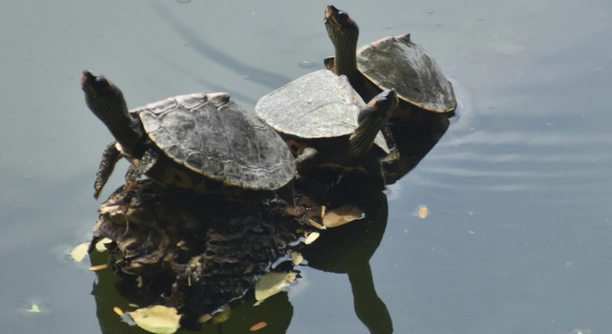
The Indian Roofed Tortoise is a fascinating species, but like all pets, it requires proper care to thrive. One key aspect of its well-being is ensuring it receives the right balance of vitamins.
A vitamin deficiency in your Indian Roofed Tortoise may manifest as lethargy, poor shell growth, or changes in appetite. It’s essential to provide a balanced diet rich in essential nutrients like Vitamin D3 and calcium for proper development.
By recognizing the signs early, you can take steps to ensure your tortoise’s health. Adjusting its diet and environment can make a significant difference in its overall well-being.
Signs Your Indian Roofed Tortoise May Have a Vitamin Deficiency
A common sign of a vitamin deficiency in your Indian Roofed Tortoise is changes in behavior. If your tortoise becomes more sluggish, spends more time hiding, or stops eating, it may indicate a nutritional issue. Vitamin deficiencies, especially in calcium, Vitamin A, and Vitamin D3, can severely impact your tortoise’s health. Without proper intake of these vitamins, your tortoise may experience weakened bones, poor shell growth, and even respiratory issues.
If you notice any of these signs, it’s essential to evaluate your tortoise’s diet. Tortoises require a mix of leafy greens, fruits, and certain supplements to stay healthy. If your pet is lacking essential vitamins, it may be time to adjust its diet accordingly.
Vitamin D3 is vital for calcium absorption and overall shell health. A lack of this vitamin can cause the shell to become soft or misshapen, leading to long-term problems if left untreated. Proper exposure to UVB lighting can also help promote natural Vitamin D3 production.
How to Improve Your Tortoise’s Diet
Diet plays a significant role in preventing deficiencies. Incorporating a variety of nutrient-rich foods into your tortoise’s meals is key. This includes dark leafy greens like kale, collard greens, and dandelion greens. Some fruits, such as papaya and mango, can also help provide additional vitamins.
In addition to providing a variety of foods, supplementation might be necessary for your tortoise to meet its vitamin needs. A calcium supplement and Vitamin D3 supplement can be added to its food to ensure the proper balance. Be careful not to over-supplement, as too much of any one vitamin can cause other health issues. It’s essential to monitor your tortoise’s health regularly and consult a reptile vet if you notice any unusual changes.
Maintaining a balanced diet and providing the right vitamins will promote your tortoise’s overall health and prevent long-term issues related to deficiencies.
The Importance of UVB Lighting
UVB lighting is crucial for your Indian Roofed Tortoise’s health. It helps them synthesize Vitamin D3, which is necessary for calcium absorption. Without adequate UVB exposure, even the best diet won’t be enough to prevent deficiencies.
A lack of UVB light can lead to metabolic bone disease, causing soft, deformed shells and weakened bones. It’s important to ensure your tortoise has access to proper lighting for 10-12 hours a day. You can use a UVB bulb designed for reptiles, which mimics sunlight and helps your tortoise absorb the necessary vitamins.
Make sure the UVB light is within the right distance from the tortoise’s basking area. Too far away and it won’t be effective, too close and it could cause harm. Regularly replace the bulb, as the UVB output weakens over time, even if the light still works.
Creating a Balanced Feeding Schedule
Feeding your Indian Roofed Tortoise on a regular schedule helps ensure they get the necessary nutrients daily. A consistent feeding routine, combined with proper lighting, promotes better digestion and nutrient absorption.
Offering a variety of foods such as dark leafy greens, flowers, and small amounts of fruit is key. Mixing these options keeps your tortoise interested in its meals while ensuring it receives a wide range of vitamins and minerals. Variety is especially important for getting vitamins A and K, which are found in greens and certain fruits.
Along with the food choices, don’t forget to provide fresh, clean water every day. Hydration supports digestion and nutrient uptake, further contributing to your tortoise’s overall well-being. Adjust your feeding routine based on your tortoise’s age, size, and activity level.
Recognizing Signs of Shell Issues
A soft, pitted, or deformed shell is a clear sign of a vitamin deficiency, especially in calcium and Vitamin D3. If your tortoise’s shell appears unusually thin or fragile, it may be due to a lack of these essential nutrients.
Shell issues are often the result of improper diet and lack of UVB exposure. A strong, healthy shell requires both adequate nutrition and sunlight or UVB light. If you notice any changes in the shell, consider adjusting your tortoise’s diet and ensure it gets sufficient UVB lighting. Early intervention can prevent long-term damage.
Vitamin A Deficiency and Its Impact
Vitamin A is essential for eye health and overall immunity in your tortoise. A lack of this vitamin can lead to respiratory problems, poor vision, and skin issues. Make sure your tortoise has access to a diet rich in Vitamin A.
Dark leafy greens like kale, collard greens, and dandelion greens are excellent sources of Vitamin A. These should be included in your tortoise’s daily diet to help maintain healthy vision and immune function. Without proper Vitamin A intake, your tortoise’s health can decline quickly, making regular monitoring essential.
Impact of Dehydration
Dehydration can often mimic the symptoms of a vitamin deficiency. If your tortoise isn’t drinking enough water, it may become lethargic, and its skin might appear wrinkled. Ensure access to clean, fresh water every day.
Dehydration can lead to constipation, poor digestion, and even impact the overall health of your tortoise. If your tortoise is showing signs of dehydration, try soaking it in warm water for 20-30 minutes to help it rehydrate. This can also encourage it to drink more water.
FAQ
What are the common signs of a vitamin deficiency in my Indian Roofed Tortoise?
Common signs include lethargy, loss of appetite, and changes in behavior. You may also notice a lack of growth in the shell or soft, deformed areas. Respiratory issues or swollen eyes can be signs of a Vitamin A deficiency. Pay attention to any behavioral changes, as they are often the first noticeable symptoms of a vitamin imbalance.
How can I ensure my tortoise gets enough Vitamin D3?
Vitamin D3 is critical for calcium absorption. You can ensure your tortoise gets enough Vitamin D3 by providing exposure to UVB light. Use a UVB bulb specifically designed for reptiles, and position it properly within your tortoise’s habitat. Ensure the bulb is on for 10-12 hours a day, as a lack of UVB light can prevent your tortoise from synthesizing Vitamin D3 naturally.
What is the best diet for an Indian Roofed Tortoise?
A balanced diet for your tortoise should include a variety of leafy greens, such as kale, collard greens, and dandelion greens, along with occasional fruits like papaya and melon. It’s also essential to offer high-fiber plants and flowers. Incorporating a calcium supplement and Vitamin D3 can help prevent deficiencies. Make sure to provide fresh water daily and avoid overfeeding high-protein foods, as they can lead to kidney problems.
How do I fix shell deformities in my tortoise?
Shell deformities are often caused by insufficient calcium and Vitamin D3. To address this, ensure your tortoise gets enough UVB exposure and supplement its diet with calcium. Adjusting the lighting and diet accordingly can help improve shell health. However, if the deformities are severe, it’s best to consult a vet for guidance.
Can I treat Vitamin A deficiency with food alone?
Yes, Vitamin A deficiency can often be corrected with a proper diet. Offer your tortoise foods rich in Vitamin A, such as dark leafy greens, carrots, and sweet potatoes. However, if the deficiency is advanced, it might be necessary to add a Vitamin A supplement to ensure proper recovery. Always consult a vet before starting supplementation to avoid over-supplementing.
Is it necessary to give my tortoise supplements?
While a well-balanced diet should cover most of your tortoise’s nutritional needs, supplements like calcium and Vitamin D3 are often necessary. These supplements help ensure your tortoise’s bones and shell stay strong. It’s important not to over-supplement, as excess nutrients can be just as harmful as deficiencies.
How often should I feed my tortoise?
Adult Indian Roofed Tortoises should be fed every other day, while younger tortoises may need food daily. Consistent, varied meals ensure they get all the vitamins and minerals they need. Stick to a routine to make sure they are getting proper nutrition. Overfeeding can lead to obesity, while underfeeding can cause malnutrition.
Can dehydration cause symptoms similar to a vitamin deficiency?
Yes, dehydration can mimic symptoms of a vitamin deficiency. A dehydrated tortoise may appear lethargic and refuse food. The skin can also become wrinkled. Make sure your tortoise has access to fresh water daily, and offer warm water baths to encourage drinking. If dehydration is suspected, soaking can also help your tortoise rehydrate.
Why is my tortoise not eating even though I’m providing a variety of food?
If your tortoise isn’t eating, it could be due to environmental stressors such as improper lighting, temperature, or humidity levels. A change in diet or a lack of appetite due to illness or stress could also be factors. Make sure your tortoise’s habitat is in optimal conditions, and monitor its health regularly.
What type of UVB light is best for my tortoise?
The best UVB light for your Indian Roofed Tortoise is a full-spectrum UVB bulb designed specifically for reptiles. Look for bulbs that emit UVB in the 290-320 nm range. UVB light should be positioned 10-12 inches above the basking area to ensure your tortoise gets the correct exposure.
How can I prevent my tortoise from getting shell rot?
Shell rot is often caused by bacteria or fungi entering the shell due to improper care. To prevent this, maintain a clean habitat with proper humidity levels. Make sure your tortoise’s shell stays dry and is never exposed to standing water. Proper UVB exposure and a balanced diet also help keep your tortoise’s shell healthy.
Can I use a heat lamp instead of UVB light for my tortoise?
Heat lamps are great for providing warmth, but they do not provide UVB light. UVB light is crucial for your tortoise’s health, as it enables them to produce Vitamin D3, which is necessary for calcium absorption. Make sure to provide both a heat lamp and a UVB light in your tortoise’s habitat.
Final Thoughts
Taking care of an Indian Roofed Tortoise requires attention to detail, especially when it comes to their diet and overall health. Vitamin deficiencies can cause significant issues, so it’s important to provide the right nutrients and make sure they get enough UVB exposure. A balanced diet, proper lighting, and hydration are key factors in keeping your tortoise healthy. If you notice any signs of illness or changes in behavior, it’s essential to act quickly and adjust their care accordingly.
While it’s not always easy to tell if your tortoise has a vitamin deficiency right away, being aware of the common symptoms will help. Keep an eye out for lethargy, poor appetite, or changes in their shell or eyes. If you see these signs, take action by improving their diet and environment. Sometimes a simple change in their care routine can make a big difference. If needed, consult a vet for further advice, especially if you notice more severe issues.
Preventing deficiencies in the first place is much easier than treating them later. By providing your tortoise with proper nutrition, UVB light, and hydration, you can avoid many common health problems. Ensuring they have the right vitamins and minerals will support their long-term health and well-being. With consistent care, your tortoise can live a healthy, happy life, free from the concerns of vitamin deficiencies.

Hello,
If you enjoy the content that we create, please consider saying a "Thank You!" by leaving a tip.
Every little bit helps us continue crafting quality advice that supports the health, happiness, and well-being of pets around the world, for pets of all shapes, sizes, and species.
We really appreciate the kindness and support that you show us!