
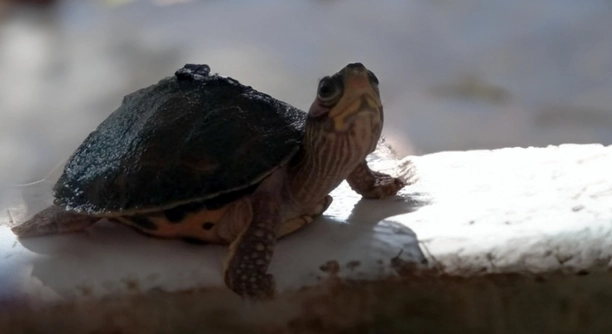
Indian Roofed Tortoises are known for their calm nature and unique appearance. However, like all pets, they can suffer from health issues, particularly respiratory infections. Knowing the signs of illness is important to ensure their well-being.
Respiratory infections in Indian Roofed Tortoises can be identified through symptoms such as wheezing, nasal discharge, and labored breathing. Early detection is crucial for effective treatment and preventing further complications. Proper care and timely veterinary attention can aid recovery.
Recognizing the signs of a respiratory infection will help protect your tortoise and improve its quality of life. Keep reading to learn more about prevention and treatment options.
Recognizing Respiratory Infection Symptoms
When an Indian Roofed Tortoise develops a respiratory infection, the signs can be subtle at first. One of the most common symptoms is a clear or thick nasal discharge. If you notice any excess mucus, it could indicate an infection. Another red flag is labored breathing or wheezing, which can be a sign of respiratory distress. These symptoms are often accompanied by lethargy or a decrease in activity, as the tortoise may not feel well enough to move around. In some cases, the eyes may appear swollen or watery. It’s important to monitor your tortoise closely for these signs, especially if they have a history of respiratory issues.
A healthy tortoise should show alertness and actively roam around its habitat. If there’s a noticeable decline in its behavior, it may be suffering from an infection. Quick intervention is key to avoiding more serious complications.
If you notice any of these symptoms, don’t hesitate to consult a vet. Respiratory infections can progress quickly, so catching them early is essential for a successful recovery. This ensures the tortoise can regain its strength and return to its usual behavior.
Causes of Respiratory Infections in Tortoises
Several factors can contribute to respiratory infections in tortoises. Environmental conditions, such as sudden temperature changes or high humidity levels, can weaken the immune system. A lack of proper heating or insufficient UV light can also lead to respiratory issues. Inadequate ventilation or overcrowding in the habitat may increase the risk of infections, as bacteria and mold thrive in damp environments. Stress from handling or an improper diet can also make tortoises more susceptible to illness.
To prevent respiratory infections, maintaining a stable environment is crucial. Ensure your tortoise’s enclosure has a proper heat source and UV light, as well as enough space to roam comfortably. Regular cleaning is also necessary to remove any waste or mold that could lead to illness. By paying attention to these factors, you can minimize the chances of respiratory problems in your tortoise.
Identifying Early Symptoms of Respiratory Infection
Early symptoms of a respiratory infection in an Indian Roofed Tortoise often start subtly. Look for signs such as excessive nasal discharge or wheezing. These early indicators are often overlooked, but they can help you address the issue before it worsens. Observe if your tortoise is spending more time in its hiding spots, as this could also be a sign of discomfort. Monitoring your pet’s behavior and physical condition is key to spotting respiratory infections early.
If you notice your tortoise has a runny nose, labored breathing, or seems lethargic, these symptoms should not be ignored. Other early signs might include a decrease in appetite and disinterest in moving around. Your tortoise might also puff up when breathing, which can indicate difficulty in taking a full breath. The early stages are often when the infection is most treatable. Therefore, monitoring your tortoise closely during temperature changes, or if it seems stressed, can help catch these symptoms sooner. If you see these signs, don’t delay in getting a proper diagnosis.
It’s important to act fast if you detect any of these symptoms. While they may seem mild, untreated respiratory infections can cause more serious complications, such as pneumonia. A change in your tortoise’s eating habits, lack of interest in activities, or an overall decrease in energy may all be linked to a developing infection. This makes it crucial to provide your tortoise with the right environment and care to avoid these common health issues.
Causes of Respiratory Infection in Indian Roofed Tortoises
Respiratory infections in tortoises can be triggered by several environmental factors. Poor habitat conditions, like inconsistent temperatures or humidity, can put stress on their respiratory system. Too much moisture or cold drafts in their enclosure can lead to complications. Ensuring that your tortoise has a stable, warm, and dry environment is critical to prevent such infections. Overcrowding in the enclosure can also create stress, increasing the likelihood of infections spreading.
Tortoises are highly sensitive to environmental changes, and improper care can quickly lead to respiratory issues. High humidity levels, especially in combination with poor ventilation, create the perfect conditions for bacteria to thrive. This can lead to bacterial or fungal infections in your tortoise’s respiratory tract. Additionally, sudden temperature fluctuations can weaken your tortoise’s immune system, making it more susceptible to illness. Even slight variations in heat can create an environment where respiratory problems are more likely. Tortoises need a consistent temperature, usually between 75°F and 85°F, to remain healthy. Regularly monitor these conditions to avoid creating a breeding ground for pathogens.
In addition to environmental factors, stress can also play a significant role in weakening your tortoise’s immune system. Stress from handling, loud noises, or other pets in the household can make your tortoise more vulnerable to infections. Overexposure to pollutants or chemicals, such as cleaning agents used in the habitat, can further contribute to respiratory distress. Therefore, providing a calm and secure space for your tortoise is just as important as ensuring the right environmental conditions. Consider limiting disturbances in their space to reduce stress, ultimately preventing respiratory infections.
Treatment Options for Respiratory Infections
The treatment for a respiratory infection typically starts with a visit to the vet for an accurate diagnosis. The vet may prescribe antibiotics or antifungal medications depending on the cause of the infection. It’s important to follow the treatment plan exactly, even if the tortoise seems better after a few days.
In some cases, the vet may recommend injectable antibiotics if the infection is severe. The tortoise may also require supportive care, such as being placed in a warm, dry environment to assist in their recovery. Offering the tortoise foods high in vitamins and nutrients can help support their immune system during treatment. Always follow your vet’s advice on diet and care.
Providing the Proper Environment for Recovery
To ensure the best recovery for your tortoise, maintaining a stable environment is essential. Keep the enclosure temperature consistent and make sure humidity levels are controlled. A warm, dry environment helps your tortoise’s immune system fight the infection. Avoid any drafts, as they can further stress your tortoise.
During recovery, avoid handling the tortoise too much. Keeping stress levels low is important for their health. Ensure they have a quiet, comfortable space where they can rest undisturbed. Regularly monitor the environment and maintain the same care routine until the tortoise fully recovers.
Prevention Tips for Future Infections
To prevent respiratory infections in the future, focus on maintaining a clean and stable habitat. Regularly check the temperature, humidity, and ventilation in the enclosure. Proper UV lighting is also essential for your tortoise’s health and immune system. Avoid sudden temperature changes that could stress the animal.
FAQ
How do I know if my tortoise is suffering from a respiratory infection?
The main signs of a respiratory infection in a tortoise include wheezing, nasal discharge, and labored breathing. A tortoise may also appear lethargic, not eat as much, or avoid moving around. These symptoms are a clear indication that something is wrong, and it’s important to act quickly by consulting a vet. In some cases, you might notice watery eyes or swelling, which could also be linked to respiratory distress. If you observe any of these signs, it’s best to get your tortoise checked by a vet to ensure proper treatment.
Can respiratory infections in tortoises be prevented?
Yes, respiratory infections in tortoises can be prevented by maintaining a proper environment and handling your pet carefully. Ensure the enclosure has a stable temperature (75°F to 85°F), the humidity is appropriate, and there is no draft. Regularly clean the habitat to prevent mold or bacteria buildup. It’s also important to avoid sudden temperature changes, as this can stress the tortoise’s immune system. Providing adequate UV light is another way to ensure your tortoise stays healthy, as it helps support their immune system. Avoid overcrowding and minimize handling to reduce stress.
What should I do if my tortoise refuses to eat during an infection?
If your tortoise refuses to eat, it’s often a sign that something is wrong, especially if it’s suffering from a respiratory infection. During illness, tortoises may lose their appetite due to stress or discomfort. In this case, ensure the tortoise’s environment is comfortable and conducive to recovery, with the right temperature and humidity. Offer foods they typically enjoy, such as leafy greens, and avoid overfeeding. If the loss of appetite persists for more than a couple of days, it’s best to consult a vet for advice or possible medication to stimulate appetite.
Can tortoises recover from respiratory infections on their own?
While some mild cases of respiratory infection may resolve on their own, it’s generally not recommended to wait for recovery without treatment. Respiratory infections in tortoises can progress quickly and lead to serious complications such as pneumonia. Prompt veterinary care can help ensure that the infection is treated effectively. Your vet may prescribe antibiotics or antifungal treatments, depending on the type of infection. It’s crucial to monitor the tortoise’s health closely and not rely solely on the hope that the infection will resolve without intervention.
Is it safe to use antibiotics for my tortoise?
Antibiotics are often necessary for treating bacterial respiratory infections in tortoises. However, these should only be used under the guidance of a veterinarian. Improper use of antibiotics or using the wrong type can cause harm to your tortoise. It’s essential to follow the vet’s instructions carefully regarding dosage and duration of treatment. Avoid self-medicating your tortoise with human antibiotics, as this can be dangerous. Always check with a vet before administering any medication to ensure the health and safety of your pet.
How long does it take for a tortoise to recover from a respiratory infection?
The recovery time from a respiratory infection depends on the severity of the infection and the tortoise’s overall health. With proper treatment, mild infections may take a few days to a week to recover from. However, severe infections can take several weeks. It’s important to follow the veterinarian’s advice regarding care and treatment, as well as ensuring the tortoise remains in a stress-free environment during recovery. Regular follow-ups with the vet might be necessary to ensure full recovery and to prevent further complications.
What are the risks of untreated respiratory infections in tortoises?
Untreated respiratory infections can lead to serious health issues in tortoises. If left untreated, the infection can worsen and lead to pneumonia, which can be fatal. Respiratory infections can also cause long-term damage to the respiratory system, resulting in chronic breathing difficulties. In severe cases, untreated infections can lead to the tortoise becoming weak, malnourished, or even death. This is why early detection and prompt veterinary treatment are essential for ensuring the health and survival of your tortoise.
Can stress cause respiratory infections in tortoises?
Yes, stress can make a tortoise more susceptible to respiratory infections. Tortoises are sensitive creatures, and factors such as temperature changes, overcrowded enclosures, or frequent handling can cause stress. A stressed tortoise is more likely to develop an infection because stress weakens its immune system. Maintaining a calm and stable environment is key to preventing stress-related health issues. Avoid loud noises, ensure the enclosure is spacious enough for your tortoise to move around, and minimize handling during stressful periods.
What environmental factors contribute to respiratory infections in tortoises?
Several environmental factors can contribute to respiratory infections in tortoises. The most common is poor habitat conditions, such as inconsistent temperatures, high humidity, and lack of proper ventilation. Tortoises are cold-blooded, meaning they rely on external temperatures to regulate their body heat. If the temperature fluctuates too much or becomes too cold, the tortoise’s immune system can weaken, making it more vulnerable to infections. Humidity should also be carefully monitored; too much moisture can create a breeding ground for bacteria and mold, while too little moisture can dry out the tortoise’s skin and respiratory system.
Is it safe to handle my tortoise while it is sick?
It’s best to minimize handling your sick tortoise while it is recovering from a respiratory infection. Handling can stress the animal, which may slow down the recovery process. When a tortoise is ill, it’s important to focus on providing a comfortable and stress-free environment for rest. Limit interactions and only handle your tortoise when necessary, such as for medical treatments or cleaning its enclosure. Allowing the tortoise to rest undisturbed in a quiet, warm space will support its recovery.
Final Thoughts
Respiratory infections in tortoises can be serious, but with the right care, they are treatable. If you notice any symptoms like labored breathing, nasal discharge, or loss of appetite, it’s important to consult a vet as soon as possible. Early diagnosis and treatment are key to ensuring your tortoise recovers without complications. Ignoring symptoms or waiting too long to seek help can lead to more severe health problems that may take longer to treat or could even become life-threatening. Remember, your tortoise relies on you to provide the best care possible.
Maintaining a clean, stable environment for your tortoise is crucial in preventing respiratory infections. Keeping the temperature and humidity at the correct levels can help strengthen your tortoise’s immune system. Regularly cleaning the enclosure and avoiding drafts or sudden temperature changes can also minimize the risk of infections. Stress is another factor that can make tortoises more susceptible to illness, so minimizing handling and providing a calm, quiet environment can go a long way in keeping your tortoise healthy. Paying attention to these details can help avoid respiratory infections and ensure your tortoise thrives in its habitat.
Even with proper care, it’s important to regularly monitor your tortoise’s health. Regular check-ups with a vet and careful observation of your tortoise’s behavior and physical condition will help you catch any potential issues early. If your tortoise does become sick, following the vet’s advice and treatment plan is essential for a successful recovery. With proper care and attention, your tortoise can recover from a respiratory infection and continue to live a healthy, happy life. Keeping your tortoise’s environment clean and stable, along with maintaining good habits, will help prevent future health issues and ensure your pet remains healthy for years to come.

Hello,
If you enjoy the content that we create, please consider saying a "Thank You!" by leaving a tip.
Every little bit helps us continue crafting quality advice that supports the health, happiness, and well-being of pets around the world, for pets of all shapes, sizes, and species.
We really appreciate the kindness and support that you show us!