
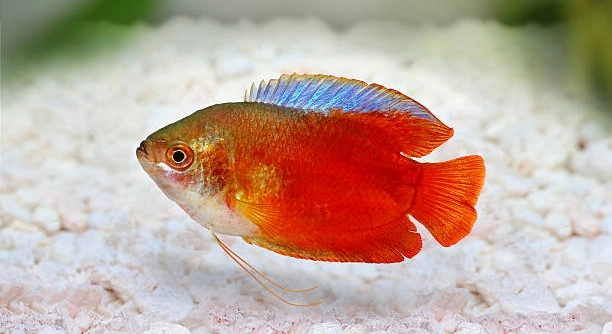
Keeping a gourami happy in your tank requires attention to its space and environment. These small fish can become stressed if their tank feels too crowded, affecting their behavior and overall health in subtle ways.
Gouramis exhibit signs of feeling cramped when swimming is restricted, hiding frequently, or showing increased aggression. Overcrowded tanks limit natural movement and can lead to stress-related illnesses, making proper tank size and setup essential for their well-being.
Observing behavior and tank conditions closely can help you prevent stress before it becomes a serious problem. Early action ensures your gourami stays healthy and active.
Signs Your Gourami Feels Crowded
When gouramis feel cramped, their behavior changes noticeably. You might see them swimming erratically, bumping into decorations, or lingering near the surface more than usual. They may also hide behind plants or ornaments for long periods, avoiding interaction. Stress from lack of space can affect their appetite, making them eat less or skip meals entirely. Aggression can rise, especially in male gouramis, leading to chasing or nipping other fish. A cramped environment also increases the risk of illness, as poor water circulation and buildup of waste create harmful conditions. Observing their daily routines carefully is essential. Even subtle changes, like reduced activity or unusual positioning in the tank, indicate discomfort. Regularly checking water quality, tank size, and the number of fish helps maintain a healthy environment. Making adjustments early ensures your gourami can swim freely and reduces long-term stress effects, keeping them active and vibrant.
Monitoring swimming patterns and hiding spots can quickly reveal if your gourami needs more space.
Providing enough room and hiding areas supports natural behavior and helps prevent conflicts. Proper spacing encourages healthy growth, activity, and feeding habits.
Adjusting Tank Space for Comfort
Even small adjustments can make a big difference in your gourami’s comfort. Adding decorations, plants, or rearranging items can create new territories, reducing stress. Sometimes removing excess fish is necessary to maintain proper space per individual. Overcrowding limits swimming room, so ensuring the tank size meets recommended guidelines is crucial. For most gourami species, at least 10 gallons per fish is ideal, though larger species may need more. Observing your gourami after changes helps confirm if the environment is suitable. Gradual adjustments are better than sudden changes, as abrupt shifts can cause temporary stress. Regular cleaning and water changes improve circulation and reduce buildup, contributing to a healthier habitat. Balanced nutrition and feeding routines also support resilience against stress. Paying attention to interactions between tank mates is important; aggressive or territorial fish can worsen feelings of confinement. Ultimately, a well-planned, spacious tank promotes calmer, healthier gouramis, reducing disease risks and encouraging natural behavior patterns.
Keeping decorations flexible allows your gourami to explore new areas while feeling secure.
By providing adequate space, you reduce stress and aggression, allowing your fish to thrive. Consistent observation, tank maintenance, and adjustments help maintain a peaceful, comfortable environment that meets both behavioral and health needs.
Common Behavioral Changes
Gouramis show clear signs when they feel cramped. Increased hiding, restlessness, or chasing other fish often signals stress. Appetite changes, like refusing food or eating less, are also common indicators of discomfort and limited space in their tank.
Stress from cramped conditions can affect both physical health and behavior. Gouramis may swim in unusual patterns, bump into tank decorations, or hover near the water surface. Male gouramis often become aggressive, chasing or nipping at others. Reduced activity, lethargy, and constant hiding indicate anxiety and a need for more space. Observing these patterns helps determine if tank adjustments are necessary to restore comfort and normal behavior.
Environmental factors can worsen these behaviors. Overcrowding limits swimming room, reduces access to hiding spots, and increases competition for food. Poor water flow and high waste buildup add to stress, making fish more prone to illness. Providing enough space, proper filtration, and strategically placed plants or decorations allows gouramis to establish territories and exhibit natural behavior. Watching for gradual improvements after changes confirms the environment meets their needs.
Tank Adjustments to Reduce Stress
Rearranging tank decorations or adding plants can create new hiding spots and swimming areas. Removing extra fish ensures proper space for each gourami.
Proper tank size and layout reduce aggression and stress. Male gouramis need territories, and crowded tanks increase chasing and nipping. Ensuring at least 10 gallons per fish, combined with hiding spots and decorations, encourages natural exploration. Water quality also plays a major role; regular changes and good filtration maintain healthy conditions. Observing how fish adapt after adjustments helps confirm comfort levels. Gradual changes are better, preventing additional stress. Nutrition and feeding schedules support overall resilience, helping fish cope with environmental changes while maintaining activity and health.
Signs of Physical Stress
Gouramis may show physical signs when they feel cramped. Faded colors, torn fins, or unusual marks on their body often indicate stress. Limited space and poor water flow contribute to these changes, affecting overall health and appearance.
Swelling or bloating can also occur in overcrowded tanks. When fish cannot move freely, circulation and digestion are affected. These signs, combined with lethargy, suggest that tank adjustments are needed to restore comfort and prevent long-term health issues.
Monitoring Daily Behavior
Keeping a close eye on daily activities helps identify stress early. Note swimming patterns, interactions with other fish, and feeding habits. Changes in energy levels, aggression, or hiding behavior are strong indicators that the tank may be too crowded. Consistent observation allows timely intervention.
Optimizing Tank Layout
Providing enough open space, plants, and hiding spots reduces stress. Rearranging decorations regularly gives gouramis room to explore safely, helping them feel secure and active.
FAQ
How can I tell if my gourami is stressed from a cramped tank?
Stress in gouramis from limited space often shows in behavior and appearance. Look for excessive hiding, lethargy, chasing, or nipping other fish. Faded colors, torn fins, or unusual marks can indicate physical stress. Reduced appetite or refusal to eat is another common sign. Observing swimming patterns, such as erratic movement or staying near the surface, helps identify discomfort. If multiple signs appear together, it is likely that your gourami needs more space or environmental adjustments to reduce stress.
What tank size is suitable for a gourami?
Most gouramis need at least 10 gallons per fish. Larger species require more space to swim freely and establish territories. Adequate tank size reduces aggression, improves water circulation, and allows natural behaviors like exploring and hiding. Overcrowding can lead to stress, disease, and poor feeding habits. Providing enough space for each fish also makes maintenance easier, as water quality remains more stable with fewer fish competing for resources.
Can decorations and plants help reduce stress?
Yes. Strategically placed plants and decorations create hiding spots and territories, allowing gouramis to feel secure. Rearranging items occasionally encourages exploration and keeps the environment engaging. Open swimming areas are also essential to balance decorations, ensuring fish are not trapped or restricted. Using a mix of tall plants, floating plants, and open spaces helps maintain comfort. Decorations should not overcrowd the tank, as too many obstacles can worsen feelings of confinement.
How often should I clean the tank?
Regular cleaning is essential to maintain water quality, which directly affects stress levels. Partial water changes weekly or biweekly help remove waste and toxins. Cleaning filters and removing debris prevents poor circulation and buildup that can worsen cramped conditions. Avoid full water changes all at once, as this can shock your fish. Monitoring water parameters like ammonia, nitrites, and nitrates ensures a healthy environment. Consistent maintenance keeps gouramis active and reduces stress-related behaviors.
Is overcrowding harmful to gourami health?
Overcrowding increases stress, aggression, and risk of disease. Fish in cramped spaces have limited swimming room, reduced access to food, and difficulty establishing territories. Poor water flow and high waste buildup further compromise health. Long-term overcrowding can lead to weakened immunity, fin damage, and stunted growth. Maintaining proper fish density and adequate tank size supports natural behavior, reduces aggression, and promotes overall well-being.
What should I do if my gourami shows signs of stress?
Start by evaluating tank size, water quality, and fish numbers. Increase space if possible by upgrading the tank or removing excess fish. Rearrange decorations to create new hiding spots and open swimming areas. Check water parameters and perform partial water changes as needed. Adjust feeding routines and observe interactions between tank mates. Gradual changes are better than sudden ones, as abrupt alterations can increase stress temporarily. Careful observation after adjustments ensures the environment supports healthier, calmer gouramis.
Can tank mates affect how cramped a gourami feels?
Yes. Aggressive or territorial species can worsen feelings of confinement. Even compatible fish can cause stress if the tank is crowded. Providing proper spacing, hiding areas, and monitoring interactions is important. Removing aggressive or excessive tank mates may be necessary to maintain a balanced environment.
How long does it take for a gourami to adjust to new space?
Adjustment varies by individual and tank conditions but usually takes a few days to a week. Fish will gradually explore new areas, resume normal feeding, and reduce aggressive or hiding behavior. Observing changes during this period helps confirm the environment is suitable.
Does diet affect stress levels in gouramis?
A balanced diet supports overall health and resilience. Undernourished or overfed fish are more susceptible to stress and illness. Providing varied food, feeding appropriate portions, and maintaining a consistent schedule helps gouramis cope with environmental changes and reduces stress-related behaviors.
What are long-term effects of keeping a gourami in a cramped tank?
Chronic stress can lead to weakened immunity, fin rot, stunted growth, and increased susceptibility to disease. Aggression and abnormal behavior may persist, affecting the well-being of all tank inhabitants. Maintaining proper tank size, water quality, and a suitable environment prevents these negative outcomes and ensures healthier, more active fish over time.
Final Thoughts
Ensuring your gourami has enough space is crucial for its health and happiness. Cramped conditions can cause both physical and behavioral stress, which often shows through hiding, aggression, or changes in appetite. Paying attention to these signs helps you intervene before stress becomes serious. Simple adjustments, like increasing tank size, removing extra fish, or rearranging decorations, can make a big difference in comfort. Gouramis are naturally active and curious, so providing room to swim and explore encourages normal behaviors and keeps them engaged. Ignoring overcrowding can lead to long-term health issues, including weakened immunity and stunted growth.
Observing your gourami’s daily routines is one of the easiest ways to notice if something is wrong. Changes in swimming patterns, aggression levels, or resting habits usually indicate stress from limited space. Physical signs, like faded colors or torn fins, also suggest the tank is too small or poorly arranged. Regularly checking water quality, tank layout, and the number of fish ensures that your gourami lives in a safe environment. Even small improvements, such as adding hiding spots or providing open swimming areas, can reduce stress significantly. A consistent routine for feeding, cleaning, and monitoring behavior supports long-term well-being, making it easier to catch problems early.
Providing the right environment benefits both your gourami and the overall tank ecosystem. Proper spacing reduces conflicts between fish, improves water circulation, and allows decorations and plants to enhance the habitat without overcrowding it. Gradual changes, careful observation, and consistent maintenance help gouramis adapt comfortably to their surroundings. Balanced nutrition, combined with a spacious and organized tank, strengthens resilience to stress and supports healthy growth. By understanding and responding to your gourami’s needs, you create a calmer, healthier, and more active tank environment where fish can thrive. Focusing on space, behavior, and habitat quality ensures your gouramis remain vibrant and maintain natural behavior patterns for years to come.

Hello,
If you enjoy the content that we create, please consider saying a "Thank You!" by leaving a tip.
Every little bit helps us continue crafting quality advice that supports the health, happiness, and well-being of pets around the world, for pets of all shapes, sizes, and species.
We really appreciate the kindness and support that you show us!