
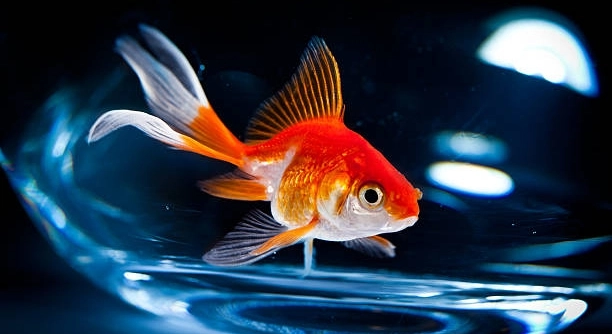
Do you ever find yourself wondering if your goldfish actually recognizes you or if it simply reacts to anyone who feeds it? Goldfish are often seen as simple creatures, but they may be more aware than you think.
Goldfish can recognize their owners through visual cues and learned associations. Studies show they can distinguish human faces, remember feeding schedules, and respond differently to familiar people compared to strangers, demonstrating a level of memory and recognition beyond what many assume.
Goldfish behavior holds surprising insights that challenge common misconceptions. Understanding these behaviors can help strengthen your bond with your pet and improve its overall well-being in its aquatic home.
Goldfish Have Good Memory
Goldfish are often thought to have a poor memory, but that’s a myth. In fact, they can remember things for weeks. Their memory allows them to recognize patterns, like feeding times and who’s feeding them. This ability is key to their survival, as it helps them avoid danger and find food more easily. Goldfish can even remember certain tasks and associate them with specific actions. This can be helpful if you’ve trained your goldfish to follow a certain routine or trick.
Their memory capacity is much better than commonly assumed, especially when it comes to daily routines. For example, a goldfish can recognize its owner based on the way they approach the tank or the sound they make. With positive reinforcement, goldfish can even learn to respond to certain gestures or movements.
The next time you approach your goldfish’s tank, try moving in a different way or making a different sound. You may notice your fish react differently. This shows that goldfish remember who you are and what to expect from you. Their memory isn’t perfect, but it’s more advanced than many people think.
Goldfish Can Recognize Faces
Goldfish can tell the difference between faces. They have the ability to recognize and remember human faces, much like other animals such as dogs. This skill helps them learn who they can trust and who is a potential threat.
Studies have shown that goldfish are capable of distinguishing their owner’s face from other faces. In fact, their brain processes human faces in a way that is similar to how humans recognize faces themselves. This ability allows them to build a connection with their owners, making them less stressed and more comfortable around familiar people.
It’s fascinating to think that a goldfish, a creature often seen as having simple instincts, can actually process such complex information. This means that your goldfish can likely distinguish between you and a stranger who might come near the tank. Their ability to recognize faces adds to their capacity for social learning and interaction.
Goldfish Can Learn and Remember Tasks
Goldfish can learn simple tasks and remember them for extended periods. This learning ability is often overlooked, but with proper training, goldfish can perform specific actions like swimming through hoops or responding to lights. The key to teaching them is consistency.
When goldfish are repeatedly exposed to the same situation, they begin to associate certain stimuli with specific actions. For instance, they might learn to swim to the top of the tank when they hear the sound of a feeding bell or see their owner approaching. Over time, they’ll remember these associations and act accordingly.
This ability can be useful for enhancing the interaction you have with your pet. Not only does it keep them mentally engaged, but it can also be a fun and rewarding experience for both you and your goldfish. With patience, your goldfish can learn to recognize cues and respond to them consistently.
Goldfish Can Be Trained to Respond to Sounds
Goldfish can be trained to respond to sounds, such as a bell or tapping on the tank. They are highly sensitive to vibrations and noise, making them receptive to auditory cues. These responses are often learned through repetition and consistency.
Using sound as a training tool is relatively simple. You might tap gently on the tank or use a bell when it’s time to feed your fish. Over time, your goldfish will associate the sound with food and begin to swim to the surface or approach the tank. With enough repetition, they will recognize these sounds even before food is visible.
Goldfish have a keen sense of hearing, allowing them to respond to various noises, from the faintest tap to the sound of the water filter running. These auditory cues are particularly useful for maintaining a feeding routine or reinforcing specific behaviors. They can also help establish a closer connection between you and your goldfish.
Goldfish Can Form Emotional Bonds
Goldfish have the ability to form emotional bonds with their owners. They can recognize their caregivers and even show excitement when they see familiar faces. This bond strengthens as the goldfish associates the owner with food and positive experiences.
Goldfish may not show emotions in the same way humans or other pets do, but they respond to interactions with their owners in a way that suggests familiarity. Over time, they may even display behaviors such as following your finger or swimming excitedly when you approach.
This bond is not just about food or physical needs; it’s about trust and security. Your goldfish’s ability to form a connection with you means that it feels safe in your presence, making them more comfortable and engaged.
Goldfish Can Sense When You’re Near
Goldfish can sense when you’re near, even before you get close to the tank. They rely on their acute senses to detect vibrations and movements in the water. They can feel when someone is nearby, triggering a response.
They use these heightened senses to react to their environment. This includes detecting any changes in water movement caused by footsteps or your presence in the room. Your goldfish might start swimming toward the side of the tank or swimming near the surface, waiting for attention or food.
Goldfish Can Tell Time
Goldfish can tell time to some extent, especially when it comes to feeding schedules. They can learn to anticipate feeding times based on routine and regularity. This ability to associate time with events helps them adapt to a daily routine.
FAQ
Do goldfish recognize their owners?
Yes, goldfish can recognize their owners. Through visual cues and repetition, they can learn to distinguish between familiar people and strangers. Goldfish remember their owners’ faces and movements, often reacting differently when you approach the tank. Over time, they can associate you with food and care, forming a bond.
Can goldfish remember things?
Goldfish have surprisingly good memory. They can remember things for weeks, such as feeding schedules, specific tasks, and interactions with their owners. Their ability to remember allows them to recognize familiar faces, sounds, and routines, contributing to a deeper bond with you.
How do goldfish show affection?
Goldfish show affection in their own way. They may swim towards you when you approach the tank or follow your finger around. While they don’t express emotions like other pets, these behaviors indicate recognition and comfort. The more familiar they are with you, the more responsive they become.
Can goldfish be trained to do tricks?
Yes, goldfish can be trained to do tricks. They can learn tasks like swimming through hoops or following your hand. Training goldfish requires patience, consistency, and positive reinforcement. By associating certain actions with rewards, you can teach your goldfish simple tricks or behaviors.
Can goldfish hear sounds?
Goldfish have a strong sense of hearing. They can hear sounds and vibrations, which help them detect movement around them. They may not respond to every sound, but regular noises such as tapping on the tank or a feeding bell can be associated with food, and they may react accordingly.
Do goldfish get lonely?
Goldfish can experience stress or boredom, but it’s unclear whether they feel loneliness the way humans or some other animals do. They tend to thrive in environments where they have mental stimulation and routine. Having another goldfish can offer some social interaction, but it’s not essential for their well-being if they’re properly cared for.
How often should I feed my goldfish?
Goldfish should be fed two to three times a day, with each feeding being small enough that they eat it all in a few minutes. Overfeeding can lead to health issues and poor water quality. It’s important to maintain a regular feeding schedule to help them feel secure and avoid stress.
Can goldfish recognize their own reflection?
Goldfish can see their own reflection and might react to it. Some may appear curious, while others may treat it as another fish. They don’t understand the reflection the way humans do, but they may attempt to interact with it or swim near it.
What kind of music do goldfish like?
Goldfish can hear a range of sounds, but there is no evidence to suggest they prefer any specific kind of music. They might respond to soothing or rhythmic sounds, but loud or sudden noises could startle them. It’s best to keep the noise level in their environment calm and consistent.
Can goldfish sleep?
Goldfish do sleep, but their sleep pattern is different from humans. They don’t have eyelids, so they don’t “close” their eyes when they sleep. Instead, they rest in place or hover in a stationary position. Goldfish usually sleep at night or during periods of low activity in their environment.
How long do goldfish live?
Goldfish can live for many years if given proper care. On average, they live between 10 to 15 years, but some have been known to live even longer, especially in well-maintained tanks with good water quality and a balanced diet. Proper care plays a large role in their lifespan.
Can goldfish get bored?
Goldfish can get bored, especially if they’re kept in a tank without enough stimulation. Providing enrichment like plants, decorations, or tank mates can help keep them engaged. A lack of stimulation can lead to stress and health issues, so keeping their environment interesting is important.
Can goldfish smell?
Yes, goldfish can smell. Their sense of smell helps them find food, avoid predators, and navigate their environment. They use their olfactory organs to detect changes in the water and identify different scents. This is one of the ways they can recognize feeding time or locate food.
Final Thoughts
Goldfish are more intelligent and aware than most people give them credit for. They can recognize their owners, remember feeding schedules, and even respond to certain sounds and visual cues. Their ability to form connections with their caregivers is often underestimated, but with regular interaction and care, your goldfish can become more familiar and comfortable with you. These little creatures may not show affection in the same way as dogs or cats, but they do recognize and respond to their environment in meaningful ways.
Understanding your goldfish’s ability to learn, remember, and bond with you can enhance the experience of caring for them. While they don’t need constant attention or companionship from other goldfish to thrive, they do benefit from a stable routine, mental stimulation, and a peaceful environment. They may show their comfort and recognition in subtle ways, like swimming toward you or following your movements. These behaviors can be rewarding for any pet owner looking to deepen their relationship with their fish.
Ultimately, goldfish are fascinating creatures that deserve more appreciation for their intelligence and unique behaviors. By providing them with proper care, a stimulating environment, and a consistent routine, you can help your goldfish live a healthy and enriched life. Recognizing the signs that your goldfish recognizes you and forming a bond with them can turn your simple aquarium into a more rewarding experience for both of you. Whether through training, routine feeding, or just spending time with them, these little creatures can make for surprisingly interesting and interactive pets.

Hello,
If you enjoy the content that we create, please consider saying a "Thank You!" by leaving a tip.
Every little bit helps us continue crafting quality advice that supports the health, happiness, and well-being of pets around the world, for pets of all shapes, sizes, and species.
We really appreciate the kindness and support that you show us!