
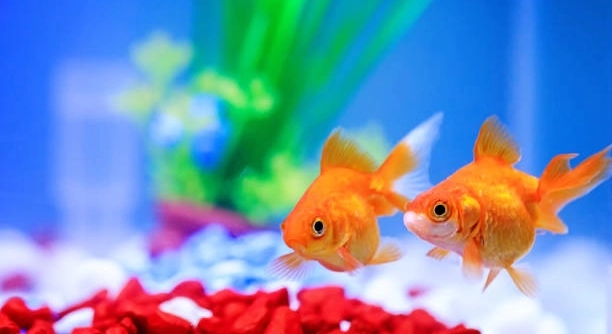
Goldfish are popular pets, and keeping them healthy is important. One of the factors to monitor is their water temperature, which can significantly affect their well-being. A temperature that’s too high may cause stress or illness.
Goldfish thrive in water temperatures between 65°F and 75°F. If the water gets too warm, it can lead to changes in their behavior, appetite, and overall health. Monitoring the temperature closely is essential to avoid these issues.
Understanding how to keep your goldfish comfortable will help maintain a healthy and happy aquatic environment for your pet.
Recognizing Overheating Signs in Goldfish
When goldfish are too hot, they often show noticeable signs of stress. These can include rapid gill movement, swimming near the surface, or even a loss of appetite. Overheating also increases their metabolism, which can lead to faster water contamination. If left unchecked, this can cause the goldfish to suffer from reduced immune function, making them more susceptible to illnesses. It’s important to pay attention to any behavior changes that might indicate the water temperature has gone beyond their comfort zone. A sudden increase in water temperature could also cause the fish to swim erratically or seek areas of the tank where the water is cooler. Regular observation is key to preventing further stress or potential harm.
In addition to physical signs, overheating can affect your goldfish’s long-term health. Prolonged exposure to high temperatures can shorten their lifespan and lead to more frequent health issues.
Goldfish are sensitive to temperature changes, and maintaining a stable environment is crucial. The ideal water temperature range for goldfish is between 65°F and 75°F, and a sudden fluctuation beyond this can be harmful. Keeping the water at the right temperature ensures your goldfish can thrive and avoid stress or disease.
The Importance of Water Temperature
Maintaining a steady water temperature is crucial for the health of your goldfish. Sudden shifts can cause unnecessary stress.
When the water temperature gets too hot, goldfish’s bodies struggle to function normally. They can become weak and may even stop eating altogether. Overheated water can lead to oxygen depletion, causing your fish to gasp for air at the surface. By using an aquarium thermometer, you can keep a close check on the water’s temperature and adjust it as needed to ensure your goldfish stay comfortable.
Signs Your Goldfish Is Overheated
Goldfish may become sluggish when exposed to high temperatures. They might swim less and rest near the bottom of the tank. Overheating can also cause them to gasp for air at the surface, signaling low oxygen levels in the water.
Another clear sign is rapid gill movement. When the water is too warm, oxygen levels decrease, forcing the goldfish to breathe faster. You might also notice increased aggression or frantic swimming. These changes happen because overheating speeds up their metabolism, making them more restless or even disoriented. Keeping an eye on their behavior can help prevent serious issues.
A loss of appetite is another common symptom. When goldfish are overheated, they may refuse to eat or show less interest in food. This is because their bodies are under stress, making digestion difficult. If food remains uneaten, it can further impact water quality, worsening the situation.
Preventing Overheating in Goldfish
A reliable aquarium thermometer is essential for maintaining the right water temperature. Regularly checking the temperature helps prevent sudden increases. Keeping the tank away from direct sunlight and heat sources can also make a difference in regulating the water temperature effectively.
Adding an aquarium fan or chiller can help cool the water during hot months. Increasing surface agitation with an air stone or bubbler ensures better oxygen exchange, reducing stress on your goldfish. Partial water changes using slightly cooler, dechlorinated water can also help stabilize temperatures. Avoid drastic changes, as sudden drops can be equally harmful.
How High Temperatures Affect Goldfish Health
Overheating weakens a goldfish’s immune system, making it more vulnerable to infections. Warmer water encourages harmful bacteria and parasites to multiply, increasing the risk of diseases. Consistently high temperatures can shorten a goldfish’s lifespan and lead to long-term health problems.
Hot water can also cause organ stress, leading to abnormal behavior and reduced energy levels. Since goldfish rely on oxygen-rich water, heat-related oxygen depletion can result in respiratory issues. If left unaddressed, prolonged exposure to high temperatures may cause irreversible damage to their overall health.
Choosing the Right Tank Setup
Using a well-sized tank with proper filtration helps maintain stable water conditions. A larger tank prevents rapid temperature fluctuations and ensures adequate oxygen levels. Keeping the tank in a cool, shaded area and avoiding direct heat sources will also help prevent sudden temperature spikes.
Monitoring Your Goldfish’s Behavior
Observing daily activity is important for detecting signs of overheating early. Changes in swimming patterns, breathing rate, or eating habits can indicate a problem.
FAQ
How can I tell if my goldfish is too hot?
A goldfish that is too hot may show signs like rapid gill movement, gasping at the surface, and lethargy. It may also swim erratically, lose its appetite, or stay near the bottom of the tank. Observing these behaviors can help identify overheating before it becomes a serious issue.
What temperature is too hot for goldfish?
Goldfish thrive in water temperatures between 65°F and 75°F. Anything above 80°F can cause stress and health issues. Prolonged exposure to temperatures beyond their ideal range can weaken their immune system, making them more susceptible to disease and reducing their lifespan.
Why does warm water affect goldfish so much?
Warmer water holds less oxygen, making it harder for goldfish to breathe. High temperatures also speed up their metabolism, leading to increased waste production and faster water contamination. This creates an unhealthy environment that can quickly become dangerous if not managed properly.
How can I cool down my goldfish tank?
To lower the temperature, move the tank away from heat sources and direct sunlight. Adding an aquarium fan, using a chiller, or performing small water changes with cooler, dechlorinated water can help. Increasing surface agitation with an air stone or bubbler also improves oxygen levels.
Can a goldfish recover from overheating?
If caught early, a goldfish can recover from overheating. Gradually lowering the water temperature, increasing oxygen levels, and monitoring its behavior can help it regain its strength. However, prolonged exposure to excessive heat can cause lasting damage, so quick action is necessary.
Does warm water make goldfish more active?
Initially, warmer water may make goldfish more active due to an increased metabolism. However, if the temperature remains too high, they may become lethargic, stop eating, or struggle to breathe. Long-term exposure to excessive heat can be harmful rather than beneficial.
What happens if my goldfish tank gets too hot while I’m away?
If you’re away during hot weather, consider using an automatic aquarium fan or a temperature-regulating device. Setting up a timer for lights and ensuring the room stays cool can also help. Having a trusted person check on the tank can prevent overheating issues.
Should I use ice to cool down my goldfish tank?
Dropping ice directly into the tank can cause sudden temperature fluctuations, which may stress your goldfish. Instead, place a sealed bag of ice or a frozen water bottle in the tank to gradually lower the temperature. Slow adjustments are safer for your fish.
How can I prevent my goldfish from overheating in the summer?
Keeping the tank in a shaded area, using a reliable thermometer, and avoiding prolonged light exposure can help. Regular water changes with slightly cooler water and adding a fan or chiller can prevent temperatures from rising too high.
What are the long-term effects of overheating on goldfish?
Long-term exposure to high temperatures can weaken the immune system, making goldfish more vulnerable to infections and diseases. It can also shorten their lifespan and cause stress-related complications, such as organ damage or chronic breathing difficulties. Managing temperature stability is essential for their well-being.
Final Thoughts
Maintaining the right water temperature is essential for a goldfish’s health. Overheating can cause stress, breathing difficulties, and a weakened immune system. Signs like rapid gill movement, sluggish behavior, and loss of appetite indicate that the water may be too warm. By recognizing these warning signs early, you can take steps to prevent long-term damage. Consistently monitoring the tank’s temperature and making gradual adjustments when needed will help keep your goldfish comfortable and healthy.
Preventing overheating requires proper tank setup and regular maintenance. Using a thermometer, keeping the tank away from direct heat sources, and increasing water circulation can help regulate temperature. Aquarium fans, chillers, and controlled water changes are effective methods for cooling the water during hot months. Avoiding sudden temperature shifts is just as important as preventing overheating, as drastic changes can shock your goldfish and lead to further complications. A stable environment supports their overall well-being.
Goldfish are resilient but require proper care to thrive. By paying attention to their behavior and making necessary adjustments, you can prevent common temperature-related problems. Creating a balanced environment with adequate oxygen levels and consistent water conditions will support their long-term health. With the right approach, your goldfish can continue to live happily and actively in their tank.

Hello,
If you enjoy the content that we create, please consider saying a "Thank You!" by leaving a tip.
Every little bit helps us continue crafting quality advice that supports the health, happiness, and well-being of pets around the world, for pets of all shapes, sizes, and species.
We really appreciate the kindness and support that you show us!