
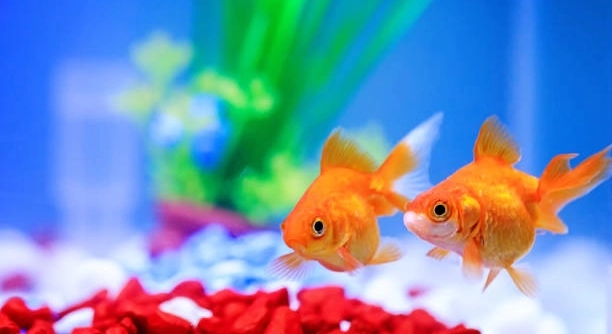
Goldfish can be sensitive to their environment, and stress or sudden changes can lead to shock. Recognizing the signs early can help ensure they receive the proper care needed to recover and thrive.
Signs of shock in goldfish include erratic swimming, loss of color, rapid gill movement, and difficulty staying upright. These symptoms may arise due to sudden temperature shifts, poor water quality, or stress from tank changes.
Knowing how to identify these signs is crucial for preventing further harm to your goldfish and restoring their well-being.
Common Signs of Shock in Goldfish
When a goldfish is in shock, you may notice several physical and behavioral changes. The most common signs include erratic swimming, such as darting or swimming in circles, and rapid gill movement. These behaviors suggest your fish may be struggling to adjust to its environment. Another indicator is a loss of color, with the fish turning pale or dull. This occurs as a response to stress or poor water conditions. Difficulty maintaining balance or floating upright is another red flag. If your goldfish appears lethargic or weak, this could also be a sign of shock.
It is important to monitor your goldfish’s behavior closely. Any changes in swimming patterns or appearance can provide critical clues to its health.
Goldfish in shock might also rub against objects in the tank, trying to relieve irritation. This could indicate skin problems caused by poor water quality or stress. If you observe any of these signs, it is important to act quickly and assess the water conditions.
How to Reduce Stress and Help Your Goldfish Recover
If you notice signs of shock in your goldfish, immediate action is required to help it recover. First, check the water temperature and quality, as fluctuations can cause shock. Ensure the water is at the right temperature for your fish, generally between 65°F and 75°F. Make sure the pH, ammonia, and nitrate levels are within safe ranges. These elements are vital to goldfish health and can directly impact their well-being.
In addition to stabilizing the water environment, reduce external stressors. Avoid moving the tank or introducing new fish for a while. The goldfish needs time to adjust and recover from the shock. Adding aquarium salt may also help, as it can ease stress and improve gill function. Make sure not to overfeed, as this can pollute the water and worsen the situation. Regular water changes are essential to maintain a clean environment.
Taking these steps will give your goldfish the best chance to recover and return to its healthy state.
Temperature Fluctuations and Shock
Temperature changes, especially rapid ones, are one of the main triggers of shock in goldfish. When the water temperature drops or rises too quickly, it can overwhelm your fish’s system, causing stress. This shock can lead to symptoms like lethargy or erratic swimming behavior.
To prevent temperature-related shock, always ensure that the water temperature remains stable. Use an aquarium heater if necessary, and make gradual adjustments. Avoid placing the tank near windows, heaters, or air conditioners, where sudden temperature shifts can occur. Regularly check the water temperature with a thermometer to ensure consistency. A stable environment will help your goldfish stay healthy and avoid stress-related health problems.
Consistent water temperature is key to goldfish well-being. Rapid fluctuations can cause physical strain and make your fish more susceptible to disease. Ensuring that the water temperature stays within the recommended range will not only keep your fish comfortable but will also help them thrive in the long run.
Water Quality and Its Impact on Health
Poor water quality is a major cause of shock in goldfish. High levels of ammonia or nitrates can overwhelm their system and lead to stress. Dirty water can also cause irritation to their gills and skin, making them more vulnerable to infection.
To prevent water quality issues, make sure to regularly clean the tank and perform water changes. Keep the tank well-filtered and check the water parameters frequently. Ammonia levels should be near zero, while nitrates should remain low to avoid harmful effects on your fish. A good filtration system will help maintain a clean environment.
By monitoring water conditions and maintaining a proper cleaning schedule, you can prevent the buildup of harmful chemicals in the water. A well-maintained tank ensures that your goldfish will remain healthy, reducing the risk of shock and other related issues. Keep a regular schedule for water changes to ensure a safe and clean living environment for your goldfish.
Stress from Tank Changes
Sudden changes in the tank setup can also cause shock in goldfish. This includes rearranging decorations, moving the tank, or adding new items. These changes disrupt their environment and cause anxiety, which can trigger shock-like symptoms.
Goldfish are sensitive to environmental changes. Keeping the tank setup stable will help your fish feel secure. If changes are necessary, introduce them gradually to avoid overwhelming your fish. Small alterations over time are less likely to cause distress than large, sudden ones. Try to minimize any disturbances in their environment to keep them comfortable.
Stress from changes often shows through physical signs like erratic swimming or lethargy. By maintaining a consistent tank environment, you’ll reduce these risks and provide your fish with a stress-free home.
Overcrowding and Its Effects
Overcrowding the tank leads to increased stress levels for your goldfish. With too many fish in a small space, the water quality deteriorates faster, causing anxiety and potential shock.
Goldfish need plenty of space to swim and thrive. Overcrowding can also lead to aggression among the fish, further escalating stress levels. Ensure that your tank size is appropriate for the number of fish you have, allowing each one enough space to feel comfortable. If needed, move some fish to a separate tank to reduce stress.
A well-spaced tank is crucial for goldfish health. When each fish has room to move freely, it reduces stress and promotes a healthier, happier environment.
Sudden Exposure to Light
Sudden or intense light exposure can shock goldfish, especially if they are used to a dimmer environment. This can disrupt their natural behavior, leading to stress.
Goldfish are sensitive to bright light, so it’s important to control the lighting in their tank. Avoid placing the tank in areas with direct sunlight or where lights are switched on and off frequently. Install an aquarium light that mimics natural daylight patterns to help keep your goldfish comfortable. Providing a consistent light cycle can help maintain their well-being.
By controlling lighting and avoiding abrupt changes, you’ll reduce the chances of stressing your fish.
FAQ
What are the main causes of shock in goldfish?
Shock in goldfish can be caused by several factors, including sudden temperature changes, poor water quality, overcrowding, and stress from changes in the tank environment. Even improper handling or exposure to harmful substances can cause shock-like symptoms. Monitoring and maintaining stable tank conditions is essential to prevent these issues.
How can I prevent my goldfish from going into shock?
To prevent shock, keep the water temperature stable, regularly check water parameters, and avoid overcrowding. Ensure your goldfish’s tank environment remains consistent, with minimal changes to decorations or tank setup. When making changes, do so gradually. A clean tank with the right filtration system is also crucial for preventing stress.
How do I know if my goldfish is stressed?
Stressed goldfish exhibit several signs, such as erratic swimming, rubbing against objects, loss of color, and lethargy. They may also spend more time near the surface or at the bottom of the tank. Stress can be caused by poor water quality, overcrowding, or rapid changes in the environment.
Can I treat goldfish shock at home?
Yes, you can treat goldfish shock at home by stabilizing the water conditions. Check the temperature and ensure it is within the appropriate range. Perform water changes to improve water quality and add aquarium salt if necessary to reduce stress. Avoid moving the fish or the tank, and minimize external disturbances. If symptoms persist, consider consulting a vet.
How long does it take for a goldfish to recover from shock?
The recovery time varies depending on the severity of the shock and the actions taken to improve the goldfish’s environment. With proper care, most goldfish begin to show signs of recovery within 24 to 48 hours. However, it may take up to a week for them to fully recover, especially if the shock was severe.
Is it safe to add aquarium salt to treat shock?
Yes, aquarium salt can be helpful in treating shock by easing stress and supporting gill function. It should be used in moderation, and the concentration must be suitable for goldfish. Always follow the manufacturer’s instructions for dosing and remove excess salt when the goldfish has recovered. Too much salt can be harmful.
What should I do if my goldfish is swimming upside down?
Swimming upside down is a common symptom of swim bladder disorder, which can be caused by shock, poor water quality, or overfeeding. To help your goldfish, check the water conditions and perform water changes if necessary. Reducing food intake and offering peas as a natural remedy may also help. If the problem persists, consult a vet.
Can water temperature affect my goldfish’s health?
Yes, temperature plays a crucial role in your goldfish’s health. If the water is too cold or too hot, it can stress the fish, leading to shock. Goldfish thrive in water between 65°F and 75°F (18°C and 24°C). Rapid temperature fluctuations can cause distress and health problems. Regularly monitor and maintain the water temperature to ensure it remains stable.
How often should I change the water in my goldfish tank?
Water changes should be performed regularly, ideally once a week, to maintain good water quality. The frequency may vary depending on tank size, number of fish, and the filtration system. In smaller tanks, more frequent water changes may be necessary to avoid buildup of waste and toxins.
What should I do if my goldfish is rubbing against tank objects?
Rubbing against objects, known as “flashing,” can be a sign of irritation or infection. It may indicate poor water quality, parasites, or skin conditions. To address this, test the water for ammonia, nitrite, and nitrate levels and perform water changes. Adding aquarium salt may help, but if the behavior continues, consult a vet for further treatment.
Can stress cause my goldfish to lose color?
Yes, stress can cause a goldfish to lose color. When a goldfish is stressed, its immune system weakens, and its body produces less pigment, leading to a pale or dull appearance. Managing water quality, reducing stressors, and providing a calm environment can help restore the goldfish’s color over time.
What are the signs of a goldfish being overfed?
Overfeeding can lead to obesity, poor water quality, and digestive issues. Signs of overfeeding include bloated fish, uneaten food floating in the tank, and clouded or dirty water. To prevent overfeeding, offer small amounts of food and remove any uneaten portions after a few minutes.
Can goldfish shock be fatal?
If left untreated, shock can lead to severe health complications, including organ failure. However, with prompt attention to water quality, temperature, and a reduction in stressors, goldfish can recover from shock. If symptoms persist or worsen, seek professional advice from a veterinarian to prevent fatal outcomes.
How can I improve the water quality for my goldfish?
To improve water quality, use a reliable filtration system and perform regular water changes. Keep an eye on ammonia, nitrite, and nitrate levels, and ensure they remain at safe levels. Adding live plants can help absorb excess nutrients and maintain a balanced ecosystem in the tank. Regularly clean the tank decorations and substrate as well.
Is it safe to use tap water for my goldfish tank?
Tap water can be used for goldfish tanks, but it must be treated first. Chlorine, chloramine, and heavy metals present in tap water can harm your fish. Use a water conditioner designed to neutralize these chemicals. Also, ensure the temperature matches the tank’s water before adding it.
What are the benefits of a tank filter for goldfish?
A good tank filter removes waste, debris, and excess food, ensuring the water remains clean and safe for your goldfish. It also helps maintain appropriate levels of oxygen in the tank, promoting overall health. A filter reduces the need for frequent water changes and helps keep the environment stable.
Can I add new goldfish to a tank with one already in shock?
It’s not advisable to add new goldfish to a tank if one is already in shock. The stress from the new fish can worsen the condition of the affected goldfish. Allow the first fish time to recover before considering adding any new fish to the tank.
Final Thoughts
Goldfish are resilient creatures, but they can be sensitive to changes in their environment. Maintaining stable water conditions, a balanced diet, and minimal disruptions is essential to prevent shock. When goldfish are exposed to sudden temperature changes, overcrowding, poor water quality, or stress from tank changes, they can experience shock. Recognizing the signs early and taking action can help your goldfish recover and thrive in a stable environment.
It’s important to remember that goldfish rely on a consistent routine. Small changes in their tank can lead to stress or even shock if not handled correctly. For example, sudden water changes, fluctuating temperatures, or rearranging decorations can make them feel uneasy. Keeping a close eye on your fish’s behavior is crucial. If they show signs of shock, such as erratic swimming, loss of color, or lethargy, make sure to assess their environment. Stabilizing the water temperature, improving water quality, and providing a calm, secure environment will help them recover.
In the end, keeping your goldfish healthy means creating an environment where they feel safe and comfortable. Regular maintenance of the tank, monitoring water conditions, and ensuring that any changes are gradual are key steps to preventing shock. By understanding the factors that cause stress and taking proper care of your fish, you can enjoy a thriving, happy goldfish for years to come. Keeping their tank clean, reducing unnecessary stressors, and observing their behavior will go a long way in ensuring their well-being.

Hello,
If you enjoy the content that we create, please consider saying a "Thank You!" by leaving a tip.
Every little bit helps us continue crafting quality advice that supports the health, happiness, and well-being of pets around the world, for pets of all shapes, sizes, and species.
We really appreciate the kindness and support that you show us!