
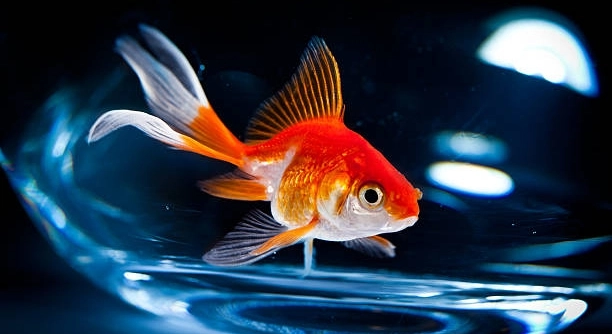
Goldfish are often overlooked as simple pets, but their well-being is important. One crucial aspect of their health is sleep. Like all animals, they need adequate rest to thrive and maintain their overall health.
Ensuring your goldfish gets enough sleep can be identified by several signs. Look for regular periods of stillness, reduced activity at night, and a consistent pattern of rest. Observing these clues can help you understand if your goldfish is getting proper sleep.
Keeping track of their sleep patterns can improve your fish’s health and happiness. Recognizing these signs helps ensure your goldfish is well-rested and stress-free.
1. Understanding Goldfish Sleep Patterns
Goldfish, like all living creatures, need sleep to recharge their bodies. However, they don’t sleep in the same way humans do. They don’t have eyelids to close, so it may be harder to tell if they are truly resting. Instead of traditional sleep, goldfish enter a calm, still state when they sleep, usually during the night or in low-light conditions. Their sleep isn’t as deep as mammals, but it’s important for their health. During rest, their metabolism slows, and their energy is restored for daily activities like swimming and feeding.
You may notice your goldfish hanging in one spot, barely moving. This is a sign that they are resting. It’s important to keep a regular light cycle to help set their biological clock and promote healthy sleep. If your fish aren’t getting proper sleep, they may become lethargic or stressed, which could affect their immune system.
Inconsistent sleep patterns can disrupt their overall well-being. Make sure to have a stable environment with minimal noise and light disturbances at night. Keeping their tank well-lit during the day and dim at night can help signal when it’s time for rest. A proper sleep schedule ensures your goldfish stays active and healthy.
2. Signs Your Goldfish Is Sleep-Deprived
Goldfish can exhibit several signs if they’re not getting enough rest. These signs are subtle, so it’s important to keep an eye on their behavior and overall health.
Goldfish that aren’t resting properly may become more active during the night, swimming around constantly. They may also be less responsive when interacting with you or food. If you notice these signs, it might be time to adjust their environment to help them rest better.
3. Importance of a Consistent Light Cycle
A consistent light cycle is crucial for your goldfish’s sleep. If their environment is too bright at night, it can disrupt their natural sleep patterns. Goldfish need a clear distinction between day and night to help them rest. A good rule is to have the light on for 12 to 14 hours during the day and turn it off for the remaining hours.
When their environment is dark during the night, goldfish can naturally enter their rest state. Light changes should be gradual to avoid disturbing their sleep. Using a timer for the tank lights can make it easier to maintain a regular sleep schedule. Stability helps your goldfish know when to sleep and when to be active.
If the light cycle is inconsistent, your goldfish might get confused and struggle to rest properly. Without a steady rhythm, they could become stressed, which affects their health. Aim to provide a calm, quiet environment with dim light at night to encourage healthy sleep.
4. Stress and Its Impact on Sleep
Stress can interfere with your goldfish’s sleep patterns. If they feel threatened or their environment changes suddenly, it can disrupt their rest. One of the most common causes of stress is overcrowding in the tank. If your goldfish feel crowded, they may not be able to find a quiet spot to rest.
Changes in water quality can also cause stress. Goldfish are sensitive to fluctuations in water temperature, pH, and cleanliness. Ensure that the water conditions are stable, and regularly check the filter and temperature. A stressed goldfish may show signs like rapid swimming or hiding, indicating it’s struggling to find rest.
Stress can result in more frequent waking periods and less quality sleep for your goldfish. You can reduce their stress by making sure they have enough space in the tank and maintaining a peaceful, clean environment.
5. Tank Decorations and Resting Spaces
The decorations in your goldfish tank can affect how well they sleep. Having places for your goldfish to hide and rest in peace is important. Simple caves or plants provide safe spots where they can retreat when they need rest. Without these hiding places, your goldfish may feel exposed and stressed.
Goldfish need places to feel secure, especially when they want to sleep. Make sure there are a few items in the tank that offer them shelter. Avoid overcrowding the tank with too many decorations, though, as it could make the space feel cramped. A balanced environment promotes healthy rest.
6. Feeding and Sleep Timing
Feeding your goldfish too late can disrupt their sleep. Goldfish tend to be more active after eating, so if you feed them too close to their resting period, it could keep them awake longer. Aim to feed them during daylight hours, about an hour before the lights go off.
Feeding on a regular schedule helps your goldfish’s body understand when it’s time to rest. If they eat too late, they may stay alert longer, which interferes with their natural sleep cycle. Try to avoid late-night feedings to promote better sleep habits for your fish.
FAQ
How much sleep do goldfish need?
Goldfish typically need 12 to 14 hours of rest each day. Unlike mammals, they don’t have eyelids to close, so their sleep looks different. They enter a calm, still state, often at night or in low-light conditions. Ensure they have a consistent light and dark cycle to help regulate their sleep.
Can goldfish sleep during the day?
Yes, goldfish can sleep during the day if they feel safe. They may rest during daylight hours if there’s a reduction in light or they feel secure in their tank. However, most of their sleep will occur during the night when the tank lights are off.
Is it normal for my goldfish to be still for long periods?
Yes, it’s perfectly normal for goldfish to stay still for long periods, especially during sleep. They may appear motionless, but their bodies are still active in a restful state. Goldfish often rest in a particular spot in the tank for this reason.
Can goldfish get too much sleep?
It’s unlikely that goldfish can get too much sleep. They typically sleep in cycles, but if they’re not getting enough stimulation during the day, they might rest more than usual. Ensure your tank has space for them to swim freely and stay active during the day.
What can I do if my goldfish seems restless at night?
If your goldfish is restless at night, it could be a sign of stress or discomfort. Check the water quality, temperature, and tank conditions. Make sure their tank is in a quiet area without sudden noises or bright lights that could disturb them.
How do I know if my goldfish is stressed and not sleeping?
Stress can prevent goldfish from getting proper rest. Look for signs like erratic swimming, hiding, or lack of appetite. If they’re swimming in circles or seem overly active at night, it could mean they’re not resting as they should. Stress usually results from poor water quality, overcrowding, or environmental changes.
Is it okay to have decorations in the tank?
Yes, decorations are important for providing hiding spots and making the environment feel safe for your goldfish. However, avoid overcrowding the tank with too many decorations, as it can restrict their movement and cause stress. Keep the setup simple with a few plants or caves for them to rest in.
How does water quality affect goldfish sleep?
Poor water quality can stress goldfish, disrupting their sleep. If the water is too warm, too cold, or polluted, your goldfish may become restless and have trouble resting. Make sure to regularly check and maintain the water temperature, pH, and cleanliness to create a peaceful environment.
Can goldfish sleep with the tank light on?
Goldfish sleep best when the tank light is off or dimmed. Bright lights at night can confuse their internal clock and prevent them from resting. It’s best to set up a light cycle that mimics day and night with the light off at night to promote proper sleep.
What should I do if my goldfish is swimming at night?
If your goldfish is swimming at night, it could be due to several factors such as hunger, water temperature, or stress. Ensure they’re fed at the right time, and check that the water conditions are stable. Keeping the tank dim and quiet at night helps encourage proper rest.
Why is my goldfish acting lethargic?
Lethargy in goldfish can be a sign of stress, illness, or poor water conditions. If your fish is constantly inactive, check the water quality, temperature, and filter. If the conditions are fine, it could be worth looking into possible diseases or even overfeeding, which can lead to sluggish behavior.
Can I adjust my goldfish’s sleep cycle?
Yes, you can adjust your goldfish’s sleep cycle by altering the light cycle. If you need your goldfish to sleep at different hours, gradually shift the light schedule. However, make sure the change is gradual and not abrupt, as sudden changes can cause stress or confusion for your goldfish.
Why is my goldfish not eating during the day?
If your goldfish isn’t eating during the day, it could be due to stress or improper tank conditions. Check the water temperature, filtration, and light levels. If these are all okay, your goldfish may just be resting or adjusting to its environment. However, prolonged lack of appetite can signal illness.
How can I make my goldfish feel safe while sleeping?
To make your goldfish feel secure, provide hiding spots in the tank. Caves, plants, or decorations can serve as resting places for your fish. Keep the tank in a quiet spot away from disturbances. This will help them relax and sleep soundly.
Do goldfish sleep in the dark?
Yes, goldfish prefer to sleep in the dark. They need a period of darkness to properly rest. Keeping the tank lights off during the night helps signal to the goldfish that it’s time to sleep. This mimics their natural sleep cycle, helping them maintain good health.
Is it bad if my goldfish sleeps too much during the day?
Goldfish might sleep more during the day if the tank is darker or if there is less activity. While this isn’t typically a problem, ensure the tank has enough space and stimulation for them to stay active when they are awake. It’s important to keep their environment balanced for their health.
Final Thoughts
Ensuring your goldfish gets enough sleep is an important part of keeping them healthy. Like all animals, they need proper rest to maintain their energy and immune system. Goldfish don’t sleep like humans do, but they still require quiet time in a calm, dark environment to rest properly. By observing their behavior and making small adjustments, like maintaining a regular light cycle and providing hiding spots, you can help your fish sleep better and live a healthier life.
Creating a peaceful environment is key to promoting good sleep for your goldfish. Keeping the water clean, stable, and at the right temperature plays a big role in their overall well-being. Stress can interfere with their ability to rest, so it’s important to avoid overcrowding the tank and ensure there are no sudden changes that could unsettle them. When your goldfish feels safe and comfortable, they will naturally rest and recover, ready for their daily activities.
Overall, goldfish are low-maintenance pets but still need your attention to thrive. Their sleep habits might be different from those of mammals, but with a little understanding and care, you can ensure they get the rest they need. Keep an eye on their sleep patterns, water conditions, and environment to help them stay healthy and happy. By providing a consistent routine and a calm tank, you’ll be giving your goldfish the best chance for a long, healthy life.

Hello,
If you enjoy the content that we create, please consider saying a "Thank You!" by leaving a tip.
Every little bit helps us continue crafting quality advice that supports the health, happiness, and well-being of pets around the world, for pets of all shapes, sizes, and species.
We really appreciate the kindness and support that you show us!