
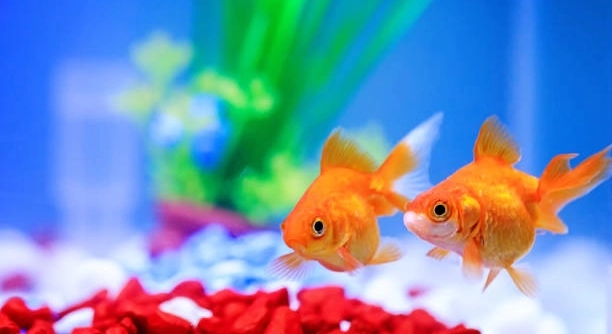
Goldfish are popular pets, known for their colorful appearance and peaceful nature. However, like all pets, they can fall ill. Bacterial infections are a common health concern that can affect goldfish. Recognizing symptoms early can help you provide better care for your fish.
Goldfish with bacterial infections typically show signs such as discoloration, lesions, and abnormal swimming patterns. These infections can be caused by poor water quality, stress, or injury. Immediate treatment is important to prevent further health complications.
Identifying bacterial infections in goldfish early on can improve their chances of recovery. We will explore the common symptoms to watch out for and what steps to take if you notice any changes in your fish’s behavior or appearance.
1. Change in Appearance: Discoloration and Lesions
One of the first signs of a bacterial infection in your goldfish is a noticeable change in appearance. You may see pale, white, or dark patches on the fish’s body. These changes can happen suddenly or gradually. Red or swollen areas around the fins and gills are also common, signaling an infection. Lesions or sores may appear as the infection progresses. If you notice any discoloration or visible injuries, it’s important to address them quickly.
The bacteria may cause the skin to become more fragile. As the infection spreads, your fish may develop sores that become open wounds. These can lead to further complications, including secondary infections.
If the infection isn’t treated, the goldfish may begin to lose scales, and the skin can start to break down. These symptoms are a clear indication of a bacterial problem. It’s crucial to maintain proper water conditions and ensure the fish is kept in a stress-free environment to help prevent worsening symptoms.
2. Abnormal Swimming Patterns
If your goldfish is swimming erratically or struggling to stay afloat, it could be a sign of bacterial infection. This behavior may include swimming sideways, upside down, or near the surface of the water.
Bacterial infections can affect the fish’s buoyancy or cause internal issues, making it difficult for the goldfish to swim normally. If left untreated, the infection can lead to more severe physical issues, such as damage to internal organs or loss of appetite. The best course of action is to quarantine your goldfish and treat it in a controlled environment to prevent the infection from spreading to other fish in your tank.
To help the goldfish recover, monitor its behavior closely. Keep the water clean, oxygen-rich, and at a proper temperature. Proper care and treatment can allow the fish to regain its balance and behavior over time. Regular observation is key to spotting any other signs of worsening conditions.
3. Excessive Mucus Production
Increased mucus production on your goldfish can be a sign of a bacterial infection. You might notice a slimy coating around their body, which could be thick or cloudy. This is the fish’s natural response to protect itself from further damage.
While mucus is essential for protecting the fish’s skin, an excess can indicate stress or illness. If you see a cloudy, thick layer of mucus, it’s likely the result of a bacterial infection. This is a sign that the goldfish’s immune system is working overtime to fight off the infection, but it may not be enough on its own.
To address this issue, ensure that the water quality is optimal, as poor water conditions can contribute to excessive mucus production. Keeping the tank clean and maintaining proper filtration can help reduce the stress on the fish. If the mucus continues to build up, a bacterial treatment might be necessary to stop the infection in its tracks.
4. Loss of Appetite
A goldfish with a bacterial infection may begin to lose interest in food. If your fish is refusing to eat for several days, it is an indication that something may be wrong.
This loss of appetite could be due to the fish feeling unwell, stressed, or in pain from the infection. When a goldfish isn’t eating, it’s crucial to monitor its behavior closely. Fish typically don’t stop eating unless there’s a serious issue. If left untreated, the fish’s condition may worsen and weaken the immune system further, making it harder for your goldfish to recover.
Providing a clean environment and reducing stressors may help your goldfish regain its appetite. If it doesn’t eat after a few days, consult with a veterinarian to address the potential bacterial infection and consider medication to stimulate its appetite and aid in recovery.
5. Swollen or Inflamed Fins and Gills
Swelling around your goldfish’s fins or gills can indicate a bacterial infection. Infected areas may appear puffy, red, or inflamed. This is a common sign that bacteria are attacking the tissue, leading to swelling.
The inflammation can cause your goldfish discomfort, and it may result in difficulties breathing or swimming. If the infection worsens, the tissue around the gills and fins may begin to erode, further complicating the healing process. Keeping an eye on these areas for any changes in size or color can help you act early and avoid severe damage to your fish’s health.
6. White or Cloudy Eyes
Bacterial infections can sometimes affect your goldfish’s eyes, causing them to appear cloudy, swollen, or even partially opaque. This condition can make the fish appear as though it’s developing cataracts.
When goldfish experience eye infections, they often become more sensitive to light and may struggle to see clearly. If left untreated, the infection can lead to permanent eye damage, hindering the fish’s ability to navigate its environment. Infections like this often require specialized treatment to prevent blindness. Therefore, it’s important to observe the eyes closely and act quickly if you notice any changes.
7. Rapid Breathing or Gasping at the Surface
If your goldfish is breathing rapidly or often gasping for air at the water’s surface, it may be struggling with a bacterial infection. The bacteria could be affecting the fish’s gills, making it harder for it to absorb oxygen.
This symptom can be a sign that the goldfish is in distress, and the infection may be affecting its respiratory system. If your fish is gasping for air, check the water’s oxygen levels and temperature, as poor water quality can worsen breathing difficulties. If the symptoms persist, consider isolating the fish and treating it with antibacterial medication.
FAQ
How do bacterial infections in goldfish start?
Bacterial infections in goldfish typically begin when the water quality is poor, or the fish is stressed. Poor water conditions, such as high levels of ammonia or nitrites, can weaken the goldfish’s immune system, making it more susceptible to infection. Injuries, overcrowding, and sudden changes in temperature can also stress the fish, leaving it vulnerable to bacteria. It’s crucial to maintain a clean tank and a stable environment to prevent bacterial infections from developing.
Can I treat a goldfish bacterial infection at home?
Yes, you can treat a bacterial infection at home, but the treatment will depend on the type of infection your goldfish has. Many bacterial infections are treatable with antibiotics designed for aquarium use. You can find these medications at pet stores or online. Be sure to follow the instructions carefully and quarantine the infected fish to prevent the infection from spreading. If the symptoms don’t improve, or if the fish’s condition worsens, it’s best to consult a veterinarian.
What is the best way to prevent bacterial infections in goldfish?
The best prevention starts with maintaining a clean and stable environment. Regularly change the water, ensure proper filtration, and check water parameters such as pH, ammonia, and nitrite levels. Avoid overcrowding the tank and feed your goldfish a balanced diet to support its immune system. Additionally, reduce stress by keeping the tank free from sudden temperature fluctuations and disturbances. Providing adequate space and avoiding physical damage will also lower the risk of infection.
How long does it take for a goldfish to recover from a bacterial infection?
The recovery time for a goldfish depends on the severity of the infection and the treatment used. Minor infections may take a few days to a week to heal, while more severe cases can take several weeks. It’s essential to provide the right treatment and give your goldfish time to heal. Make sure the tank is in optimal condition, and monitor your fish regularly to track its progress. Patience is key during the recovery process.
Should I isolate a goldfish with a bacterial infection?
Yes, isolating a goldfish with a bacterial infection is highly recommended to prevent the infection from spreading to other fish in the tank. Place the infected fish in a separate quarantine tank where you can monitor its condition closely and provide targeted treatment. Make sure the quarantine tank has clean water, proper filtration, and the right water temperature. This will help minimize stress and speed up recovery.
What are the risks of untreated bacterial infections in goldfish?
If left untreated, bacterial infections can lead to severe complications. The infection can spread, causing damage to internal organs, gills, and fins. In the worst cases, untreated infections can be fatal. The fish may also develop secondary infections, making it harder for it to recover. If you notice symptoms like lesions, loss of appetite, or abnormal swimming, it’s important to act quickly to prevent further damage to your goldfish’s health.
Can stress cause bacterial infections in goldfish?
Yes, stress is a major factor that can contribute to bacterial infections in goldfish. When a goldfish is stressed, its immune system becomes weakened, making it more susceptible to illness. Stressors can include overcrowding, sudden temperature changes, poor water quality, and even aggressive tank mates. Reducing stress by maintaining proper tank conditions, avoiding aggressive behavior, and providing a peaceful environment can help prevent bacterial infections.
Are there any signs that a goldfish is getting better from a bacterial infection?
As your goldfish recovers, you should notice positive changes in its behavior. It may begin eating again, swim more actively, and show a return to normal behavior. The swelling or lesions on its body should gradually disappear, and its eyes will clear up if they were affected. Improvement in swimming patterns and a decrease in mucus production are also good indicators that the infection is healing. Keep monitoring the water quality to ensure there are no stress factors hindering the recovery process.
Can I use aquarium salt to treat a goldfish’s bacterial infection?
Aquarium salt can be helpful in treating certain types of bacterial infections in goldfish, as it helps with osmoregulation and can reduce the amount of bacteria in the water. However, salt should be used cautiously, as it may not be effective for all bacterial infections, and not all goldfish tolerate it well. If you choose to use aquarium salt, follow the recommended dosage carefully and avoid overuse. It’s often best to use salt in combination with antibacterial medications for more severe infections.
What should I do if my goldfish has an eye infection?
If your goldfish has an eye infection, it’s important to isolate the fish and treat it with appropriate medications. Eye infections can result from bacterial or parasitic infections and may cause the eyes to become cloudy or swollen. A good first step is to improve the water quality, as poor water conditions can exacerbate the issue. If the infection is bacterial, treating the fish with an antibacterial medication specifically for eye infections will help. Make sure to consult a veterinarian if the condition doesn’t improve after treatment.
Is it safe to use antibiotics for goldfish?
Yes, antibiotics can be safe and effective for treating bacterial infections in goldfish when used correctly. It’s important to choose antibiotics that are specifically designed for aquarium use, as these are formulated to treat fish infections without harming the aquatic environment. Follow the instructions on the packaging carefully, and make sure the goldfish is in a separate quarantine tank while it’s being treated. If the infection persists, it’s best to consult a veterinarian.
Final Thoughts
Taking care of a goldfish can be a rewarding experience, but it also comes with the responsibility of ensuring their health and well-being. Understanding the signs of bacterial infections and knowing how to address them is key to keeping your goldfish happy and healthy. Early detection is crucial, as treating an infection in its early stages increases the chances of a full recovery. Pay attention to any changes in behavior or appearance, such as discoloration, swelling, or loss of appetite. These signs are often the first indicators that something might be wrong.
Maintaining a clean and stable environment for your goldfish is the best way to prevent bacterial infections. Regular water changes, proper filtration, and monitoring of water parameters are essential for creating a healthy habitat. Stress is another factor that can contribute to infections, so it’s important to minimize stressors, such as overcrowding or sudden temperature fluctuations. A well-balanced diet and proper tank care also play a significant role in supporting your goldfish’s immune system and overall health.
If your goldfish does show signs of a bacterial infection, don’t hesitate to act quickly. Isolate the infected fish, treat it with appropriate medications, and continue to monitor its condition closely. With the right care and treatment, most goldfish can recover from bacterial infections and return to their active, healthy selves. Remember that keeping a goldfish healthy is an ongoing process that requires attention, care, and patience. By providing the right environment and acting promptly if issues arise, you can ensure your goldfish lives a long and happy life.

Hello,
If you enjoy the content that we create, please consider saying a "Thank You!" by leaving a tip.
Every little bit helps us continue crafting quality advice that supports the health, happiness, and well-being of pets around the world, for pets of all shapes, sizes, and species.
We really appreciate the kindness and support that you show us!