
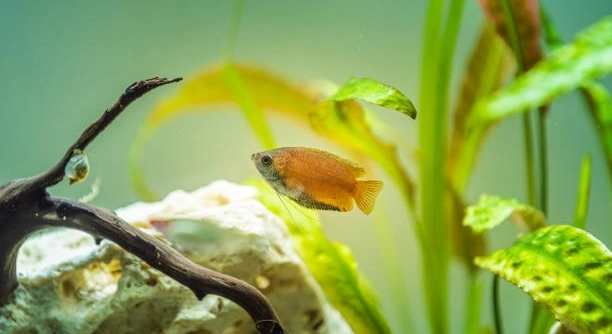
Are your giant gouramis showing unusual behavior or acting differently than usual? These changes can be subtle, yet they often indicate stress. Observing your fish closely is the first step in ensuring their well-being.
Stress in giant gouramis is commonly exhibited through changes in appetite, erratic swimming, or hiding behaviors. Environmental factors such as water quality, tank size, or aggressive tank mates can trigger these responses, making early detection critical for proper care.
Recognizing these signs early allows you to make adjustments that promote a healthier and calmer environment for your fish to thrive.
Common Signs of Stress in Giant Gouramis
Giant gouramis often show stress through physical and behavioral changes. You may notice them hiding more than usual, swimming erratically, or staying near the surface for long periods. Loss of appetite is another clear signal. Color changes can also occur, with faded or dull scales indicating discomfort. Stress may lead to increased aggression toward other fish in the tank. Some gouramis develop clamped fins or unusual gill movements when stressed. It is important to observe their daily routines carefully. Changes that last more than a day or two suggest that something in their environment needs attention. Temperature fluctuations, poor water quality, overcrowding, and inadequate hiding spots are common stress factors. By recognizing these early, you can prevent health issues like infections or stunted growth. Keeping a consistent feeding schedule and maintaining proper tank conditions are essential steps to reduce stress and support your gourami’s overall well-being.
Behavioral changes often appear before physical ones, making early observation crucial to prevent serious health problems.
Monitoring these signs consistently helps you respond quickly. Adjusting tank conditions, providing enrichment, and maintaining water quality can restore calm and stability, keeping your fish healthy and active.
Environmental Factors That Affect Stress
Tank size and layout significantly impact a giant gourami’s stress levels. Providing enough space to swim and proper hiding spots reduces tension.
Poor water conditions, such as high ammonia or fluctuating temperatures, create a stressful environment. Filtration and regular water changes are vital to maintain stable parameters. Overcrowding with aggressive or incompatible species can increase stress, as giant gouramis may struggle to establish territories. Lighting that is too bright or inconsistent can also disrupt their natural behavior. Even diet affects stress; irregular feeding or low-quality food can weaken their immune system, making them more susceptible to illness. Observing how your fish interacts with its environment helps identify stress triggers. Adjusting decorations, plants, or hiding areas allows your gourami to feel more secure. By carefully controlling these environmental factors, you can prevent prolonged stress and promote a healthier, more active fish. Consistent monitoring and small adjustments are often enough to improve their comfort and reduce negative behaviors.
How Water Quality Impacts Stress
Poor water quality directly affects a giant gourami’s health. High ammonia, nitrite, or nitrate levels can cause discomfort and stress. Maintaining clean water is essential for their overall well-being and helps prevent disease.
Regular water testing and partial water changes are key to keeping conditions stable. Filtration systems must be cleaned and maintained to remove debris and toxins. Temperature should remain consistent, avoiding sudden shifts that can shock the fish. pH levels also play a role; extreme fluctuations can trigger stress. Even minor changes in water hardness can influence behavior, appetite, and immune function. Observing your gourami’s reactions after adjustments helps ensure the tank environment is suitable and comfortable for long-term health.
In addition to chemical balance, physical cleanliness matters. Remove leftover food and waste promptly, and avoid overcrowding. Proper aeration and circulation ensure oxygen levels remain sufficient, which reduces stress. Incorporating plants or decorations provides hiding spots, giving your gourami a sense of security and control over its surroundings.
Feeding and Nutrition Considerations
Diet directly influences a giant gourami’s stress levels. Poor nutrition or inconsistent feeding can weaken their immune system, making them more vulnerable to illness.
Providing a balanced diet with protein-rich foods and occasional vegetables supports growth and vitality. Overfeeding can lead to water quality issues, while underfeeding can cause malnutrition and behavioral stress. Varying food types keeps them interested and encourages natural foraging behavior. Feeding at the same times each day establishes routine, which reduces anxiety. High-quality pellets or flakes designed for omnivorous fish are ideal, supplemented with fresh greens like spinach or peas. Observation during feeding helps identify appetite changes, a key indicator of stress.
A healthy diet also strengthens your fish against environmental stressors. Ensuring clean water, adequate space, and proper nutrition together creates a stable environment. Providing occasional treats and maintaining consistency helps your gourami feel secure. Monitoring their feeding habits allows early detection of stress, preventing long-term health problems and promoting a calmer, more active fish in the tank.
Recognizing Behavioral Changes
Erratic swimming and frequent hiding are clear signs of stress in giant gouramis. Sudden aggression toward tank mates or constant surface activity also signals discomfort.
Loss of appetite or refusing food is another behavioral indicator. Monitoring these actions helps identify stress early and prevent health issues.
Importance of Tank Enrichment
Providing adequate decorations, plants, and hiding spots reduces stress by allowing your giant gourami to feel secure. Open swimming areas combined with shaded zones create a balanced environment. Enrichment also encourages natural behavior, reducing boredom and aggression. Adjusting tank layout periodically can keep the fish engaged and comfortable, promoting long-term well-being.
Handling Stress Through Observation
Regularly watching your gourami’s behavior and environment is crucial. Noticing subtle changes early allows timely adjustments to reduce stress.
FAQ
How can I tell if my giant gourami is stressed?
Stress in giant gouramis shows through changes in behavior and appearance. Common signs include hiding, erratic swimming, loss of appetite, clamped fins, and faded coloration. Observing your fish daily allows you to notice these changes early, helping prevent health problems.
What causes stress in giant gouramis?
Environmental factors are the main contributors. Poor water quality, sudden temperature changes, overcrowding, and aggressive tank mates can all cause stress. Inadequate hiding spots or constant bright lighting may also make your fish uncomfortable. Stress can also result from irregular feeding or low-quality food.
How often should I check water conditions?
Water quality should be tested weekly at minimum. Monitor ammonia, nitrite, nitrate, pH, and temperature. Regular water changes and maintaining filtration help stabilize the environment. Observing your gourami’s reactions after adjustments ensures conditions are suitable and reduces stress.
What is the best diet to reduce stress?
A balanced diet with protein-rich foods and vegetables keeps your gourami healthy. High-quality pellets or flakes, supplemented with fresh greens like spinach or peas, support growth and immune function. Feeding at consistent times daily establishes routine and reduces anxiety. Avoid overfeeding, which can harm water quality and cause stress.
Can tank mates affect stress levels?
Yes, aggressive or overly active tank mates can trigger stress. Overcrowding reduces space for swimming and hiding, increasing tension. Choose compatible species and provide enough territory for each fish. Observing interactions and separating aggressive fish can prevent ongoing stress.
How can I improve my tank environment?
Add hiding spots, plants, and decorations to create a secure environment. Open swimming areas balanced with shaded zones help your fish feel safe. Periodically rearranging the layout encourages natural behavior and keeps the gourami engaged. Stable water conditions and proper filtration are essential for reducing stress.
Is stress reversible in giant gouramis?
Yes, stress can often be reversed if addressed early. Correcting water conditions, improving tank layout, and adjusting feeding routines help your fish recover. Continued observation ensures the changes are effective and prevents recurring issues. Early intervention is key to long-term health.
When should I seek professional help?
If your gourami shows prolonged signs of stress, severe color changes, or illness, consult a veterinarian experienced with fish. Persistent abnormal behavior may indicate underlying health problems that require professional care. Timely intervention can prevent more serious complications.
Can stress affect growth and lifespan?
Chronic stress weakens the immune system, reduces appetite, and slows growth. Long-term stress may shorten lifespan and increase susceptibility to disease. Maintaining a stable environment, proper diet, and monitoring behavior helps protect your fish’s health and longevity.
How do I monitor stress without disturbing my fish?
Observe from a distance during daily routines. Take note of swimming patterns, appetite, and interactions with tank mates. Avoid tapping the tank or sudden movements. Gentle monitoring allows you to detect changes early without adding additional stress.
What role does temperature play in stress?
Giant gouramis are sensitive to temperature fluctuations. Sudden changes or extremes can shock the fish, leading to stress. Maintaining consistent water temperature within the species’ recommended range is essential. Using a reliable heater and thermometer ensures a stable and comfortable environment.
How often should I rearrange the tank for enrichment?
Occasional rearrangement is beneficial but should be done gradually. Sudden large changes can increase stress rather than reduce it. Small adjustments to decorations or plants every few weeks keep the environment stimulating while allowing your gourami to adapt comfortably.
Can lighting affect stress levels?
Yes, lighting that is too bright or inconsistent can stress giant gouramis. Provide moderate lighting with a natural day-night cycle. Using shaded areas or floating plants can help regulate exposure and give your fish a sense of security.
How do I know if my gourami has recovered from stress?
Signs of recovery include consistent swimming patterns, normal appetite, bright coloration, and reduced hiding. Interaction with tank mates should return to normal, and overall activity levels should stabilize. Continuous observation ensures the environment supports ongoing well-being.
Are there any preventative measures for stress?
Regular maintenance, proper feeding, compatible tank mates, adequate space, and environmental enrichment are key preventive measures. Keeping water quality stable, monitoring behavior, and providing a balanced diet all work together to reduce stress and maintain a healthy, happy giant gourami.
Giant gouramis are sensitive fish that respond quickly to changes in their environment. Observing their behavior closely is essential for maintaining their health. Stress can show up in different ways, from hiding frequently to swimming erratically. Changes in appetite, clamped fins, and faded coloration are common indicators that your fish is uncomfortable. Recognizing these signs early helps prevent more serious health issues, including illness and slowed growth. Paying attention to these details allows you to respond promptly and create a stable, safe environment where your gourami can thrive. Daily observation is a simple habit that makes a significant difference in ensuring your fish remains healthy and active.
Maintaining proper tank conditions is a major factor in reducing stress. Water quality plays a crucial role, with stable temperature, pH, and clean filtration being essential for comfort. Overcrowding or aggressive tank mates can also increase tension, so choosing compatible species and providing enough space is important. Environmental enrichment, such as plants, decorations, and hiding spots, encourages natural behavior and provides a sense of security. A consistent feeding routine with a balanced diet supports growth, immunity, and overall well-being. Even small adjustments to the tank layout or gradual changes in water conditions can make a noticeable difference in reducing stress levels. By focusing on these aspects, you create a predictable and comfortable environment that helps your gourami feel secure and supported.
Monitoring your giant gourami’s behavior and adjusting care practices as needed ensures long-term health and happiness. Stress is often reversible if addressed early, and small changes in routine or environment can have a big impact. Being attentive to feeding habits, interactions with other fish, and general activity helps identify potential issues before they escalate. Combining consistent observation with proper care practices such as water maintenance, enrichment, and diet management builds a supportive environment for your fish. Over time, this approach reduces stress, strengthens the immune system, and encourages natural behavior. Keeping your gourami comfortable and engaged contributes to a longer, healthier life, allowing you to enjoy the presence of a thriving, calm, and active fish in your tank.

Hello,
If you enjoy the content that we create, please consider saying a "Thank You!" by leaving a tip.
Every little bit helps us continue crafting quality advice that supports the health, happiness, and well-being of pets around the world, for pets of all shapes, sizes, and species.
We really appreciate the kindness and support that you show us!