
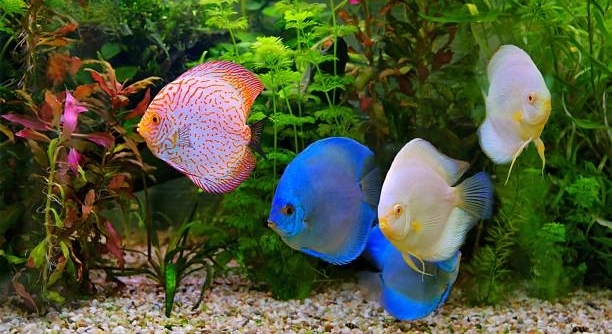
Is your discus fish acting different lately, swimming less or staying in one spot for too long in the tank?
Discus fish can experience loneliness, especially when kept alone or without enough interaction. Signs include reduced activity, loss of appetite, dull coloration, and increased hiding. Providing companionship and environmental enrichment can help improve their overall well-being.
Spotting these subtle changes early can help you create a more comfortable and social environment for your discus fish.
Common Signs Your Discus Fish Might Be Lonely
A discus fish that is lonely may behave differently than usual. You might notice it becomes less active, spending more time alone or hiding in corners. It may eat less or show no interest in food at all. Sometimes, the fish may change color slightly, becoming paler or duller than before. These signs often mean something isn’t right. Since discus are naturally social, being isolated can affect their mood and health. A lonely fish may also become more stressed, which can weaken its immune system. Stress can lead to more serious health concerns if left unaddressed. If you have only one discus or if it has recently lost its tank mate, it’s a good idea to watch closely for any of these behaviors. Addressing social needs early can help keep your discus healthy and happy in the long run.
Discus fish thrive in groups and prefer to interact with their own kind. Being alone too long can make them uncomfortable.
You don’t need to wait for something to go wrong before helping your discus. If signs of loneliness are present, make small changes. Add more discus if the tank allows it. Make the space more enriching with plants or hiding places. Try to maintain a calm environment with steady water conditions. Reducing stress can go a long way.
How to Keep Your Discus Fish Engaged
Discus fish often respond well to a stable and interactive environment. Adding more fish is one option, but it’s not the only one.
Keeping a discus fish engaged means giving it space, company, and stimulation. If you’re starting with one fish, consider adding a few more—ideally in even numbers—to build a small, peaceful group. Make sure your tank is large enough to support multiple discus. A calm tank with clean water, regular feeding times, and dim lighting helps reduce stress. Add plants, driftwood, and safe hiding spots to mimic their natural habitat. Try placing the tank in a low-traffic area where movement won’t startle them. When they feel safe, discus fish interact more and become curious. You can also occasionally rearrange the tank layout to create new areas to explore. This keeps things fresh without overwhelming them. Avoid loud noises or sudden temperature changes, as these can unsettle them. With the right care, your discus will stay active and engaged.
Why Tank Setup Matters for Social Behavior
A discus fish feels more secure in a well-structured tank. When the space is too open or poorly arranged, it can trigger stress and isolation. Proper setup encourages movement, interaction, and natural behavior.
Start with a tank that’s at least 55 gallons if you plan to keep a small group. Smooth substrate, live plants, and driftwood offer shelter and make the tank feel more natural. Adding vertical elements like tall plants helps break up sightlines and reduce tension between fish. Keep the lighting soft and steady. Avoid bright lights that may overwhelm them. A good filter is essential for clean water, and stable temperatures help reduce stress. Discus prefer warm water between 82°F and 86°F. Avoid placing the tank in noisy or high-traffic areas, which can disturb them. A balanced environment supports social behavior and helps your fish feel safe enough to interact regularly.
Spacing and layout also influence how discus fish behave. When hiding spots are limited or clustered, fish may fight for space or retreat entirely. Spread out decorations to prevent crowding and create quiet areas. This setup encourages natural exploration and allows each fish to claim a small area. Peaceful surroundings help reduce signs of loneliness and promote healthy group dynamics.
When to Add More Discus Fish
If your discus is showing signs of loneliness despite good care, it may need companions. Discus prefer living in groups of at least five to six. One or two extra fish often won’t be enough.
Before adding new discus, make sure your tank can handle the increased bioload. Introduce fish of similar size to avoid bullying or territorial behavior. Quarantine new fish for at least two weeks to prevent illness. Once added, observe their behavior closely. It’s common for discus to take time to settle into new group dynamics. Feed them consistently and keep the water clean to reduce stress during this period. Adding more discus can help reduce loneliness and boost confidence. You may see improved appetite, more interaction, and better overall color. Group life supports their natural behavior, but it must be managed carefully to avoid crowding or water quality issues.
Other Factors That Can Mimic Loneliness
Poor water quality can cause similar behavior to loneliness. If the water is dirty or parameters are off, discus may hide, eat less, or seem withdrawn. Always check ammonia, nitrite, nitrate, and temperature when behavior changes.
Illness or parasites can also lead to sluggish or isolating behavior. Look for signs like clamped fins, rapid breathing, or white feces. If you notice these, treat the tank promptly and separate the sick fish if needed. Not all quiet behavior comes from social needs—health must be ruled out too.
Tips for Daily Interaction and Observation
Spending a few minutes near the tank daily helps discus become more comfortable with your presence. Watch their behavior during feeding and throughout the day. Over time, they’ll learn your routine and show more social behavior. Use this time to spot any early signs of stress, illness, or loneliness. A steady routine builds trust and keeps them engaged.
Final Thoughts on Loneliness in Discus
Creating a calm, enriched space with proper company helps prevent loneliness. Watch your fish daily and respond early to changes.
FAQ
How many discus fish should I keep together to prevent loneliness?
Discus fish are social animals and do best in groups of at least five or six. Smaller groups may lead to loneliness or stress, as discus rely on interaction for comfort. Your tank should be large enough to support this number—generally, 55 gallons or more. Keeping fewer discus can cause them to become withdrawn or less active, which often looks like loneliness. A proper group size encourages natural behavior, reduces aggression, and helps maintain their health.
Can a discus fish be lonely if it has other fish but no discus companions?
Yes, discus fish tend to bond most closely with their own kind. While other peaceful fish can share the tank, they do not fulfill the social needs specific to discus. Without fellow discus, your fish might still feel isolated. They rely on group interactions like swimming together and social grooming. Mixing species can sometimes cause stress, so keeping discus with compatible tank mates is important, but companionship from other discus remains essential.
What are the early signs of loneliness in discus fish?
Early signs include reduced activity, spending excessive time alone or hiding, loss of appetite, and faded coloration. The fish might avoid others or show less interest in their surroundings. These subtle changes indicate discomfort or stress. Watch closely if your discus is less responsive or seems unusually still for extended periods. Catching these signs early can help prevent more serious health issues related to loneliness.
Can loneliness cause illness in discus fish?
Loneliness itself does not directly cause illness, but it can increase stress levels. Stress weakens the immune system, making discus more susceptible to infections and parasites. A stressed, lonely fish may also stop eating, which weakens it further. Maintaining good social conditions is part of overall health care, helping prevent stress-related problems. Ensuring company, clean water, and stable tank conditions supports their immune defenses.
How can I tell the difference between illness and loneliness?
Illness often shows physical symptoms like clamped fins, discoloration, rapid breathing, or unusual spots. Loneliness mostly affects behavior—withdrawal, hiding, and loss of appetite without obvious physical signs. Testing water quality and observing for illness signs helps rule out health issues. If physical symptoms are present, address illness first. If not, then consider social environment changes. Both issues can overlap, so monitoring closely is important.
Is it okay to keep just one discus fish if the tank is small?
Keeping a single discus is not ideal. These fish naturally live in groups, and being alone can lead to stress and loneliness. Even in small tanks, it’s better to keep at least a few discus to meet their social needs. If space is very limited, consider other species that are more solitary. For discus, a proper group and tank size are key to their happiness and longevity.
What should I do if I notice my discus fish is lonely?
First, assess the tank size, water quality, and tank mates. Ensure the environment is clean, stable, and enriched with plants or decorations. Add more discus if possible, aiming for at least five individuals. Introduce new fish slowly and watch for aggression. Make sure your discus have hiding spots and space to swim. If loneliness persists, consult a specialist for advice on behavior and care. Early action improves your fish’s well-being.
Can discus fish get lonely without enough stimulation, even with companions?
Yes, a lack of environmental enrichment can cause boredom and loneliness. Even with tank mates, discus need a stimulating environment. Plants, hiding spots, varied swimming areas, and gentle changes in the setup keep their minds active. Regular feeding schedules and a calm tank atmosphere also matter. Providing these elements reduces stress and encourages natural social behavior.
How long does it take for discus fish to adjust to new tank mates?
Adjustment times vary but generally range from several days to a few weeks. During this period, discus may hide or show mild aggression as they establish a social order. Maintaining stable water conditions and avoiding sudden changes helps speed adaptation. Providing plenty of space and hiding places reduces conflict. Patience is key, as discus are sensitive fish that need time to feel safe with new companions.
Are there any signs that indicate my discus fish is happy and well-socialized?
A happy discus is active, swims calmly with others, and displays vibrant colors. They eat well and explore their environment confidently. Social behavior includes swimming in groups and gentle interaction with tank mates. They rarely hide unless resting. These signs show your discus feel secure and content, reflecting good care and a balanced social setup.
Final Thoughts
Discus fish are naturally social creatures that thrive in groups. Their well-being depends on both the company they keep and the environment they live in. A lonely discus can show changes in behavior such as hiding, reduced appetite, or dull coloring. These signs should not be ignored because loneliness can lead to stress, which affects their overall health. Keeping enough discus together, generally five or more, is important to prevent feelings of isolation. It also encourages natural behavior like swimming in groups and interacting. Proper companionship helps discus feel secure and comfortable in their surroundings.
The tank environment plays a significant role in supporting discus social needs. A spacious tank with clean water, stable temperature, and plenty of hiding spots reduces stress and promotes interaction. Plants, driftwood, and soft lighting create a natural setting that discus find calming. When the tank is too small, poorly arranged, or lacks cover, discus may feel vulnerable and withdrawn. In these cases, even having other discus may not fully resolve loneliness. Regular water testing and maintenance ensure the environment remains healthy, which helps discus stay active and social. It’s important to monitor both the physical conditions and fish behavior regularly.
Addressing loneliness in discus requires careful observation and timely action. Adding companions when needed, improving tank setup, and maintaining excellent water quality all contribute to a happier fish. Patience is necessary, as discus can take time to adjust to new group dynamics or tank changes. A calm and enriched environment encourages positive social behavior and reduces signs of stress. By meeting their social and environmental needs, discus fish can live longer, healthier lives. Consistent care and attention will help keep your discus fish active and engaged, avoiding the negative effects loneliness can cause.

Hello,
If you enjoy the content that we create, please consider saying a "Thank You!" by leaving a tip.
Every little bit helps us continue crafting quality advice that supports the health, happiness, and well-being of pets around the world, for pets of all shapes, sizes, and species.
We really appreciate the kindness and support that you show us!