
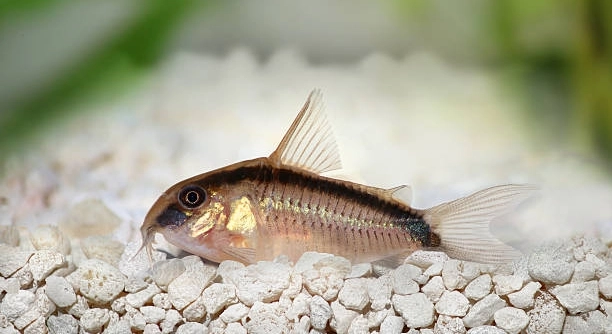
Corydoras catfish are fascinating creatures, known for their playful and social behavior. Observing how they interact with other fish can reveal a lot about their personalities and relationships within the tank environment.
Corydoras catfish display recognition of other fish through behaviors such as proximity, following, or reacting to tank mates. They may also exhibit signs of comfort or stress, depending on the familiarity with the other species present.
Understanding these signals can help ensure your aquarium is harmonious and your fish are thriving together.
Key Behaviors That Indicate Recognition
Corydoras catfish exhibit several behaviors that suggest they recognize other fish in the tank. One of the most noticeable is following or swimming near specific tank mates. This can be a sign of familiarity or bonding. When interacting with fish they know, Corydoras often remain closer to them, sometimes swimming in sync. On the other hand, if they sense stress or discomfort, they may distance themselves or hide. These movements are essential to observe as they help determine which fish are recognized or well-accepted.
Watching for these signs helps you understand the relationships between your fish. If Corydoras avoid certain fish, it could indicate unfamiliarity or territorial issues. Fish that they frequently swim with or near are more likely to be recognized.
Other actions, such as pecking at the substrate or engaging in group behaviors, further reinforce these interactions. The more social the catfish, the more likely they are to recognize and engage with specific tank mates, establishing clear patterns of behavior over time.
Recognizing Stress or Discomfort
Changes in behavior can also be a sign of stress. Corydoras may react negatively to unfamiliar fish.
When a new fish is introduced, Corydoras may exhibit signs of unease, such as hiding or increased swimming speed. They can sometimes flare their fins or swim erratically when encountering unknown species. This can be an instinctive response to protect themselves or mark boundaries. They might also vocalize in ways that differ from their usual behavior.
If Corydoras catfish are placed with fish they don’t recognize or are incompatible with, it’s essential to monitor their interactions closely. Signs of stress, such as constant hiding, reduced activity, or refusal to interact, should be addressed promptly to avoid further disruptions in the tank.
By carefully observing these stress-related behaviors, you can ensure that your Corydoras catfish remain comfortable and secure in their environment.
Understanding Tank Dynamics
Corydoras are peaceful bottom dwellers and are typically non-aggressive, which makes them well-suited to a community tank. However, their behavior can change depending on the other species present. They prefer peaceful companions and are less likely to recognize or bond with aggressive fish. When introduced to a tank, Corydoras often focus on interacting with fish that share similar behavior patterns. This instinctive behavior allows them to form groups or schools, which is crucial for their well-being.
When you add new fish to the tank, it’s important to consider the personalities of both the Corydoras and the other fish. Aggressive or overly dominant fish may cause stress or prevent them from forming connections. In contrast, peaceful species that move at a similar pace will encourage the Corydoras to socialize and recognize them as part of their environment. With proper care and attention, you can create a balanced tank where Corydoras catfish thrive alongside compatible species.
This observation is crucial for maintaining a harmonious aquarium and ensuring that all tank members coexist peacefully.
Visual Cues That Indicate Recognition
Corydoras catfish often use visual cues to recognize other fish. When they feel comfortable, they tend to swim near their tank mates, frequently peeking out from behind plants or decorations. This indicates they are aware of the other fish in the tank and feel secure around them.
These visual interactions are especially noticeable during feeding times. Corydoras will often approach and gather near specific fish, particularly if they have developed a familiarity. This behavior suggests they have recognized the other fish and are comfortable sharing space. However, when stressed, they may avoid eye contact or quickly retreat from other tank mates. These small visual cues are vital in assessing how Corydoras perceive their environment and fellow fish.
Recognizing these cues can give you valuable insight into your fish’s behavior, helping you identify which fish they trust and interact with more frequently. The level of engagement can also signal if further adjustments to the tank dynamics are necessary to create a peaceful environment.
Body Language During Interactions
Corydoras catfish also rely on body language to recognize and interact with other fish. Their movements and positioning in the tank reveal much about their comfort level. When they are familiar with other fish, they tend to swim in close proximity and even mimic each other’s behavior.
This is especially evident when Corydoras form groups or schools. They often align with their tank mates, swimming in synchronized movements. This synchronized swimming is not only a sign of recognition but also a social behavior that ensures the group remains cohesive. If a Corydoras catfish moves erratically or avoids other fish, it may indicate stress or unfamiliarity.
By observing these physical cues, you can better understand how your Corydoras relate to their tank mates. These body language signals, along with visual cues, provide a clearer picture of their interactions and overall well-being in the tank. Recognizing these behaviors early on can help you maintain harmony among your aquarium’s inhabitants.
Feeding Behavior as a Sign of Recognition
Corydoras catfish often show recognition through feeding behavior. When they recognize other fish, they may swim together to the feeding area, displaying a sense of familiarity. This behavior strengthens the social bond between them.
When Corydoras interact during feeding times, they often share space around the food. They may also observe each other more closely and move at a similar pace. This indicates trust and recognition, as the fish feel safe in the presence of each other. If they avoid certain fish during feeding, it may suggest discomfort or unfamiliarity with those tank mates.
Reaction to New Tank Mates
Corydoras react quickly when new fish are introduced. They often remain cautious at first, observing the newcomer before adjusting their behavior. Over time, if the new fish are non-aggressive, they may begin to interact.
It’s important to watch how your Corydoras adjust to newcomers. If they swim away, hide, or remain distant, it’s a clear sign that they haven’t recognized the new fish or are uncomfortable. With peaceful tank mates, Corydoras are more likely to engage in regular social behavior, including synchronized swimming or feeding together. This adjustment period is vital for keeping a balanced tank environment.
Physical Touch and Interaction
Corydoras often interact physically with their tank mates. They may nudge or lightly touch other fish as part of their social behavior. This physical contact is a clear indication of recognition and familiarity.
During these interactions, Corydoras may use their barbels to feel and explore their surroundings, often touching other fish in the process. These small, gentle interactions help reinforce their recognition of one another. By observing how often your Corydoras engage in these tactile interactions, you can gauge their comfort level and sense of connection with the other species in the tank.
FAQ
How can I tell if my Corydoras catfish is stressed by other fish?
Corydoras catfish show signs of stress through various behaviors. They may hide more frequently, swim erratically, or become less active. If they are constantly avoiding other fish or swimming away from certain areas of the tank, they could be feeling threatened. They might also become more skittish or show signs of rapid breathing. Stress is also evident when they no longer engage in their usual social activities, such as swimming in groups. Monitoring their behavior closely can help identify if they are being stressed by other fish.
Do Corydoras catfish prefer specific tank mates?
Yes, Corydoras catfish are peaceful bottom dwellers and prefer to live with other non-aggressive species. They thrive in tanks with fish that share similar behavior, such as tetras, guppies, or peaceful barbs. Aggressive or territorial fish may cause stress or discomfort to Corydoras. It’s best to avoid tank mates that may compete for the same resources, such as food, or exhibit aggressive behavior. Ensuring a peaceful environment is crucial for their overall well-being.
Can Corydoras catfish recognize humans or only other fish?
While Corydoras are more focused on other fish, they can also recognize humans, especially during feeding times. They may associate their human caregivers with food and become more active when they see you approach the tank. This recognition is not as strong as it is with other fish, but it is noticeable over time. They may come closer to the glass or swim to the top when they see you approaching. Corydoras, however, don’t interact with humans in the same way they interact with other fish.
What should I do if my Corydoras aren’t interacting with other fish?
If your Corydoras are not interacting with other fish, it may be a sign that they feel threatened or uncomfortable. Check if the other fish in the tank are too aggressive or territorial. Consider adding more hiding spots or decorations to provide security for your Corydoras. You may also want to add more Corydoras to the tank, as they tend to feel more comfortable in groups. Ensuring that all tank mates are peaceful and that there’s enough space for everyone can help encourage social behavior.
Do Corydoras need to be kept in groups to recognize other fish?
Corydoras are social fish, and they are much more comfortable when kept in groups. While they can recognize other fish individually, they thrive in schools where they feel safer and more secure. A group setting helps them establish social bonds and reduce stress. Without companions, Corydoras can become stressed, which might prevent them from interacting positively with other fish. Ideally, keeping at least three to six Corydoras together will promote healthier interactions and a more peaceful tank environment.
How long does it take for Corydoras catfish to recognize new tank mates?
Corydoras catfish usually take a few days to a week to adjust to new tank mates, depending on the species and the level of aggression. They will observe the new fish closely before they begin to engage with them. During this time, it’s important to watch for signs of stress or discomfort. If the Corydoras show consistent signs of avoidance, it might take longer for them to recognize and feel comfortable with the new fish. Be patient and avoid rushing the process.
Can Corydoras catfish be kept with other bottom-dwelling species?
Corydoras catfish can generally coexist with other bottom-dwelling species, provided that those species are peaceful. Fish like loaches or peaceful catfish can sometimes make good tank mates. However, it’s important to make sure that the species do not compete for food or territory. Overcrowding the bottom area of the tank can lead to stress and hinder the ability of each fish to feel secure. Monitoring the behavior of both species will help determine if they are comfortable sharing the bottom of the tank.
What signs show that Corydoras are comfortable with each other?
When Corydoras catfish are comfortable with each other, they will often swim together in groups or schools. They will engage in synchronized swimming and explore their tank environment as a group. Comfortable Corydoras may also engage in social behaviors like rubbing against each other or resting close together. Additionally, they will actively participate during feeding time, swimming towards the food source along with their group. These behaviors show they are at ease with their tank mates and feel safe in their environment.
Are there any signs that Corydoras are not recognizing other fish?
If Corydoras catfish are not recognizing or are uncomfortable with other fish, they may isolate themselves from the group. They might swim alone or stay in the corners of the tank, avoiding interaction. Another sign is if they swim erratically or hide when other fish approach. Corydoras may also become more defensive, using their barbels to explore but not engaging with others. A lack of social behavior, especially during feeding times or group activities, can indicate that they do not recognize or are not comfortable with other tank mates.
Can Corydoras catfish be trained to interact with other species?
While Corydoras catfish cannot be “trained” to interact with other species in the traditional sense, they can gradually become accustomed to different fish. Introducing new tank mates slowly and monitoring their behavior can help Corydoras adapt. Over time, if the other fish are non-aggressive and peaceful, Corydoras will begin to recognize them. Positive reinforcement, such as feeding near other fish, can also encourage Corydoras to interact with them. It’s important to allow the catfish to acclimate at their own pace to avoid stress.
Do Corydoras catfish have a preferred type of fish to interact with?
Corydoras tend to prefer peaceful fish with similar swimming patterns. Small schooling fish like tetras or guppies are often good tank mates. They avoid aggressive or larger fish that may dominate the space. Corydoras are not territorial and do best with fish that won’t compete for food or space. Creating a balanced environment with compatible fish can help foster interactions and recognition between the species, contributing to a healthier and more harmonious tank.
Final Thoughts
Corydoras catfish are social and peaceful fish that thrive in groups, making them great companions for other non-aggressive species. Their ability to recognize and interact with other fish is an important aspect of their behavior. When they feel safe and comfortable, they will engage with their tank mates through synchronized swimming, shared feeding times, and gentle physical interactions. Watching these interactions can provide a clear indication of how well your Corydoras are adjusting to their environment and the fish around them.
However, it’s important to be mindful of their stress levels. Corydoras are sensitive to aggression or changes in their environment. If they are constantly avoiding certain fish or displaying signs of stress, it could indicate that they don’t recognize or feel comfortable with those tank mates. In these cases, it’s crucial to assess the compatibility of the fish in your tank and make adjustments as needed. Adding hiding spots, rearranging the tank, or introducing more Corydoras to form a school can help improve their comfort and overall well-being.
By understanding their social needs and recognizing the signs of stress or comfort, you can ensure a peaceful environment for your Corydoras. Their recognition of other fish is not always immediate, but with time, patience, and the right tank conditions, they will interact harmoniously with other peaceful species. Corydoras catfish bring unique charm to your tank, and fostering positive relationships with other fish enhances both their quality of life and the overall harmony of your aquarium.

Hello,
If you enjoy the content that we create, please consider saying a "Thank You!" by leaving a tip.
Every little bit helps us continue crafting quality advice that supports the health, happiness, and well-being of pets around the world, for pets of all shapes, sizes, and species.
We really appreciate the kindness and support that you show us!