
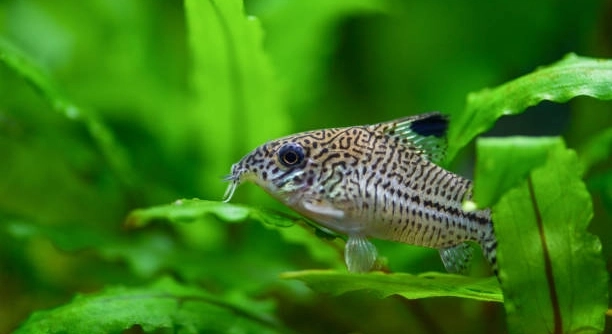
Corydoras catfish are small, peaceful fish that thrive in groups, making them perfect for community tanks. However, sometimes they might need more companions to feel comfortable and display natural behaviors.
Corydoras catfish are social fish and often require tankmates for mental stimulation and emotional well-being. When they lack sufficient companions, they may exhibit signs of stress or inactivity, which can affect their health and behavior.
Recognizing these signs early can help you create a better environment for your fish. Understanding their social needs is key to keeping them healthy and happy.
Sign 1: Your Corydoras Are Hiding More Than Usual
Corydoras catfish are known for their playful, curious nature. When they feel comfortable, they’ll explore their surroundings, interact with their tankmates, and move around the tank. However, if they start hiding more often than usual, it could be a sign that they need more tankmates. In the wild, Corydoras fish live in large groups, and a solitary existence in a tank can cause stress. If your Corydoras are spending more time in hiding spots, it might indicate they feel unsafe or lack social interaction.
If you notice this behavior, it’s worth considering adding a few more Corydoras to your tank. They are much happier when they have company, and the presence of other fish can help them feel more secure.
Adding tankmates can help reduce their stress levels and encourage natural behaviors like exploring and swimming in the open. Don’t hesitate to observe your Corydoras’ behavior over time and think about making their environment more social.
Sign 2: Decreased Activity
When Corydoras aren’t feeling their best, they may slow down and become less active. If your catfish are swimming less and seem more lethargic than usual, it could be a sign that they aren’t getting enough social stimulation. Corydoras are active swimmers, so when they don’t have companions to interact with, their energy levels can drop.
In a community tank with other Corydoras or compatible fish, they tend to stay more active. Their natural behavior thrives when they’re part of a group, so if your Corydoras are less lively, it may be time to add a few more.
The more Corydoras you have, the more likely they are to engage in activities like swimming together, foraging, or playing. This can help boost their mood and keep them healthier. A lively tank is a happy tank, both for your Corydoras and the other fish that share their space.
Sign 3: They Stop Eating or Are Less Interested in Food
Corydoras catfish are usually very enthusiastic eaters, especially during feeding times. If you notice that they are suddenly uninterested in food or eating less than usual, it could be a sign they are feeling stressed. Corydoras need stimulation, and without enough tankmates, they may lose interest in feeding.
Sometimes, this lack of appetite is not about food quality but about the social aspect of their environment. Corydoras enjoy the company of other fish, and a lonely tank can make them feel insecure. When they are given more companions, their interest in food often returns.
To encourage your Corydoras to eat regularly, adding more tankmates can help. This will provide them with the social interaction they crave and can help them feel more secure. The more relaxed your fish are, the more likely they are to eat, which will contribute to their overall health.
Sign 4: Aggressive or Territorial Behavior
Corydoras are generally peaceful fish, but when they feel stressed or isolated, they may display signs of aggression. If you notice your Corydoras are becoming territorial or showing aggressive behaviors like chasing or fin nipping, they could be lacking the proper social balance.
The absence of tankmates can create tension, making them more defensive of their space. Adding more Corydoras or peaceful fish can alleviate this aggression. Corydoras thrive in schools, and with the right number of companions, they tend to become less territorial.
It’s important to monitor your Corydoras carefully. If they exhibit aggression toward other fish, especially those of their own kind, it’s a clear sign they need more tankmates. Giving them the company they need can help restore harmony in your aquarium.
Sign 5: Your Corydoras Are Constantly Hiding in the Same Spot
Corydoras like to hide, but if they are staying in the same spot consistently, it’s often a sign of discomfort. Constant hiding can signal that they’re feeling stressed or unsafe. In the wild, they are rarely alone, so this behavior could indicate they need more social interaction.
When you add more Corydoras to their tank, they will have companions to interact with. This helps reduce stress and encourages them to be more active. Providing a larger school can encourage your Corydoras to swim freely and explore the entire tank.
Sign 6: Difficulty Breathing or Staying Near the Surface
If you notice your Corydoras hanging near the surface of the water or breathing heavily, it could be a sign of stress or lack of proper tankmates. In a peaceful, social tank, Corydoras should swim throughout the tank and exhibit normal breathing patterns.
It’s important to observe their behavior and water quality, ensuring that both are optimal. Adding more Corydoras or compatible tankmates can help reduce their anxiety, leading to more natural behavior and healthier breathing. A well-balanced environment is essential for maintaining their well-being.
Sign 7: Lack of Interaction With Other Fish
Corydoras catfish are not solitary creatures. When they’re isolated, they may show little to no interaction with other fish in the tank. This is especially noticeable if they seem uninterested in their tankmates. Corydoras need interaction to stay healthy and active.
FAQ
How many Corydoras should I keep together?
It’s ideal to keep at least 6 Corydoras together. These fish are social creatures, and they thrive in groups. A small school allows them to engage in their natural behaviors, like swimming together and foraging. Keeping fewer than 6 can cause stress, as they will feel isolated and uncomfortable. Larger groups will encourage them to be more active, and they will generally look healthier.
Can Corydoras live with other types of fish?
Yes, Corydoras can live with many other peaceful fish species. They get along well with small, calm fish like tetras, guppies, and mollies. However, avoid aggressive fish or large predatory species that might stress or harm your Corydoras. It’s important to make sure that all tankmates are compatible in terms of temperament and water requirements.
Do Corydoras need a filter?
Yes, Corydoras do better in a well-filtered tank. They are sensitive to poor water conditions, and a filter helps keep the water clean and oxygenated. However, make sure the filter doesn’t create strong currents that might stress your Corydoras. A gentle filter is enough to maintain a healthy environment.
How do I know if my Corydoras are stressed?
Stress in Corydoras can show in several ways, such as hiding more often, breathing heavily, or showing less interest in food. They may also become more territorial or aggressive. If you notice any of these signs, it’s a good idea to assess their tank environment and consider adding more tankmates to reduce their stress.
Can Corydoras live in a tank without a heater?
Corydoras are tropical fish and prefer temperatures between 72°F and 78°F (22°C to 26°C). While they can tolerate slight fluctuations, it’s best to provide a heater to maintain a consistent temperature. Without a heater, the water temperature may drop too low, which can stress your fish and make them more susceptible to illness.
How do I care for Corydoras catfish?
Caring for Corydoras catfish is relatively simple. They require a clean, well-maintained tank with stable water conditions. Regular water changes, proper filtration, and keeping the tank temperature within the recommended range are essential. They also enjoy having hiding spots and plants where they can rest. Feeding them high-quality sinking pellets or frozen foods will keep them healthy.
Can Corydoras catfish live with shrimp?
Yes, Corydoras can live with shrimp, especially if the shrimp are large enough to avoid being eaten. They typically do not harm shrimp, as Corydoras focus on the substrate for food. Just ensure that the tank is well-planted and has plenty of hiding spots for the shrimp to feel safe.
Do Corydoras need a substrate?
Yes, Corydoras prefer a soft, sandy substrate. They like to forage on the bottom of the tank, and a rough substrate, like gravel, can damage their barbels. A fine sand substrate will allow them to dig and sift through the sand for food without injuring themselves.
What should I feed my Corydoras catfish?
Corydoras are omnivores and will eat a variety of foods. Sinking pellets designed for bottom dwellers are their staple food. They also enjoy live or frozen foods like bloodworms, brine shrimp, and daphnia. Additionally, they will scavenge leftover food and detritus in the tank.
Can Corydoras catfish live with Betta fish?
Corydoras and Betta fish can usually live together as long as the Betta is not overly aggressive. Betta fish are known for their territorial nature, especially toward other males, so it’s important to monitor their interactions. Corydoras are peaceful and won’t pose a threat to Betta fish, but you should make sure the Betta has enough space to claim its territory.
Why are my Corydoras swimming at the top of the tank?
Corydoras usually stay at the bottom, but if they are swimming at the top of the tank, it could indicate low oxygen levels in the water. They might be seeking more oxygen at the surface if the water quality or aeration is poor. Check your filtration system and consider increasing aeration in the tank.
How do I make my Corydoras feel more comfortable?
To make your Corydoras feel more comfortable, ensure they have plenty of tankmates to interact with. Keep the water clean, with stable parameters, and provide hiding spots and soft substrate. Also, feed them regularly with high-quality food. A stress-free environment will help your Corydoras be more active and healthy.
Do Corydoras catfish need plants in their tank?
While Corydoras don’t require plants, they do benefit from them. Live plants provide hiding places, reduce stress, and help maintain water quality. They also offer a more natural environment, making your Corydoras feel more at ease. Plants like java moss, anubias, or crypts are good choices for Corydoras tanks.
Can Corydoras catfish be kept in a small tank?
While Corydoras can live in smaller tanks, it’s important to give them enough space to move around and school with their tankmates. A 20-gallon tank is ideal for a small group of Corydoras, while larger tanks offer more room for them to swim and explore. Smaller tanks may lead to stress, especially if the water quality isn’t maintained.
How do I add new Corydoras to my tank?
When adding new Corydoras to your tank, it’s best to quarantine them for a few days in a separate tank to prevent the spread of potential diseases. After ensuring they are healthy, gradually introduce them into the main tank. Avoid adding too many at once to minimize stress on the existing fish.
Final Thoughts
Corydoras catfish are peaceful and social fish that thrive when they have company. As bottom dwellers, they are constantly interacting with their environment, foraging for food, and swimming in groups. These fish can become stressed or less active when they are alone or don’t have enough companions. If you notice your Corydoras hiding more often, being less active, or showing signs of stress, it’s time to consider adding more tankmates to help them feel comfortable and secure. They are happier in a group, and their overall health will improve when they are part of a school.
Adding more Corydoras or compatible fish to your tank is a simple solution to most of the issues that arise from loneliness or stress. By providing a social environment, you help your Corydoras maintain natural behaviors like exploring, swimming, and interacting with each other. In turn, this encourages them to eat properly, stay active, and reduce any aggressive or territorial behaviors. A well-balanced community tank is essential to creating a thriving environment for Corydoras, and it benefits all the fish living in the tank.
Keeping Corydoras catfish healthy involves not just proper tank conditions but also ensuring they have adequate social interaction. While they can survive with few tankmates, they truly flourish when surrounded by others of their kind. By recognizing the signs of stress and adjusting their environment accordingly, you ensure that your Corydoras live happy, healthy lives. If you’re unsure, always consider adding more Corydoras or compatible species to encourage a more active and social atmosphere in your aquarium. Your Corydoras will thank you for it.

Hello,
If you enjoy the content that we create, please consider saying a "Thank You!" by leaving a tip.
Every little bit helps us continue crafting quality advice that supports the health, happiness, and well-being of pets around the world, for pets of all shapes, sizes, and species.
We really appreciate the kindness and support that you show us!