
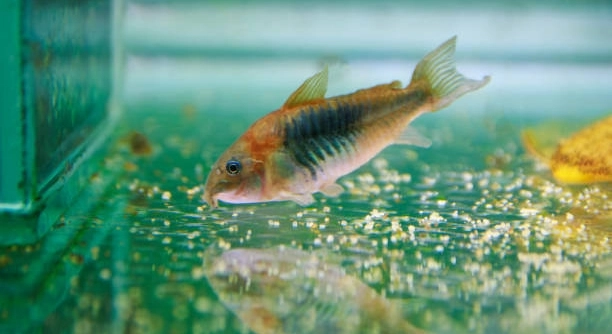
Corydoras catfish are popular aquarium fish known for their peaceful nature. These little creatures thrive in a tank that provides them with a comfortable and secure environment. Adequate hiding spots are essential for their well-being.
Corydoras catfish are shy creatures that need enough hiding spaces to feel secure. If they lack adequate shelter, they may become stressed, show signs of discomfort, or even develop health issues. Proper hiding spots promote their overall well-being.
Providing the right number of hiding spots helps reduce stress and boosts their health. Understanding these signs can make a big difference in your catfish’s quality of life, ensuring they stay happy and healthy in their home.
Why Hiding Spots Are Important for Corydoras Catfish
Corydoras catfish are bottom dwellers that feel most comfortable in environments where they can hide and feel safe. In their natural habitat, they have plenty of hiding spaces, such as plants, rocks, and other structures. When kept in aquariums, it’s important to replicate this by providing enough hiding spots. Without these shelters, Corydoras can become anxious, which can lead to stress and health problems. A stressed-out fish is more likely to hide in one small corner or become more visible, which may not be ideal for their overall health. Having hiding spots also allows them to explore at their own pace and retreat when needed.
Providing multiple hiding spots in a tank is crucial to maintaining the balance of a healthy environment for your Corydoras catfish. A well-set tank helps them feel comfortable, encouraging natural behaviors. These hiding places also protect them from more aggressive tank mates.
If your Corydoras don’t have enough hiding spots, they may start showing signs of stress. Stress in fish can lead to a weakened immune system, which makes them more susceptible to disease. It can also make them more shy and less likely to come out of hiding, affecting their feeding patterns. They may even stop eating, which weakens them further. Regularly checking if the tank provides enough safe spaces can prevent these problems. Make sure the hiding spots are positioned strategically throughout the tank to allow easy access from all areas. This way, Corydoras will always have a safe retreat.
Signs Your Corydoras Need More Hiding Spots
If your Corydoras catfish is acting out of character, it might be time to reconsider the tank’s setup. They may need more hiding spots.
A common sign that your Corydoras catfish needs more hiding spots is constant hiding or erratic behavior. If they are constantly hiding in the same spot and avoid interacting with the tank environment, it’s a clear indication that they feel unsafe. Adding more hiding places will help reduce this behavior and provide them with a sense of security. Be sure to give them enough room to move between these spots easily.
Increased Hiding Behavior
If your Corydoras catfish is constantly hiding or spending most of its time in one secluded area, it could be a sign that the tank lacks enough hiding spots. Corydoras are naturally shy fish, and without enough shelter, they may feel exposed or vulnerable.
When they don’t have enough places to hide, they may retreat into corners or stay in the same spot, reducing their normal activity. While it’s normal for these catfish to seek shelter, an increase in hiding time could indicate stress. To address this, adding caves, plants, or other structures will encourage them to feel safer and move around more freely. A more active catfish is a healthier catfish.
Without these additional hiding spots, your Corydoras might begin to display more anxious or fearful behavior. They could even stop interacting with the tank altogether, leading to a decline in feeding habits. More hiding spots will help reduce their stress and allow them to feel more secure. By adding a few more plants or hiding places, you’ll see an improvement in their behavior, activity, and overall well-being.
Aggressive Tank Mates
Corydoras can be easily stressed by more aggressive tank mates, which can also prompt them to seek refuge in hiding spots. If you notice your fish spending more time in hiding when certain tank mates are around, it might be due to feeling intimidated. These fish prefer calm, peaceful environments.
If your tank is home to more aggressive fish, Corydoras might constantly look for shelter to escape unwanted attention. It’s important to give them enough hiding places to retreat and feel safe. Adding rocks, caves, or dense plant coverage can provide much-needed protection from these more dominant species. The more secluded spaces you can create, the more secure your Corydoras will feel in their habitat.
In addition, be mindful of your fish’s behavior. If they frequently hide and only emerge when the aggressive fish aren’t around, it’s clear they’re trying to avoid conflict. Making adjustments to the tank setup will not only help your Corydoras feel more secure but also keep the peace among your fish population. By doing so, everyone will thrive.
Reduced Activity Levels
A decrease in activity could mean your Corydoras catfish feels unsafe or stressed. If they’re hiding more and swimming less, it may indicate that their current hiding spots are insufficient, leaving them feeling exposed and vulnerable.
Without enough places to hide, Corydoras may spend most of their time in one spot, becoming lethargic. They might not explore the tank as they typically would. Adding extra hiding spots encourages them to swim and move around freely, reducing stress and boosting their activity levels. This will help maintain their health and improve overall tank dynamics.
Changes in Eating Habits
Corydoras catfish are typically bottom feeders that love to forage. If they are hiding and not eating as much, it’s a sign that they’re not feeling safe in their environment. More hiding spots may encourage them to come out more often.
Adding more hiding spots will provide your Corydoras with the security they need, allowing them to feel comfortable enough to eat. Having various places to hide can help alleviate stress and give them the peace they need to approach their food, leading to a healthier and more active fish.
Unusual Swimming Patterns
If your Corydoras catfish starts swimming in unusual or erratic patterns, it could mean they are stressed or feeling threatened. This behavior often happens when they lack hiding spots, leaving them without a safe retreat.
Stress can cause Corydoras to swim rapidly, darting from one corner to another or staying close to the tank’s edges. This erratic behavior might also be caused by tank mates or a lack of shelter. By increasing the number of hiding places in the tank, you’ll help your Corydoras feel safe, reducing their stress and preventing such behavior.
FAQ
How many hiding spots does a Corydoras catfish need?
Corydoras catfish should have at least three or four good hiding spots in a standard tank. These spots can include caves, plants, or rocks. Having multiple options allows the fish to feel secure and gives them the ability to choose the best spot based on their mood or needs. The more hiding spots, the better. This helps reduce stress and keeps them active and healthy. Keep in mind that Corydoras enjoy exploring, so try to spread out the hiding spots around the tank to encourage movement and activity.
What kind of hiding spots are best for Corydoras catfish?
The best hiding spots for Corydoras catfish are ones that mimic their natural environment. Caves, small tunnels, and dense plant coverage are ideal. Corydoras love to hide in dark, tight spaces where they can retreat and feel safe. You can use ceramic or PVC tubes, aquarium-safe rocks, or even driftwood. Plants like Java Fern or Anubias also work well, providing both shelter and a natural look to the tank. Make sure these hiding spots are not too small, as the catfish need to move freely inside.
Can Corydoras catfish live without hiding spots?
While Corydoras can technically survive without hiding spots, they will likely become stressed and unhealthy. These catfish are naturally shy and bottom-dwelling, so without places to retreat, they can feel exposed and anxious. This stress can lead to reduced activity, poor feeding habits, and even illness. Therefore, hiding spots are necessary to maintain their physical and mental well-being. They are essential for promoting natural behavior and keeping your Corydoras healthy and comfortable in the aquarium.
Will Corydoras catfish hide all the time?
No, Corydoras catfish will not hide all the time. They are active fish that enjoy foraging, especially at night or in the early morning when the tank lights are off. However, when they feel threatened or stressed, they will retreat to their hiding spots. If your Corydoras is hiding all the time, it’s a sign that something in the tank might be making them uncomfortable, like a lack of hiding spots or aggressive tank mates. Providing more hiding places and a calm environment can help them feel more secure and comfortable.
Can I use aquarium decorations as hiding spots for Corydoras?
Yes, aquarium decorations can be used as hiding spots for Corydoras catfish, as long as they are safe and fish-friendly. Decorations like caves, tunnels, or even aquarium-safe rocks can create good hiding spots. Be sure that these decorations do not have sharp edges or cracks that could harm your fish. Also, check that the decorations are large enough to allow the catfish to move freely inside without feeling trapped. The goal is to create cozy, secluded spaces where your Corydoras can retreat and feel safe.
Do Corydoras catfish need hiding spots if they’re alone in the tank?
Even if your Corydoras catfish is the only fish in the tank, hiding spots are still important. Corydoras are naturally shy and will seek out hiding spots even without the presence of other fish. Having hiding spots provides them with a sense of security and allows them to express their natural behaviors. Without these spots, they might feel exposed, which can lead to stress, decreased activity, and poor health. Therefore, it’s still essential to provide hiding places for a single Corydoras catfish.
How can I tell if my Corydoras is stressed due to a lack of hiding spots?
If your Corydoras catfish is stressed, you might notice several signs, including excessive hiding, erratic swimming, lack of appetite, or visible signs of illness. If they consistently stay in the same hiding spot without coming out to forage or swim, it could be a sign that they feel insecure. Additionally, stress from a lack of hiding spots may cause Corydoras to swim rapidly or act unusually. Adding more hiding spots will encourage your fish to feel more comfortable and can help ease these stress-related behaviors.
Can I use plants as hiding spots for Corydoras catfish?
Yes, plants are an excellent option for hiding spots in your tank. Live plants like Java Fern, Anubias, or Amazon Sword provide hiding places and help create a more natural environment for your Corydoras catfish. The dense roots and leaves of these plants offer both shelter and a place for your fish to explore. Additionally, plants can improve the water quality by absorbing excess nutrients, which benefits your Corydoras. Just make sure the plants are securely anchored in the substrate and do not have sharp edges that could harm your fish.
What if I notice my Corydoras hiding but not swimming as much?
If your Corydoras catfish is hiding more than usual and not swimming, it’s important to assess the tank’s conditions. This behavior could indicate stress or discomfort due to inadequate hiding spots, tank mates, or water quality issues. Check for any aggressive tank mates that might be bothering the catfish, and ensure there are enough hiding places for them to retreat to when they need rest. Poor water conditions, such as high ammonia or nitrite levels, can also cause your Corydoras to feel unsafe. Regular water changes and maintaining optimal tank conditions can help alleviate this issue.
How can I make my tank more suitable for Corydoras catfish?
To make your tank more suitable for Corydoras catfish, focus on creating a peaceful environment with plenty of hiding spots. Use rocks, caves, and plants to provide shelter. Keep the water clean and well-filtered, as Corydoras prefer well-oxygenated, clean water. Additionally, avoid adding aggressive fish that might stress them out. Corydoras also prefer slightly acidic to neutral water, so keep the pH levels within the appropriate range for their species. Providing a suitable substrate, like fine gravel or sand, will also help them forage naturally. Regular water changes and a stable environment will keep your catfish healthy and happy.
Final Thoughts
Ensuring your Corydoras catfish have enough hiding spots is crucial for their overall health and well-being. These shy, bottom-dwelling fish need secure places to retreat to when they feel stressed or threatened. Without proper hiding spots, they may become anxious, less active, and more susceptible to illness. The addition of caves, plants, or rocks can make a significant difference, offering your Corydoras the comfort and security they need. Even though they are peaceful and social fish, they still require personal space and a sense of safety to thrive in the aquarium.
In a well-set tank, Corydoras catfish will not only feel more secure but also engage in natural behaviors like foraging, swimming, and interacting with their environment. Having multiple hiding spots encourages them to be more active and reduces stress, allowing them to live healthier lives. It’s essential to observe your catfish closely and pay attention to their behavior. If they begin to hide more often, swim erratically, or show signs of stress, it might be time to adjust the tank setup and add more hiding places. It’s a simple but effective way to promote their well-being.
Finally, creating an environment that supports the natural needs of your Corydoras catfish will help you enjoy watching them thrive. A calm, peaceful tank with enough hiding spots not only benefits your fish but also enhances the aesthetic of your aquarium. Corydoras are fascinating creatures to observe, and providing them with the right conditions will ensure that they stay healthy and active. Regularly assessing the tank for stress signs and making small adjustments can lead to a happier, healthier environment for your catfish.

Hello,
If you enjoy the content that we create, please consider saying a "Thank You!" by leaving a tip.
Every little bit helps us continue crafting quality advice that supports the health, happiness, and well-being of pets around the world, for pets of all shapes, sizes, and species.
We really appreciate the kindness and support that you show us!