
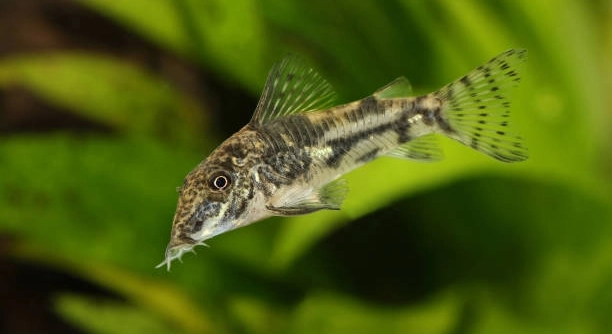
Are your Corydoras catfish often hiding or acting skittish even in a calm tank environment with peaceful tank mates and clean water?
Corydoras catfish may need more hiding spaces if they display stress behaviors such as frantic swimming, hiding constantly, or reduced appetite. Providing adequate cover supports their natural instincts and helps maintain their physical and emotional health.
Recognizing these signs early can make a big difference in your Cory’s comfort, behavior, and overall well-being inside the aquarium.
Why Hiding Spaces Matter for Corydoras Catfish
Corydoras catfish are peaceful bottom dwellers that thrive in calm, structured environments. In the wild, they often rest under leaves, rocks, or submerged wood to feel safe. Without hiding spots, these shy fish can become stressed, which affects their health and behavior. A stressed Cory may show signs like darting around the tank, avoiding food, or staying motionless for long periods. Adding hiding spaces like caves, driftwood, or dense plants helps mimic their natural habitat. This creates a sense of safety and encourages them to display natural behaviors such as foraging or gentle schooling. When Corys feel secure, they are more active and interactive. These fish rely on cover to relax and recharge, especially when lights are on or during tank maintenance. Hiding spots also reduce stress caused by tank mates or sudden movements around the aquarium. Their well-being improves when they feel less exposed and more protected.
Corydoras without proper cover often hide constantly behind the filter or decor. This is a sign they are uncomfortable and seeking shelter where none is truly available.
Watching your Corys explore and move around more freely is one of the benefits of providing the right hiding spaces. It’s a simple way to support their overall comfort and behavior.
7 Signs Your Corydoras Needs More Hiding Places
Corydoras that stay hidden all the time, refuse to eat, or start swimming in a frantic way may need better shelter.
- Constant Hiding Behind Equipment: If your Corys spend all day behind filters or heaters, they may feel too exposed in the rest of the tank.
- Refusing to Eat: When these fish feel unsafe, they may stop eating altogether, especially if food is placed in open areas.
- Frantic Swimming Patterns: Rapid darting or swimming up and down the glass can signal stress due to feeling vulnerable.
- Pale or Faded Colors: Corydoras under stress may lose some of their color, making them appear washed out.
- Lack of Activity: Corys that usually explore but suddenly become still for long periods might feel insecure.
- Aggression from Tank Mates: Without places to hide, Corys may get bullied and have nowhere to escape.
- Avoiding Open Spaces: If your fish avoids the middle of the tank completely, it may be because there’s no cover nearby.
Adding even a few simple shelters can make a big difference. Use smooth rocks, soft plants, or small caves that they can easily enter and exit. Spread them out to give options.
Best Types of Hiding Spaces for Corydoras
Natural materials like driftwood, smooth rocks, and live plants make ideal hiding spots. These items create soft shadows and gentle cover without blocking swimming space. Caves, tunnels, and leaf piles also offer cozy spots for rest and security.
Use decorations that have rounded edges and are easy to clean. Smooth ceramic caves or PVC pipes work well as long as they’re small enough for Corys to feel snug inside but wide enough for safe entry and exit. Avoid anything sharp or rough, as Corydoras have delicate barbels that can get damaged. Spread hiding spots across the tank instead of clustering them in one area. This gives each Cory its own space to retreat when needed. Including low plants like Java fern, Anubias, or floating plants helps reduce light and mimic their natural environment, especially if your tank lighting is strong.
Aquascaping doesn’t have to be complex. Even a small clay pot laid on its side can give a shy Cory a spot to rest. Stack a few smooth stones to form a shelter, or anchor a bit of moss over a small cave to blend it in. These simple touches can keep your Corys feeling calm and secure every day.
How Many Hiding Spots Should You Add?
A good rule is to provide at least one hiding spot per Corydoras, with a few extra for variety. This ensures they can rest without competing for space.
Corydoras live in small groups, so you’ll want multiple shelters that offer enough space for a few fish at a time. Some Corys enjoy resting together, while others may want a space to themselves. Offer a mix of open-ended caves, dense plant corners, and driftwood arches. Try placing shelters in different areas of the tank—near the filter, in darker corners, and close to feeding zones. This lets the fish choose based on their comfort and activity levels. Avoid crowding the tank with too many decorations, as Corys also need room to swim along the bottom. By balancing cover and open space, you’ll help your fish feel safe while allowing natural, healthy movement and behavior.
Common Mistakes When Adding Hiding Spots
Using oversized decorations can make Corydoras feel more exposed instead of protected. If a shelter is too large, it won’t give the secure feeling they seek. Stick to smaller, snug spaces that match their size and behavior.
Avoid sharp decorations or rough gravel that can injure their soft undersides and sensitive barbels. Smooth surfaces are always better for Corydoras tanks.
Do Corydoras Use the Same Hiding Spot?
Corydoras may return to the same hiding spot if it feels safe and undisturbed, but they also like having options. They often rotate between a few favorite spots depending on the time of day or what’s happening in the tank. If one area becomes too bright or busy, they’ll move to a quieter one. That’s why it’s helpful to give them more than just one or two places to rest. Each fish has slightly different preferences, and extra shelters reduce the chance of crowding or competition among tank mates.
When to Add More Hiding Spots
If your Corydoras become more skittish than usual or stop exploring, it might be time to add another shelter.
FAQ
How many hiding spots do Corydoras need in a tank?
Corydoras should have at least one hiding spot per fish, but having extra options is ideal. Providing a variety of shelters ensures that each fish feels safe, even during times when they may want to rest or escape from more active tank mates. A mix of caves, plants, and driftwood will keep them feeling secure and allow them to choose where they want to rest based on their mood.
Do Corydoras prefer natural decorations for hiding spots?
Yes, Corydoras tend to feel more at ease with natural decorations, like driftwood, rocks, and live plants. These materials mimic their natural habitat, making them feel safer and more comfortable. They like the shadows and cozy spaces created by these items. The key is ensuring that the decorations are smooth and free from sharp edges that could harm their sensitive barbels or fins.
Can Corydoras live in tanks without hiding spaces?
While Corydoras can survive in tanks without hiding spaces, they will likely become stressed over time. Corys are naturally shy fish and need places to hide when they feel threatened. Without enough shelter, they may show signs of stress, like constant hiding, loss of appetite, or excessive swimming. Proper hiding spots are crucial for their well-being.
What happens if there are too many hiding spots in the tank?
If there are too many hiding spots in the tank, it can limit the swimming space for your Corydoras. It’s important to balance hiding spaces with open areas to allow for healthy movement. Overcrowding the tank with decorations can also make it harder to maintain water quality, as filters may not be able to circulate the water efficiently around dense decorations. It’s best to place shelters strategically, giving each fish its own space while still leaving room for swimming.
How do I know if my Corydoras are stressed due to lack of hiding spots?
Signs that your Corydoras are stressed due to insufficient hiding spots include constant hiding behind filters or decorations, swimming erratically or at the water’s surface, refusal to eat, and faded colors. If your Corys are staying in one spot for long periods or darting around the tank nervously, they might feel exposed and need more cover. Stress can also lead to illness, so it’s important to address this issue promptly by adding more hiding spaces.
Can I use plastic plants or decorations for Corydoras?
Plastic plants and decorations can be used, but you must be cautious about their quality. Sharp edges or rough surfaces on plastic items can injure your Corydoras, especially their delicate barbels. If you choose plastic items, make sure they are smooth and free from any potential hazards. Ideally, live plants are a better option, as they help with water quality and mimic natural environments.
Are caves necessary for Corydoras?
Caves are not strictly necessary, but they are highly beneficial for Corydoras. They provide a safe, dark space where Corydoras can hide and rest, especially if they feel stressed or threatened. You can use small ceramic or plastic caves, or even create shelters by arranging rocks or driftwood in the tank. Corydoras love to rest in these safe spaces and will feel more comfortable in the tank if they have them.
Can I add hiding spots while the tank is fully stocked?
Yes, you can add hiding spots to a fully stocked tank, but it’s important to do it gradually. Adding too many decorations at once can disturb the balance of the tank and disrupt fish behavior. Adding them slowly allows the fish to adjust and makes sure the new items don’t disrupt the water flow or crowd the tank. Keep in mind that you should still leave ample swimming space for all your fish.
How often should I rearrange the hiding spots in my tank?
You don’t need to rearrange the hiding spots too often, but changing things around every few months can help keep your Corydoras engaged and curious. They may enjoy a change in their environment and explore new hiding spots. However, make sure the change doesn’t overwhelm them or cause too much stress. Ensure that any rearrangement still allows for plenty of space to swim and healthy water circulation.
What if my Corydoras refuse to use the hiding spots?
If your Corydoras aren’t using the hiding spots, it may be because they are not in the right locations or are too exposed. Try placing shelters in darker areas or closer to the tank’s bottom. Sometimes, Corydoras prefer more secluded spots that are away from strong lighting or active tank areas. If the hiding spots are too big or too small, they might also feel uncomfortable. Experiment with different options until you find what works best for your fish.
Can I add live plants as hiding spaces for Corydoras?
Yes, live plants can be excellent hiding spots for Corydoras. Plants like Java moss, Anubias, and Java fern provide cover and allow Corys to retreat in a natural setting. They also improve water quality and add to the tank’s overall aesthetic. Be sure to plant the greenery securely to avoid it being uprooted by your fish, as Corys often dig through the substrate in search of food.
Final Thoughts
Providing the right hiding spots for your Corydoras catfish is essential for their health and well-being. These peaceful fish are naturally shy and prefer to have areas where they can retreat when they feel stressed or threatened. Without proper cover, Corydoras can become anxious, which may lead to behaviors like excessive hiding, lack of appetite, or even illness. By adding caves, plants, or driftwood to your tank, you create an environment that mimics their natural habitat and allows them to feel safe and secure.
It’s important to keep in mind that Corydoras need more than just hiding spots. The overall tank setup plays a role in how they feel. You want to make sure the tank has enough space for your fish to swim freely while also offering sufficient shelters for them to rest. Using a mix of decorations, such as smooth rocks, caves, and low plants, ensures that each fish has access to a spot that feels comfortable. At the same time, maintaining a balance between hiding spaces and open areas for swimming is crucial for their happiness.
Lastly, don’t forget to monitor your Corydoras’ behavior. If you notice any signs of stress or discomfort, such as unusual swimming patterns, loss of appetite, or faded colors, it may be a sign that they need more hiding spots or a different tank setup. Every Corydoras is unique, and observing their habits closely will help you understand their needs. With the right care, your Corydoras will thrive in a tank where they feel safe and secure, and you’ll enjoy watching their natural, playful behaviors.

Hello,
If you enjoy the content that we create, please consider saying a "Thank You!" by leaving a tip.
Every little bit helps us continue crafting quality advice that supports the health, happiness, and well-being of pets around the world, for pets of all shapes, sizes, and species.
We really appreciate the kindness and support that you show us!