
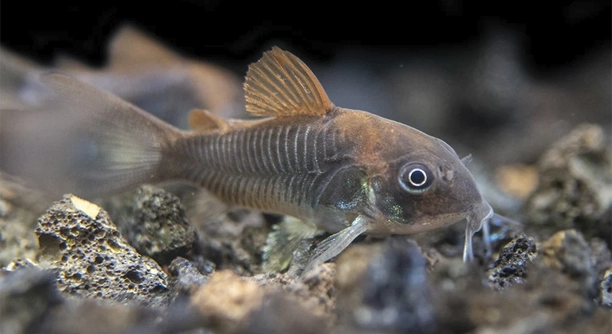
Corydoras catfish are peaceful, social creatures that thrive in environments with plenty of hiding spots. Knowing when your fish may need more hiding places can improve their well-being and reduce stress.
Corydoras catfish require hiding spots for safety and comfort. If your fish exhibit signs of stress, aggression, or excessive surface swimming, it’s time to assess their environment and consider adding more hiding places to reduce tension and improve their overall health.
By understanding their behavior and needs, you can create a more secure and peaceful home for your Corydoras catfish.
Signs of Stress in Corydoras Catfish
Corydoras catfish are naturally calm and social, but they can become stressed if their environment isn’t ideal. Stress often leads to abnormal behavior, which is a clear indicator that something in their habitat may be wrong. One of the most noticeable signs of stress is excessive swimming at the surface. Corydoras prefer to stay at the bottom of the tank, and if they are constantly near the surface, it suggests they are feeling vulnerable. Similarly, if they appear more skittish or avoid other fish, they might not feel safe. A lack of hiding spots can amplify this stress, leaving your fish exposed.
In some cases, Corydoras may also exhibit erratic swimming patterns or seem to be constantly searching for cover. These behaviors suggest they’re feeling unsettled. Their instinct is to hide when threatened. Without adequate hiding places, your fish may not feel secure, which leads to ongoing stress.
In addition, physical signs such as clamped fins or unusual hiding for long periods may occur. These signs usually indicate that your fish are trying to retreat from a stressful environment. By addressing the issue of hiding spots, you can help reduce stress and improve their quality of life.
How Hiding Spots Help Corydoras Catfish
Adding more hiding places helps reduce the stress of your Corydoras catfish. This allows them to feel more secure.
When you add more hiding spots, you offer your Corydoras catfish the ability to retreat and feel protected. This simple change can make a significant difference in their behavior and overall well-being. Whether it’s caves, plants, or other decorations, they will appreciate the ability to escape from any potential threats. It’s important to consider the size and placement of these hiding spots so that your catfish can easily access them.
A variety of hiding places also helps create a more natural environment. Corydoras catfish are bottom-dwellers, and they instinctively seek shelter from potential dangers. By replicating their natural habitat with objects they can hide behind, you give them a better sense of security and comfort. This, in turn, encourages them to explore and interact more naturally with their surroundings.
Observing Corydoras Catfish Behavior
Corydoras catfish are social creatures that feel safest when they have a place to hide. Their behavior will often reflect how secure they feel in their environment. If they’re constantly swimming in open areas or avoiding other fish, they may need more hiding spots.
Pay close attention to how your fish interact with the tank. If they swim near the surface more often or avoid normal social behaviors, it’s likely due to stress. This can occur when they don’t feel safe. They prefer resting near the bottom or in hiding places, so when those are lacking, they may act out. The more hiding spots available, the more relaxed they tend to be. The right changes to the tank can reduce these behaviors and improve their comfort level.
When Corydoras are provided with enough hiding spots, they will likely resume their natural behavior of foraging and socializing. Fish that are comfortable with their environment tend to be more active and appear healthier. Adding hiding places will encourage them to explore and interact naturally with each other.
Importance of Tank Setup for Corydoras Catfish
The setup of your tank plays a big role in how comfortable your Corydoras catfish feel. A tank with enough hiding spots allows them to reduce stress, as it mimics their natural environment. They need places to retreat when they feel threatened, whether from other fish or external factors.
A well-arranged tank includes plenty of plants, caves, or rocks that create sheltered spaces. These features can help your catfish feel secure. Consider using decorations that are easy to navigate but also provide enough space for them to hide. When they are provided with these features, Corydoras are more likely to thrive, showing healthier behaviors and more natural social interactions. Their preference for hiding makes it crucial to ensure they are not exposed to stressors.
By ensuring your tank has proper hiding spots, you encourage your fish to behave more naturally. This not only reduces stress but also supports their long-term health. A comfortable, secure environment makes it easier for your Corydoras to live happily.
Common Signs That Your Corydoras Need More Hiding Places
If your Corydoras are staying near the surface or swimming in circles, they may feel exposed. The lack of hiding spots can leave them feeling vulnerable. This behavior indicates a need for more sheltered areas in the tank to restore their sense of security.
Stress from not having enough hiding places can also cause Corydoras to become more aggressive or territorial. They may struggle to find a place to rest, leading to exhaustion and further discomfort. A lack of proper hiding spots forces them to spend more energy on feeling safe, leaving them less active overall.
How to Add Hiding Places to Your Tank
When adding hiding places, ensure that the spots are accessible for your Corydoras. Small caves, plants, or driftwood can work well. Make sure these features are not too large or difficult to reach, as Corydoras are smaller fish. Arrange the tank to provide multiple hideouts for them to explore. This gives your fish the option to retreat whenever they need to feel secure.
Proper hiding spots can drastically reduce stress in your Corydoras, helping them to feel safe and more at ease in their environment.
Tank Arrangement Considerations
The arrangement of the tank is just as important as the decorations added. Make sure there is enough space between hiding places for Corydoras to move comfortably. Overcrowding the tank with decorations can lead to reduced swimming space, increasing stress instead of relieving it.
FAQ
How many hiding spots does a Corydoras need?
Corydoras catfish need at least two or three hiding spots to feel secure. This provides enough variety for them to choose from based on their mood and interactions with other fish. The more hiding places available, the less stress they will experience. Make sure the spaces are evenly distributed across the tank to allow free movement and reduce competition for hiding spots.
Can I use plants as hiding spots for Corydoras?
Yes, plants are excellent hiding spots for Corydoras. Live plants such as java ferns, anubias, or moss can provide both cover and additional surfaces for your catfish to explore. Dense plant clusters or floating plants can offer a more natural environment for hiding. Just make sure the plants aren’t too thick or dense, which could restrict movement or create too much hiding space for too few fish.
Should I add caves for Corydoras?
Adding caves is a great option for Corydoras catfish. Small, smooth caves provide a safe space for your fish to retreat when they need rest or feel threatened. It’s important to ensure that the caves are large enough for the Corydoras to fit inside comfortably but not too large to prevent them from feeling secure. Ceramic or resin caves are often ideal because they mimic natural hideouts found in the wild.
Can hiding places help with aggression in Corydoras?
Yes, hiding places can help reduce aggression in Corydoras. These fish are peaceful, but when they feel threatened or overcrowded, they can become territorial. Adding more hiding spots gives your fish a way to retreat and avoid confrontations with tank mates. This is especially important in community tanks where Corydoras may need a break from more active or territorial species.
What kind of decorations can I use for Corydoras hiding places?
Smooth rocks, driftwood, and ceramic decorations work well as hiding spots. Avoid sharp-edged decorations that could harm your Corydoras. Natural-looking decorations are preferable, as they create an environment similar to what the fish would experience in the wild. Be sure the decorations are large enough to create enough shelter but not so big that they crowd the tank and reduce swimming space.
Do Corydoras need hiding places during the day?
Corydoras often rest during the day, especially when they feel secure in their environment. They may spend time in hiding spots or in low-light areas of the tank. While they are bottom-dwelling fish, they still need a place to hide for safety and to feel comfortable. Providing enough hiding spaces helps reduce the stress they may feel when interacting with other fish or during active tank hours.
How can I tell if my Corydoras are stressed?
Common signs of stress in Corydoras include excessive surface swimming, hiding for long periods, or avoiding social interactions with other fish. If your fish seem to be avoiding areas where they normally spend time, or if they exhibit erratic behavior, it’s a sign they may need more hiding spots. Stress can also cause Corydoras to be more skittish, easily startled by movements in the room or disturbances in the tank.
Can I overcrowd the tank with hiding spots?
Overcrowding the tank with too many hiding spots can lead to a lack of swimming space, which increases stress for Corydoras. It’s important to strike a balance between providing enough hiding places and allowing room for your fish to move freely. Too many decorations can restrict movement and make the tank feel cramped, leading to more stress instead of relieving it.
Do Corydoras hide when they are sick?
Yes, Corydoras may hide more when they are feeling unwell. Illness can cause them to seek shelter away from other fish, especially if they feel vulnerable or weakened. If your Corydoras is hiding more than usual and showing other signs of illness (such as clamped fins, lack of appetite, or unusual swimming patterns), it’s important to check their environment and consult a veterinarian if necessary.
Can hiding spots affect Corydoras breeding?
Hiding spots can encourage Corydoras to breed by providing a safe and secure environment for them to reproduce. Female Corydoras tend to lay their eggs in sheltered areas, where they can remain protected. Providing enough hiding spaces can promote natural breeding behavior, but it’s also important to ensure the tank is free of aggressive tank mates that could disrupt the process.
How can I maintain hiding places for Corydoras?
To maintain hiding places for Corydoras, clean the tank regularly without disturbing the decorations. Remove any debris from caves, plants, or rocks, and ensure that these hiding spots don’t get clogged with algae. Check the decorations occasionally for any damage or sharp edges that could harm your fish. Keeping the environment clean and safe ensures that your Corydoras can continue to use these spaces for comfort.
Are plastic decorations safe for hiding places?
Plastic decorations can be used, but they must be smooth and free of sharp edges. Avoid plastic items that are rough or poorly made, as they can injure your Corydoras. Opt for high-quality plastic decorations that are designed specifically for aquarium use. Ideally, though, natural materials like smooth rocks and driftwood are better for creating safe hiding spots for your fish.
How many Corydoras should I have for each hiding spot?
It’s best to provide at least one hiding spot for every two to three Corydoras in your tank. This ensures that each fish has a place to retreat when needed. In a larger tank, adding extra hiding spots can help ensure that each fish feels secure and has enough space. Too few hiding spots can lead to competition among the fish, increasing stress levels.
Can I use artificial plants for hiding spots?
Artificial plants can be used for hiding spots, but make sure they are made from fish-safe materials. Look for plants that don’t have sharp edges or small parts that could break off. Artificial plants can provide a softer hiding place for your Corydoras, but live plants are usually a better option for creating a more natural and beneficial environment.
How do I make sure my Corydoras feel safe with hiding spots?
To ensure your Corydoras feel safe, choose hiding spots that are easy to reach and not too cramped. The spots should also provide a sense of security without making the fish feel trapped. Incorporating a variety of hiding places, such as caves, plants, and rocks, can allow them to choose the spot that feels most comfortable.
Final Thoughts
Creating a comfortable and stress-free environment for your Corydoras catfish is essential for their well-being. Ensuring they have enough hiding places will help reduce stress and give them a place to retreat when needed. Corydoras are naturally shy and bottom-dwelling fish, and without enough shelter, they can become more anxious or even unhealthy. By adding caves, plants, or driftwood to your tank, you provide them with the security they need. This not only improves their overall health but also helps them feel more confident in their environment. The more sheltered spaces you offer, the more relaxed your fish will be, which promotes natural behaviors and a happier tank.
Corydoras are social creatures that thrive in groups, so it’s important to consider their social needs when setting up your aquarium. A proper number of hiding spots can prevent conflict and aggression between fish, especially in larger tanks or community tanks. When fish feel safe, they are less likely to compete for space and more likely to interact peacefully with one another. Having multiple hiding places allows each fish to choose a spot where they feel most comfortable. This helps prevent stress from overcrowding or territorial behavior, ensuring that all of your Corydoras can coexist peacefully.
While the importance of hiding places in a Corydoras’ tank is clear, it’s equally important to maintain a balanced environment. Overcrowding the tank with too many decorations can lead to a lack of swimming space, which can create stress instead of alleviating it. Ensuring that the tank has enough room for your fish to move freely while also providing secure hiding places will create a harmonious balance. Regular maintenance of the tank, including cleaning hiding spots and checking for any damage, will keep the environment safe and comfortable for your Corydoras. With these considerations in mind, your Corydoras will thrive and remain healthy in their aquarium.

Hello,
If you enjoy the content that we create, please consider saying a "Thank You!" by leaving a tip.
Every little bit helps us continue crafting quality advice that supports the health, happiness, and well-being of pets around the world, for pets of all shapes, sizes, and species.
We really appreciate the kindness and support that you show us!