
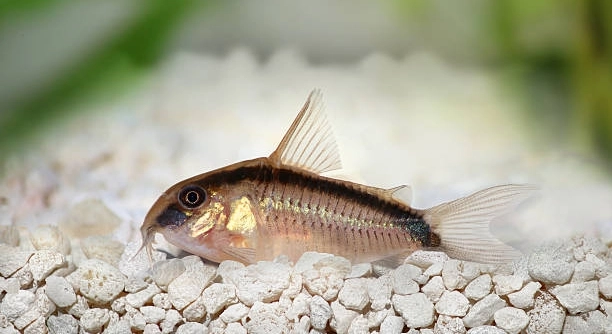
Are your Corydoras catfish looking stressed or acting differently in their tank lately? Overcrowding might be the issue, and knowing the signs can help keep your fish healthy and happy.
Corydoras catfish show signs of overcrowding through erratic swimming, hiding more often, decreased appetite, pale coloration, fin damage, increased aggression, and labored breathing. Recognizing these symptoms early helps prevent stress-related illness and supports long-term well-being.
Understanding how tank conditions affect behavior can improve your fishkeeping experience and ensure your Corydoras remain active and stress-free in their environment.
Why Overcrowding Affects Corydoras Catfish
Corydoras catfish are peaceful and social fish that thrive in groups. However, when too many are placed in a small tank, they begin to show signs of stress. Overcrowding leads to poor water quality, limited swimming space, and increased competition for food and oxygen. This change in environment can impact their immune system, making them more vulnerable to disease. It also disrupts their natural behavior, as they may become more aggressive or withdrawn. These stressors are especially harmful to bottom-dwellers like Corydoras, who need clean, well-oxygenated water to thrive. Over time, overcrowding can even shorten their lifespan. Keeping your tank balanced with enough space is essential for their health and comfort. A general rule is one gallon of water per inch of fish, but bottom-dwellers need more consideration due to their unique habits. Observing how they behave can give you clear insight into whether they are living in a suitable environment.
Keep an eye on any unusual changes in behavior, especially if new fish were added recently or if the tank seems full.
When a tank is overcrowded, water quality often suffers due to excess waste. Ammonia and nitrite levels rise, and oxygen drops, which can quickly become dangerous. Filtration systems may also struggle to keep up. Corydoras, being bottom-feeders, are especially vulnerable to these changes because they live where waste tends to settle. These conditions lead to signs of stress such as gasping near the surface, frantic swimming, or hiding more than usual. You may notice fin damage from frequent skirmishes or a pale, washed-out color, which indicates a decline in health. If several of these symptoms appear at once, it’s likely the tank has reached its capacity. Testing your water regularly, ensuring proper tank size, and providing hiding spots can help manage space better. Aim for a long tank rather than a tall one, as Corydoras prefer horizontal swimming space. Keeping their habitat calm and clean is key to avoiding problems linked to overcrowding.
7 Signs Your Corydoras Are Too Overcrowded
Erratic swimming is one of the first signs something is wrong. Corydoras typically swim calmly, so darting behavior may suggest stress.
One clear sign is labored breathing. If you see your Corydoras frequently going to the surface for air, it could mean the oxygen levels are too low due to overpopulation. Another sign is increased hiding. These fish enjoy shelter, but if they are constantly hiding and not coming out during feeding times, it suggests they are stressed. A pale or faded appearance is also common, and usually signals poor water quality or discomfort. Fin damage may appear from bumping into decorations or being nipped by others in a crowded space. You might also notice decreased appetite, which is often caused by competition during feeding. Lastly, aggression or frequent chasing is rare in these peaceful fish but can occur in cramped tanks. Spotting these signs early helps keep your Corydoras healthy and stress-free.
How to Prevent Overcrowding in a Corydoras Tank
A good rule is to provide at least 1.5 to 2 gallons of water per inch of Corydoras. Stick to this ratio and avoid impulse additions.
Always plan your stocking levels before setting up a community tank. Corydoras are social, so groups of five or six are best, but you’ll need a tank large enough to support them without stressing the system. Choose longer tanks to give them horizontal space, and use fine gravel or sand to protect their delicate barbels. Make sure you also have efficient filtration and enough surface agitation for oxygen. Monitor how much waste builds up and perform regular water changes to keep the environment safe. Adding too many tank mates at once can throw off the balance, so space additions out gradually and give your tank time to adjust. These steps can prevent stress-related behavior and maintain a healthy habitat.
Creating a calm and structured tank layout is just as important as controlling numbers. Include plants, caves, and other decor that allow Corydoras to rest and hide when needed. Avoid sharp edges and rough surfaces that can harm their bodies. Maintain a feeding schedule and make sure food reaches the bottom where they feed. Uneaten food and waste build-up will reduce water quality and contribute to stress. Keep lighting soft to avoid overstimulation, and avoid overcrowding with top or mid-level swimmers that compete for space. Always research compatibility before adding new fish. Regularly test ammonia, nitrites, nitrates, and pH. Address problems early rather than waiting for visible signs of distress. Prevention is more effective than treatment and helps ensure your Corydoras remain active and healthy.
What to Do If Your Tank Is Already Overcrowded
Start by testing the water. If ammonia or nitrite is present, do a partial water change right away and improve aeration to reduce stress.
Next, reassess your tank setup and stocking levels. If the tank is too small, upgrading to a larger one may be necessary. Another option is rehoming some fish to maintain balance. Adjust feeding amounts to reduce waste, and remove uneaten food promptly. Rearranging decorations can help create new territories and reduce tension. Add live plants to help absorb nitrates and provide cover. Increasing filtration and improving circulation can also ease overcrowding effects. Gradually make changes to avoid shocking your fish. Reduce lighting for a calmer environment. Once you’ve made improvements, watch for positive behavior changes. With the right care, your Corydoras will begin to act more relaxed and display natural activity again.
If rehoming fish isn’t possible, you can create better conditions within the existing tank. Start by reducing visual stress—add more hiding spaces and use floating plants to dim light. Spread out feeding zones so fish aren’t competing in one area. Maintain a strict cleaning schedule and monitor tank parameters more frequently than usual. Consider adding an air stone to increase oxygen levels, especially if surface breathing was an issue. Don’t overcrowd the tank with too many decorations either, as this can limit swimming space. It’s important to work with what you have while keeping the fish comfortable. Taking these steps can help improve their environment even if you’re limited by tank size.
Signs Your Corydoras Are Unhappy Due to Overcrowding
Clamped fins are a common sign of stress. If your Corydoras hold their fins tightly against their bodies instead of fanning them out, it may be due to poor water conditions or lack of space.
Another symptom is frequent hiding. While Corydoras naturally enjoy cover, they shouldn’t stay hidden all day. Constant hiding could mean they feel unsafe or overwhelmed by the number of tank mates sharing their space.
Behavioral Changes to Watch For
Erratic swimming is an early warning sign of stress. If your Corydoras dart around the tank unpredictably, crash into glass, or appear to struggle with orientation, it may mean they are uncomfortable or panicking due to crowding. You might also see them swimming to the surface more often, which could point to low oxygen levels. Increased aggression or chasing, though rare for Corydoras, may also surface in a packed tank. These behaviors are signals that the tank needs immediate attention. Always observe changes in behavior carefully and take prompt action to relieve stress and improve tank conditions.
Physical Symptoms That Shouldn’t Be Ignored
Watch for faded colors or ragged fins. These signs usually show up when fish are living in poor water quality or feel constantly threatened.
FAQ
What is the ideal tank size for Corydoras catfish?
The minimum recommended tank size for a group of Corydoras catfish is 20 gallons for a small group. A larger tank is better to provide enough space for them to swim freely. The key is to offer horizontal swimming space rather than vertical, as Corydoras prefer to move along the bottom. You should also keep in mind that the number of Corydoras directly impacts the space you need. A tank that’s too small can lead to stress, which can affect their health. Ideally, you should add 10 gallons of water for every additional group of Corydoras you introduce.
How many Corydoras catfish should I keep together?
Corydoras are social fish that thrive in groups. It’s recommended to keep at least six Corydoras together. A small group of three can feel insecure, which may cause them to be stressed. Larger groups help reduce stress, as these catfish feel safer in numbers. However, make sure your tank has enough room to accommodate a larger group. If space is limited, it’s better to keep fewer fish to avoid overcrowding.
Can Corydoras live with other fish?
Yes, Corydoras are peaceful fish and usually get along well with other community tank mates. They are non-aggressive and prefer to be kept with other peaceful species. Avoid keeping them with large, predatory fish that might view them as food. Good tank mates include other bottom dwellers, such as loaches or other catfish, and species that occupy mid-to-top levels like tetras, guppies, and danios. Always check compatibility before introducing new fish to the tank.
How do I know if my Corydoras are stressed?
Stressed Corydoras may display signs such as erratic swimming, reduced appetite, pale coloration, or excessive hiding. They might also gasp at the water surface or show aggression. If you notice any of these behaviors, check the water quality, tank conditions, and ensure they have enough space. Stress can lead to weakened immune systems and make them more susceptible to diseases. Proper tank care can reduce stress and help your Corydoras thrive.
What water conditions do Corydoras prefer?
Corydoras thrive in soft, slightly acidic to neutral water with a pH between 6.0 and 7.5. Their ideal water temperature is between 72°F and 78°F. They prefer clean water with low levels of ammonia, nitrites, and nitrates. Regular water changes (about 25% per week) are necessary to maintain water quality, especially in a community tank. Use a reliable filtration system to help keep the water clean and oxygenated. It’s important to test the water regularly to ensure these parameters are met.
Can Corydoras survive in tap water?
Corydoras can live in tap water, but the water’s quality must be monitored closely. Tap water can contain chlorine, chloramine, and heavy metals, which can harm fish. It’s important to treat tap water with a water conditioner before adding it to the tank. Additionally, test the water’s hardness and pH levels regularly, as these factors can vary depending on your location. If your tap water is very hard or alkaline, you may need to adjust the parameters to suit Corydoras’ needs.
Do Corydoras need a substrate?
Yes, Corydoras prefer a soft, fine substrate like sand or smooth gravel. Their barbels (whiskers) are sensitive, and sharp gravel or rough surfaces can cause injury over time. They enjoy foraging through the substrate for food, so it’s important to choose a material that doesn’t harm their sensitive barbels. If you use gravel, make sure it has rounded edges to avoid any harm. A substrate that mimics their natural environment will also encourage natural behaviors.
How often should I feed Corydoras catfish?
Feed your Corydoras once or twice a day, offering them small amounts of food that they can consume in a few minutes. They are bottom feeders and will eat any leftover food that falls to the substrate. Ensure they are getting a balanced diet, including sinking pellets, frozen or live food such as worms or brine shrimp, and occasional vegetable matter. Avoid overfeeding, as excess food can pollute the water. Removing uneaten food after a few hours helps maintain water quality.
Are Corydoras catfish active during the day or night?
Corydoras are primarily nocturnal but will be active during the day if the tank is calm and well-maintained. They tend to be most active during dawn and dusk, foraging along the substrate for food. If your tank is too bright or noisy, they may retreat and be less active during the day. Providing plenty of hiding places in your tank can help them feel secure, encouraging more daytime activity.
How can I help my Corydoras breed?
To encourage breeding, ensure your Corydoras are healthy and kept in a tank with proper conditions. Breeding is triggered by water changes that mimic seasonal shifts. Lower the water temperature by a few degrees and perform a large water change with cooler water to stimulate spawning. Once they spawn, the female will lay eggs on smooth surfaces, and the male will fertilize them. After the eggs hatch, remove the parents to prevent them from eating the eggs. Feed the fry with infusoria or crushed baby food until they are large enough to eat regular fish food.
Do Corydoras catfish clean the tank?
Corydoras are excellent bottom feeders and help keep the tank clean by eating leftover food and detritus that settle at the bottom. However, they are not a substitute for regular tank maintenance. They will not clean algae off glass or decorations, so you still need to scrub surfaces and remove debris. Corydoras are best at cleaning areas of the tank that other fish don’t reach, especially in a well-planted tank.
Final Thoughts
Overcrowding in a Corydoras tank can lead to several issues that affect the well-being of your fish. When there is not enough space, the fish become stressed, which can result in behavioral changes and physical symptoms. Clamped fins, erratic swimming, and frequent hiding are some of the signs to look for. Additionally, water quality can deteriorate quickly in a crowded tank, leading to further stress and illness. The best way to avoid these issues is by ensuring you have the right tank size and stocking the tank according to the fish’s needs.
Maintaining a peaceful environment for Corydoras requires attention to both space and water conditions. It’s important to monitor water parameters regularly, including pH, hardness, and temperature, to keep them within the optimal range for Corydoras. You should also keep the tank clean, making sure to remove excess food and waste to maintain water quality. By doing so, you’ll help your Corydoras thrive and reduce the likelihood of overcrowding-related problems. Regular water changes and filtration will also help keep your tank in good condition.
In conclusion, caring for Corydoras involves more than just providing food and water. Creating the right environment, offering enough space, and monitoring water quality are key to keeping these peaceful fish happy. By understanding their needs and adjusting your tank conditions accordingly, you can ensure that your Corydoras live healthy, stress-free lives. A well-kept tank with a proper number of fish will allow your Corydoras to display their natural behaviors and enjoy their time in the aquarium.

Hello,
If you enjoy the content that we create, please consider saying a "Thank You!" by leaving a tip.
Every little bit helps us continue crafting quality advice that supports the health, happiness, and well-being of pets around the world, for pets of all shapes, sizes, and species.
We really appreciate the kindness and support that you show us!