
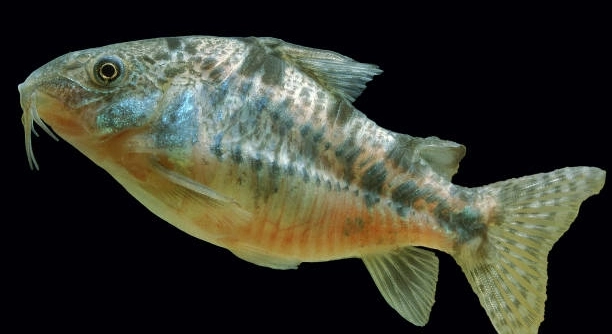
Corydoras catfish are a popular and active species in aquariums. However, like all fish, they are sensitive to temperature changes, and it’s important to ensure they are in a stable environment to thrive.
If your Corydoras catfish is too cold, it may exhibit sluggish movements, loss of appetite, or a tendency to stay near the bottom of the tank. These signs indicate that the water temperature is not ideal for their health.
Understanding these signs is essential for maintaining the well-being of your Corydoras. Keeping the right temperature can prevent further complications, so it’s crucial to address any issues early.
Signs Your Corydoras Catfish Is Too Cold
Corydoras catfish are hardy, but they do not tolerate cold temperatures well. When the water temperature drops too low, they may become lethargic and stop eating. This is one of the first signs that something is wrong with their environment. The ideal water temperature for Corydoras is between 72°F and 78°F (22°C to 26°C). If it falls outside of this range, it can negatively affect their health. They may not swim as much and can even appear to be “hiding” in the corners of the tank, which is not normal behavior for these active fish.
Cold water causes Corydoras to slow down. Their immune system becomes weaker, making them more vulnerable to infections. This can lead to further issues such as fin rot, skin lesions, or even death if the temperature is not corrected. In extreme cases, prolonged cold exposure can lead to organ failure. You’ll notice their breathing may become heavier as they struggle to take in oxygen, especially if the water is too cold for them to be comfortable.
When your Corydoras is feeling the chill, you may also see them gathering near the heater or in areas with warmer water. They might not be as interactive as usual. It’s important to monitor the temperature regularly with a thermometer and adjust the heater accordingly. If the temperature remains inconsistent, it could cause stress and additional health problems. Remember, cold stress over time can lead to a weakened fish and even make them more susceptible to disease.
How to Adjust the Temperature for Your Corydoras
The first step in adjusting the temperature is using a reliable aquarium heater. Ensure it is set to maintain a consistent temperature between 72°F and 78°F. Many aquarium heaters come with built-in thermostats, making it easier to regulate the water temperature.
If your aquarium is large, consider placing the heater near the filter output, as it helps distribute the warmth evenly. You might also want to use a separate thermometer to double-check the reading on the heater’s display. Keeping the water steady is crucial. Avoid sudden temperature changes, as this can cause stress to the fish, which could be more damaging than the cold itself.
If you notice the temperature fluctuating a lot, it might be worth investing in a high-quality heater with a temperature controller. This way, the heater will automatically adjust itself to maintain the ideal water temperature. Additionally, be cautious of external factors like air conditioning or drafts that could lower the water temperature. Make sure your tank is in a location that doesn’t experience frequent temperature changes.
Effects of Cold Water on Corydoras
Cold water is not just uncomfortable for Corydoras catfish; it can lead to serious health issues. The first sign of cold stress is reduced activity. Corydoras are normally active swimmers, and a sudden drop in temperature will slow them down significantly. In addition to their sluggishness, they may stop feeding, which can lead to malnutrition over time. It is vital to monitor their eating habits closely. A cold tank can also cause stress, which weakens their immune system and leaves them vulnerable to bacterial infections and parasites.
Low temperatures slow the fish’s metabolism, causing them to need less oxygen. This can result in heavy breathing or gasping near the surface, as they struggle to take in enough oxygen. Over time, their immune system will also become compromised. It can also make the fish more susceptible to diseases, including fin rot and swim bladder issues, as their body is unable to function properly in the cold. As the fish’s body becomes stressed, it can lead to poor coloration and overall lethargy.
Additionally, cold water can affect the growth and development of Corydoras. If kept in suboptimal temperatures for an extended period, they may not grow as they should. This can stunt their overall development, and in some cases, it could even cause organ failure due to long-term cold exposure. Monitoring and maintaining a stable water temperature is crucial for keeping your Corydoras healthy and active.
How to Spot If Your Corydoras Is Cold
When Corydoras are too cold, they tend to stay still and avoid swimming around. You may notice them hanging near the bottom of the tank, appearing sluggish and uninterested in food. This behavior suggests the water temperature is too low for their comfort.
They will also become less social, avoiding interaction with other fish. Cold water impacts their immune system, and they may develop visible health issues like pale or faded coloration. If you observe these signs, it’s time to check the water temperature and adjust it to within the ideal range for them.
Another sign is labored breathing. As Corydoras struggle to adapt to cold water, their ability to breathe efficiently becomes compromised. They may move closer to the water’s surface, where oxygen concentration is higher. Cold temperatures make them more prone to illnesses, and ignoring these signs can lead to long-term health issues for your fish.
The Impact of Cold Water on Corydoras Behavior
Cold water has a noticeable impact on Corydoras’ behavior. They typically enjoy foraging and interacting with other fish, but when the water is too cold, they will retreat and exhibit signs of distress. This can cause them to stop eating or show an increase in erratic swimming.
Because Corydoras are bottom-dwellers, they often remain in the lower regions of the tank when they’re cold. You might see them huddling together or resting more than usual. If you notice that your catfish are less active and seem disoriented, it’s likely due to the temperature drop. These changes are more than just temporary; if the cold stress persists, it could lead to permanent damage to their organs.
Another behavioral sign to watch for is an increase in hiding. Corydoras will search for warmer spots in the tank, often hiding in crevices or under plants. They tend to seek shelter when they feel unwell, which is common in cold conditions. It’s essential to observe their movement to ensure that they aren’t suffering from the drop in temperature.
Why Consistent Tank Temperature Is Vital for Corydoras
Corydoras thrive best when the water temperature remains stable. Fluctuations in temperature stress them out, making it difficult for them to maintain their health. Constant changes in temperature can weaken their immune system and leave them vulnerable to diseases.
To prevent these issues, it’s critical to keep the water in the optimal range for Corydoras, which is between 72°F and 78°F. Consistency is key, as they can’t adjust quickly to sudden drops or increases in temperature. Maintaining a steady environment ensures they stay healthy, active, and stress-free.
Investing in a good-quality heater with a thermostat helps regulate temperature fluctuations. This will keep the water within the ideal range for your catfish. Avoid placing the tank in areas where temperature changes frequently, such as near windows or air conditioning vents, as these can negatively affect your Corydoras’ well-being. Ensuring a stable temperature is one of the most important things you can do to keep your fish healthy.
The Best Water Temperature for Corydoras
Corydoras catfish are best kept in water that stays between 72°F and 78°F. This range allows them to thrive and maintain their natural behavior. Keeping the water within this range ensures they stay active, healthy, and less prone to stress or illness.
Temperatures below 70°F can cause your Corydoras to become sluggish and unwell. If it drops further, the risk of infections increases, as their immune system weakens. Be sure to monitor the tank regularly with a thermometer to keep it within the proper range for optimal health.
Adjusting the Tank Temperature for Your Corydoras
To adjust the tank temperature, make sure to invest in a quality aquarium heater. You’ll need one that can handle the size of your tank and maintain a consistent temperature. Many heaters come with thermostats that will automatically regulate the temperature, making it easier to keep your Corydoras comfortable.
It’s important to avoid quick temperature changes. Gradually increase or decrease the temperature to avoid shocking the fish. If your Corydoras are already stressed, sudden shifts in temperature can make their situation worse. Patience is key when adjusting the temperature in your tank.
Temperature-Related Health Problems for Corydoras
Corydoras that are exposed to low temperatures for extended periods are at risk for developing various health problems. These can include weakened immunity, increased susceptibility to parasites, and even internal organ failure in severe cases. They may also develop issues like skin lesions or fin rot.
It’s crucial to address temperature issues early on. If your Corydoras show any signs of illness or lethargy, check the water temperature immediately. Correcting the temperature quickly can help prevent these health problems and give your catfish the best chance of recovering.
FAQ
What is the ideal water temperature for Corydoras catfish?
The ideal water temperature for Corydoras catfish ranges from 72°F to 78°F (22°C to 26°C). This temperature range keeps them active, healthy, and comfortable. If the water temperature falls below 70°F, Corydoras can become sluggish, and their immune system may weaken, making them more susceptible to illness. Consistent temperature is key, as sudden drops or spikes can cause stress and potential health problems.
How can I tell if my Corydoras catfish is too cold?
If your Corydoras is too cold, you’ll notice a few signs. They may stop eating or swim less, often staying near the bottom or hiding. Their behavior may become lethargic, and they might breathe more heavily, attempting to get more oxygen. These changes are signs that the water temperature has dropped too low and should be addressed quickly to prevent further stress or health problems.
Can Corydoras survive in cold water?
Corydoras can survive in cold water for a short time, but it is not ideal for their health. Prolonged exposure to water that is too cold can weaken their immune system, making them more vulnerable to infections and diseases. Their metabolism slows down in colder temperatures, which can lead to poor digestion and inactivity. If kept in cold water, Corydoras may also have trouble breathing, as the water holds less oxygen.
How do I maintain a stable temperature for my Corydoras tank?
To maintain a stable temperature, use a reliable aquarium heater with an adjustable thermostat. The heater will regulate the temperature automatically, keeping it within the ideal range for your Corydoras. It’s also important to place your tank in a location away from drafts, air conditioning, or direct sunlight, as these can cause fluctuations. Regularly check the water temperature with a thermometer to ensure consistency.
What should I do if my Corydoras catfish is acting lethargic?
If your Corydoras is acting lethargic, first check the water temperature. If the tank is too cold, it can cause them to slow down. Gradually adjust the temperature to bring it within the recommended range of 72°F to 78°F. Additionally, check for other signs of illness, such as unusual swimming patterns or skin lesions, as these could indicate an underlying problem.
Can Corydoras recover from cold stress?
Yes, Corydoras can recover from cold stress if the water temperature is corrected promptly. The key is to gradually bring the water temperature back to the ideal range of 72°F to 78°F. During recovery, make sure to avoid further stressors, like drastic water changes or overcrowding. You may also need to give them time to adjust and ensure their immune system is functioning properly again.
How long can Corydoras tolerate cold water?
Corydoras can tolerate short periods of cold water, but prolonged exposure is harmful. If the temperature drops below 70°F for more than a few hours, the stress can begin to affect their health. Over time, the colder the water, the higher the risk of health complications such as weakened immune function, slower digestion, and reduced activity levels.
What temperature fluctuations are harmful to Corydoras?
Even small fluctuations in temperature can be harmful to Corydoras. Rapid drops or increases of more than a few degrees within a short period can cause stress and weaken their immune system. Ideally, temperature changes should be gradual, and fluctuations should not exceed 2°F (1°C) over a short time frame. Consistency is vital for maintaining a healthy environment for your fish.
Should I use a thermometer in my tank?
Yes, it’s a good idea to use a thermometer in your aquarium to monitor the water temperature. This helps you ensure that the temperature stays within the ideal range for your Corydoras. A thermometer will also help you identify temperature fluctuations that could harm your fish. Placing a thermometer near the heater or in different areas of the tank can give you an accurate reading of the overall temperature.
Can Corydoras live in a tank without a heater?
Corydoras can live in a tank without a heater, but only if the room temperature remains consistently within the ideal range of 72°F to 78°F. However, it’s much more difficult to maintain stable temperatures without a heater. If your room temperature fluctuates frequently or gets too cold, a heater is essential to prevent stress and health problems for your Corydoras.
How can I prevent my Corydoras from getting too cold?
To prevent your Corydoras from getting too cold, ensure that your tank is placed in a stable environment, away from cold drafts, windows, or air conditioning. Invest in a reliable aquarium heater with a thermostat to regulate the temperature. Check the water regularly to confirm it stays within the ideal range of 72°F to 78°F. Make adjustments gradually if the temperature is too low or too high.
How do temperature changes affect Corydoras’ immune system?
Temperature changes can severely affect Corydoras’ immune system. Sudden cold or fluctuating temperatures cause stress, which weakens their ability to fight off diseases. If the water remains too cold for an extended period, their immune response becomes less effective, making them more prone to bacterial infections, parasites, and other illnesses. Keeping the temperature stable helps maintain a healthy immune system.
Can a sudden temperature change kill my Corydoras catfish?
A sudden and drastic temperature change can be fatal to Corydoras catfish. When the temperature drops too quickly, it causes severe stress, and their bodies can’t adapt fast enough. This can lead to organ failure or even death. It’s important to avoid large temperature fluctuations, especially when adjusting the water temperature or doing water changes. Always change the temperature gradually to ensure your fish don’t experience shock.
What are the best ways to warm up cold water for Corydoras?
To warm up cold water, gradually increase the temperature with an aquarium heater. Be sure to adjust the heater slowly, so the fish don’t experience sudden changes. If you need to warm up the water quickly, you can perform partial water changes with warmer water, but always make sure the change is gradual to avoid stressing your Corydoras. Avoid using methods like hot water bottles or direct heating elements, as they can cause dangerous temperature spikes.
What should I do if the heater in my tank fails?
If your aquarium heater fails, the first step is to check the water temperature. If it’s too cold, you’ll need to either replace the heater or find an alternative way to warm the water. You can use a temporary heating method like a heating pad under the tank (if safe) or perform partial water changes with warm water, but a heater should be replaced as soon as possible for long-term stability. Regularly monitor the water to avoid further temperature drops.
Final Thoughts
Maintaining the right water temperature is crucial for the health and well-being of your Corydoras catfish. These fish thrive in a stable environment, and even small changes in temperature can have significant effects on their behavior and overall health. Keeping the water between 72°F and 78°F helps ensure that your catfish stay active, healthy, and free from stress. If the water temperature drops below 70°F, Corydoras can become lethargic and less likely to eat. Prolonged cold exposure can weaken their immune system, making them more vulnerable to diseases.
Being aware of temperature fluctuations is essential, as these changes can be harmful in the long run. Cold water can cause your Corydoras to slow down and stop feeding, which can lead to more serious issues like malnutrition or infections. A steady, consistent temperature is the best way to keep your fish comfortable. Regularly checking the temperature with a thermometer and using a good aquarium heater can help avoid temperature-related problems. If you notice any signs of distress, such as heavy breathing or unusual behavior, it’s important to take action quickly by adjusting the temperature back to the proper range.
By understanding the signs that your Corydoras may be too cold and taking the right steps to maintain a healthy tank environment, you can ensure that your fish remain happy and thrive. A stable and warm tank will not only improve your Corydoras’ health but also help you enjoy watching their lively, playful behavior. Keeping the water in the ideal range isn’t just about temperature control—it’s about providing the best environment possible for your fish to live and grow.

Hello,
If you enjoy the content that we create, please consider saying a "Thank You!" by leaving a tip.
Every little bit helps us continue crafting quality advice that supports the health, happiness, and well-being of pets around the world, for pets of all shapes, sizes, and species.
We really appreciate the kindness and support that you show us!