
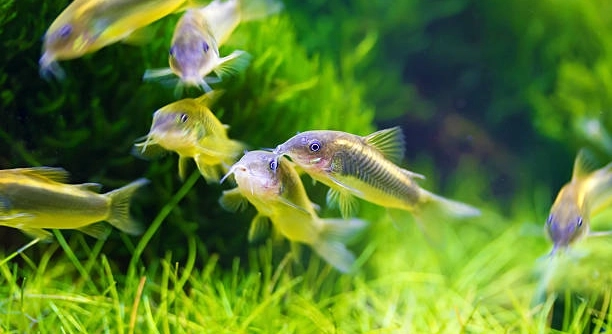
Corydoras catfish are popular for their peaceful nature and unique behavior. Ensuring they thrive in your aquarium requires understanding their needs and signs of good health. Recognizing these indicators can help maintain their well-being.
The key signs of a thriving Corydoras catfish include active swimming, healthy appetite, clear fins, and a vibrant coloration. They also exhibit social behavior, remain alert, and show interest in their environment, indicating optimal health.
These signs provide a solid foundation for assessing the well-being of your Corydoras. Understanding these factors helps ensure their long-term happiness and health in your aquarium.
Active Swimming Behavior
A healthy Corydoras catfish is known for its constant, steady movement. These fish are bottom dwellers, often seen exploring the substrate, searching for food, and interacting with tank mates. Active swimming is a clear indication that the fish is comfortable and well-adjusted to its environment. If your Corydoras is frequently swimming in a relaxed manner, it suggests that the water parameters are ideal, and the fish is not stressed or sick. Lack of activity or sluggish swimming can signal a problem, such as poor water conditions or illness.
A lack of swimming activity is often a sign of underlying stress or discomfort. Factors like water temperature, pH levels, and ammonia levels should be checked to ensure the environment is stable.
An active Corydoras will often swim in small bursts, moving quickly and then resting. This behavior is typical for these fish, especially when they feel secure. Monitoring their activity level can give important insights into their overall health, ensuring they are living in a stress-free environment.
Healthy Appetite
A Corydoras catfish that is thriving will consistently show interest in food. They are known for their scavenging behavior and will eagerly search the substrate for fallen food. If your Corydoras is always active during feeding times, it is a good sign that it is healthy and well-nourished.
A Corydoras that refuses food or only eats occasionally may be unwell or stressed. Monitoring their appetite and feeding patterns is essential for assessing their health. Changes in eating habits can be linked to water quality issues, stress, or illness. If your Corydoras seems disinterested in food for an extended period, it is important to address potential causes.
Feeding them the right variety of food is essential. High-quality pellets or sinking wafers, as well as occasional live or frozen foods, help support their overall health. A consistent, healthy appetite is a crucial indicator of well-being in these fish.
Clear Fins and Body
Clear, unblemished fins are an important sign that your Corydoras catfish is thriving. Healthy fins should be smooth and free from any signs of fraying or discoloration. Any abnormality could indicate stress or disease. Pay attention to the condition of your fish’s fins regularly.
Fins that are torn or ragged could suggest physical injury or even fin rot, especially if the edges appear red or infected. This condition can arise due to poor water quality, aggressive tank mates, or an overcrowded tank. Similarly, cloudy or discolored fins are often a sign of an illness that needs attention.
Keep an eye on their body shape as well. Corydoras catfish should have a well-rounded, even body. A sunken or bloated belly could be a symptom of an internal issue. Addressing water conditions promptly can help prevent such issues from arising, ensuring their overall well-being.
Vibrant Coloration
A thriving Corydoras catfish will exhibit bright, vibrant colors, reflecting its healthy status. When they are well-fed, well-cared for, and in good health, their natural coloring will be noticeable. Faded or dull colors can indicate stress or poor water quality.
Stressful conditions, such as high ammonia levels or low water temperature, can lead to a loss of color. If your Corydoras looks pale or washed-out, it’s time to check the water parameters immediately. Keep in mind that environmental factors, including lighting and substrate color, may also influence the appearance of their colors.
Corydoras are resilient fish, but maintaining optimal water quality and reducing stressors are essential to ensuring their colors remain vivid. Healthy fish will typically display their full coloration, so any noticeable changes should be addressed to prevent further complications.
Social Behavior
Corydoras are social fish, and a healthy one will interact well with tank mates. They are often seen swimming in small groups, which is a natural behavior for these species. A solitary Corydoras or one that avoids others may be stressed or unwell.
If your Corydoras is hiding constantly or displaying avoidance behavior, it’s worth examining the tank environment for potential stressors, like territorial fish or lack of hiding spots. Social interaction helps them feel secure, and any reluctance to engage could indicate discomfort or health issues. Ensuring they are kept in groups can promote better well-being.
Alertness and Curiosity
A thriving Corydoras catfish will be alert and curious. They tend to explore their environment, especially when new objects or food are introduced to the tank. This active behavior shows that they are feeling secure and comfortable in their habitat.
If your Corydoras is sluggish or disinterested in changes around them, this could be a warning sign of stress or poor health. Observing their responses to food or environmental changes is a useful way to gauge their mental and physical state. Healthy fish will actively engage with their surroundings.
Healthy Breathing Patterns
Breathing is another key sign to check. Healthy Corydoras should have steady, rhythmic gill movements, without any signs of struggling for air. Irregular breathing patterns can indicate issues such as poor water quality or gill parasites.
Always make sure the water is well-oxygenated, as Corydoras can be sensitive to oxygen levels. The fish will remain calm and breathe normally if the water conditions are ideal. However, if they begin gasping at the surface or show labored breathing, it’s crucial to address the underlying cause immediately.
FAQ
What water conditions are best for Corydoras catfish?
Corydoras catfish thrive in slightly acidic to neutral water, with a pH range of 6.0 to 7.5. The water temperature should be maintained between 72°F and 78°F. These fish also prefer clean water with low ammonia and nitrate levels. Regular water changes of 25% to 30% every 1-2 weeks will help maintain the ideal water conditions for their health.
How often should I feed my Corydoras catfish?
Corydoras catfish should be fed once or twice a day. Provide enough food for them to eat within a few minutes. Excess food should be removed to avoid polluting the water. A balanced diet of sinking pellets, occasional frozen or live foods like bloodworms or brine shrimp, and algae wafers will keep them healthy.
Why is my Corydoras catfish swimming at the surface?
Swimming at the surface may indicate low oxygen levels or poor water quality. Corydoras prefer well-oxygenated water, so ensure your tank has adequate filtration and water movement. If the water is not well-oxygenated, consider adding an air stone or improving water circulation to address the issue.
How can I tell if my Corydoras catfish is stressed?
Stressed Corydoras catfish may hide more often, swim erratically, or stop eating. Changes in behavior like increased hiding, lack of social interaction, or pale coloration are common signs of stress. Stress can be caused by poor water quality, overcrowding, aggressive tankmates, or environmental changes. Regular monitoring can help you identify issues early.
Can Corydoras catfish live with other fish?
Corydoras catfish are peaceful, social creatures that get along well with other calm fish species. They are excellent tankmates for species like tetras, guppies, and mollies. Avoid keeping them with aggressive or large fish that may harass or harm them. Also, ensure there are enough hiding places in the tank for them to feel safe.
Why is my Corydoras catfish’s color fading?
Fading color is often a sign of stress, illness, or poor water quality. Corydoras that are stressed by factors like high ammonia levels, inappropriate tankmates, or temperature fluctuations may lose their vibrancy. Make sure the water is within the correct parameters, and check for any potential stressors in the tank.
What is the best substrate for Corydoras catfish?
Corydoras catfish are bottom dwellers and enjoy a soft, fine substrate like sand or smooth gravel. This helps prevent damage to their delicate barbels, which they use to forage. Avoid sharp, rough gravel, as it can cause injury. A soft, sandy substrate will also allow them to scavenge for food more naturally.
How do I know if my Corydoras catfish is pregnant?
Female Corydoras catfish often look plumper or rounder when they are carrying eggs. While pregnant, the fish may also appear slightly less active as they prepare to spawn. When ready, they will typically lay their eggs on smooth surfaces like plants, decorations, or the tank glass. After spawning, the males will fertilize the eggs.
Can Corydoras catfish breed in a home aquarium?
Yes, Corydoras catfish can breed in home aquariums, though they need ideal conditions. To encourage breeding, maintain stable water parameters, provide a fine substrate, and ensure a group of at least 4-6 Corydoras. When breeding, the female lays eggs, which the male fertilizes. The eggs hatch within a few days, and the fry will need a separate tank to grow in until they are large enough to join the main aquarium.
What are some common health issues in Corydoras catfish?
Corydoras catfish are generally hardy but can be affected by issues like fin rot, ich (white spot disease), and swim bladder problems. These conditions can be prevented by maintaining proper water conditions and avoiding overcrowding. If any signs of illness appear, such as loss of appetite, discoloration, or abnormal swimming behavior, prompt treatment is essential.
How long do Corydoras catfish live?
Corydoras catfish typically live for 5 to 10 years with proper care. Their lifespan depends on factors such as water quality, tank conditions, and diet. Providing a healthy, stress-free environment with regular maintenance will help ensure your Corydoras lives a long and happy life.
What is the ideal tank size for Corydoras catfish?
The ideal tank size for Corydoras catfish is at least 20 gallons, especially if you plan to keep multiple fish. This gives them enough space to swim and socialize. Corydoras are peaceful fish, but having sufficient space reduces stress and the likelihood of territorial behavior, which is essential for their health and well-being.
How do I prevent parasites in Corydoras catfish?
Parasites can be prevented by maintaining a clean tank, ensuring stable water parameters, and quarantining new fish before introducing them to your aquarium. Regular water changes, proper filtration, and removing uneaten food can help prevent the build-up of harmful bacteria or parasites. If you notice any signs of illness, isolate the affected fish to prevent the spread of parasites.
Why is my Corydoras catfish not eating?
If your Corydoras catfish is not eating, there could be several reasons, including poor water quality, illness, or stress. First, check the water conditions and adjust them if necessary. Ensure the food you are offering is appropriate for their diet and is sinking, as they are bottom feeders. If the issue persists, consider consulting an aquarium specialist.
How do I help my Corydoras catfish adapt to a new tank?
To help your Corydoras catfish adapt to a new tank, ensure the water quality is optimal and the tank has plenty of hiding places. Introduce the fish slowly and give them time to explore their new environment. Avoid sudden changes in temperature or water conditions, as these can cause stress.
Final Thoughts
Corydoras catfish are relatively easy to care for, provided that their basic needs are met. Ensuring stable water conditions, maintaining a clean environment, and providing a proper diet are key to their well-being. These fish are naturally peaceful and social, thriving in groups, so having at least a few together will help them feel secure. Their calm behavior makes them excellent tankmates for a variety of other peaceful fish species.
Pay close attention to any changes in their behavior or appearance. If they start to hide more, stop eating, or display signs of illness, it’s important to take action quickly. Monitoring the water quality and performing regular tank maintenance can help prevent most health problems. A thriving Corydoras will be active, curious, and social, enjoying both their food and the company of other fish.
By observing your Corydoras catfish closely and providing an ideal environment, you can ensure they live a long and healthy life. With their gentle nature and easy-going temperament, they make a great addition to any aquarium. Regular care and attention will help them stay healthy, happy, and vibrant for years to come.

Hello,
If you enjoy the content that we create, please consider saying a "Thank You!" by leaving a tip.
Every little bit helps us continue crafting quality advice that supports the health, happiness, and well-being of pets around the world, for pets of all shapes, sizes, and species.
We really appreciate the kindness and support that you show us!