
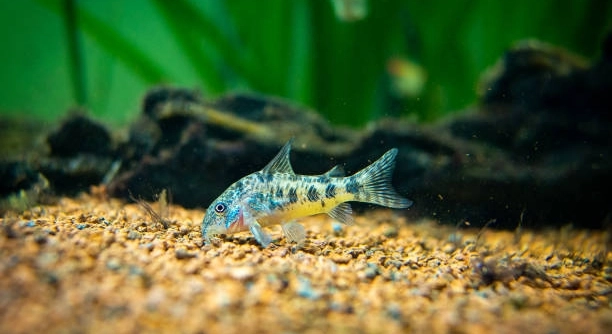
Corydoras catfish are popular aquarium fish known for their peaceful nature. However, within a group, there may be one that stands out as the dominant individual. Recognizing this can be helpful in maintaining harmony in your tank.
The dominant Corydoras catfish exhibits behaviors such as controlling feeding times, showing aggression to other fish, and maintaining territory. This fish is typically larger and more confident than others, often asserting its authority through physical posturing or chasing.
Identifying the dominant Corydoras catfish can help you better manage tank dynamics and ensure a peaceful environment for all your fish.
Signs of Dominance in Corydoras Catfish
The dominant Corydoras catfish often exhibits certain physical and behavioral traits that make it stand out in the group. One of the first signs is size. Typically, the dominant fish will be larger than others, a result of better access to food or more aggressive competition during feeding. These fish may also display darker coloring or markings, a way of signaling dominance to others. When it comes to behavior, dominant fish often claim a specific area of the tank as their territory. This can lead to chasing other fish away from their favorite spots, particularly when food is present. The dominant fish will often engage in more physical interactions, using posturing or nudging to assert its control. While not overly aggressive, the fish’s actions can be quite noticeable compared to the more passive members of the group.
This behavior is crucial to maintaining the hierarchy in the tank. It’s essential to understand this dynamic to avoid stress among other fish.
The dominant fish’s territorial behavior often leads to more space for itself, which can prevent unnecessary conflicts. However, this should be monitored closely to ensure no fish is overly stressed. The dominant catfish might also exhibit a higher activity level, constantly swimming around the tank and making its presence known to others.
Feeding Behavior and Dominance
A dominant Corydoras catfish often has a noticeable impact on feeding times. While Corydoras are typically scavengers, the dominant fish will take priority over food sources, often eating first and controlling access to the most desirable areas. In some cases, it may even push other fish away from food or force them to eat from less favorable spots. This control over feeding can further cement the dominant fish’s role in the group. Observing your catfish during feeding time can provide valuable insights into which one is asserting control.
Dominant Corydoras are usually the first to approach the food source, often exhibiting aggressive behavior toward other fish. If you notice that one fish consistently feeds before others or aggressively defends the food, it is likely the dominant one in the tank. This can be especially noticeable during times of high competition, such as when food is scarce or the fish are particularly hungry.
While the dominance behavior during feeding can seem harsh, it often plays a role in maintaining balance within the group. Dominant fish ensure that they are well-fed, which, in turn, keeps them healthy and strong. However, it’s important to monitor feeding times to ensure that no fish is deprived of nutrition.
Physical Aggression and Posturing
Physical aggression and posturing are clear signs of a dominant Corydoras catfish. When a fish feels the need to assert dominance, it may display certain behaviors like chasing, pushing, or nudging other fish. The dominant catfish often performs these actions to maintain control over territory or food sources. This can happen when a new fish is introduced to the tank or when food is present, and the dominant catfish wants to ensure it gets its fair share. While Corydoras catfish are generally peaceful, the dominant one will sometimes exhibit more aggressive tendencies, especially during high-stress situations.
The physical aggression is often not harmful but can be disruptive for other fish. Dominant Corydoras may also puff themselves up to appear larger and more intimidating to other fish in the tank. This display of physical size is a subtle way of showing authority without actual confrontation. However, it’s important to keep an eye on the situation to ensure that these interactions don’t escalate into damaging fights.
Aggression, while natural in some cases, can also be a sign that the tank is overcrowded or not adequately divided. In such situations, providing more space or rearranging tank decorations can help reduce conflict. By understanding the dynamics of aggression and physical posturing, you can better manage the environment for all your fish.
Behavior During Mating
During mating season, the dominant Corydoras catfish will often take the lead in courtship behaviors. It will chase after females, display more active swimming patterns, and attempt to guide them to suitable breeding spots. These behaviors help establish the dominant fish’s role as a key mate.
The dominant fish is also likely to show increased physical displays, such as nudging or rubbing against the female. This action is part of the ritual to establish a connection. In some cases, the dominant Corydoras may even push away other males to secure its position and attract the attention of females. This behavior can indicate a dominant fish’s role not just in territory but also in reproduction.
These mating behaviors are normal and should be observed as part of the natural dynamics of Corydoras. Understanding these signals can help you identify the dominant fish during mating times and prevent interference from other fish. Managing the tank environment to support these behaviors is essential for ensuring a smooth breeding process.
Territorial Disputes
Dominant Corydoras often engage in territorial disputes with other fish, especially when food or space is limited. These conflicts are a way to assert authority and establish boundaries within the tank. The dominant fish will usually defend its territory aggressively.
During territorial disputes, the dominant Corydoras may chase or nudge other fish away from its favorite spots. These encounters can sometimes look aggressive but are typically brief and non-lethal. If territorial behavior persists, it’s an indication that the dominant fish has established its space in the tank and wants to maintain it. The best solution for this behavior is to ensure the tank has enough hiding spots and territories for all fish to feel secure.
Providing different levels of hiding spaces, plants, and decorations can help reduce these territorial conflicts. Additionally, ensuring your tank isn’t overcrowded can promote better harmony, reducing the need for fish to claim space aggressively. This balance will help all your Corydoras thrive in the same environment.
Response to New Fish in the Tank
When new fish are added to the tank, the dominant Corydoras will often be the first to interact with them. It will assert its dominance by chasing or pushing the newcomers, especially if there is competition for space or food.
This behavior helps the dominant fish establish its position. It’s a way of ensuring that the new fish understand its authority within the tank. It’s not uncommon for the dominant fish to display aggressive behavior to prevent other fish from encroaching on its territory. Over time, this behavior tends to calm as the tank settles into its new dynamics.
Swimming Patterns
Dominant Corydoras are often more active swimmers than others. They will swim around the tank with confidence, frequently moving through the middle and top layers of the water. This behavior contrasts with more passive members of the group, who tend to stick to the bottom.
The dominant fish uses its increased swimming activity to maintain control over its territory. It may move to different parts of the tank, signaling its role to others. Constant movement also helps it keep a close eye on the food supply and the other fish, reinforcing its position as the group leader.
Leadership During Group Activities
During group activities, such as when the Corydoras are scavenging for food, the dominant fish will lead the group. It will be the first to find food and will often push others aside to get its share.
This behavior is important for maintaining the dominance of the leader. The dominant Corydoras will also guide the others to feeding areas, often establishing itself as the group’s central figure. It’s a subtle way of showing control over not just the tank’s territory but also the feeding patterns.
FAQ
How can I tell if my Corydoras catfish is the dominant one?
The dominant Corydoras catfish usually shows confidence in its behavior. It will be larger than the other fish, often with a darker color or distinctive markings. It will also take charge during feeding time, eating first and controlling access to food. Additionally, it will assert its authority through chasing or nudging other fish away from its favorite spots.
Why is my Corydoras catfish chasing others?
Chasing is a common behavior of dominant Corydoras catfish. It’s often a way of asserting dominance and establishing territory. The dominant fish may chase others away from food or certain areas of the tank. This behavior is part of the natural social structure and should subside once the hierarchy is clear.
How do I manage aggression in my Corydoras tank?
To manage aggression, ensure the tank has plenty of space and hiding spots for all fish. Adding decorations, plants, or structures can help reduce territorial disputes. Also, avoid overcrowding the tank, as this increases competition for space and food. If aggression persists, consider rearranging the tank to disrupt established territories.
Can Corydoras live together peacefully in groups?
Yes, Corydoras generally live peacefully in groups. However, dominance hierarchies will still form, and the most dominant fish will lead the group. As long as there is enough space and food, the fish will usually coexist without issues. Group dynamics may involve occasional chasing but shouldn’t result in harm.
How can I improve my tank’s environment to reduce dominance-related stress?
Creating a tank environment with plenty of hiding spots and territory can help reduce stress. Use plants, rocks, and decorations to divide the space and provide each fish with its own area. Regularly clean the tank to maintain water quality and avoid overcrowding. These changes will help make the environment more balanced and reduce stress caused by dominance behavior.
What should I do if my dominant Corydoras catfish becomes overly aggressive?
If the dominant fish is being overly aggressive, consider separating it temporarily to give the other fish time to recover. Rearranging the tank can also help disrupt established territories and calm the aggression. If the aggression continues, it may be a sign of overcrowding or stress, and reducing the number of fish could help.
Are Corydoras catfish territorial?
Yes, Corydoras can be territorial, especially the dominant fish. They tend to claim specific areas of the tank, particularly during feeding times or mating. The dominant fish will protect its territory by chasing or pushing other fish away. This behavior is part of maintaining the hierarchy in the group.
Do Corydoras need a lot of space?
Corydoras do better in tanks with plenty of space. Overcrowding can lead to increased competition for resources, which can trigger aggression and stress. A tank with enough swimming room and hiding spots for each fish will help reduce territorial disputes and improve the overall health of your Corydoras.
What should I feed my Corydoras catfish to prevent dominance-related issues?
To prevent dominance-related issues, feed your Corydoras a balanced diet that ensures all fish get their fair share. Offer a variety of foods, such as sinking pellets, algae wafers, and live or frozen foods like bloodworms or brine shrimp. Make sure to spread food around the tank so that the dominant fish doesn’t monopolize the supply.
Is it normal for the dominant Corydoras to separate from the group?
Yes, it’s normal for the dominant Corydoras to sometimes separate from the group. As the leader, it may spend more time patrolling the tank, especially when establishing or defending its territory. However, the fish will usually return to the group after asserting its position or ensuring that there are no threats.
How does the dominant Corydoras affect other fish in the tank?
The dominant Corydoras may cause stress for other fish by chasing them away from food or territory. However, if the tank is well-planted and has enough space, the other fish can avoid confrontation. It’s essential to monitor the tank dynamics and ensure all fish have access to resources without excessive interference from the dominant one.
Can I add new fish if I have a dominant Corydoras?
You can add new fish to the tank, but it’s essential to monitor the dominant Corydoras. The introduction of new fish may trigger territorial behavior, leading to chasing or aggression. To minimize stress, add the new fish slowly and ensure there are plenty of hiding spots to allow the fish to establish themselves without conflict.
Why is my Corydoras hiding more than usual?
If your Corydoras is hiding more than usual, it could be stressed, particularly if there is too much aggression or competition in the tank. Other factors like changes in water quality, tank temperature, or the introduction of new fish can also contribute to hiding behavior. Ensure the tank environment is stable and peaceful to encourage your fish to feel secure.
How can I tell if my Corydoras catfish is sick?
Sick Corydoras may exhibit unusual behavior, such as lethargy, loss of appetite, or difficulty swimming. They may also have visible signs like discoloration, lesions, or abnormal breathing patterns. If you notice these symptoms, it’s crucial to isolate the affected fish and monitor water quality to address potential issues quickly.
Final Thoughts
Understanding the behavior of your Corydoras catfish, especially the dominant one, can help create a more peaceful and balanced tank environment. By recognizing the signs of dominance, such as territorial behavior, aggressive interactions, and leadership in group activities, you can better manage your aquarium. This knowledge allows you to address any issues that may arise, from stress caused by overcrowding to aggression that might disrupt the harmony of the tank. Knowing which fish is dominant helps you make informed decisions about how to care for your Corydoras and the other fish in the tank.
It’s essential to maintain a well-planted tank with plenty of hiding spots and space for each fish. This will reduce competition for resources and minimize aggression. Providing a balanced diet is also crucial in managing dominance. By ensuring that all your Corydoras have equal access to food, you help prevent the dominant fish from hoarding or bullying others. Regular monitoring of the tank environment, including water quality and temperature, is just as important to maintain the well-being of all the fish. Stability in the tank reduces stress, which is one of the main causes of aggressive behaviors among Corydoras.
Lastly, understanding the natural behavior of Corydoras catfish means accepting that some level of dominance is typical. These fish are social, and while they may assert their dominance, they are not overly aggressive. With the right tank setup, you can allow the fish to establish their roles naturally, ensuring that no fish is left stressed or underfed. A peaceful environment will help your Corydoras thrive, allowing you to enjoy their playful, active behavior without constant concern over aggression or territorial disputes. Keeping an eye on the group dynamics will allow you to spot any changes early, ensuring all your fish remain healthy and happy.

Hello,
If you enjoy the content that we create, please consider saying a "Thank You!" by leaving a tip.
Every little bit helps us continue crafting quality advice that supports the health, happiness, and well-being of pets around the world, for pets of all shapes, sizes, and species.
We really appreciate the kindness and support that you show us!