
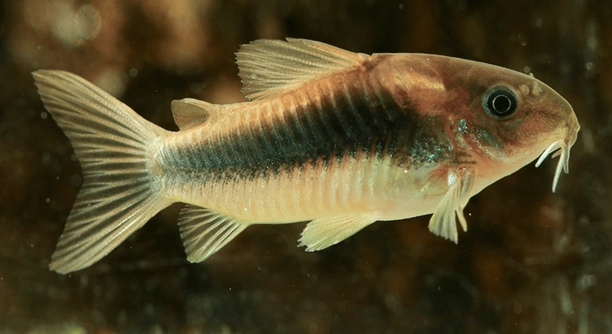
Corydoras catfish are a popular choice for aquariums, known for their peaceful nature and hardworking personalities. However, they are sensitive to water conditions, and pollution can harm their health. Recognizing signs of water pollution is key to maintaining their well-being.
Corydoras catfish can suffer from water pollution, causing stress and health problems. Pollutants like ammonia, nitrites, and poor water quality can result in abnormal behavior, weakened immune systems, and even death. Regular water testing is essential to prevent these issues.
Learning to spot these signs early can help protect your catfish. By monitoring your aquarium carefully, you can ensure they thrive in a clean, healthy environment.
Common Signs of Water Pollution in Corydoras Catfish
Water pollution can affect Corydoras catfish in several ways. A sudden change in behavior, such as erratic swimming or staying near the surface, is often an indicator that something is wrong. These fish prefer clean water with low ammonia and nitrate levels, and any rise in these pollutants can lead to distress. You might also notice that your catfish becomes more lethargic or hides frequently. Over time, if left unchecked, poor water quality can result in physical symptoms like discoloration, faded markings, or damaged fins. Regular water changes, proper filtration, and testing for pollutants are crucial in preventing these issues.
A sudden change in behavior could indicate that your Corydoras are under stress. Keeping a close eye on their movements can help you catch problems early.
Keeping your water clean is key. To prevent water pollution, make sure to test your aquarium regularly, clean the substrate, and use a quality filter. It’s also helpful to avoid overcrowding, as this can quickly raise the levels of toxins in the tank. Frequent water changes (about 20% every week) can significantly reduce the risk of harmful build-up. Adding live plants can also help absorb excess nutrients, which may reduce the chance of pollution affecting your fish. Always stay proactive about maintaining optimal conditions for your Corydoras, ensuring they stay happy and healthy in their home.
7 Signs That Your Corydoras Is Suffering from Water Pollution
It’s important to know when your Corydoras catfish shows signs of distress due to poor water quality.
The first sign is a lack of appetite. Corydoras are usually very active eaters, so if they refuse food, something might be off. You may also notice that they appear stressed, swimming erratically or staying near the surface. Their gills might flare open or appear darker, signaling they are struggling to breathe. Another sign is when they become lethargic, spending more time hiding or laying still at the bottom of the tank. It’s also common for them to exhibit rapid gill movement, indicating difficulty in getting oxygen. Furthermore, you might see physical changes, like pale or discolored skin, as their bodies react to toxins. In severe cases, fin rot or lesions may appear. Regularly checking water parameters and closely observing your catfish can help prevent serious health issues.
Understanding these signs will allow you to take action sooner. With a little care, you can keep your Corydoras healthy.
Effects of High Ammonia Levels on Corydoras
Ammonia buildup is one of the most dangerous pollutants for Corydoras catfish. It can irritate their gills, causing difficulty breathing. When ammonia levels are high, the fish often show signs of distress, such as gasping for air at the surface or swimming erratically.
Ammonia poisoning can lead to serious health problems for Corydoras. Over time, exposure weakens their immune system, making them more susceptible to infections. You may notice that your catfish are becoming more lethargic, spending longer periods of time near the water’s surface. Their skin may lose its color, and they may stop eating. Testing the water regularly for ammonia is essential, as it can be toxic even in small amounts.
To prevent ammonia buildup, maintain proper filtration and perform regular water changes. It’s also helpful to avoid overfeeding, as excess food can quickly decay and release ammonia into the water. Proper aquarium care is essential for keeping ammonia levels under control.
Nitrite Poisoning in Corydoras
High nitrite levels can be just as harmful to Corydoras. Nitrites interfere with the fish’s ability to absorb oxygen from the water, leading to symptoms like rapid gill movement, panting, or gasping for air.
When nitrite poisoning occurs, it stresses the fish, and you may see them swimming erratically or spending a lot of time near the surface. Over time, this lack of oxygen can cause long-term damage to their gills, making it even harder for them to breathe. To prevent nitrite buildup, you should ensure proper filtration and monitor the nitrogen cycle in your tank. Adding a biological filter can help break down harmful nitrites.
A key sign of nitrite poisoning is a reddish-brown discoloration on their gills, which indicates the reduced ability to carry oxygen. Immediate water changes are necessary to lower the nitrite levels and protect your fish. Regular testing is also crucial to catch potential issues early.
Oxygen Deprivation in Corydoras
When water quality deteriorates, Corydoras may struggle to get enough oxygen. Low oxygen levels lead to sluggish movements and labored breathing. You’ll notice them gasping at the surface or staying close to the filter output.
A lack of oxygen can severely stress Corydoras, leading to weak immune systems. They may also appear disoriented, swimming in circles or near the surface. Adding an air pump or adjusting the water flow can help increase oxygen levels, ensuring your fish can breathe more easily. Regular water changes are crucial for maintaining oxygen-rich conditions in the tank.
Excessive Algae Growth
Algae growth can be another sign of water pollution. When your tank is overloaded with nutrients, it encourages algae to flourish. This can reduce water quality, blocking light and depleting oxygen levels.
Algae blooms often indicate an imbalance in the aquarium, typically due to excessive feeding or poor filtration. Over time, this leads to poor water conditions that negatively affect your Corydoras. To control algae growth, you can reduce feeding, clean the tank regularly, and ensure the filter is working effectively. Adding algae-eating species can help maintain balance in your aquarium.
High Nitrate Levels
High nitrate levels are a common issue in overstocked tanks. Nitrates are less toxic than ammonia or nitrites, but in high concentrations, they still cause stress for Corydoras.
When nitrate levels are too high, Corydoras become more vulnerable to infections, and their growth can slow down. They may also display unusual behavior, like hiding or staying near the tank’s surface. Regular water changes and testing nitrate levels can help maintain a healthy environment. You can also install a denitrifying filter or add plants to absorb excess nitrates naturally. Keeping a stable and clean environment is key to their health.
FAQ
How often should I test the water in my Corydoras tank?
It’s a good idea to test the water in your Corydoras tank at least once a week. This helps you stay on top of any changes in ammonia, nitrite, and nitrate levels. If you notice any signs of stress in your fish, such as erratic swimming or loss of appetite, test the water immediately. Keeping track of your water parameters will prevent issues before they become serious. If you’re adding new fish or changing the tank setup, testing the water more frequently can help you adjust the conditions accordingly.
What should I do if my Corydoras are swimming at the surface?
Swimming at the surface is often a sign that your Corydoras are struggling to breathe. This can happen when oxygen levels are low or if there’s a significant amount of pollutants in the water. First, check the water for ammonia, nitrites, and nitrates. If these are high, perform a water change and consider adding an air pump to improve oxygen levels. If the problem persists, check the filtration system to ensure it’s working properly. Sometimes, overcrowding or poor circulation can exacerbate the issue.
Can overfeeding cause water pollution?
Yes, overfeeding can lead to water pollution. Leftover food decays and releases toxins into the water, which can harm your Corydoras. Overfeeding also increases the nitrogen compounds in the tank, leading to ammonia and nitrate buildup. To avoid this, feed your Corydoras small amounts and only what they can consume within a few minutes. Regularly vacuum the substrate to remove any uneaten food and maintain a clean environment for your fish.
How do I prevent algae growth in my aquarium?
To prevent algae growth, you need to manage nutrients like nitrates and phosphates in the tank. Overfeeding, poor water changes, and excess light can contribute to algae blooms. Make sure to perform regular water changes (at least 20% per week) and avoid leaving lights on for too long. A good filtration system helps remove excess nutrients. You can also add algae-eating species like snails or certain types of fish that naturally control algae growth. In some cases, reducing the amount of light and limiting the duration it’s on can significantly slow down algae production.
What’s the best way to maintain water quality for my Corydoras?
To maintain good water quality, you should focus on keeping your tank clean, using a proper filtration system, and doing regular water changes. Test your water weekly to keep track of ammonia, nitrite, and nitrate levels. A good filtration system is essential for removing toxins and maintaining proper water circulation. You can also add live plants to help absorb excess nutrients. Be mindful of feeding, as overfeeding leads to water pollution. Maintaining the correct water temperature and pH is also crucial for the health of your Corydoras.
Is it necessary to use a water conditioner for my Corydoras tank?
Using a water conditioner is highly recommended if you’re using tap water. Tap water often contains chlorine or chloramine, which can harm your fish. A water conditioner will neutralize these harmful chemicals, making the water safe for your Corydoras. Additionally, some conditioners help to detoxify ammonia and nitrites, further improving water quality. Always follow the instructions on the conditioner bottle to ensure you use the right amount.
How can I tell if my Corydoras are stressed?
Stressed Corydoras may exhibit several behaviors. They might swim erratically, gasp for air at the surface, or hide more frequently. You may also notice a loss of appetite or physical signs like faded colors or damaged fins. Stress can be caused by poor water quality, high levels of pollutants, or aggressive tank mates. Check the water parameters immediately and ensure that the tank setup is suitable for your fish. If stress continues, consider consulting a veterinarian to rule out any underlying health problems.
Can Corydoras live with other fish in a community tank?
Yes, Corydoras are peaceful and can live with many other fish species. However, it’s essential to choose tank mates that are not aggressive or too large. Corydoras are bottom-dwellers and prefer to stay near the substrate. Avoid pairing them with fish that might intimidate them or outcompete them for food. Small, non-aggressive species like tetras, gouramis, and peaceful barbs are excellent companions for Corydoras. Always make sure that your tank is large enough to accommodate all the fish comfortably.
How do I clean the substrate in my Corydoras tank?
Cleaning the substrate is vital to remove uneaten food, fish waste, and other debris that can pollute the water. You can use a gravel vacuum during water changes to clean the substrate effectively. Gently move the vacuum through the substrate, taking care not to disturb the plants or ornaments too much. Vacuuming the substrate every week or so will help maintain clean water and prevent toxins from building up. Be mindful not to remove too much of the beneficial bacteria from the gravel, as this can affect the nitrogen cycle.
Can I add plants to help with water quality?
Yes, adding live plants to your aquarium can help improve water quality. Plants absorb excess nutrients, such as nitrates and phosphates, which can contribute to water pollution and algae growth. They also provide oxygen and help maintain stable pH levels. Some plants, like Anubias, Java Ferns, and Amazon Swords, are easy to care for and do well in aquariums with Corydoras. Make sure the plants you choose are compatible with the water conditions in your tank and that they don’t require too much light or attention.
Final Thoughts
Corydoras catfish are resilient and peaceful fish that thrive in clean, well-maintained aquariums. However, they are particularly sensitive to changes in water quality. Regular monitoring of water parameters like ammonia, nitrite, and nitrate levels is essential for keeping your Corydoras healthy. Water pollution can cause a range of issues, from respiratory problems to weakened immune systems, so it’s crucial to take the right steps to prevent poor water quality. Regular water changes, proper filtration, and a balanced feeding routine are key to maintaining a safe and healthy environment for your fish.
If you notice any signs of stress in your Corydoras, such as swimming near the surface or a loss of appetite, take immediate action to address potential water pollution. Test your water regularly and adjust your tank’s conditions accordingly. Low oxygen levels, high nitrate levels, and excessive algae growth are all indicators of water problems that need to be fixed quickly. Adding an air pump, adjusting the filtration, and reducing overfeeding can significantly improve water quality and help your Corydoras recover. Keeping an eye on the overall tank environment and maintaining good practices will help prevent these issues from arising in the first place.
Ultimately, keeping your Corydoras healthy comes down to creating a stable, clean environment. By managing water quality, keeping an eye on water parameters, and being proactive about addressing potential pollution, you can ensure your Corydoras live long, healthy lives. With the right care and attention, these charming catfish will continue to be a peaceful and enjoyable addition to your aquarium.

Hello,
If you enjoy the content that we create, please consider saying a "Thank You!" by leaving a tip.
Every little bit helps us continue crafting quality advice that supports the health, happiness, and well-being of pets around the world, for pets of all shapes, sizes, and species.
We really appreciate the kindness and support that you show us!