
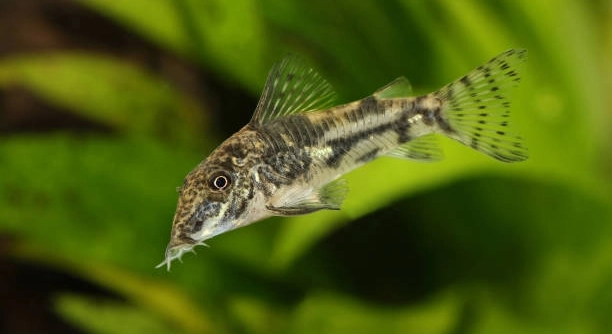
Is your Corydoras catfish acting strangely or looking a little off in its tank lately? Poor water quality might be the reason behind its sudden change in behavior or appearance, and it can be harmful if ignored.
The most reliable way to tell if your Corydoras catfish is suffering from poor water quality is by observing specific physical and behavioral symptoms. These include rapid gill movement, lack of appetite, clamped fins, and changes in coloration.
Spotting these early signs can help prevent more serious health problems and improve your catfish’s quality of life in the long run.
Signs Your Corydoras Catfish Is Struggling With Poor Water Quality
Corydoras catfish are hardy, but they are not invincible. Poor water conditions can quickly wear them down, especially if ammonia, nitrites, or nitrates spike beyond safe levels. One of the first signs you’ll notice is fast gill movement, even when your catfish isn’t active. This can be a sign it’s working too hard to breathe. You might also see them darting to the surface more often, trying to gulp air. Their color can fade, or they might develop red patches on the body or fins. Lethargy, hiding more than usual, and a lack of appetite are other strong indicators. Watch for clamped fins too — it’s a physical signal something is wrong in the tank. If you spot any of these symptoms, it’s best to test the water right away.
Look closely and act fast. These signs can help you fix the problem before things get worse.
Even though these symptoms can show up one by one, they often appear together when the water has been bad for too long. Corydoras are sensitive to waste buildup and need stable, clean water to stay healthy. Overfeeding, irregular cleaning, and overcrowding can make things worse. You may not always see the damage right away, but internal stress builds quickly. Ammonia burns can lead to long-term damage, and low oxygen levels slow your fish down until they stop moving altogether. If you see multiple symptoms, doing a partial water change and testing your levels should be your next step. Aim to keep ammonia and nitrites at zero, and nitrates below 20 ppm. Make sure your filter is working properly and remove any leftover food. If symptoms persist after improving water quality, you may need to isolate the affected fish and consider a vet visit.
Causes of Poor Water Quality in a Corydoras Tank
Dirty tanks are usually the reason Corydoras start showing symptoms of stress.
When tank maintenance gets skipped or feeding is done without care, water conditions drop fast. Overfeeding is one of the biggest problems, especially with bottom-dwellers like Corydoras who scavenge leftovers. Extra food breaks down and adds ammonia to the tank. If the filter isn’t cleaned or working right, waste builds up even faster. Overstocking the tank is another issue — more fish means more waste, and a small tank can’t handle that load. Skipping water changes lets nitrates creep up, stressing the fish over time. Sometimes, even new decorations or untreated tap water can throw off the balance by introducing toxins or altering pH. That’s why regular testing is so important. Even if everything looks clean, the numbers can tell a different story. Simple habits like testing weekly, feeding carefully, and changing 25% of the water every week can help prevent most water issues and keep your Corydoras healthy.
How to Improve Water Quality in Your Corydoras Tank
Start by testing the water using a reliable liquid test kit. Check for ammonia, nitrites, nitrates, and pH. If anything is out of range, do a partial water change right away. Make sure to condition any tap water before adding it to the tank.
Use a gravel vacuum during water changes to remove waste from the substrate. Corydoras spend most of their time at the bottom, so leftover food and debris can affect them quickly. Clean the filter monthly, but avoid washing it with tap water, as this can kill helpful bacteria. Instead, rinse it in tank water. Make sure the filter isn’t clogged and that water is flowing properly. Replace only part of the media at a time to keep the bacteria colony stable. Keep a schedule for weekly maintenance, and don’t wait for the water to look dirty — by then, it’s already too late.
Limit feeding to small amounts your fish can finish in two minutes. Feed once or twice a day and avoid extra treats unless you’re sure the tank can handle the added waste. Check how your Corydoras behave after eating — sluggishness could mean the water’s already stressed. Consider adding live plants to help absorb nitrates and improve oxygen. If your tank is overstocked, think about moving some fish to another setup or upgrading your tank size. Regularly check your heater, filter, and any air stones to make sure they’re working correctly. Small changes made consistently will protect your fish and give them a stable home to thrive in.
When to Take Further Action
If your Corydoras show no improvement after water changes and maintenance, more serious action is needed. Continuous symptoms like red gills, gasping, or hiding could point to infection or internal damage from prolonged poor conditions.
In these cases, set up a quarantine tank. Use water from the main tank and make sure it’s fully cycled. Treat the fish with a mild antibacterial or antifungal treatment if external signs are visible, like fin rot or white patches. Keep the tank calm and dimly lit. Reduce stress by offering hiding spots and avoiding loud sounds or vibrations near the tank. Continue testing water daily and feeding lightly. If your fish isn’t eating or still showing symptoms after several days, consult an aquatic vet for guidance. Catching the issue early increases the chance of recovery, but some cases may require medication or specialized treatment to fully heal.
Common Mistakes That Make Water Quality Worse
Overcleaning the tank can remove too much beneficial bacteria, causing ammonia spikes. Scrubbing everything too often or changing all the filter media at once disrupts the balance needed for a healthy tank. Always clean gently and in stages to avoid crashing the nitrogen cycle.
Using untreated tap water during water changes can introduce chlorine and other harmful chemicals. This stresses your Corydoras and damages their gills. Always use a water conditioner before adding new water to the tank. Skipping this step, even once, can cause serious harm to your fish.
Best Water Parameters for Corydoras
Corydoras do best in stable, clean water with consistent levels. Keep the temperature between 72°F and 78°F, and maintain a pH between 6.0 and 7.8. Ammonia and nitrite should always be at 0 ppm, while nitrates should stay below 20 ppm. Use a heater and thermometer to avoid sudden changes in temperature. Test your water weekly to make sure the numbers stay in range. These small checks help you fix problems before they become serious. Adding a sponge filter can also support water quality without creating too much current, which Corydoras prefer.
Why Observation Matters
Watching your Corydoras daily helps you catch problems early. Noticing changes in behavior or movement can give you time to act before water quality drops too far.
FAQ
How often should I test my tank water?
Test your tank water at least once a week. Use a liquid test kit for accurate readings. If your Corydoras are showing symptoms, test more frequently — every other day if needed — until conditions are stable again. Always test after a water change or if something seems off.
What’s the safest way to lower ammonia levels quickly?
Do an immediate 25–50% water change using dechlorinated water. Avoid feeding for a day or two to reduce waste buildup. Add beneficial bacteria supplements to help reestablish balance. Check that your filter is working well and not clogged. Removing uneaten food and vacuuming the substrate also helps.
Can poor water quality cause permanent damage to my Corydoras?
Yes, long-term exposure to bad water can lead to lasting harm. Ammonia burns can damage gills, and stress from poor oxygen or high nitrates weakens the immune system. This makes Corydoras more likely to get infections or recover slowly, even after conditions improve.
Why are my Corydoras gasping at the surface?
Gasping at the surface often means low oxygen levels or ammonia poisoning. Check for signs of rapid gill movement or sluggish behavior. Increase aeration right away, do a partial water change, and test your water parameters to confirm the problem.
Do live plants help improve water quality?
Yes, live plants absorb nitrates and release oxygen into the water. They also provide shelter, which helps reduce stress. Fast-growing plants like hornwort, water wisteria, or duckweed are great options for helping keep nitrate levels down in a Corydoras tank.
Is cloudy water a sign of bad water quality?
Sometimes. Cloudy water can mean a bacterial bloom, which happens when waste builds up quickly. It can also be caused by overfeeding or disturbing the substrate. If the cloudiness lasts more than a day or two, test your water to be sure.
How can I avoid overfeeding my Corydoras?
Feed only what they can eat in two minutes, once or twice a day. Remove any leftovers with a net or siphon. Corydoras are bottom feeders, so avoid dropping in too much food that sinks quickly and gets buried in the substrate.
Can Corydoras live in tanks with sand or gravel?
Sand is better for Corydoras because it’s gentle on their barbels. Gravel can trap waste and cause injuries if it’s too rough. If you use gravel, clean it well and pick smooth stones. Avoid sharp or jagged types that can hurt your fish.
How do I know if my filter is strong enough?
Your filter should turn over the entire volume of your tank at least 4–6 times per hour. If your tank is 20 gallons, the filter should be rated for 80–120 GPH (gallons per hour). Watch your water clarity and test levels to be sure.
What should I do if my Corydoras stop eating?
First, test your water. Poor water quality is often the reason. If parameters are off, fix them with partial water changes. Keep the tank quiet and reduce light to help them feel safe. If they still won’t eat after a few days, isolate and observe closely.
Can Corydoras get sick from sudden water changes?
Yes, large sudden changes can shock them. If the new water is a different temperature or has different parameters, it can cause stress or illness. Always match temperature, use water conditioner, and limit changes to 25–50% unless there’s a serious emergency.
Final Thoughts
Corydoras catfish are peaceful, curious fish that bring a lot of life to the bottom of a tank. But they are more sensitive than they may seem. Poor water quality can lead to several health problems, and many of the symptoms can show up quickly. Things like fast gill movement, faded color, or constant hiding are all signs something might be wrong in their environment. These symptoms should never be ignored, even if they seem small at first. Paying close attention to how your Corydoras behave each day helps you notice these early signs and take action before the problem gets worse.
Keeping the water clean and stable is the most important part of caring for Corydoras. Regular testing, small weekly water changes, proper feeding, and a well-working filter all help support a healthy tank. Avoid overfeeding and overcrowding. These are two common mistakes that can quickly cause ammonia and nitrite levels to rise. Adding live plants and checking on your equipment often can also make a big difference in long-term care. It doesn’t have to be complicated. A simple routine and consistency will go a long way in keeping your fish happy and healthy. Even just 10–15 minutes a week of checking and cleaning can prevent most issues before they begin.
When you care for the water, you care for your fish. Corydoras are social and active when they feel safe and comfortable. Healthy water helps them show natural behavior like sifting through the substrate or playing in a group. Seeing them act like this is a good sign that you’re doing things right. But if things do go wrong, don’t panic. Most water quality issues can be fixed with some basic steps. Quick action and small changes are better than trying to do too much all at once. The key is to stay calm, pay attention, and respond early. That way, your Corydoras have the best chance at living a full, stress-free life in your tank.

Hello,
If you enjoy the content that we create, please consider saying a "Thank You!" by leaving a tip.
Every little bit helps us continue crafting quality advice that supports the health, happiness, and well-being of pets around the world, for pets of all shapes, sizes, and species.
We really appreciate the kindness and support that you show us!