
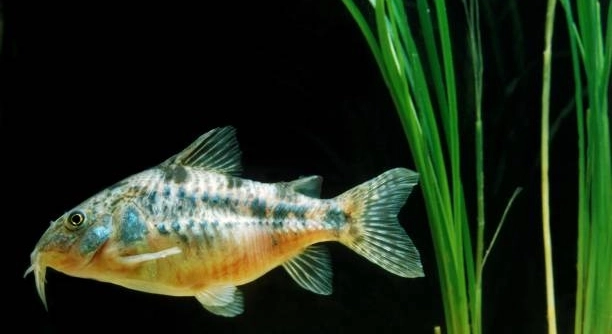
Corydoras catfish are popular for their peaceful nature and unique charm, making them a great addition to many aquariums. However, maintaining the right water conditions is crucial for their health and well-being. Poor water quality can cause them stress.
Poor water conditions can significantly affect the health of your Corydoras catfish, leading to behavioral changes, physical symptoms, or even illness. By observing key signs, you can detect when the water quality is impacting their health.
Understanding the signs of poor water quality will help you take action before it’s too late. These indicators can help you ensure a healthy environment for your Corydoras catfish.
Cloudy or Dirty Water
Cloudy or dirty water is one of the first signs that something is off with the water quality in your tank. Corydoras catfish thrive in clean, well-maintained water. If the water turns murky or has particles floating in it, it’s a sign that the filtration system isn’t doing its job or that there’s a build-up of organic waste. Poor filtration or overcrowding can easily lead to this problem, as waste and uneaten food accumulate faster than the system can clean it. In these cases, it’s essential to change the water immediately to avoid stressing your fish.
Cloudy water can be caused by several factors like high ammonia levels, excessive food waste, or overfeeding. When this happens, immediate action is needed to restore the water to healthy conditions.
To prevent this, perform regular water changes and make sure your filter is running efficiently. Consider cleaning your filter or upgrading it if necessary. Your Corydoras will appreciate the improved conditions, leading to better health and happier behavior.
Unexplained Behavior Changes
If your Corydoras starts behaving unusually, it could be a sign of poor water quality. You might notice them swimming erratically or hiding more than usual. When water parameters aren’t right, fish become stressed, which leads to noticeable changes in their normal activities. Sometimes they might hover near the surface or stay near the bottom more than usual, trying to find better water conditions.
These changes in behavior should not be ignored. It’s best to check the water parameters, such as ammonia, nitrite, nitrate, and pH levels, as soon as possible. Fish are sensitive to shifts in their environment, so even minor changes can cause significant stress.
In addition to altering their behavior, Corydoras may stop eating or become less active, which is a clear sign of distress. Make sure to test the water regularly and perform routine maintenance to avoid long-term damage to their health.
Discoloration or Faded Color
A Corydoras catfish that appears pale or shows discoloration can be a sign of poor water quality. When their skin loses its vibrant color, it indicates stress, often from ammonia or nitrite poisoning. It’s important to monitor the water parameters to ensure they are within safe limits. A sudden change in color could also signal a bacterial or fungal infection, which thrives in poor water conditions.
If your Corydoras seems washed out or the colors are not as bright as usual, it’s crucial to check water quality immediately. Testing for ammonia, nitrites, and nitrates will help pinpoint the issue. Clean water is vital for their well-being, and any imbalances can lead to illness.
Perform regular water changes, maintain good filtration, and avoid overcrowding in your tank. Keeping the water clean will allow your Corydoras to regain their natural color and health over time.
Gasping for Air at the Surface
When Corydoras are struggling to breathe, they may swim to the surface and gulp air. This behavior is often linked to low oxygen levels in the water, which can happen if the water quality is poor or if there’s inadequate aeration. Other times, high levels of toxins in the water can damage their gills, making it difficult for them to process oxygen properly.
In this case, check the oxygenation levels in your tank by examining the surface movement and adding aeration if needed. A lack of surface agitation or low water flow could be restricting oxygen exchange, and your fish may be gasping for air as a result.
To fix this issue, consider improving water flow or adding an air stone to increase oxygen levels. It’s also essential to perform regular water changes to keep toxins in check. This will help your Corydoras breathe easier and feel more at ease in their environment.
Swelling or Bloated Belly
A swollen or bloated belly in Corydoras can signal poor water conditions, often due to poor filtration or an imbalance in the tank. This could be a sign of internal parasites, organ stress, or even overfeeding. If the bloating persists, it’s crucial to assess water parameters and take corrective action.
Bloating may also be caused by poor water quality leading to gastrointestinal issues. If the fish cannot digest food properly, it can lead to physical stress and further complications. Make sure to perform regular water changes and remove uneaten food promptly to avoid this issue.
Excessive Hiding
When Corydoras are feeling stressed due to poor water conditions, they may spend more time hiding. This is often a defense mechanism when they feel unsafe or uncomfortable in their environment. Hiding behavior can be triggered by changes in water quality, such as high levels of toxins, ammonia, or low oxygen.
Providing plenty of hiding spots is important for your Corydoras, but if they’re excessively hiding, it’s a clear sign something is wrong. Check the water parameters immediately and adjust the conditions to help them feel secure again. Addressing the root cause will reduce their stress levels and encourage more natural behavior.
FAQ
How can I prevent poor water quality in my tank?
To prevent poor water quality, regular maintenance is essential. Change about 25% of the water every two weeks and clean the tank and filter regularly. Make sure your filter is working properly and isn’t clogged. Avoid overfeeding, as leftover food can contribute to water pollution. It’s also important to avoid overcrowding, which can quickly lead to deteriorating water quality. Test your water frequently for ammonia, nitrites, and nitrates to catch any imbalances early. These steps will help keep your Corydoras in a healthy environment.
What is the ideal water temperature for Corydoras?
Corydoras thrive in water temperatures between 72°F and 78°F (22°C – 26°C). Keeping the water within this range ensures your fish remain active and healthy. If the temperature drops too low, it can weaken their immune systems and make them more susceptible to diseases. On the other hand, water that’s too warm can cause oxygen levels to drop and increase stress. A stable temperature is crucial, so invest in a reliable aquarium heater with a thermometer to monitor the water accurately.
How do I know if my Corydoras is sick?
Corydoras may show signs of illness in various ways. If your fish are swimming erratically, not eating, or hiding more than usual, it could indicate an issue. Look for physical signs like swollen bellies, discoloration, or sores. If they are gasping for air or staying near the surface, the water quality could be to blame. Pay attention to changes in their behavior or appearance. If symptoms persist, it’s best to quarantine the affected fish and consult an aquatic veterinarian for further diagnosis.
Can poor water quality cause my Corydoras to die?
Yes, poor water quality is one of the leading causes of death in aquarium fish, including Corydoras. High levels of ammonia, nitrites, or nitrates can poison the fish, leading to stress, organ failure, or even death. Low oxygen levels and fluctuating water parameters can also weaken their immune systems, making them more vulnerable to disease. Regular water testing and maintenance are crucial to preventing these issues and ensuring your Corydoras stay healthy for a long time.
What is the best filtration system for Corydoras?
The best filtration system for Corydoras is one that provides adequate filtration without creating too much current. Since Corydoras are bottom dwellers, they prefer calm water. A sponge filter is often recommended as it provides gentle filtration while allowing for better oxygenation without disturbing the substrate too much. Additionally, make sure the filter capacity is appropriate for the tank size. Overpowered filters can create strong currents that stress out your fish.
How often should I feed my Corydoras?
Corydoras should be fed once or twice a day, offering only as much food as they can consume within a few minutes. Overfeeding can quickly lead to poor water quality, so avoid leaving uneaten food in the tank. They are bottom feeders and often enjoy sinking pellets, which they can forage for on the tank floor. You can also supplement their diet with occasional frozen or live foods like bloodworms or brine shrimp. Ensure their diet is balanced to keep them healthy and avoid digestive issues.
What are the common signs of poor water quality?
The most common signs of poor water quality in Corydoras are abnormal behavior like excessive hiding, erratic swimming, or gasping at the surface. They may also show physical signs such as faded colors, swelling, or lesions. Cloudy water, a strong odor, and visible waste accumulation are also signs that the tank’s water quality needs attention. If you notice any of these issues, it’s important to test the water immediately and take corrective action to restore a healthy environment.
Can I use chemical treatments to fix poor water quality?
Chemical treatments can be used as a temporary fix in cases of poor water quality, but they are not a permanent solution. It’s important to first identify and address the root cause of the problem, such as overfeeding, an insufficient filter, or overcrowding. Using chemical treatments without solving the underlying issue may lead to recurring problems. Regular water changes, proper filtration, and a balanced diet are the best long-term methods for maintaining water quality. Always use chemicals cautiously and follow the manufacturer’s instructions.
How do I test water parameters for my Corydoras?
To test the water for your Corydoras, you’ll need an aquarium test kit to check the levels of ammonia, nitrites, and nitrates. You should also monitor the pH, hardness, and temperature. Many test kits provide easy-to-read results that will help you understand if the water is within the safe range. Ammonia and nitrite levels should always be at 0 ppm, while nitrate levels should be below 20 ppm for Corydoras. Regular testing will help you catch any issues early and maintain a healthy tank.
Is it safe to keep Corydoras with other fish?
Corydoras are peaceful and generally get along well with most community fish. They are often kept with other non-aggressive species like tetras, guppies, and livebearers. However, avoid keeping them with larger, more aggressive fish that might stress or harass them. Corydoras also prefer to be in groups, so it’s a good idea to keep at least three or more to ensure they feel comfortable and secure. This group dynamic helps reduce stress and encourages natural behavior. Always research potential tank mates to ensure compatibility.
Final Thoughts
Maintaining a healthy tank for your Corydoras catfish involves more than just feeding them regularly. Water quality plays a significant role in their overall health and well-being. Poor water conditions can lead to stress, illness, and even death in your fish. By staying on top of water maintenance, including regular changes, proper filtration, and testing for harmful chemicals like ammonia and nitrates, you can provide a safer and more comfortable environment for your Corydoras. It’s important to remember that small changes in water conditions can have big effects on your fish, so vigilance is key.
Understanding the signs of poor water quality, such as cloudy water, unusual behavior, and physical changes in your Corydoras, allows you to address issues before they become more serious. If you notice any of these symptoms, act quickly by checking the water parameters and performing water changes if needed. Regular monitoring can help you avoid potential problems that could impact your fish’s health. In addition to maintaining good water quality, you should also keep an eye on other factors like temperature and tank overcrowding, as these can also affect your Corydoras’ well-being. Creating a stable and clean environment will keep them thriving for years.
Caring for Corydoras catfish can be a rewarding experience if you pay attention to their needs. They are resilient fish, but they do best in stable, clean environments where they feel safe and secure. Keeping your tank well-maintained and addressing issues as they arise will help you avoid many common problems and ensure your Corydoras live happy and healthy lives. Regular water testing, proper filtration, and providing the right tank mates will go a long way in preventing poor water conditions and keeping your Corydoras content. A little extra effort goes a long way in ensuring their health and happiness.

Hello,
If you enjoy the content that we create, please consider saying a "Thank You!" by leaving a tip.
Every little bit helps us continue crafting quality advice that supports the health, happiness, and well-being of pets around the world, for pets of all shapes, sizes, and species.
We really appreciate the kindness and support that you show us!