
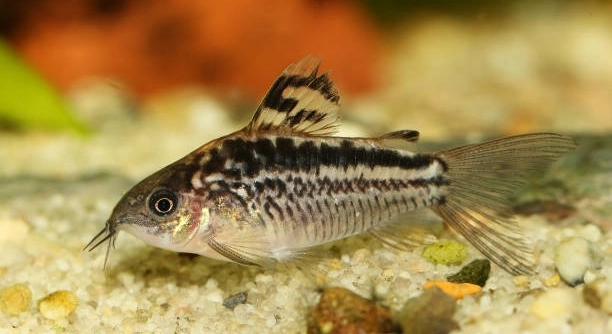
Corydoras catfish are popular freshwater aquarium fish known for their peaceful nature. However, they may experience difficulty breathing, which could signal health issues. Understanding the signs can help ensure your catfish stays healthy and thriving.
When a Corydoras catfish struggles to breathe, it may display symptoms such as rapid gill movement, excessive swimming at the surface, or lethargy. Environmental factors like poor water quality, low oxygen levels, or disease often contribute to these issues.
By recognizing these signs early, you can take action to improve the water conditions and support your catfish’s well-being.
Rapid Gill Movement
When a Corydoras catfish is struggling to breathe, you’ll often notice rapid gill movement. Normally, the gills should move slowly and steadily, but if your catfish is gasping for air, this could indicate trouble. Rapid gill movement typically happens when the oxygen level in the water is too low or if there is a blockage affecting normal respiration.
Low oxygen levels are a common issue in poorly maintained tanks. If your fish is spending a lot of time near the surface or swimming frantically, it could be struggling to find air. Airstones, good filtration, and regular water changes can help ensure the oxygen levels remain steady.
Inadequate oxygen levels can be exacerbated by overcrowding, dirty filters, or high water temperatures. If your Corydoras is constantly swimming at the surface or showing signs of stress, improving water quality or adding oxygen supplements may be necessary. Act quickly to prevent long-term health issues for your fish.
Excessive Surface Swimming
If your Corydoras catfish is swimming near the surface, it may be trying to access more oxygen. This behavior can be a sign that the water quality is poor.
If this behavior persists, you may want to check for signs of ammonia buildup, low oxygen, or other environmental issues. Regular water changes and monitoring the water parameters are key to keeping your catfish comfortable.
Lethargy and Loss of Appetite
A Corydoras catfish that’s struggling to breathe may also show signs of lethargy. It might spend more time resting at the bottom of the tank, moving less than usual. When oxygen is limited, fish conserve energy, leading to reduced activity.
Loss of appetite often accompanies lethargy. If your catfish isn’t eating or showing interest in food, it could be a sign that something’s wrong. Stress from poor water quality or low oxygen levels can make fish lose their appetite, making it harder for them to recover. A drop in feeding is a strong indicator to monitor their environment closely.
Ensure the tank’s water parameters are in check, and adjust them if necessary. Proper filtration, regular water changes, and a stable temperature can help ease the stress and encourage your fish to become more active and resume feeding.
Abnormal Gasping or Open Mouth Behavior
When a Corydoras is struggling to breathe, it might begin to gasp at the surface or leave its mouth open. This is usually a response to a lack of oxygen in the water.
This behavior is particularly noticeable when oxygen levels are too low or when there’s poor circulation in the tank. The fish will try to get more oxygen from the surface, but if the problem persists, it can lead to more serious issues like suffocation. Proper water movement through filtration and aeration can reduce the likelihood of this behavior.
A frequent cause of abnormal gasping is overcrowding. If your tank has too many fish, it can overwhelm the filtration system, leading to oxygen depletion. Check the stocking density of your tank and make adjustments to maintain a balanced, healthy environment for your catfish.
Poor Water Quality
If your Corydoras catfish is struggling to breathe, poor water quality is often a key factor. Ammonia, nitrite, and nitrate levels can rise, affecting fish health. Test the water regularly to ensure it’s within safe parameters for your fish.
A buildup of waste from uneaten food or fish excrement can quickly degrade water quality. Keeping your tank clean with regular water changes will help prevent harmful spikes in these chemicals. Ensuring proper filtration is also crucial in maintaining water quality, reducing the risk of respiratory issues for your catfish.
Overheating
Overheating in the tank can cause respiratory distress in Corydoras catfish. Elevated temperatures reduce the amount of dissolved oxygen in the water, making it harder for your fish to breathe.
When the temperature exceeds their comfort range, the fish will try to breathe more rapidly. Keep the water temperature within the recommended range for Corydoras catfish to avoid this problem. Regularly check the tank’s temperature, especially during warmer months, and consider adding a cooling system if necessary.
Excessive Tank Lighting
Bright, prolonged tank lighting can stress Corydoras catfish, leading to increased breathing difficulties. These fish prefer low light and may experience discomfort under intense or continuous light.
To help your catfish stay calm and healthy, limit the lighting duration to a 10-12 hour cycle. Use dim lighting to mimic their natural environment and reduce stress, which in turn helps regulate their breathing and overall well-being.
FAQ
What is the ideal water temperature for Corydoras catfish?
Corydoras catfish thrive in water temperatures between 72°F and 78°F (22°C to 26°C). Temperatures outside this range can cause stress, affect their breathing, and lead to health issues. Keeping the water within this range ensures that your catfish remain comfortable and can breathe properly. If the temperature gets too high, oxygen levels in the water decrease, making it harder for the fish to breathe. You can use an aquarium heater to maintain a stable temperature, especially during cooler months.
How often should I clean my Corydoras catfish tank?
Cleaning your Corydoras tank regularly is essential to keep the water quality in check. You should perform partial water changes every one to two weeks, removing about 20-30% of the water. Additionally, check the filter regularly to ensure it’s working efficiently. Over time, waste from uneaten food and fish excrement can accumulate, leading to poor water quality and lower oxygen levels, which affects your catfish’s health. Regular cleaning helps prevent this, keeping your catfish environment clean and safe.
What are the signs of a sick Corydoras catfish?
If your Corydoras catfish is sick, you might notice a few telltale signs such as lethargy, rapid gill movement, abnormal swimming patterns, loss of appetite, and visible lesions or discoloration. Additionally, if your fish is consistently gasping at the surface or swimming erratically, it’s a sign that something is wrong. Sick catfish may also isolate themselves from the group or remain in one spot at the bottom of the tank. If these symptoms appear, check the water quality and consult with a veterinarian for advice on how to treat the issue.
How do I improve oxygen levels in my tank?
To increase oxygen levels in your aquarium, you can add an air pump with air stones, which helps circulate the water and increase aeration. Ensure your filtration system is running efficiently, as it also plays a role in oxygenating the water. Regular water changes are another way to maintain good oxygen levels, as old water can have reduced oxygen content. Keep the surface of the water clear to allow gas exchange, and avoid overcrowding in your tank, as more fish can deplete oxygen levels more quickly.
Can Corydoras catfish live with other fish?
Yes, Corydoras catfish are peaceful and social fish that can live with other non-aggressive species. They do best in schools, so it’s ideal to have at least three to five Corydoras together. You can keep them with other peaceful fish like tetras, guppies, and small species of livebearers. Avoid keeping them with large or aggressive fish that might stress them or see them as food. Always monitor the behavior of all fish in the tank to ensure they are compatible and that your Corydoras remain stress-free.
How can I reduce stress in my Corydoras catfish?
Stress can lead to breathing problems and poor health in Corydoras catfish. To reduce stress, maintain a stable environment with appropriate water parameters. Ensure the tank isn’t overcrowded and that all fish are compatible. Minimize sudden changes in lighting, temperature, or water chemistry, as these can cause stress. Additionally, Corydoras prefer a dimly lit environment, so using softer lighting will help them feel more comfortable. Keep the tank well-decorated with hiding spots like plants or caves where they can retreat when needed.
Is it normal for Corydoras catfish to be active at night?
Yes, Corydoras catfish are nocturnal and are often more active during the night. They prefer to scavenge for food during the evening and early morning hours. During the day, they tend to rest or hide, especially if the tank is brightly lit. If you notice your catfish being more active during the night, it’s perfectly normal. To accommodate their behavior, you might want to dim the lights or reduce the lighting cycle during the day, giving your catfish the freedom to explore and scavenge when they feel most comfortable.
How can I treat my Corydoras if it’s struggling to breathe?
If your Corydoras catfish is struggling to breathe, first assess the water quality. Test for ammonia, nitrite, and nitrate levels, and make sure they are within safe limits. Perform a water change if necessary. If the water quality is fine, check the oxygen levels, and add an air pump or increase aeration. If the fish is still struggling, isolate it from other tank mates to reduce stress and allow it to recover in a quiet, safe environment. If symptoms persist, consider consulting with an aquarium vet for further treatment options.
Can Corydoras catfish survive in saltwater?
No, Corydoras catfish are freshwater fish and cannot survive in saltwater. They are adapted to life in freshwater environments, and exposure to saltwater can lead to dehydration, organ failure, and death. If you plan on keeping Corydoras, ensure that the water is kept at a specific gravity suitable for freshwater fish. Salt should only be used cautiously to treat certain diseases under controlled circumstances and should not be part of their regular environment. Always research carefully if you’re considering adding salt to a freshwater tank.
Final Thoughts
Corydoras catfish are hardy and peaceful fish that make great additions to many freshwater aquariums. However, like all fish, they require proper care to thrive. When it comes to their health and well-being, the most important factors to keep in mind are water quality, temperature, and stress levels. Poor water quality can quickly affect their breathing and overall health, so it’s essential to monitor ammonia, nitrites, and nitrates regularly. A stable and clean environment will help your catfish feel comfortable, preventing respiratory issues and ensuring they remain active and healthy.
Another crucial element to consider is the temperature of the water. Corydoras catfish are best kept in water temperatures between 72°F and 78°F. If the water is too warm or too cold, it can lead to breathing problems as the oxygen levels in the water decrease. Along with maintaining the right temperature, ensure that your tank is properly filtered and that the water is well-oxygenated. Regular water changes and checking the filter will help prevent any buildup of harmful chemicals or waste that could harm your catfish.
Lastly, remember that Corydoras catfish are social creatures that enjoy the company of their own kind. Keeping them in small schools will help reduce stress and encourage natural behavior. Avoid overcrowding the tank, and ensure that all tank mates are peaceful. By paying attention to their environmental needs and behavior, you can create a thriving habitat for your Corydoras catfish. With the right care, these small but charming fish will live happily in your aquarium, adding beauty and movement to your aquatic world.

Hello,
If you enjoy the content that we create, please consider saying a "Thank You!" by leaving a tip.
Every little bit helps us continue crafting quality advice that supports the health, happiness, and well-being of pets around the world, for pets of all shapes, sizes, and species.
We really appreciate the kindness and support that you show us!