
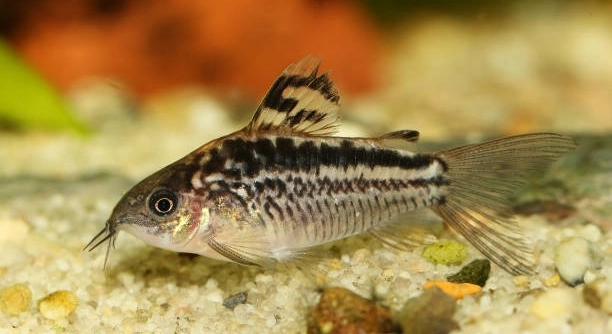
Corydoras catfish are popular aquarium fish, loved for their peaceful nature and playful behavior. However, like any pet, they can sometimes get sick. Recognizing the signs early is important to keep them healthy and happy.
If your Corydoras catfish is sick, look for changes in behavior, appearance, or activity level. Signs like loss of appetite, unusual swimming patterns, or visible injuries may indicate an illness requiring attention and care.
Understanding these warning signs will help you take action before problems worsen. In the following sections, we will explore the most common symptoms of sickness in Corydoras and how to address them.
1. Loss of Appetite
One of the most noticeable signs that your Corydoras catfish may be sick is a loss of appetite. Healthy catfish are usually eager to eat, whether it’s fish flakes, pellets, or live food. If your catfish starts ignoring food, it could be a sign of stress or illness. Several factors can cause this, such as poor water quality, parasites, or infections. If the lack of eating persists for more than a couple of days, it’s important to investigate further.
A sudden loss of appetite can also result from water temperature fluctuations or tankmates being too aggressive. Make sure your Corydoras has a peaceful environment and consistent water conditions.
Always keep an eye on their feeding habits. If it seems like your Corydoras isn’t eating, do a quick water change and monitor its behavior. Sometimes, small environmental changes can quickly solve this problem. If the issue persists, you should consider consulting a veterinarian who specializes in fish.
2. Unusual Swimming Behavior
If your Corydoras starts swimming erratically or spends most of its time at the tank’s surface, it may indicate stress or health issues. This behavior can be linked to water quality problems or internal parasites. When fish feel unwell, they often exhibit abnormal swimming patterns as a response to discomfort. Watch for excessive darting, rubbing against objects, or uncoordinated movements, as these are clear warning signs.
Poor water quality is often the root of abnormal swimming. High ammonia or nitrite levels can irritate your fish, causing them to act out. Checking water parameters regularly and maintaining clean conditions will help keep your Corydoras comfortable and healthy.
If you notice your Corydoras exhibiting strange swimming behavior, take immediate action. Perform a water test to check for dangerous toxins. Additionally, consider quarantining the fish if necessary, especially if other symptoms appear.
3. Clamped Fins
Clamped fins are a common sign that something is wrong with your Corydoras. If the fins are held close to the body rather than being spread out, it may indicate stress, injury, or illness. Healthy fish will typically have their fins open, allowing them to swim with ease.
Clamped fins can be caused by various factors, including poor water quality, parasites, or fungal infections. It’s essential to keep the water clean and stable, as these fish are sensitive to changes in their environment. Even minor shifts in pH, temperature, or hardness can lead to stress, causing clamped fins.
Monitor your fish carefully to see if it starts showing other symptoms. If clamped fins persist for more than a day or two, it’s a good idea to inspect your aquarium’s water quality. Addressing water issues may help improve your Corydoras’ condition. In some cases, medication may be necessary.
4. Abnormal Growths or Spots
When your Corydoras develops unusual growths or spots, it’s a sign of illness that requires attention. These spots may appear as bumps or patches on the skin, gills, or fins. Some growths are a sign of bacterial or fungal infections, while others could be parasitic.
Growths or spots on your Corydoras can be caused by several diseases, including skin infections or external parasites like ich. If you notice white or red spots, cloudy areas on the skin, or visible swelling, act quickly to identify the cause. A close inspection may reveal more details about the infection.
Treatment often involves isolating the affected fish and using appropriate medication. Depending on the severity, you might also need to improve water conditions or quarantine your Corydoras. Pay attention to any other changes in behavior to help pinpoint the issue. Keep a close watch on your aquarium’s cleanliness to prevent recurring infections.
5. Excessive Scratching or Rubbing
If your Corydoras catfish starts rubbing its body against rocks, plants, or decorations, it might be dealing with parasites or irritation. This behavior is often a sign that the fish is trying to relieve discomfort caused by skin issues or external organisms.
Parasites, like ich, are the most common reason for scratching or rubbing. These tiny organisms attach to the skin and gills, causing irritation. When fish feel itchy, they often try to remove the parasites by scraping against tank objects. It’s important to check the fish for any visible signs of parasites, such as white spots or lesions.
Addressing the issue quickly can prevent further damage to your Corydoras. A salt bath or medicated treatment may be necessary. Make sure the water conditions are optimal, as stressed fish are more prone to infections.
6. Floating Near the Surface
If your Corydoras catfish starts hovering near the surface of the water, it may be struggling with swim bladder issues, poor water quality, or oxygen deprivation. This behavior can also be related to stress or illness.
Check the water quality and temperature, as poor conditions can cause your Corydoras to seek out oxygen-rich areas near the surface. Additionally, check for any signs of infection or parasites that could affect its buoyancy. Providing adequate aeration and maintaining clean water can often solve this issue.
FAQ
What should I do if my Corydoras catfish stops eating?
If your Corydoras stops eating, the first thing to check is the water quality. High ammonia or nitrite levels can cause stress and loss of appetite. Test the water for these chemicals and perform a water change if needed. Also, make sure the tank’s temperature is within the ideal range for your Corydoras. Stress from aggressive tankmates or a sudden environmental change can also cause loss of appetite. If the water is fine and the catfish still isn’t eating after a couple of days, consider offering different types of food or consulting a vet for advice.
How can I tell if my Corydoras has a parasite?
Parasites often cause visible signs such as white spots, swollen areas, or abnormal swimming patterns. If you notice your Corydoras scratching against tank objects, it may have external parasites like ich. Look closely for small white cysts on the fish’s skin, fins, or gills. Sometimes, fish with parasites also exhibit clamped fins or a decrease in activity. If you suspect a parasite, it’s important to act quickly, as parasites can spread to other fish. Treating with a medicated bath or using salt can help, but make sure the water conditions are optimal to aid recovery.
Why is my Corydoras catfish swimming strangely?
Strange swimming behavior can be caused by several factors. First, check the water quality for high levels of toxins like ammonia, nitrites, or nitrates. Poor water quality can make your Corydoras feel stressed and cause it to swim erratically. Additionally, if your fish is swimming at the top or bottom of the tank, it could indicate issues like swim bladder problems or low oxygen levels in the water. If the erratic swimming continues, inspect the fish for external injuries or parasites. Improving the environment and offering a peaceful tank can help reduce stress and abnormal behavior.
Is it normal for my Corydoras catfish to hide all the time?
Corydoras are typically active fish, but they can sometimes hide if they are feeling stressed or unwell. If your catfish hides constantly, it may be due to poor water quality, overcrowding, or aggressive tankmates. Corydoras tend to hide more when they’re not feeling well or are recovering from illness. It’s important to ensure your tank is set up with hiding spots and that there are no aggressive fish. If your Corydoras is hiding and showing other signs of sickness, such as loss of appetite or clamped fins, it might need medical attention or better water conditions.
How can I improve the water quality for my Corydoras?
Maintaining good water quality is key to keeping your Corydoras healthy. Start by regularly testing the water for ammonia, nitrites, nitrates, and pH levels. The ideal range for these fish is usually between 6.0 to 7.5 pH, with low ammonia and nitrite levels. Perform regular water changes, about 25-30% each week, to keep these toxins in check. Make sure your filter is running properly and that there’s sufficient water movement. Additionally, avoid overfeeding, as leftover food can pollute the water. Using live plants and a proper filtration system also helps in maintaining clean water.
What are common diseases that affect Corydoras catfish?
Corydoras are prone to various diseases, including external parasites like ich (white spot disease), bacterial infections, and fungal infections. Ich causes white spots on the fish’s body, fins, and gills, and it can be treated with salt baths or medication. Bacterial infections often lead to redness, swelling, or open wounds on the body. Fungal infections can cause cotton-like growths on the skin. Additionally, Corydoras can suffer from swim bladder issues, which can cause them to float strangely or have trouble swimming. Keeping the water quality high and isolating sick fish can help prevent the spread of disease.
Why is my Corydoras catfish losing color?
A Corydoras losing color is often a sign of stress, poor water quality, or illness. Stress from aggressive tankmates, sudden changes in the environment, or improper water conditions can cause your fish to lose its natural vibrant colors. If your fish is also showing signs of clamped fins, loss of appetite, or abnormal swimming, it could be dealing with an infection. Ensure the tank has clean, stable water conditions, and check for parasites or injuries. If the color loss continues, you may need to take action, such as quarantining the fish or adjusting the tank environment.
How can I prevent my Corydoras from getting sick?
To prevent illness in Corydoras, focus on maintaining a stable and clean environment. Regular water changes are essential for keeping toxins at bay. Testing the water regularly for ammonia, nitrites, nitrates, and pH will help you keep the water within the ideal range. Avoid overcrowding the tank and make sure all fish are compatible. Providing hiding spots, proper filtration, and consistent temperature also reduces stress. Additionally, feeding your Corydoras a balanced diet, and only offering as much food as they can eat in a few minutes, will help keep them healthy.
Final Thoughts
Corydoras catfish are hardy and peaceful creatures, but like all fish, they can face health challenges. Recognizing the early signs of illness is essential for keeping them healthy and preventing bigger issues. Whether it’s changes in behavior, swimming patterns, or physical symptoms like spots or clamped fins, these warning signs help you identify when your Corydoras needs attention. Monitoring water quality is a key factor in maintaining their well-being. If your Corydoras is showing signs of illness, take action quickly, as early intervention can often prevent a minor issue from becoming something more serious.
It’s important to remember that Corydoras thrive in stable environments. They don’t do well with sudden changes in water conditions, temperature, or the presence of aggressive tankmates. By regularly testing the water and providing a suitable habitat, you can help avoid many health issues. Keep an eye on their eating habits, swimming behavior, and overall appearance. A healthy Corydoras will have bright, clear eyes, an active swimming style, and a good appetite. If something seems off, don’t hesitate to address it before it worsens. Many health issues can be prevented simply by maintaining a clean, stable tank.
Taking proper care of your Corydoras will ensure they remain happy and healthy for a long time. By being proactive about water quality, observing for early signs of illness, and acting quickly when necessary, you’ll provide your fish with the best environment possible. Corydoras are wonderful additions to any tank, bringing joy with their gentle nature and playful behavior. With the right care, you can enjoy their company for years to come, knowing that you’ve done your part in keeping them healthy.

Hello,
If you enjoy the content that we create, please consider saying a "Thank You!" by leaving a tip.
Every little bit helps us continue crafting quality advice that supports the health, happiness, and well-being of pets around the world, for pets of all shapes, sizes, and species.
We really appreciate the kindness and support that you show us!