
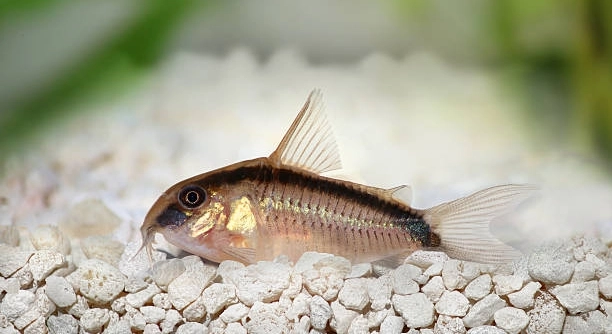
Have you ever noticed your Corydoras catfish acting a little differently and wondered if something might be wrong with them? Subtle changes in behavior can be signs of stress or fear in these gentle fish.
Corydoras catfish often show fear through sudden darting movements, hiding more than usual, loss of appetite, clamped fins, rapid gill movement, color changes, and reduced interaction with tank mates. Recognizing these signs early is crucial.
Recognizing these behaviors can help you create a calmer and safer environment for your Corydoras, helping them feel more secure and comfortable.
Signs Your Corydoras Catfish Might Be Scared
When Corydoras catfish feel scared, they often show it through their body language and behavior. One of the most noticeable signs is sudden darting, especially when there’s a loud noise or a sudden movement near the tank. They may also hide under decorations or inside plants for long periods of time, only coming out when things seem quiet. Some may press themselves flat against the substrate, trying to stay invisible. If you notice clamped fins or a pale body color, these are also common indicators of stress. Rapid breathing or gill movement can mean they are uncomfortable or frightened. Sometimes they stop eating or act distant from their tank mates. These are all small changes, but they can tell you a lot. By paying attention to these signs, you can better understand how your Corydoras are feeling and whether something in the tank is upsetting them.
Fear in Corydoras is often caused by poor tank conditions, sudden changes in water parameters, or aggressive tank mates.
If you suspect your Corydoras are scared, start by checking water quality and ensuring the tank environment is peaceful. Use hiding spots and soft lighting to help them feel secure. Try to limit sudden movement near the tank and avoid overcrowding. Making these changes can ease stress quickly.
What Causes Fear in Corydoras Catfish
Loud noises near the tank or tapping on the glass can be stressful for Corydoras and may lead to fearful behavior.
Corydoras are sensitive to their surroundings. A tank that’s too bright, noisy, or chaotic can make them feel unsafe. Aggressive fish sharing the same space may also intimidate them, causing them to stay hidden. Even rapid changes in water temperature or pH can be uncomfortable, making them anxious or withdrawn. A lack of hiding places or decorations can leave them feeling exposed and stressed. Sometimes, poor water quality due to infrequent cleaning or overfeeding can cause discomfort, leading to fear. These fish thrive in stable, peaceful conditions with clean water and a familiar routine. That’s why sudden changes—like rearranging the tank or adding new fish—can throw them off. To keep your Corydoras calm, stick to regular maintenance, keep the tank setup consistent, and avoid anything that may disturb their environment. The more stable things are, the more comfortable they will feel.
How to Calm a Scared Corydoras Catfish
Start by turning down the lights or using a dimmer light source. Corydoras prefer softer lighting and can become stressed under bright conditions. Adding plants and caves gives them safe places to hide and feel secure without feeling trapped or exposed.
Make sure the tank is in a quiet area of your home where sudden movements and loud noises are less likely. Avoid tapping on the glass or moving decorations around often. Stick to a consistent feeding schedule, as routine can help lower anxiety in fish. When cleaning the tank, do it gently and slowly to avoid disturbing them. You can also add floating plants to soften the light even more. These changes may seem small, but they create a sense of safety and comfort that can make a big difference for your Corydoras.
If there are aggressive tank mates, consider moving them to a separate tank. Even if they don’t actively attack, constant chasing or fin-nipping is very stressful for peaceful fish like Corydoras. Adding more of their own kind can also help. Corydoras are schooling fish and feel more secure in groups of five or more. When they’re alone or in small numbers, they’re more likely to stay hidden and nervous. With company, they explore more and feel safer.
Things to Avoid When Handling Fearful Corydoras
Avoid making quick, large changes to the tank. Corydoras are sensitive to their surroundings, and sudden shifts in water temperature, lighting, or layout can increase fear and stress in a noticeable way.
Don’t use strong aquarium lights or leave them on for long periods, especially if the tank lacks shade or plant cover. Avoid overcrowding the tank, as this can make the space feel tight and uncomfortable. Never reach into the tank suddenly or without reason. It’s also best not to change all the decorations or plants at once. Doing so removes the familiar spots your Corydoras use for comfort. Skip adding new fish too quickly—especially larger or more active species—since this can upset the peaceful balance they need. Keep things quiet near the tank and try not to startle them with loud music or movement. These little habits help your fish stay calm and happy in the long run.
How Long It Takes for Corydoras to Calm Down
Corydoras usually calm down within a few hours to a couple of days, depending on the cause of stress. If the environment is stable and peaceful, they tend to recover quickly and return to normal behavior.
In some cases, like after introducing new tank mates or a large water change, it may take up to a week for them to fully settle. Keeping the conditions quiet and consistent helps speed up the process. Patience is important, especially if they’ve been through something sudden or stressful.
When to Be Concerned About Fearful Behavior
If your Corydoras stays hidden, refuses to eat, or shows rapid gill movement for more than a few days, it may be more than fear. Long-term stress can weaken their immune system and lead to health issues. Watch for signs like faded color, inactivity, or abnormal swimming. These may point to sickness or poor tank conditions. Check water parameters, temperature, and the behavior of other fish. If nothing changes and they continue acting scared, it’s a good idea to speak with a vet who has experience with fish. It’s better to catch the problem early than wait for it to get worse.
Final Thoughts on Helping Your Corydoras
Keeping their tank calm, clean, and predictable is the best way to help Corydoras feel safe. A stable routine really makes a difference.
FAQ
Can Corydoras die from stress?
Yes, long-term stress can lead to health problems and even death in Corydoras. Stress weakens their immune system, making them more likely to get sick. If they’re always hiding, refusing food, or showing physical signs like pale color or clamped fins, it’s important to act quickly. A poor environment, aggressive tank mates, and sudden changes in water conditions are some of the biggest causes. Even if they don’t seem sick right away, chronic stress slowly takes a toll on their health. A peaceful and stable tank setup helps prevent this and keeps your Corydoras safe and comfortable.
How many Corydoras should be kept together to reduce stress?
Corydoras are social fish that feel safer and more relaxed when kept in groups. The ideal group size is at least five to six fish of the same species. When kept alone or in pairs, they may become skittish or hide more often. In larger groups, they interact more naturally, explore the tank, and show healthier behavior. The tank should also be big enough to give them space to swim without feeling cramped. A group setup mimics their natural behavior in the wild and helps them feel more secure, reducing the chances of fear and stress.
Do Corydoras like to be touched or handled?
Corydoras do not like to be touched or handled. It stresses them out and can damage their delicate body, especially their fins and sensitive barbels. If you need to move them, use a soft net and do it gently and calmly. Avoid catching them often or chasing them around the tank. Even during tank cleanings, try not to disturb them too much. Let them stay in their hiding spots if possible. Respecting their space and keeping interactions minimal helps them feel safe and keeps their stress levels low.
Can loud noises scare Corydoras?
Yes, loud noises can scare Corydoras. Vibrations from slamming doors, nearby speakers, or sudden loud sounds can startle them and cause them to dart or hide. Tanks placed near busy areas or high-traffic rooms tend to make fish more jumpy. A quieter space helps keep them calm. If the room has a lot of noise, consider placing padding under the tank stand to reduce vibrations. Corydoras are peaceful and easily disturbed, so limiting loud sounds near their home helps them feel more secure and stable in their environment.
Why is my Corydoras hiding all the time?
Constant hiding can be a sign of fear, poor water quality, or stress from tank mates. Check the water parameters first to rule out any problems there. If the water is fine, look at how many Corydoras are in the tank. Being alone makes them nervous. Also, look out for fish that may be bullying or chasing them. Make sure they have plenty of hiding spots and soft lighting. Some hiding is normal, especially after a change in the tank, but staying hidden for days may point to a bigger issue that needs to be fixed.
Do Corydoras sleep, and does it affect their behavior?
Yes, Corydoras do rest, and it usually happens during the night or in low light. If they don’t get enough rest, they may act stressed or sluggish. Keeping the tank lights off at night and giving them a quiet environment helps them rest properly. If they seem overly active at night or constantly disturbed, they may become anxious or irritable. Try not to disturb their rest period with sudden noises or light changes. Just like us, a good rest helps them stay healthy, calm, and alert during the day.
Is it normal for Corydoras to stop eating when scared?
Yes, it’s normal for Corydoras to skip meals when they’re stressed or scared. This can happen after moving them to a new tank, changing the setup, or introducing new fish. If the stress continues, the lack of appetite might last longer and lead to health problems. Make sure the tank is calm, the water quality is good, and the lighting isn’t too bright. Try offering food they usually like and remove leftovers to keep the water clean. Once they feel safe again, they usually go back to eating normally within a few days.
Final Thoughts
Corydoras catfish are peaceful, gentle fish that enjoy a calm and steady environment. They can get scared easily by sudden changes, loud sounds, or aggressive tank mates. These little signs of fear may seem small at first, like hiding more than usual or darting across the tank. But over time, constant stress can affect their health and behavior. That’s why it’s important to pay attention to how they act, especially if something seems off. The sooner you notice a problem, the easier it is to fix and help them feel better. A safe and quiet tank setup goes a long way.
Keeping your Corydoras in a group, offering hiding spots, and sticking to a steady routine can make them feel secure. Small changes like dimming the lights, limiting noise near the tank, and making sure the water stays clean help reduce fear. Watching them closely and giving them space to rest can also prevent stress. Avoid moving things around too much or adding new fish too quickly. If they do show signs of being scared, try to figure out what caused it. Once the cause is removed, they usually bounce back pretty quickly. But if things stay the same and they don’t improve, it could be a sign of something more serious.
These fish don’t ask for much, but they do need consistency and care. Fear in Corydoras isn’t always loud or obvious, so it helps to learn their normal behavior. That way, you’ll know when something changes. A relaxed, healthy Corydoras will explore the tank, eat regularly, and interact with the group. When that stops, it’s time to take a closer look. It may just be a small fix, like adding more cover or checking the water. In the end, creating a peaceful space for your Corydoras not only helps them feel safe but also lets you enjoy watching their natural behavior. They are fun, active little fish when they feel secure—and with the right setup, they’ll thrive.

Hello,
If you enjoy the content that we create, please consider saying a "Thank You!" by leaving a tip.
Every little bit helps us continue crafting quality advice that supports the health, happiness, and well-being of pets around the world, for pets of all shapes, sizes, and species.
We really appreciate the kindness and support that you show us!