
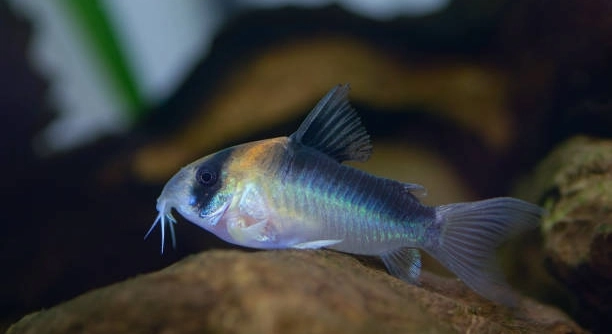
When introducing a new diet to your Corydoras catfish, it’s important to monitor how they respond. Diet changes can impact their health, behavior, and overall well-being. Understanding these signs can ensure your fish is thriving.
The most common indicators of a Corydoras catfish responding well to a new diet include increased energy, improved coloration, and consistent swimming patterns. They may also exhibit better digestion and show interest in food more readily.
Recognizing these signs early on will help you adjust their care accordingly.
Increased Activity Levels
One of the first signs your Corydoras catfish is adapting to its new diet is an increase in activity levels. When fish are well-fed and happy, they tend to swim around more actively. If your catfish is showing more interest in moving around the tank, this is a good indication that they are feeling better after the diet change. A sluggish fish may indicate that the diet isn’t agreeing with them or they’re not getting enough nutrition. Observe whether your catfish becomes more social, as they may start interacting with tankmates more frequently. Additionally, this increased activity is often paired with a more energetic approach to food. They may even explore areas of the tank they previously ignored.
A sudden burst of activity indicates the fish is adjusting well.
Diet-related changes are also linked to improved overall health, which can lead to more frequent swimming.
Improved Coloration
A change in your Corydoras catfish’s coloration is another sign that they are adjusting well to the new diet. Healthy, well-fed fish typically have vibrant and vivid coloring. If you notice your catfish’s colors becoming more distinct and brighter, this may mean they are receiving proper nutrition. It is important to check the color under the right lighting conditions to ensure accuracy. Faded or dull colors might signal that the fish is not benefiting from its food or is stressed due to a poor diet.
The change in coloring usually reflects better overall health and well-being, which can be directly linked to nutrition.
When feeding your Corydoras, make sure to choose foods that enhance their natural coloration. Foods rich in carotenoids, for example, are known to promote vibrant hues. It’s not uncommon for well-fed catfish to show signs of their true beauty more clearly after adjusting to a balanced diet.
Healthy Digestion
A well-adjusted Corydoras catfish will show signs of healthy digestion after a diet change. You’ll notice less bloating and a more regular feeding schedule. Over time, a properly nourished catfish should have clean, firm waste that’s not overly excessive. This is one of the simplest ways to tell that your fish is thriving.
A healthy digestive system will also ensure your catfish remains active. Without digestive issues, they are more likely to swim consistently and show interest in their food. If your fish appears constipated or bloated, it could be an indication that the new diet isn’t working as intended.
Watch for any signs of difficulty in passing waste. If the feces is unusually soft or stringy, it could indicate that the food is not being processed properly. Also, if your fish is constantly trying to expel waste without success, it might need a dietary adjustment. Healthy digestion is key to their overall well-being.
Interest in Food
When a Corydoras catfish is adjusting well to its new diet, it will show a noticeable interest in food. If your fish seems eager to eat at feeding time and quickly finishes its meal, this is a sign that they are responding positively to the new diet. An interested catfish will often swim toward the food as soon as it is introduced, indicating that the new diet is appetizing to them.
If the catfish is reluctant to eat or ignores food altogether, it may be a sign that something in their diet doesn’t suit them. This could be a specific ingredient they dislike or a nutritional imbalance. Pay close attention to their behavior at feeding times, as this is a direct way to gauge their response to diet changes.
It’s also important to monitor their eating speed. A catfish that eats quickly and with enthusiasm generally enjoys the food provided. However, if your fish starts spitting out food or seems distracted, it may need a dietary adjustment.
Consistent Swimming Patterns
After a diet change, you may notice your Corydoras catfish swimming in more consistent patterns. Healthy fish tend to swim more actively and fluidly. If the catfish is swimming around the tank more often and at a steady pace, it’s a sign they’re adjusting well to the new diet.
Irregular swimming or lethargy can indicate that the fish is not fully comfortable with the diet. Watch for signs of erratic swimming, as this can also be a signal of stress. A calm, steady swimming pattern is an indication of good health and a well-adjusted diet.
Improved Immune Function
A well-fed Corydoras catfish should show fewer signs of illness or stress after a diet change. You may notice that they are less prone to skin lesions, fin rot, or other common diseases. This improvement suggests that the new diet is boosting their immune system and overall health.
Strong immune function comes from a balanced diet that supports the fish’s natural defenses. Be sure to feed them a variety of nutritious foods to maintain their immune system. Consistent health is a sign that the diet is having a positive effect on their immune function and general resilience.
Social Behavior
Social interaction among Corydoras catfish can also improve after dietary changes. Fish that are responding well to their food will be more active in the tank and more likely to engage with their tankmates. They may swim together in groups or explore the environment with more interest.
Increased social behavior can also indicate that the catfish is comfortable in its environment, including the changes to their diet. If you see your fish interacting with others more often, it suggests that they are feeling secure and nourished, further indicating the diet is beneficial.
FAQ
How long does it take for Corydoras catfish to adjust to a new diet?
The adjustment period for Corydoras catfish varies but generally takes around 1 to 2 weeks. It’s important to introduce new foods gradually to avoid stress or digestive issues. If your fish doesn’t take to the new diet immediately, don’t worry; they may need a little time to get used to the change. Monitor their activity levels and waste to ensure they are adjusting well. If there are no improvements after two weeks, it could be worth reassessing the diet choice.
Can I feed Corydoras catfish a variety of foods?
Yes, offering a variety of foods is important for the health of your Corydoras catfish. A diet with a mix of high-quality pellets, live or frozen foods like worms or brine shrimp, and occasional vegetables will ensure they receive a wide range of nutrients. Variety prevents nutrient deficiencies and supports overall health. Make sure not to overfeed and remove any uneaten food promptly to maintain water quality.
What should I do if my Corydoras catfish refuses to eat new food?
If your Corydoras catfish refuses to eat new food, try offering smaller portions and reducing the variety of food offered. Some fish may take a while to adjust, so be patient. It could also be a case of offering a food type they don’t prefer. Try offering a more familiar food to ease the transition. Another approach is to soak the new food in water or a fish-safe supplement to make it more appealing.
Can a poor diet affect the coloration of my Corydoras catfish?
Yes, a poor diet can lead to dull or faded colors in Corydoras catfish. These fish require a balanced diet rich in proteins, vitamins, and minerals to maintain vibrant hues. If you notice that the fish’s colors are becoming less vivid, it could be a sign that their diet lacks essential nutrients. To improve their coloration, introduce foods high in carotenoids, like spirulina or foods designed to enhance fish colors.
Is it normal for Corydoras catfish to become more aggressive when changing their diet?
Generally, Corydoras catfish are peaceful fish, but some may show mild signs of stress or increased aggression if they are unhappy with their food. This could happen if the diet isn’t meeting their nutritional needs or if they are not adapting well to the change. It’s important to monitor the fish’s behavior carefully during the diet transition. If aggression continues, consider trying a different food or adjusting the environment to reduce stress.
What are the best types of food for Corydoras catfish?
Corydoras catfish thrive on a diet that includes a variety of high-quality options. Pellets formulated for bottom-dwelling fish are great as they sink and are easy to access. You can also offer live or frozen foods like brine shrimp, bloodworms, and daphnia, which are rich in protein. Adding occasional vegetables like blanched zucchini or spinach will provide fiber and help with digestion. Ensure the food you offer is appropriate for their size and feeding habits.
Can Corydoras catfish survive on just one type of food?
While Corydoras catfish can survive on one type of food for a short period, a varied diet is essential for their long-term health. Relying on a single type of food may lead to nutritional imbalances. A lack of variety can lead to deficiencies in key vitamins or minerals, which may result in health issues. By offering a mix of foods, you help ensure they receive all the nutrients they need.
How do I know if my Corydoras catfish is overeating?
Overfeeding can be harmful to Corydoras catfish. Signs of overeating include bloating, sluggishness, or excessive waste production. Corydoras are bottom dwellers and often eat slowly, so if you notice food accumulating in the tank, it may mean you are feeding too much. It’s crucial to monitor their eating habits and adjust portion sizes accordingly. Removing uneaten food within a few hours will help maintain water quality.
Is it okay to feed Corydoras catfish high-protein foods daily?
While high-protein foods like bloodworms or brine shrimp are beneficial, feeding them too often can lead to health issues. A diet that is too high in protein can cause obesity or kidney problems in Corydoras catfish. It’s best to offer protein-rich foods in moderation and balance them with plant-based or fiber-rich foods to maintain a healthy diet. A mix of protein, vegetables, and pellets ensures they get the proper nutrition.
What are the signs of a Corydoras catfish being malnourished?
Signs of malnutrition in Corydoras catfish include weight loss, faded coloration, lethargy, and abnormal swimming patterns. They may also refuse food or show signs of digestive distress, such as bloating or irregular waste. If you notice these symptoms, it’s important to review their diet and ensure it includes all essential nutrients. Malnourishment can lead to serious health issues if not addressed promptly.
How do I transition my Corydoras catfish to a new food?
To transition your Corydoras catfish to a new food, gradually introduce the new food alongside their current diet. Start with a small amount of the new food mixed with the familiar one and increase the amount of new food over a week or two. This gradual process helps reduce stress and allows the fish to adjust to the new flavor and texture. Be patient and observe their eating behavior during the transition.
Final Thoughts
Understanding how your Corydoras catfish responds to a new diet is key to maintaining their health. While it may take some time for them to adjust, paying attention to their behavior, swimming patterns, and appetite can provide important clues about how well they are adapting. A diet change can be stressful, but with patience and careful observation, you can make the process smoother for your fish. Always make sure to monitor their overall well-being to ensure they are thriving on the new food.
Corydoras catfish are bottom-dwelling fish that require a balanced diet to stay healthy. Offering them a variety of foods ensures they receive the essential nutrients needed for growth, immune function, and vibrant colors. A diet rich in both proteins and plant matter, such as quality pellets, live or frozen foods, and vegetables, will keep them satisfied and healthy. Additionally, watching their reaction to different food types will help you determine what works best for them. Keep in mind that overfeeding or offering the wrong types of food can lead to health problems.
In the end, the key to success with feeding your Corydoras catfish lies in providing a diverse and balanced diet while closely monitoring their responses. The signs of a healthy diet are clear—active swimming, healthy skin and fins, and normal social behavior. On the other hand, if you notice signs of stress, aggression, or poor health, it’s essential to reevaluate their diet and make adjustments. By being observant and proactive, you will help your Corydoras catfish adjust to their new diet and ensure they remain happy and healthy in their environment.

Hello,
If you enjoy the content that we create, please consider saying a "Thank You!" by leaving a tip.
Every little bit helps us continue crafting quality advice that supports the health, happiness, and well-being of pets around the world, for pets of all shapes, sizes, and species.
We really appreciate the kindness and support that you show us!