
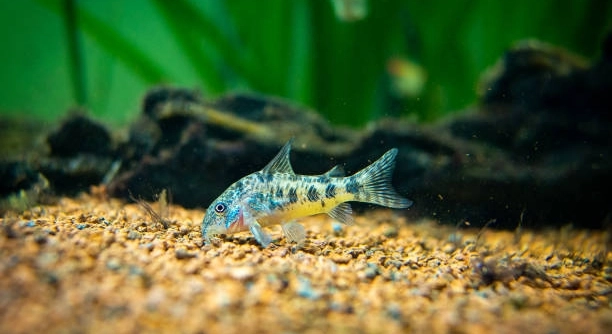
Corydoras catfish are sensitive to their environment, and temperature changes can affect their behavior and well-being. Understanding how these changes impact them is important for keeping them healthy and thriving in your tank.
Corydoras catfish exhibit various signs when responding to temperature shifts, such as changes in activity level, breathing rate, and behavior. These fish may become lethargic, move to cooler or warmer areas, or display unusual swimming patterns as they adjust.
Recognizing these signs can help you better manage the temperature conditions for your fish, ensuring they stay comfortable and healthy.
Signs Your Corydoras Catfish Is Responding to Temperature Changes
When the temperature in your aquarium fluctuates, Corydoras catfish may show several signs that indicate they are reacting to the shift. These fish are quite sensitive, and even slight changes in water temperature can cause noticeable behavior changes. If the water gets too warm or too cold, you may see your catfish become more sluggish or swim erratically. This can also cause them to gather in specific areas of the tank, either seeking warmth or cooler spots. Keeping an eye on these signs ensures that you’re addressing potential temperature issues before they lead to health problems for your fish.
Even small shifts in temperature can be enough to make your Corydoras uncomfortable. Watch for reduced activity levels, unusual swimming patterns, or more frequent surface swimming. These could be signs that your fish are trying to adapt to the new temperature conditions.
Temperature changes can also impact feeding behavior. Corydoras may lose their appetite or become less active during feeding times when the water is too hot or cold. This is a clear sign that the fish are not comfortable in their environment and may need a stable temperature range to feel at ease again.
How Temperature Changes Affect Their Breathing
When the water temperature increases, your Corydoras may show signs of faster breathing. This happens because warmer water holds less oxygen, and the fish have to work harder to get enough air. In cooler water, the fish may breathe slower, as the oxygen level is usually higher. These changes are natural responses to temperature shifts, but they can also indicate that the water is out of the optimal range for your fish. Keeping a close eye on their breathing patterns can help you understand how temperature fluctuations are affecting them.
Rapid breathing or gasping at the surface is often a sign that the temperature is too high. Make adjustments to the tank’s heater or cooler areas to help your Corydoras adjust more comfortably.
Change in Swimming Patterns
When your Corydoras catfish respond to temperature changes, you may notice them swimming in a more erratic or sluggish manner. They might swim near the surface or remain in a corner of the tank, trying to find a spot with a more comfortable temperature. This is a sign that they are trying to adjust to their environment.
Rapid or erratic swimming is a key indicator that your Corydoras are feeling stressed due to temperature fluctuations. If they start moving unpredictably or showing signs of restlessness, it’s important to check the tank’s temperature and make sure it is within the ideal range for them. A sudden shift in behavior can signal that your fish are struggling to adapt.
In contrast, if the temperature is too low, they might move more slowly or become less active altogether. Corydoras thrive in consistent, moderate temperatures. If they seem disoriented or are spending more time at the bottom of the tank, the temperature might need to be adjusted to better suit their needs.
Decreased Appetite
Temperature fluctuations often lead to a reduced appetite in Corydoras catfish. These fish tend to lose interest in food when the water is either too hot or too cold. If you notice your Corydoras ignoring their meals or not eating as much, it could be a sign that their environment is not quite right.
When the temperature rises beyond their comfort level, Corydoras will often reduce their activity, including feeding. They become less motivated to search for food, which can lead to poor nutrition. This is a common response to warmer water temperatures and may indicate that you need to cool down the aquarium slightly.
If the temperature drops too low, they may also stop eating. Cold water causes their metabolism to slow, and they become less inclined to feed. The key is to keep their tank within a steady range to encourage regular eating and proper health.
Hiding Behavior
Corydoras catfish tend to hide when the temperature changes. If the water becomes too warm or too cold, they may retreat to darker areas of the tank or spend more time resting at the bottom. This behavior is their way of avoiding stress and adjusting to the change.
When the water temperature fluctuates, Corydoras feel less secure. They might find shelter in plants or decorations, hoping to escape the discomfort caused by the temperature. If you notice this more frequently, it’s a sign that your fish may need a more stable environment. A consistent water temperature helps them feel more comfortable and active.
Faster Breathing
As temperature rises, Corydoras will likely breathe faster. Warmer water holds less oxygen, so they need to increase their breathing rate to compensate. If they are gasping at the surface, it’s a clear indicator that the temperature is too high, and the oxygen levels may be low.
Reduced Activity
When the water temperature drops too low, your Corydoras might become less active. Cold temperatures can slow down their metabolism, making them less likely to swim or explore the tank. If you notice your fish becoming lethargic, check the water temperature to see if adjustments are necessary.
FAQ
How do I know if the temperature is too high for my Corydoras catfish?
If the temperature is too high, your Corydoras will likely show signs of stress, such as rapid breathing or gasping at the surface. You may also notice them becoming more lethargic or hiding more often. The warmer the water, the less oxygen it holds, making it harder for your catfish to breathe. In such cases, it’s essential to monitor the tank’s temperature regularly and adjust the heater or cooling system to maintain a stable environment. The ideal temperature range for Corydoras catfish is typically between 72°F and 78°F (22°C to 26°C).
What temperature is best for Corydoras catfish?
Corydoras thrive in moderate water temperatures. The ideal temperature range is between 72°F and 78°F (22°C to 26°C). Staying within this range helps them remain active, healthy, and comfortable. A temperature outside of this range, whether too hot or too cold, can cause stress and make them more susceptible to diseases. A good aquarium heater and thermometer will help you maintain a consistent water temperature for your fish.
Can Corydoras survive in colder temperatures?
Corydoras catfish can tolerate colder temperatures, but they will become sluggish and less active. If the temperature drops too low, their metabolism slows down, and they may stop eating altogether. While Corydoras can handle temperatures as low as 65°F (18°C), prolonged exposure to cold water is not ideal. Maintaining a stable, moderate temperature will prevent them from becoming stressed or sick.
How do temperature changes affect Corydoras catfish breeding?
Temperature changes can influence the breeding behavior of Corydoras. Warmer water temperatures often trigger breeding behavior, as they mimic the rainy season in their natural habitat. However, sudden or extreme temperature fluctuations can stress the fish and disrupt the breeding process. To encourage breeding, it’s important to maintain a consistent temperature and create an environment that mirrors the natural conditions they need.
Why is my Corydoras catfish swimming at the surface of the tank?
If your Corydoras is swimming at the surface, it could be a sign that the water temperature is too high. Warmer water has less oxygen, and fish will often swim near the surface to try and breathe in more oxygen. This behavior could also indicate that the water quality is poor, so check your tank’s parameters to ensure they’re within healthy ranges. Regular water changes and proper filtration can help improve the oxygen levels and overall health of your fish.
Is it normal for Corydoras catfish to be more active at night?
Corydoras catfish are generally more active during the evening and night. They are nocturnal creatures, meaning they tend to explore, search for food, and interact more during the dark hours. However, if your Corydoras suddenly becomes more active during the day after a temperature change, it may be a sign of stress. Monitor their behavior and ensure that the water temperature remains stable.
How can I prevent temperature fluctuations in my aquarium?
To prevent temperature fluctuations, consider investing in a high-quality aquarium heater with a built-in thermostat. This will help maintain a steady temperature within the ideal range for your Corydoras. Additionally, placing the tank away from direct sunlight or cold drafts will prevent external temperature changes from affecting your aquarium. Regular monitoring of the water temperature is essential, especially when the seasons change or when you make any adjustments to the tank setup.
Can Corydoras catfish tolerate fluctuating temperatures?
Corydoras are sensitive to rapid temperature changes. They are not well-equipped to handle sudden fluctuations and can easily become stressed or even ill. A sudden drop or rise in temperature can cause lethargy, loss of appetite, and increased susceptibility to diseases. It’s essential to keep the temperature consistent and gradual to avoid shocking your fish.
What should I do if my Corydoras is not eating after a temperature change?
If your Corydoras refuses to eat after a temperature change, it’s likely due to the stress caused by the fluctuation. First, check the water temperature and ensure it is within the ideal range. If it’s too high or low, adjust accordingly. It may take some time for your Corydoras to regain its appetite. Offer a variety of foods and ensure they are in a comfortable environment to help them recover their usual eating habits.
How often should I check the water temperature for my Corydoras catfish?
It’s a good practice to check the water temperature regularly, ideally once a day or at least a few times a week. A consistent temperature is crucial for the health and well-being of your Corydoras catfish. A thermometer in the tank will help you monitor the water temperature accurately. Any sudden changes should be addressed immediately to avoid stressing your fish.
Are there any signs that my Corydoras is adjusting well to temperature changes?
If your Corydoras is adjusting well to temperature changes, you should notice a return to its normal behavior. They will be swimming actively, eating regularly, and breathing at a normal rate. Additionally, they may interact more with tank mates and explore the aquarium freely. Keep an eye on their behavior and look for these signs of recovery to ensure they are adapting well.
Final Thoughts
Understanding how temperature affects Corydoras catfish is key to keeping them healthy. These fish are sensitive to changes in their environment, particularly when it comes to water temperature. A stable tank temperature helps maintain their energy levels, keeps them active, and supports their overall well-being. Ensuring the temperature stays within the recommended range of 72°F to 78°F (22°C to 26°C) can prevent stress and encourage natural behaviors. Temperature fluctuations, whether too high or too low, can lead to lethargy, reduced appetite, or even more severe health issues. Regular monitoring and using a reliable heater are the best ways to avoid these problems.
When temperature changes occur, it’s important to observe your Corydoras carefully for signs of stress. These can include hiding more often, rapid breathing, or reduced activity. These behaviors are their way of coping with uncomfortable or harmful conditions. If you notice any of these signs, adjusting the temperature gradually and providing a calm environment will help them recover. Corydoras are resilient but require a consistent environment to thrive, so making adjustments slowly and thoughtfully is crucial.
In the end, keeping Corydoras catfish in the right temperature range is essential for their health. Small changes in temperature can have big effects, so it’s important to act quickly when something seems off. By maintaining a stable water temperature, checking it regularly, and being aware of any unusual behavior, you can ensure that your fish stay happy and healthy. Whether you’re dealing with a minor fluctuation or a larger issue, your care and attention will make all the difference in creating a safe and comfortable home for your Corydoras.

Hello,
If you enjoy the content that we create, please consider saying a "Thank You!" by leaving a tip.
Every little bit helps us continue crafting quality advice that supports the health, happiness, and well-being of pets around the world, for pets of all shapes, sizes, and species.
We really appreciate the kindness and support that you show us!