
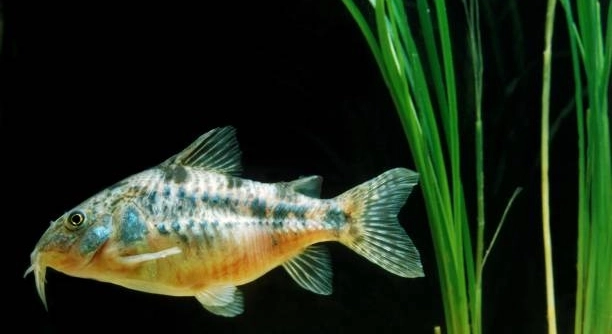
Corydoras catfish are popular aquarium fish known for their peaceful nature and unique behavior. However, they are sensitive to water quality, which can impact their health in several ways. Identifying early signs of poor water quality is crucial.
Poor water quality can affect your Corydoras catfish in various ways. Monitoring water conditions like temperature, pH, and ammonia levels can help prevent stress and illness in these delicate fish. Watch for unusual behavior and physical symptoms.
Understanding these signs will help you act quickly, ensuring your Corydoras stay healthy. Proper water care can prevent long-term damage to your fish and aquarium environment.
Symptoms of Poor Water Quality in Corydoras Catfish
Corydoras catfish are sensitive to water conditions, and even slight changes in their environment can lead to stress or illness. If the water is dirty or improperly balanced, they may display signs such as lethargy, rapid breathing, or irregular swimming patterns. These changes happen because the catfish’s gills are having difficulty processing oxygen, or they are trying to escape harmful chemicals like ammonia or nitrites in the water. By recognizing these symptoms early, you can act quickly to restore the water quality and protect your fish’s health.
It’s essential to monitor water parameters regularly, including ammonia, nitrate, and pH levels. Keeping these within the safe range ensures your Corydoras are thriving. They rely on clean, well-maintained water to stay healthy.
Even slight changes in water conditions can affect Corydoras’ behavior. For instance, if the fish start swimming erratically or rubbing against tank decorations, it could indicate water quality issues. These symptoms often go unnoticed until the problem has worsened, so it’s critical to monitor the tank regularly. Poor water quality can also weaken your fish’s immune system, making them more prone to disease.
How Poor Water Quality Affects Your Corydoras
The first signs of poor water quality might be subtle, like a slight decrease in activity. Corydoras are usually active scavengers, but they can become sluggish if they’re exposed to high levels of toxins.
Dirty water conditions can cause Corydoras to hide more often, seeking shelter in the substrate or behind decorations. They might also display increased gill movement, trying to get more oxygen. If these signs persist, water tests should be conducted to check for harmful levels of ammonia, nitrites, or nitrates. Additionally, water temperature fluctuations can also cause stress, making Corydoras more vulnerable to illness.
When water quality is poor, Corydoras are at risk of developing skin lesions, fin rot, or other bacterial infections. They may also exhibit breathing problems and increased sensitivity to light. Prolonged exposure to bad water conditions can lead to chronic stress, which further weakens the immune system. This vicious cycle can eventually lead to death if not addressed. Regular water changes and tank maintenance can prevent these problems and keep your fish happy and healthy.
Signs of Stress in Corydoras Catfish
Stress in Corydoras can be triggered by poor water quality. Symptoms may include hiding, abnormal swimming, or reduced appetite. Monitoring your catfish for any changes in behavior can help prevent more serious issues from arising.
When Corydoras feel stressed, they might start spending more time at the bottom of the tank, hiding in corners or under rocks. They may also start rubbing against objects, trying to relieve discomfort caused by irritating water conditions. Stress weakens their immune system, making them more susceptible to infections or diseases.
If you notice your Corydoras acting differently than usual, it’s time to check water parameters. Excessive levels of ammonia, nitrites, or nitrates can cause irritation and discomfort. Immediate action is necessary to avoid further complications. Regular water testing is crucial in keeping your fish healthy and free from stress-related issues. Maintaining stable water conditions is key to keeping your Corydoras active and content.
The Importance of Regular Water Testing
Regular water testing is essential in ensuring your Corydoras live in a healthy environment. Ammonia, nitrite, and nitrate levels need to be checked frequently to prevent toxicity.
Ammonia and nitrites can quickly build up in an aquarium, especially if filtration or water changes aren’t done regularly. Both of these substances are harmful to fish and can cause serious health issues, such as gill damage and organ failure. Nitrates, though less harmful, still need to be monitored to avoid long-term stress.
Having a reliable water testing kit is one of the most effective ways to ensure the health of your aquarium. Testing the water at least once a week can help detect any changes early on. If you find the levels are off, immediate action should be taken, like doing a water change or adjusting the filtration system. Without proper monitoring, water quality can degrade quickly, leading to avoidable stress for your Corydoras.
Decreased Appetite in Corydoras
A reduced appetite in Corydoras can signal water quality problems. When the environment isn’t ideal, they might stop eating, leading to weight loss and further weakening their immune system. Watching their feeding habits closely is crucial to catching early signs of trouble.
If your Corydoras is no longer eagerly scavenging or showing interest in food, it’s a red flag. Stress and poor water quality can cause them to lose their appetite. This lack of interest in food could also be a sign of an underlying health issue, often tied to harmful toxins in the tank.
Increased Breathing Rate
When Corydoras are exposed to poor water conditions, their gills work harder to take in oxygen. This results in a noticeable increase in their breathing rate. If you observe your fish gasping at the surface or breathing more rapidly than usual, it’s time to check the water.
Corydoras, like other fish, rely on good water quality to breathe properly. If the oxygen levels are low or toxins like ammonia are present, they will struggle to take in enough oxygen. This can be a dangerous sign that should not be ignored. Immediate water changes may be needed to improve oxygen levels.
Changes in Swimming Behavior
Corydoras are typically active, but poor water quality can cause them to swim erratically or in circles. If you notice this, it’s likely due to stress caused by harmful chemicals in the water. This behavior is a clear indication that something is wrong.
When their environment isn’t right, Corydoras will often swim frantically in search of better conditions. They might swim close to the surface or near the tank filter, trying to escape discomfort. Erratic swimming can be a sign that the water is either too polluted or has drastic fluctuations in temperature or pH.
FAQ
What causes poor water quality in a tank?
Poor water quality is often caused by a build-up of organic waste from uneaten food, fish waste, and decaying plants. If the tank isn’t filtered properly or water changes aren’t frequent enough, harmful substances like ammonia, nitrites, and nitrates can accumulate. Overfeeding fish, overcrowding the tank, or insufficient filtration are common causes of poor water quality. Additionally, failing to monitor water parameters like pH, temperature, and hardness can make it harder to keep the environment stable.
How can I fix poor water quality in my aquarium?
To fix poor water quality, start by doing a partial water change, removing 25-30% of the water and replacing it with clean, conditioned water. This will lower toxin levels like ammonia and nitrites. Make sure your filter is working efficiently and consider upgrading if it’s not filtering enough water. Test the water regularly to check the levels of ammonia, nitrites, and nitrates. If they are high, continue doing small water changes every few days until the levels stabilize. You can also add live plants to help absorb excess nutrients.
How often should I perform water changes for my Corydoras tank?
Water changes should be done regularly to maintain water quality. For Corydoras, a 25-30% water change every week is ideal, but it may vary depending on your tank’s size, stocking levels, and filtration. If the tank is heavily stocked, you might need to change the water more frequently. Regular water testing helps determine when it’s time for a change. Keep an eye on your Corydoras—if they seem sluggish or are showing signs of distress, it may be time for an immediate water change.
What are the best water parameters for Corydoras catfish?
Corydoras catfish prefer slightly acidic to neutral water, with a pH range of 6.5-7.5. The water temperature should be between 72-78°F (22-26°C). Ammonia and nitrites should always be at 0 ppm (parts per million), and nitrates should be kept below 20 ppm. Make sure your aquarium is well-filtered and your water conditions are stable. Regularly monitor these parameters to avoid any fluctuations that may stress your fish.
Can overfeeding cause poor water quality?
Yes, overfeeding is a common cause of poor water quality. Uneaten food decomposes in the tank, leading to high ammonia levels, which can harm your fish. Feed your Corydoras only what they can consume in 2-3 minutes. Remove any leftover food after feeding to prevent it from decaying and polluting the water. Keeping track of how much food is given will help you avoid overfeeding and maintain a clean environment for your fish.
How do I know if my Corydoras are stressed from poor water quality?
Stressed Corydoras may display symptoms such as hiding more often, reduced activity, rapid breathing, or rubbing against tank decorations. They may also lose their appetite or exhibit erratic swimming. Stress can weaken their immune system, making them more susceptible to diseases. If you notice these signs, it’s important to check your water quality and take corrective action, like doing a water change or adjusting tank conditions.
Can poor water quality cause diseases in Corydoras?
Yes, poor water quality can weaken the immune system of Corydoras, making them more susceptible to diseases like fungal infections, skin lesions, and fin rot. Toxins such as ammonia and nitrites can cause direct harm to their gills and organs. Maintaining proper water parameters helps keep your Corydoras healthy and less prone to illness. Regular water changes and good filtration are essential to preventing diseases related to poor water quality.
What’s the best filter for Corydoras catfish?
A gentle filter is best for Corydoras because they prefer slower water movement. Strong currents can stress them out. Consider using a sponge filter or a gentle power filter that doesn’t produce too much flow. The filter should be capable of turning over the tank’s water at least 4-6 times per hour. Make sure the filter is properly maintained by cleaning it regularly to avoid clogging, which could reduce its effectiveness.
What happens if my Corydoras is exposed to high ammonia levels?
High ammonia levels are toxic to Corydoras and can cause severe stress. Exposure to ammonia can burn their gills, impair oxygen absorption, and cause lethargy, erratic swimming, or even death if not addressed. If you suspect ammonia poisoning, perform an immediate water change and test the water to confirm. Use an ammonia-removal product temporarily while working on correcting the issue by improving filtration and water changes.
How can I prevent poor water quality in the future?
Preventing poor water quality starts with regular maintenance. Perform weekly water changes, test the water regularly, and make sure your filter is functioning well. Avoid overfeeding, remove any uneaten food, and ensure the tank isn’t overcrowded. Keep track of the stocking levels to avoid overloading your filtration system. By staying proactive, you can maintain a stable, healthy environment for your Corydoras.
Final Thoughts
Maintaining good water quality is essential for the health of your Corydoras catfish. These fish are sensitive to changes in their environment, and poor water conditions can cause stress, illness, and even death. Regular water changes, monitoring of water parameters, and proper filtration are all important steps in ensuring that your fish stay healthy and happy. The better the water quality, the more active and vibrant your Corydoras will be. By paying attention to small changes in their behavior and keeping the water clean, you can prevent serious issues before they arise.
Corydoras are generally hardy fish, but they are still vulnerable to environmental stressors, especially poor water quality. If you notice any signs of stress, such as hiding, rapid breathing, or loss of appetite, it’s important to act quickly. Checking the water for harmful substances like ammonia and nitrites can help you identify the root cause of the problem. In many cases, performing a water change and improving filtration can quickly resolve these issues. Consistency in tank maintenance is key to avoiding repeated water quality problems.
By taking small, proactive steps, you can ensure that your Corydoras thrive in a clean, stable environment. This not only benefits your fish but also makes the aquarium more enjoyable to maintain and watch. Monitoring water quality is a task that becomes easier with time and experience. With regular attention to the basics, your Corydoras will have the best chance at living a long, healthy life. Proper care helps maintain the delicate balance that makes an aquarium a peaceful and thriving ecosystem for both the fish and the keeper.

Hello,
If you enjoy the content that we create, please consider saying a "Thank You!" by leaving a tip.
Every little bit helps us continue crafting quality advice that supports the health, happiness, and well-being of pets around the world, for pets of all shapes, sizes, and species.
We really appreciate the kindness and support that you show us!