
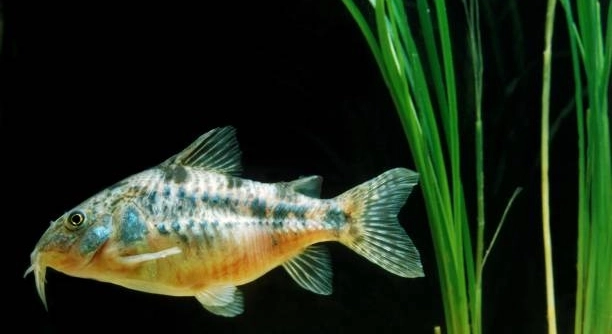
Corydoras catfish are popular freshwater fish known for their peaceful nature and active behavior. These little creatures thrive in aquariums, but it’s important to monitor their health to ensure they remain happy and healthy.
Overweight Corydoras catfish can show signs of excessive fat buildup, impacting their movement and overall well-being. You can tell if your catfish is overweight by observing changes in their swimming habits, body shape, and feeding behavior.
There are several ways to spot the health of your Corydoras catfish, including recognizing how their body appears and moves. This article will walk you through the key signs to look for and what to do about them.
Signs of an Overweight Corydoras Catfish
When your Corydoras catfish becomes overweight, its body will show clear signs. Over time, the fish may become less active and struggle to swim properly. A rounder, bulkier body shape often indicates excess fat. If your catfish’s abdomen seems unusually large and out of proportion with the rest of its body, this is a warning sign. Overweight fish also might find it harder to fit into small spaces in your aquarium, which is a good clue that something might be off.
A heavier Corydoras might also spend more time resting at the bottom of the tank, rather than swimming around. When this happens, it’s important to assess their overall environment and diet. This can often be a sign of a sedentary lifestyle or overfeeding.
Addressing obesity in your Corydoras is not just about aesthetics; it directly impacts their health. Fat buildup can lead to various internal issues, such as stress on their organs, difficulty breathing, or even an increased susceptibility to diseases. It’s vital to monitor their feeding schedule and environment, ensuring they stay active and healthy.
The Impact of Overfeeding on Your Corydoras Catfish
Overfeeding is one of the most common reasons for an overweight Corydoras. While it’s tempting to offer more food to your fish, doing so can result in unnecessary weight gain. If you notice your catfish quickly eating whatever food you give, it’s easy to assume they’re hungry all the time. However, overfeeding can lead to digestive problems and obesity.
Fish food should be given in moderation, based on the size and activity level of your Corydoras. Overfeeding can not only contribute to obesity, but it also leads to water quality issues. Leftover food decays in the tank, which can cause harmful bacteria to grow. Keeping your aquarium clean and making sure your catfish aren’t overeating will promote a better environment for them to thrive in.
For a healthy diet, focus on providing a balanced amount of food that your catfish can finish within a few minutes. Offering varied food types, including sinking pellets, vegetables, and occasional protein sources, will ensure your Corydoras stay fit. Keep track of their weight and adjust the amount of food accordingly to avoid weight gain.
Swimming Behavior Changes
Overweight Corydoras will often show a decline in swimming behavior. Normally, they are active and move freely around the tank. However, if they gain too much weight, their swimming may become slower and more sluggish. The fish might struggle to stay near the surface or move to their usual hiding spots.
You may also notice them spending more time at the bottom of the tank, not interacting with other fish. This behavior change is a sign of reduced mobility, which can lead to further health issues. The excess fat may be making it harder for the fish to maintain its usual energy levels.
To encourage better movement, consider adjusting their diet and providing them with plenty of space to swim. It’s essential to keep track of their swimming habits, as regular activity helps them stay healthy and active in the long run. Keeping your Corydoras engaged is crucial for avoiding weight-related problems.
Monitoring Your Corydoras Catfish’s Diet
One of the easiest ways to prevent obesity in your Corydoras catfish is by carefully monitoring its diet. Overfeeding can easily cause them to gain excess weight, which will affect their health. Feeding them twice a day with appropriate portions is key. Avoid leaving uneaten food in the tank to prevent water quality issues.
Feed them a balanced diet consisting of sinking pellets, vegetables like blanched zucchini, and occasional live food. Remember that Corydoras catfish are bottom feeders, so their diet should cater to their natural feeding habits. You can also introduce variety in their meals, such as frozen bloodworms, to keep them engaged and ensure they’re getting the right nutrition.
However, it’s important to refrain from overindulging them. The goal is to create a healthy eating routine that prevents overfeeding while offering enough nutrients for energy.
Signs of Stress in Overweight Corydoras
Overweight Corydoras are more prone to stress. If your catfish is carrying extra weight, it may show signs like hiding more often or staying still for long periods. Stress in fish can lead to weakened immune systems, making them more susceptible to diseases.
Stress may also cause your catfish to refuse food or become less social with tankmates. A stressed fish may exhibit erratic swimming or breathing patterns, as their energy is directed towards coping with the discomfort caused by the extra weight. If you notice these signs, it’s time to reassess their diet and environment.
Water Quality and Overweight Corydoras
Water quality plays a big role in the health of your Corydoras. Overweight fish are already stressed, and poor water conditions can make things worse. Make sure to regularly check water parameters like temperature, pH, and ammonia levels.
Clean water helps reduce the risk of stress-related illnesses and gives your fish a better chance to stay healthy. Water changes should be done regularly, and you should always monitor for any changes that could indicate water quality problems, especially with an overweight fish. Keep their tank environment stable to help them feel more comfortable and active.
The Importance of Tank Size for Your Corydoras
Tank size is crucial for your Corydoras. Overweight fish in cramped spaces are more likely to become stressed, impacting their health. A tank that’s too small will limit their ability to swim and move around, causing weight gain and more stress.
Ensure your tank is large enough for your fish to roam freely. Corydoras are social creatures, so a bigger tank can also accommodate more tankmates, which helps them feel more comfortable and active. Keeping your Corydoras in a spacious environment encourages natural behavior and helps avoid the consequences of being overweight.
FAQ
How can I tell if my Corydoras is overweight?
You can tell if your Corydoras is overweight by checking its body shape. An overweight catfish typically has a noticeably round or swollen belly, making its body appear out of proportion. Additionally, they may swim less actively or seem to be more sluggish than usual. If you notice these signs, it’s a good idea to monitor their diet and swimming habits closely.
What is the ideal diet for a Corydoras catfish?
Corydoras catfish thrive on a diet of sinking pellets, supplemented with occasional live or frozen food like bloodworms or brine shrimp. Vegetables like blanched zucchini or peas can also be offered. Their diet should be varied and balanced, but it’s important not to overfeed. A consistent feeding schedule and moderate portions will help maintain a healthy weight.
How often should I feed my Corydoras catfish?
Feed your Corydoras catfish once or twice a day. Offer small amounts that they can consume within a few minutes to avoid overfeeding. It’s best to observe them and make sure they finish their food. Leftover food can cause water quality issues, so only give what they will eat.
Can overfeeding lead to other health issues for my Corydoras?
Yes, overfeeding can lead to a variety of health problems for your Corydoras, including obesity, stress, and digestive issues. When your catfish gains too much weight, it can lead to difficulty swimming, reduced activity, and even organ strain. Overfeeding can also affect water quality in your tank, causing harmful bacteria to grow.
Is it okay to feed Corydoras catfish live food?
Live food like brine shrimp and bloodworms is fine for Corydoras, as long as it is given in moderation. These foods provide essential nutrients and can encourage natural hunting behavior, keeping your catfish engaged. However, it’s important not to rely on live food as the sole diet source and to rotate it with other types of food.
How can I encourage my Corydoras to exercise?
To encourage exercise, make sure your Corydoras has enough space to swim freely. Avoid overcrowding the tank and ensure that the substrate is suitable for bottom-dwelling fish. You can also add plants and decorations to create hiding spots and encourage more natural movement.
What is the best tank setup for Corydoras catfish?
Corydoras do best in a tank with soft, smooth substrate where they can comfortably forage for food. The tank should be well-planted, with enough open swimming space to allow them to move freely. Proper filtration is important to keep the water clean, as Corydoras are sensitive to poor water quality. A gentle current will mimic their natural environment and keep them active.
How do I know if my Corydoras is stressed?
Signs of stress in Corydoras include hiding more often, irregular swimming patterns, or breathing quickly. Stressed fish may also stop eating or appear lethargic. Overweight Corydoras are more likely to become stressed, so it’s crucial to keep their diet and environment in check. Stress can lead to a weakened immune system and make the fish more vulnerable to disease.
Can stress cause weight gain in Corydoras?
Stress can contribute to weight gain in Corydoras by affecting their metabolism and behavior. Stressed fish tend to be less active, leading to reduced calorie burn. Additionally, some stressed fish may overeat as a way to cope with their environment. Keeping your Corydoras in a stable, comfortable environment will help prevent stress-related weight gain.
What tankmates are best for Corydoras catfish?
Corydoras are peaceful fish and do well with other non-aggressive species. They are especially compatible with other peaceful bottom dwellers and fish that won’t compete for food. Avoid keeping them with overly aggressive species, as stress can cause health issues. Common tankmates include tetras, guppies, and peaceful livebearers.
What size tank do Corydoras need?
A tank of at least 20 gallons is recommended for Corydoras. The more space they have, the better they can swim and forage, reducing stress. Additionally, a larger tank allows you to keep them with other peaceful fish without overcrowding, which is essential for maintaining a healthy environment.
Can I keep Corydoras in a small tank?
While Corydoras can be kept in smaller tanks, it’s best to provide them with at least 20 gallons of space. A small tank may restrict their movement, leading to a sedentary lifestyle, which can result in weight gain and stress. If you have a smaller tank, ensure it’s properly filtered and cleaned to maintain water quality.
What should I do if my Corydoras is overweight?
If your Corydoras is overweight, start by reducing its food portions and providing more space to swim. Avoid overfeeding and remove any leftover food from the tank to keep the water clean. You can also encourage exercise by adding hiding places and decorations to the tank. Regularly monitor your catfish’s behavior and adjust its diet if necessary.
How long can Corydoras live in an aquarium?
Corydoras catfish can live for 5-10 years in a well-maintained aquarium. With proper care, including a balanced diet, stable water conditions, and a clean environment, they can thrive and enjoy a long, healthy life. Overweight fish may have a shorter lifespan, so it’s important to keep their weight in check.
Do Corydoras need a lot of attention?
Corydoras are low-maintenance fish but still require some attention. They need a clean environment, proper water conditions, and a balanced diet. Though they don’t require constant interaction, they will benefit from an aquarium that provides enrichment, such as plants and hiding spots. Regular tank maintenance is essential for their well-being.
Final Thoughts
Corydoras catfish are relatively low-maintenance fish, but their health can be easily affected by factors like diet, water quality, and tank size. Overweight Corydoras may not show immediate signs of distress, but the long-term effects of obesity can impact their overall well-being. It’s important to keep an eye on your catfish’s weight, swimming habits, and behavior to ensure they stay healthy. A balanced diet and proper feeding routine are key to preventing excessive weight gain.
One of the most effective ways to maintain a healthy Corydoras is by creating an environment where they feel comfortable and active. A spacious tank with soft substrate allows them to swim and forage freely, which helps keep them engaged. Additionally, providing them with a varied diet of sinking pellets, vegetables, and occasional live food will meet their nutritional needs. Always be mindful of overfeeding, as too much food can lead to obesity and water quality issues, both of which are harmful to the fish.
If you notice any changes in your Corydoras, such as reduced activity or irregular swimming, it’s crucial to address the problem quickly. Overweight Corydoras can experience stress, which weakens their immune system and makes them more susceptible to diseases. By adjusting their diet, ensuring they have plenty of space to move around, and keeping their tank clean, you can help them live a long, healthy life. Keeping track of their behavior and environment will allow you to spot potential issues before they become serious problems.

Hello,
If you enjoy the content that we create, please consider saying a "Thank You!" by leaving a tip.
Every little bit helps us continue crafting quality advice that supports the health, happiness, and well-being of pets around the world, for pets of all shapes, sizes, and species.
We really appreciate the kindness and support that you show us!