
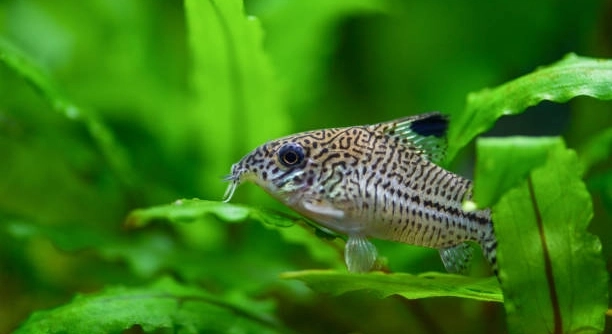
Corydoras catfish are popular aquarium fish known for their peaceful nature and playful behavior. However, overcrowding can lead to stress and health issues for them. It’s important to monitor their environment to ensure they thrive.
Overcrowding in Corydoras catfish occurs when there are too many fish in the tank, which can cause stress, poor water quality, and potential health problems. Signs of overcrowding include aggression, abnormal behavior, and difficulty swimming.
Understanding overcrowding symptoms can help prevent harm to your fish. By recognizing early signs, you can make necessary adjustments to their environment and maintain a healthy, happy tank for your Corydoras.
Signs of Overcrowding in Corydoras Catfish
Overcrowding can be a silent issue in your tank, often going unnoticed until your Corydoras start showing signs of stress. Corydoras are social fish but need enough space to swim freely. When there are too many fish in the tank, it can lead to a decrease in water quality, higher stress levels, and competition for food. It’s important to observe how they behave and how the tank’s environment changes. Increased aggression, dirty water, or fish that seem lethargic are often signs that something is wrong.
The tank should have enough room for each fish to swim comfortably. With overcrowding, there may not be enough space for everyone to thrive.
Fish that are crowded often become more territorial, leading to fights and stress. The water may also become cloudy more quickly, as there is an increase in waste production. This can lead to issues like poor oxygen levels and a higher chance of bacterial growth, which can affect the health of your fish. Regular water changes and tank monitoring are essential when you keep multiple Corydoras in a single aquarium. Keeping the environment clean and not overfeeding will help you maintain better water quality and reduce stress.
How to Prevent Overcrowding
Preventing overcrowding is simple if you monitor the number of fish in your tank regularly. Ensure your aquarium is appropriately sized for the number of Corydoras you plan to keep.
Corydoras need plenty of space to move around and stay healthy. If you have too many in a small tank, consider moving some to another aquarium. Keeping your tank balanced is key to ensuring your Corydoras live a long, happy life. Proper stocking levels, good filtration, and regular maintenance are essential to avoid overcrowding.
Aggressive Behavior and Stress
Overcrowded Corydoras often become more aggressive towards each other. With limited space, they start competing for food and territory. This can lead to increased stress, which weakens their immune systems and causes them to act out.
When they’re crowded, Corydoras may display fin nipping or chase each other around the tank. You’ll see them darting quickly, possibly bumping into each other or objects. They may also hide more frequently to avoid conflict. Aggression can make your fish less active and more prone to illness. Keeping an eye on interactions and ensuring enough space for each fish will help avoid these problems.
In some cases, you might notice that certain fish become more dominant and try to claim specific areas. This is their way of marking territory. They might become territorial, especially in a smaller tank, leading to more tension. Adding more hiding spots or rearranging tank decorations could help reduce the sense of competition and allow everyone to have a safe space. Space and proper hiding spots are key to peaceful coexistence.
Poor Water Quality
When there are too many fish in the tank, waste buildup becomes a serious problem. An overcrowded tank leads to more waste, and the filter can only do so much. Poor water quality can affect the health of your Corydoras.
You may notice cloudy water, an unpleasant smell, or an increase in algae growth. These are all signs that the tank isn’t being filtered properly. If you’re not keeping up with water changes, toxins like ammonia and nitrites build up, stressing the fish. Corydoras are sensitive to water quality, so keeping it clean is crucial. Regular water changes are a must.
Overcrowding also makes it harder to maintain proper water parameters. With more fish in the tank, oxygen levels can drop, making it harder for your Corydoras to breathe. This lack of oxygen can result in lethargy and poor health. It’s essential to maintain the right balance in your tank by monitoring the number of fish and ensuring good filtration. A well-maintained tank will prevent these water quality issues from affecting your fish.
Difficulty Swimming
When there’s too much crowding, Corydoras may struggle to swim around freely. They need space to move and explore. Without enough room, they become stressed and lethargic.
You might notice them swimming erratically or staying close to the bottom of the tank. They may seem to tire more easily, as there’s less room to swim comfortably. In extreme cases, overcrowding may lead to abnormal swimming patterns, which could be harmful to their health in the long run. Ensuring proper tank size helps prevent this behavior.
Respiratory Issues
Overcrowded tanks can lead to lower oxygen levels in the water, making it harder for Corydoras to breathe properly. When there’s insufficient oxygen, your fish may begin to gasp for air at the surface.
Poor oxygen levels also cause stress and make it harder for your fish to remain active. You may notice them spending more time near the water’s surface, especially during the daytime. To solve this, you can increase aeration or add a more powerful filter. These steps will help ensure better water quality and allow your Corydoras to breathe more easily.
FAQ
How many Corydoras can live in a 10-gallon tank?
A 10-gallon tank can comfortably house about 4-5 Corydoras. However, this depends on the type of Corydoras and the tank setup. It’s important to leave enough space for each fish to swim freely and avoid overcrowding. Keep in mind that Corydoras need enough room for socializing and exploring their environment. If you’re planning to keep more than 5 fish, you’ll need a larger tank to ensure they stay healthy. Regular water changes and proper filtration are also necessary for a smaller tank.
Can Corydoras live with other fish in a community tank?
Yes, Corydoras are peaceful and do well in community tanks with other non-aggressive species. They typically get along with other bottom-dwelling fish and small species like tetras, guppies, and rasboras. However, avoid keeping them with large, aggressive fish that might harass them. Corydoras are bottom feeders and enjoy having their own space, so ensure that other fish aren’t crowding the bottom of the tank too much. When setting up a community tank, focus on fish that share similar water parameters and behavior.
What’s the best tank size for Corydoras?
The ideal tank size for Corydoras depends on the number of fish. For a small group (4-5), a 10-gallon tank is suitable. However, as you add more fish, you’ll need to upgrade to a larger tank. A 20-gallon tank is a better choice for 6-8 Corydoras. Larger tanks, like 30-gallons or more, are recommended for larger groups or if you plan to add other fish. The larger the tank, the easier it is to maintain water quality and provide enough swimming space. Remember to always follow the general rule of 1 inch of fish per gallon of water.
How can I reduce stress in overcrowded Corydoras tanks?
To reduce stress in overcrowded tanks, the first step is to reduce the number of fish. If it’s possible, move some of the Corydoras to another tank to give the remaining ones more space. Another way to reduce stress is by adding more hiding spots and plants. Corydoras love to hide in caves or dense plants to feel secure. Additionally, make sure your tank is properly filtered and that water changes are done regularly. Increased aeration can also help improve oxygen levels, which is vital for keeping the fish calm.
What signs should I look for to know if my Corydoras is stressed?
Stress in Corydoras can manifest in several ways. Watch for changes in behavior, such as excessive hiding, erratic swimming, or a loss of appetite. Stressed Corydoras may also swim aimlessly or stay at the surface of the water, struggling to get enough oxygen. If your Corydoras is constantly hiding behind objects or not coming out to feed, it may be stressed. Additionally, look for signs of physical damage, such as torn fins or discoloration, which can also be caused by stress from overcrowding. Always check your water parameters and remove any stressors from the environment.
Do Corydoras need a specific substrate in the tank?
Yes, Corydoras prefer a soft, smooth substrate like sand or fine gravel. They often dig through the substrate in search of food, and sharp or rough gravel can damage their delicate barbels. Avoid using large, sharp rocks or coarse gravel, as these can cause injury over time. Sand is ideal because it allows them to sift through it without harm. If you prefer using gravel, make sure it’s smooth and round. A soft substrate also helps maintain water quality, as it doesn’t trap debris as much as coarser substrates.
Can Corydoras be kept in a tank without a filter?
While it’s technically possible to keep Corydoras in a tank without a filter, it is not recommended. Filters help maintain good water quality by removing waste and preventing the buildup of harmful toxins like ammonia and nitrites. Without a filter, the water will deteriorate quickly, leading to poor oxygen levels and an unhealthy environment for your fish. If you choose not to use a filter, you will need to perform frequent water changes to keep the tank clean. However, it’s much easier to maintain healthy water quality with a reliable filtration system.
How often should I perform water changes for Corydoras?
For a tank with Corydoras, it’s important to perform water changes regularly to maintain good water quality. In a well-maintained tank, changing 25-30% of the water once a week is generally sufficient. If the tank is overcrowded or the water becomes cloudy quickly, more frequent water changes may be necessary. Consistent water changes help prevent the buildup of harmful toxins and keep the tank clean. Always check the water parameters before performing a change to ensure the tank is in optimal condition.
Can I feed Corydoras live food?
Yes, Corydoras can be fed live food like brine shrimp, bloodworms, and daphnia. Live food provides variety in their diet and is often more nutritious than dry food. However, live food should be offered in moderation to avoid overfeeding. Make sure the live food is from a safe, clean source to prevent introducing parasites or disease to your tank. Corydoras also enjoy sinking pellets, frozen foods, and vegetable matter like blanched spinach or zucchini. A varied diet will ensure they stay healthy and happy.
What’s the best temperature range for Corydoras?
Corydoras prefer water temperatures between 72°F and 78°F (22°C to 26°C). It’s important to keep the water within this range to prevent stress and ensure they thrive. Temperatures that are too high or too low can affect their metabolism and immune system. Use a reliable aquarium heater to maintain a consistent temperature. Additionally, make sure the water parameters stay stable, as Corydoras are sensitive to sudden temperature changes. Regularly monitor the tank temperature with a thermometer to keep it in the ideal range.
Do Corydoras require a specific pH level?
Corydoras prefer slightly acidic to neutral water, with a pH range of 6.0 to 7.5. They can tolerate slight fluctuations in pH, but drastic changes can cause stress or illness. Regularly check the pH level of your tank to ensure it stays within the optimal range for your fish. If your tank water is too acidic or too alkaline, you can adjust the pH by using pH buffers or natural methods, such as adding driftwood or leaves to the tank. Consistency in water conditions is key to keeping your Corydoras healthy.
Can I keep Corydoras in a tank with shrimp?
Yes, Corydoras can coexist with shrimp, as long as the shrimp species are not too small to be eaten. Corydoras are peaceful bottom dwellers and generally won’t harm shrimp, but they may sometimes disturb them while foraging for food. If you have small or baby shrimp, keep in mind that larger Corydoras may accidentally eat them. It’s best to choose shrimp that are large enough to avoid becoming prey. Both shrimp and Corydoras enjoy clean water and a planted tank, making them compatible tank mates when conditions are right.
Final Thoughts
Corydoras catfish are a great addition to any aquarium, thanks to their peaceful nature and unique behavior. However, overcrowding can cause a number of problems for them. It’s important to make sure your tank has enough space to accommodate the number of fish you have. Overcrowded tanks often lead to issues like stress, poor water quality, and health problems. Keeping a proper balance in your aquarium is key to maintaining a healthy environment for your Corydoras.
When you notice signs of overcrowding, such as aggression, poor swimming behavior, or water quality issues, it’s time to take action. Reducing the number of fish in the tank or upgrading to a larger one can help your Corydoras feel more at ease. Additionally, ensuring the tank is well-maintained with good filtration, regular water changes, and enough hiding spots will go a long way in preventing overcrowding issues. Corydoras are sensitive to changes in their environment, so even small adjustments can make a significant difference in their well-being.
In the end, taking care of your Corydoras involves paying attention to their behavior and their environment. Monitoring the tank regularly and making adjustments when needed will help keep them healthy and happy. By understanding their needs, you can provide a space where they can thrive without the added stress of overcrowding. When properly cared for, Corydoras can live long, peaceful lives, adding charm and activity to your aquarium for years to come.

Hello,
If you enjoy the content that we create, please consider saying a "Thank You!" by leaving a tip.
Every little bit helps us continue crafting quality advice that supports the health, happiness, and well-being of pets around the world, for pets of all shapes, sizes, and species.
We really appreciate the kindness and support that you show us!