
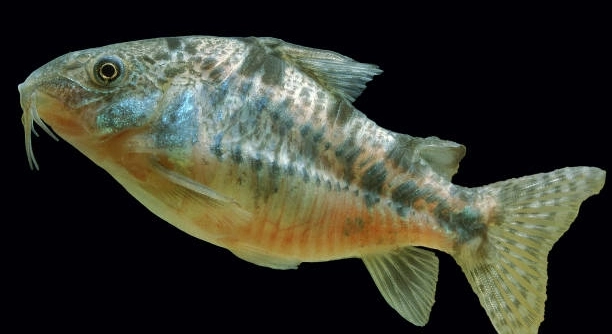
Corydoras catfish are popular aquarium fish known for their peaceful nature. However, like any pet, they can experience stress or shock, which can be harmful. Recognizing the signs of shock is crucial to their well-being.
Shock in Corydoras catfish can be caused by changes in water conditions, temperature fluctuations, or handling stress. Common symptoms include erratic swimming, loss of appetite, and abnormal gill movement. Immediate action is necessary to prevent further harm.
Recognizing the warning signs early can help you provide the right care for your fish. Understanding their behavior will allow you to take appropriate measures to restore their health.
Recognizing the Initial Signs of Shock
When Corydoras catfish are in shock, they may show several noticeable signs. One of the first indicators is erratic swimming behavior. They might swim rapidly or in circles, seemingly disoriented. Another sign to watch for is when they swim near the surface of the water more than usual, struggling to breathe.
These changes in behavior are often linked to stress, but they could also indicate an issue with the water’s quality or temperature. A sharp drop or increase in temperature can shock the fish, disrupting their normal functions. Additionally, if the water parameters have changed, such as pH or hardness, this can also lead to shock. The fish might also lose their appetite or become lethargic. It’s important to monitor these changes closely to address the problem quickly.
Once you’ve identified signs of shock, it’s critical to check the aquarium conditions right away. Begin by testing the water temperature and quality to see if any adjustments are needed.
Water Quality Impact
Water quality plays a significant role in maintaining a healthy environment for your Corydoras catfish. Contaminated or poor-quality water can trigger stress, leading to shock. Be sure to keep the water clean and balanced, ensuring proper filtration.
Poor water quality can have long-term effects on your catfish’s health, potentially leading to more serious conditions. To prevent shock, make regular water changes and monitor the water for any sudden changes. Keep an eye on ammonia and nitrate levels to ensure they stay at safe levels. Regular maintenance will help avoid stress-related problems for your fish.
Temperature Changes and Their Effects
Temperature changes are one of the leading causes of shock in Corydoras catfish. These fish prefer stable water temperatures, ideally between 72-78°F (22-26°C). Any drastic changes can cause stress, affecting their health.
If the water temperature drops too quickly or rises beyond their tolerance, your Corydoras catfish may struggle to adjust. It can lead to them swimming erratically or near the surface, trying to get enough oxygen. To prevent this, ensure your aquarium has a reliable heater, and always monitor the temperature regularly. Even slight fluctuations in temperature can cause undue stress, leading to long-term issues.
To help your fish recover, gradually adjust the temperature back to a comfortable range. Sudden temperature changes may worsen their condition, so always make adjustments slowly. If the tank gets too cold, use a water heater that can provide a consistent temperature. Conversely, if the tank is too warm, consider cooling methods like adding ice packs, but do so carefully to avoid rapid fluctuations.
Handling Stress and How It Affects Behavior
Handling your Corydoras catfish too much can cause stress, leading to shock. These fish prefer minimal disturbance, and any sudden handling or movement can trigger their stress response.
When a Corydoras is stressed, it can lose its appetite and become inactive, which are common signs of shock. It’s important to avoid moving the fish unnecessarily and let them acclimate to their environment. This means minimizing netting or disturbing their habitat. The less stress they experience, the better their chances of staying healthy. Regular interaction with the tank should be done with care, keeping in mind their sensitivity to sudden changes.
If the fish must be handled for any reason, do so gently. Always use soft nets and be sure to support their body properly. Taking steps to avoid unnecessary stress helps maintain their overall well-being.
Poor Diet and Its Impact on Health
A poor diet can contribute to stress and shock in Corydoras catfish. If they’re not getting the nutrients they need, their immune system weakens, leaving them more susceptible to illness. Proper nutrition is key to keeping them healthy.
A balanced diet, including high-quality pellets and occasional live or frozen food, is essential for their overall well-being. Without proper nutrition, Corydoras may become lethargic and stressed, which makes them more vulnerable to health issues. Overfeeding or feeding them poor-quality food can lead to digestive problems and other complications, further contributing to stress.
Water Flow and Its Role
Corydoras catfish prefer calm water conditions and may struggle with strong water flow. If the current in the tank is too strong, it can stress the fish and make them feel unsettled. They may spend most of their time hiding or staying near the tank’s bottom.
Adjusting the filter or water flow is simple, and it can help reduce their stress. Consider using a filter with adjustable flow settings to maintain a gentle current. This adjustment ensures your fish are comfortable and have the right conditions to thrive.
FAQ
What are the most common signs that my Corydoras catfish is in shock?
When a Corydoras catfish is in shock, you may notice several signs. The most obvious are changes in swimming behavior. They may swim erratically, stay near the surface of the water, or move in circles. Their gills may open and close rapidly, signaling difficulty breathing. Other signs include lethargy, loss of appetite, and hiding more than usual. If these behaviors persist, immediate attention to water quality and temperature is needed.
How can I prevent shock in my Corydoras catfish?
Preventing shock involves maintaining stable water conditions. Make sure the water temperature stays within the ideal range of 72-78°F (22-26°C). Regularly check for changes in pH, ammonia, and nitrate levels to avoid poor water quality. Additionally, limit handling your fish to reduce stress and ensure they have a balanced, nutritious diet. Consistent, gentle water flow also helps keep your catfish comfortable.
What should I do if my Corydoras catfish is in shock?
If you suspect your Corydoras catfish is in shock, immediately check the water conditions. Adjust the temperature if needed and ensure that the water parameters, such as pH and ammonia levels, are within safe ranges. If the tank’s water quality is poor, perform a partial water change. Avoid handling the fish, as it may increase stress. If the fish doesn’t improve, consider consulting an aquarium specialist for further advice.
Can Corydoras catfish recover from shock?
Yes, Corydoras catfish can recover from shock if the underlying cause is addressed quickly. Proper care, including water quality management and a balanced diet, can help the fish regain its strength. It’s important to act promptly and avoid further stress during the recovery period. If recovery is slow or symptoms worsen, professional advice may be necessary.
How often should I check the water quality in my aquarium?
Water quality should be checked regularly, at least once a week, to ensure it remains stable. Use water test kits to measure parameters such as pH, ammonia, nitrites, and nitrates. If any of these values fall outside the recommended range, take immediate action to correct them. Frequent monitoring will help you spot issues before they cause stress or health problems for your fish.
What is the ideal tank temperature for Corydoras catfish?
The ideal water temperature for Corydoras catfish is between 72°F and 78°F (22°C to 26°C). Temperatures outside this range can lead to stress and health issues. Sudden fluctuations in temperature can be particularly harmful, so it’s essential to maintain a consistent environment. Using a reliable aquarium heater with a thermometer will help keep the water temperature stable.
How can I reduce stress for my Corydoras catfish?
To reduce stress in your Corydoras catfish, ensure they have a calm environment. Avoid strong water currents by using a filter with adjustable flow. Minimize tank disturbances and avoid handling your fish unless absolutely necessary. Providing hiding spots with plants or rocks can also help the catfish feel secure. Additionally, maintaining stable water conditions will reduce stress levels significantly.
Is it okay to keep Corydoras catfish with other fish?
Yes, Corydoras catfish are peaceful and can be kept with most other community fish. However, it’s essential to ensure that tankmates are not aggressive or overly active, as this can stress the Corydoras. Fish that prefer calm waters and similar temperature ranges are ideal. Avoid pairing them with overly large fish that may bully or harm them.
How can I tell if my Corydoras catfish is not eating due to stress?
If your Corydoras catfish stops eating, it could be due to stress. Stress can arise from poor water quality, temperature fluctuations, or aggression from tankmates. A sudden change in the fish’s environment can also cause them to lose interest in food. If they’re not eating for more than a couple of days, check the water quality and ensure their environment is stable. It’s also helpful to offer a variety of foods to encourage eating.
Can I use medications for shock in Corydoras catfish?
Medications should be used with caution, as some can add additional stress to fish already in shock. In most cases, addressing the environmental factors—like water quality and temperature—is more effective than using medications. If the fish shows signs of illness beyond shock, consult with an aquarium specialist before using any medication. Treating the root cause of the stress is usually the best approach.
Final Thoughts
Corydoras catfish are resilient creatures, but they are sensitive to changes in their environment. Stress and shock can significantly affect their health and behavior. It is essential to provide stable water conditions, a proper diet, and a peaceful environment to ensure your fish thrive. Even small adjustments to water temperature or flow can make a big difference in their overall well-being. Regular water testing and maintenance are crucial for preventing issues that might lead to stress. If you notice signs of shock, acting quickly can help your fish recover without long-term damage.
Handling Corydoras catfish with care is also key to reducing stress. These fish are best left undisturbed as much as possible. Avoiding sudden movements or excessive interactions with them will create a more comfortable environment. Minimizing stressors such as loud noises, frequent water changes, or aggressive tankmates is equally important. Keeping the tank calm and quiet helps these bottom-dwelling fish feel secure. Providing them with hiding spots, like plants or decorations, can also make them feel safer and more comfortable in their habitat.
In conclusion, by paying attention to the signs of stress and making simple adjustments to their care, you can ensure your Corydoras catfish live a healthy and peaceful life. They are hardy fish, but like all animals, they require attention to thrive. Keeping their environment stable, feeding them properly, and reducing stress will help prevent issues like shock. When in doubt, always check water quality and make gradual changes rather than sudden ones. With the right care, your Corydoras catfish will continue to enjoy their tank and stay healthy for years to come.

Hello,
If you enjoy the content that we create, please consider saying a "Thank You!" by leaving a tip.
Every little bit helps us continue crafting quality advice that supports the health, happiness, and well-being of pets around the world, for pets of all shapes, sizes, and species.
We really appreciate the kindness and support that you show us!