
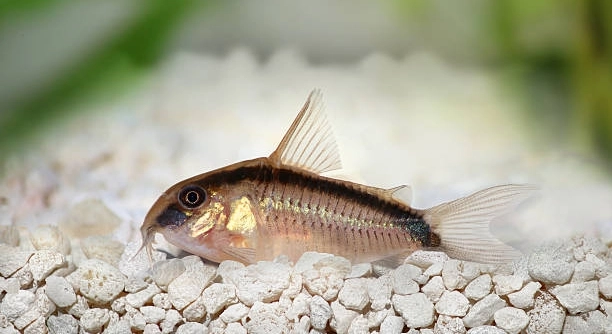
Corydoras catfish are peaceful and hardy fish, but they can experience discomfort or pain. Understanding the signs of pain in these fish is essential for ensuring their health and well-being in your aquarium.
Observing your Corydoras for signs such as abnormal swimming behavior, changes in appetite, and unusual body movements can help detect pain. Additionally, changes in their social behavior or abnormal gill movement may indicate distress or discomfort.
Paying attention to these signs will allow you to take timely action to care for your Corydoras and improve their living conditions.
Recognizing Behavioral Changes in Corydoras
Corydoras catfish are typically calm and social. If your fish start acting differently, such as swimming erratically or hiding more often, it could be a sign that something is wrong. This is especially noticeable if they are no longer interacting with tank mates as they usually would. Behavior like staying at the surface, slow movements, or staying in one corner for too long could signal distress. Monitoring their behavior closely is important to catch early signs of pain.
Even minor changes in activity should be taken seriously. Sometimes, pain or discomfort may cause a Corydoras to swim less and rest more, avoiding interaction with other fish. This behavior is often a sign that they are not feeling their best and may need immediate attention.
A sudden increase in hiding or an unwillingness to swim should prompt you to inspect their environment. Check the water temperature, cleanliness, and any potential threats in the tank. These environmental factors might be causing the discomfort, and addressing them can help your Corydoras feel better.
Changes in Appetite and Eating Habits
If your Corydoras is eating less or refuses food entirely, it’s worth considering that they might be experiencing pain. Fish in distress often lose interest in food. Even small changes in their eating habits can provide insight into their well-being.
A lack of appetite in Corydoras can result from a variety of factors, including stress or illness. Pain, especially from injuries or diseases like fin rot, might cause them to avoid feeding. Stressful tank conditions, such as poor water quality or inappropriate temperature, can also impact their desire to eat. Watching for consistent changes in eating habits is crucial, as prolonged lack of food intake can lead to further health issues.
If you notice that your Corydoras isn’t eating, try offering a variety of foods, such as sinking pellets or live food, to see if there’s a preference. However, persistent loss of appetite requires a deeper look into possible tank problems or health issues that might need addressing immediately.
Unusual Physical Symptoms to Watch For
When Corydoras experience pain, their bodies may show visible signs. Pay attention to any noticeable changes in their physical appearance, such as unusual marks, swelling, or discoloration. Injuries, skin lesions, or red patches near the gills or fins can be clear indicators of a problem. Similarly, a Corydoras with torn fins or frayed edges could be suffering from external injuries or infections. Other signs, like clamped fins or an inability to fully extend their body, should be taken seriously.
Physical changes can also occur due to poor water quality or an injury from sharp decorations. To avoid complications, keep a close eye on your fish and make sure their environment is suitable. Corydoras may develop bacterial or fungal infections from these conditions, which will require quick treatment. Often, these issues arise when a fish is already weakened or stressed.
Regular water testing, proper tank maintenance, and careful handling of your Corydoras are key in preventing physical symptoms and maintaining overall health. Keeping their environment stable and clean can minimize the likelihood of injuries or infections. If physical signs of pain persist, immediate action is necessary to avoid worsening conditions.
Difficulty Breathing and Gasping at the Surface
When your Corydoras is struggling to breathe, it may surface frequently or gasp for air. This can be a sign that they are in pain or stressed, often caused by poor water quality or low oxygen levels in the tank. Changes in breathing patterns should never be ignored.
Gasping at the surface may also indicate an infection or injury affecting the gills. If this behavior persists, it’s crucial to examine the water quality, temperature, and filtration system to ensure the environment is healthy. Poor oxygenation or high toxin levels in the water can make breathing more difficult for your fish.
In some cases, if your Corydoras is not able to get enough oxygen from the water, it may struggle to swim properly or even show signs of lethargy. This is a serious issue that should be addressed immediately to prevent further complications, such as organ failure or death. Make sure to monitor your fish closely and take action if breathing problems persist.
Visible Injury or Swelling
Swelling or visible injuries can be a clear sign of physical pain in Corydoras. Any unusual bumps, bulging eyes, or inflamed areas on their body should be treated as a potential health issue. Swelling can result from various causes, including infections or injuries sustained during tank fights or accidents.
Check the area around their fins, head, or body for signs of swelling, which can often point to internal damage or infection. If there are cuts or abrasions, these can lead to bacterial infections that cause further pain. Swift treatment with proper medication can help reduce the swelling and discomfort caused by injury.
Visible injury or swelling in Corydoras can also be a sign of an underlying health problem, such as parasitic infection or stress-related issues. It’s essential to clean the tank and perform water changes regularly to prevent infection or disease spread. Immediate attention to visible injuries is necessary to provide proper healing and alleviate the pain caused.
Abnormal Swimming Patterns
Corydoras are typically active swimmers, but if they begin swimming erratically or seem uncoordinated, it may indicate pain. Swimming in circles or floating upside down often signals a problem, such as internal injury or distress.
When Corydoras swim erratically, it’s essential to check the water parameters and ensure they’re within safe ranges. Poor water conditions, like high ammonia or nitrite levels, can cause abnormal swimming. Additionally, any physical injury or internal issues could also result in such behavior. If the abnormal swimming continues, it may be necessary to quarantine the fish to avoid further stress.
Stress from Tankmates
Corydoras can also experience pain from stress caused by aggressive tankmates. If they are constantly chased, nipped, or intimidated, this can cause physical and emotional distress. A stressed fish may appear lethargic or hide more often, avoiding social interaction.
When tankmates are aggressive, it’s vital to adjust the tank setup. Adding more hiding spots or rearranging the decorations can help provide a safer environment. If aggression continues, it may be best to separate the fish to avoid ongoing stress, which can lead to long-term health problems.
Lack of Social Interaction
Corydoras are social fish and thrive in the presence of others. A lack of social interaction may cause them to become stressed or exhibit signs of pain. If your fish is left alone, it could lead to anxiety and behavioral changes.
Without social interaction, Corydoras may lose interest in feeding and become more lethargic. If they’re kept in a solitary environment, they may also show signs of depression or stress, which can affect their overall health. Keeping them in groups with compatible tankmates helps them feel secure and reduces stress-related health issues.
FAQ
How can I tell if my Corydoras is sick?
A sick Corydoras may display several signs such as abnormal swimming patterns, lethargy, loss of appetite, or visible injuries. They might also hide more than usual or swim erratically. Keeping a close eye on their behavior and physical condition can help detect illness early. If these signs persist, it’s important to check water quality and consult a veterinarian or fish expert for further assistance.
Why is my Corydoras hiding all the time?
Corydoras can hide for various reasons, including stress, illness, or changes in their environment. If they are constantly hiding, it could be due to water conditions, aggressive tankmates, or injury. It’s essential to check the tank’s water quality and ensure they have plenty of hiding spots and peaceful tankmates to reduce stress.
How do I know if my Corydoras is in pain?
Pain in Corydoras can be observed through changes in behavior such as erratic swimming, abnormal body movements, difficulty swimming, or changes in appetite. You might also notice physical symptoms like swelling, discoloration, or injuries. If these symptoms appear, it’s best to address the potential cause immediately and consult an expert.
What should I do if my Corydoras isn’t eating?
If your Corydoras stops eating, check the water quality and temperature. Poor water conditions can cause fish to lose their appetite. Additionally, stress, illness, or tankmate aggression may be contributing factors. Offering a variety of foods and reducing stress in the tank may encourage them to start eating again.
Is it normal for Corydoras to swim upside down?
No, it is not normal for Corydoras to swim upside down. This can indicate a problem such as swim bladder disease, which affects their buoyancy. Swim bladder issues can result from injury, infection, or poor water quality. If this behavior continues, adjusting the water conditions or seeking professional advice is crucial.
Can Corydoras recover from injuries?
Yes, Corydoras can recover from injuries, but their recovery depends on the severity of the injury and the care they receive. Keeping the water clean, maintaining a stress-free environment, and using appropriate treatments for any infections are essential for a successful recovery. If the injury is severe, consulting a veterinarian may be necessary.
How can I improve my Corydoras’ living environment?
Improving your Corydoras’ environment starts with maintaining clean water, proper filtration, and suitable tank mates. Regular water changes, maintaining the right temperature, and ensuring there are enough hiding spots can help create a comfortable and safe environment. Additionally, using a soft substrate and avoiding sharp decorations can prevent injuries.
What should I do if my Corydoras is gasping for air?
If your Corydoras is gasping at the surface, the first step is to check the water’s oxygen levels and temperature. Poor water quality or low oxygen can cause difficulty breathing. Ensure the water is well-oxygenated, the filtration system is working properly, and the tank is at the correct temperature for your fish. If this issue persists, consider seeking expert advice.
How can I tell if my Corydoras is stressed?
Stress in Corydoras can be seen through changes in behavior such as hiding, lethargy, or erratic swimming. Stress may also cause them to lose interest in food or become less active. Stressors such as poor water quality, aggressive tankmates, or overcrowding can affect their health. Reducing stress is crucial to ensuring their well-being.
Why is my Corydoras swimming in circles?
Swimming in circles can be a sign of stress, illness, or neurological issues. This behavior can also be caused by poor water quality, parasites, or injury. If your Corydoras is swimming in circles, it’s important to check the tank’s conditions and ensure there are no visible injuries or signs of disease. If this continues, seeking professional help is recommended.
Can Corydoras live alone?
While Corydoras are social fish and thrive in groups, they can live alone if necessary, but it may cause them to feel stressed and lonely. Keeping them in groups of at least three or more is ideal to reduce stress and ensure they are happy and healthy. A social environment helps mimic their natural habitat and behavior.
Final Thoughts
Corydoras catfish are generally strong and adaptable, but they can experience pain or discomfort under certain conditions. Observing their behavior closely is important for recognizing any signs of distress. Changes in swimming patterns, appetite, or overall activity levels often indicate something isn’t right. If you notice these signs, it’s crucial to address the potential cause immediately. Whether it’s poor water quality, an injury, or an aggressive tankmate, taking action early can prevent further complications and improve the catfish’s overall health.
Creating a suitable environment for your Corydoras is essential for their well-being. They thrive in clean, well-maintained tanks with stable water conditions. Regular water changes, proper filtration, and temperature control are fundamental in keeping them healthy. Additionally, ensuring that your Corydoras have plenty of hiding spots and are not stressed by aggressive tankmates helps to maintain their comfort. Stress from unsuitable conditions can lead to health problems, so providing a peaceful, secure environment should be a priority for every aquarium owner.
In conclusion, taking care of your Corydoras involves more than just feeding them regularly. Their well-being relies on maintaining proper tank conditions, recognizing the signs of pain or illness, and responding quickly to their needs. By ensuring they have a safe, comfortable environment and being proactive about their care, you can help your Corydoras live a long, healthy life. If problems persist, seeking advice from an experienced aquarist or veterinarian can provide valuable guidance for resolving any issues and improving the health of your fish.

Hello,
If you enjoy the content that we create, please consider saying a "Thank You!" by leaving a tip.
Every little bit helps us continue crafting quality advice that supports the health, happiness, and well-being of pets around the world, for pets of all shapes, sizes, and species.
We really appreciate the kindness and support that you show us!