
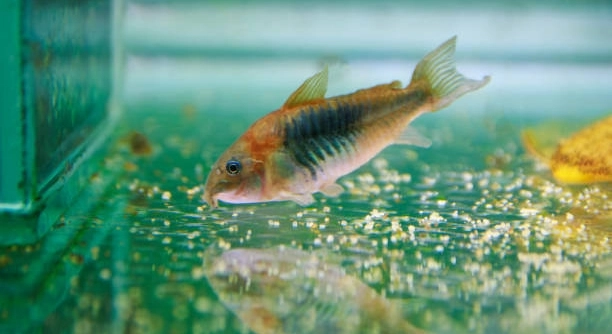
Corydoras catfish are popular pets for aquarium enthusiasts. These small, peaceful fish are known for their playful behavior and unique appearance. However, as a pet owner, it’s important to ensure your fish is happy and thriving.
To determine if your Corydoras catfish is happy, observe its behavior, activity levels, and environment. A healthy fish will exhibit active swimming, foraging, and socializing with tank mates. Additionally, its physical appearance should be vibrant and free from stress-related marks.
Understanding these signs will help you identify any potential issues early. Keep reading to learn the key signs of a content Corydoras catfish and how to maintain its happiness in your aquarium.
Active Swimming Behavior
When your Corydoras catfish is happy, you’ll notice it swimming actively throughout the aquarium. These fish enjoy exploring their environment, especially the bottom of the tank. They use their barbels to search for food and interact with other fish. If your Corydoras is swimming around, it’s a good sign that it’s comfortable and well-adjusted to its home.
While Corydoras can be quite social, they often prefer to swim in small groups. Seeing them move together in a coordinated manner shows that they feel safe and secure. On the other hand, if your Corydoras is hiding in one spot for long periods, this may indicate stress or discomfort.
Ensure that your tank has enough space and hiding spots, as Corydoras catfish can be shy. A happy, active catfish is one that is engaging with its environment and fellow tank mates.
Healthy Appearance
A happy Corydoras catfish should have a healthy and vibrant appearance. If it looks pale, lethargic, or shows signs of injury, it may not be as comfortable in its environment.
Its scales should be smooth and glossy, and the fish should not have any unusual marks, such as faded colors or signs of infection. Healthy fish are also active and energetic, responding well to their surroundings. Make sure to monitor your Corydoras closely to catch any early signs of potential health issues. Keeping the water clean and stable can help avoid health problems and ensure that your fish remains vibrant and active.
Social Interaction
Corydoras catfish are social creatures that thrive in groups. If your fish is interacting with others in the tank, it’s a good indication that it’s feeling comfortable. A lack of interaction could mean your Corydoras is stressed or not settling well into its environment.
These fish are known for their peaceful nature and enjoy the company of their own kind. If you notice your Corydoras swimming with others, particularly in a group, it’s a sign that it’s happy. They may also follow each other or “school,” which is a natural behavior. However, if one of your Corydoras seems isolated or avoids contact with others, it could be a sign of stress or health problems.
Keep in mind that adding a few more Corydoras to your tank may help your current fish feel more at ease. A happy group of catfish is often a sign of a well-balanced and healthy environment.
Foraging and Digging
One of the most distinctive behaviors of Corydoras catfish is their habit of digging and foraging for food. A happy Corydoras will spend a lot of time near the substrate, searching for small bits of food with its barbels. If you see this behavior regularly, it means your fish is healthy and content.
Corydoras catfish are bottom dwellers, and their digging is not only instinctual but also a way for them to find food and keep active. This behavior helps maintain their natural instincts and can also assist in aerating the substrate of your tank. If your Corydoras is actively foraging and exploring the bottom of the tank, it’s an indication of a well-maintained habitat.
Make sure your tank has a soft, sandy substrate, as Corydoras have sensitive barbels. A rough substrate can cause injury. Also, ensure they have a steady supply of food that encourages natural foraging behaviors, helping your fish stay happy and healthy.
Clear Water Conditions
Your Corydoras catfish will show signs of distress if the water quality in the tank is poor. Clean, well-maintained water is essential for their health. When the water is clear and free from ammonia or nitrate buildup, your fish will thrive and exhibit normal, happy behavior.
Corydoras catfish are very sensitive to changes in water quality. If the water becomes cloudy or has an unpleasant odor, your fish may begin to show signs of stress, such as hiding or not swimming. Regular water changes and filtration are necessary to keep the water clean. A happy catfish will swim freely without appearing sluggish or lethargic.
Always monitor the tank’s water parameters to avoid poor conditions that could lead to health issues. Keeping the water clean and stable is crucial for maintaining a happy environment for your Corydoras catfish.
Comfortable Tank Temperature
Corydoras prefer temperatures between 72°F and 78°F (22°C-26°C). If the temperature fluctuates too much, your fish may become stressed or inactive. Keeping the water at the correct temperature promotes better health and happiness.
Inconsistent water temperatures can make your Corydoras sluggish, affecting their behavior and appetite. If the water is too warm, it can cause oxygen depletion, and if it’s too cold, your fish may become inactive. Using a reliable heater and thermometer helps keep the tank temperature steady, ensuring your Corydoras stays comfortable and active.
Peaceful Tank Mates
A calm and peaceful environment is essential for your Corydoras catfish. If your tank mates are overly aggressive, it can cause stress for your catfish. Ideally, they should share the tank with non-aggressive species.
Corydoras are peaceful fish that thrive when housed with compatible tank mates. Avoid keeping them with overly territorial or aggressive species. If your fish is constantly hiding or staying out of sight, it could be trying to avoid aggression. When surrounded by peaceful companions, your Corydoras will feel secure and display more natural, happy behaviors.
FAQ
How can I tell if my Corydoras catfish is stressed?
Stress in Corydoras can show up in several ways. If your fish is hiding often, not eating, or swimming erratically, it may be stressed. Also, watch for color fading, unusual darting movements, or excessive rubbing against surfaces. Poor water quality, tank mates, and incorrect temperature can all contribute to stress. To fix this, ensure proper water parameters, avoid overcrowding, and remove any aggressive tank mates.
What should I feed my Corydoras catfish?
Corydoras are omnivores and need a varied diet. You can feed them sinking pellets, frozen or live foods like bloodworms, brine shrimp, and daphnia, and occasional plant matter. A balanced diet will keep them healthy and active. Make sure the food sinks to the bottom, as Corydoras are bottom dwellers and prefer to forage.
Can Corydoras live with other fish?
Yes, Corydoras are peaceful and get along with many other species. They are best kept with other calm, non-aggressive fish. Avoid pairing them with larger or more aggressive fish that may outcompete them for food or bully them. Good companions include small tetras, guppies, and other peaceful catfish.
Why does my Corydoras catfish stay at the bottom of the tank?
Corydoras catfish are bottom-dwelling fish by nature. They feel most comfortable at the bottom of the tank, where they use their barbels to search for food. Staying at the bottom is normal behavior, but if they are spending excessive time hiding or appear lethargic, it could indicate stress or health issues.
How often should I clean my Corydoras catfish tank?
Regular tank maintenance is important for the health of your Corydoras. You should perform partial water changes about 25-30% every 1-2 weeks to keep the water clean and free of toxins. Additionally, check the filtration system and clean the substrate regularly to prevent waste buildup. If you have a heavily stocked tank, you may need to clean more frequently.
Do Corydoras need a heater?
Yes, Corydoras catfish thrive in stable, warm water temperatures. A heater is necessary to maintain the water temperature between 72°F and 78°F (22°C-26°C). If the water gets too cold, your Corydoras can become sluggish and may develop health problems. Ensure the heater is reliable and accurately maintains the desired temperature range.
Are Corydoras catfish nocturnal?
Yes, Corydoras catfish are more active during the evening and night. They often forage and explore the substrate when the lights are dim or off. While they may swim during the day, their peak activity happens when the aquarium lights are low. If your Corydoras isn’t as active during the day, it might be because it’s resting and preparing for its nocturnal behavior.
How can I encourage my Corydoras to breed?
To encourage breeding in Corydoras, it’s important to replicate their natural environment. Provide clean, soft water with slightly acidic to neutral pH. Adjust the temperature to around 76°F (24°C), and perform small water changes with cooler, fresh water. Providing hiding spots or spawning surfaces will also help. When they are ready, you’ll notice the males chasing the females and guiding them to suitable spawning locations.
Why are my Corydoras catfish swimming upside down?
Swimming upside down or at odd angles can be a sign of an internal health issue, such as swim bladder disease. It can also be caused by poor water quality or stress. If your Corydoras is swimming abnormally, check the water parameters and ensure it’s not exposed to aggressive tank mates. If the behavior continues, you may need to separate the fish and treat it for any health issues.
Can Corydoras live without a filter?
While Corydoras can survive in an aquarium without a filter, it is not recommended. A filter helps maintain water quality by removing debris and waste and keeping the water oxygenated. Without a filter, harmful toxins like ammonia and nitrites can build up quickly, leading to stress and poor health. A reliable filtration system is essential for maintaining a clean environment for your Corydoras. If you must go without a filter, you’ll need to change the water more frequently.
What is the ideal substrate for Corydoras catfish?
The ideal substrate for Corydoras is a fine, soft material like sand. Corydoras use their barbels to search the bottom for food, and rough substrates like gravel can injure their delicate barbels. Sand provides a smooth surface that allows your catfish to dig and forage naturally. Ensure the substrate is not too deep, as this can lead to waste buildup.
Can I keep Corydoras catfish with shrimp?
Yes, Corydoras catfish can be kept with shrimp, provided the shrimp are large enough not to be eaten. Corydoras are peaceful and won’t actively hunt small shrimp. However, make sure to avoid tiny shrimp species, as they might get caught in the catfish’s barbels or may be seen as food. Keep an eye on the shrimp to make sure they aren’t harassed by the catfish.
How do I know if my Corydoras is sick?
Sick Corydoras will often show signs like loss of appetite, pale or discolored skin, rapid gill movement, or erratic swimming behavior. They may also be found lying on the bottom or floating at the surface. If you notice any of these symptoms, check the water quality immediately and isolate the sick fish if necessary. Consult an aquarium professional for treatment if symptoms persist.
Can Corydoras catfish live alone?
While Corydoras can survive alone, they are much happier in groups. These fish are social creatures that feel secure in schools. If you keep only one, it may become stressed, lonely, or less active. Ideally, keep at least three Corydoras together to promote their well-being.
Final Thoughts
Taking care of a Corydoras catfish requires attention to detail, but with a little effort, it’s not difficult to ensure your fish is happy and healthy. These catfish are peaceful creatures that thrive in well-maintained tanks. Their behavior often reflects how comfortable they feel in their environment, and as a pet owner, it’s essential to watch for key signs that indicate their well-being. Regular water changes, a clean and soft substrate, proper tank mates, and the right temperature are all important for a healthy aquarium.
While Corydoras are relatively easy to care for, their needs are specific. They do best in peaceful tanks with plenty of hiding spots and enough space to swim around. Keeping the water clean and stable is crucial for their health. These fish can be sensitive to changes in their environment, especially when it comes to water quality. It’s important to use a filter and monitor the water parameters regularly. A stable and clean environment will help prevent stress, making sure your Corydoras can live happily in their home.
In conclusion, Corydoras catfish are charming and low-maintenance pets when their basic needs are met. By observing their behavior, providing proper care, and keeping the tank environment clean and comfortable, you can ensure your Corydoras will thrive. If you notice any signs of stress or health issues, addressing them early can make all the difference. With the right setup and routine care, your Corydoras catfish will remain happy and healthy for years to come.

Hello,
If you enjoy the content that we create, please consider saying a "Thank You!" by leaving a tip.
Every little bit helps us continue crafting quality advice that supports the health, happiness, and well-being of pets around the world, for pets of all shapes, sizes, and species.
We really appreciate the kindness and support that you show us!