
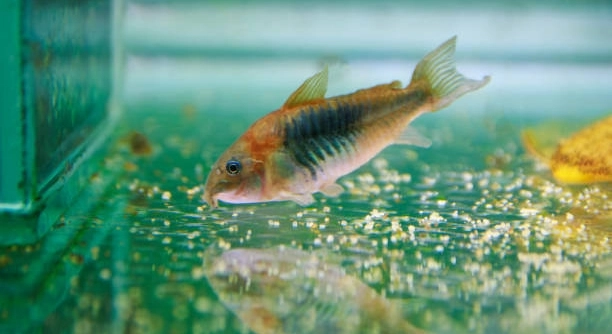
Corydoras catfish are known for their peaceful and playful nature, making them a popular choice for aquarium enthusiasts. Ensuring they feel secure in their environment is essential for their well-being and happiness.
A Corydoras catfish feels secure when it has a stable environment with good water conditions, hiding spots, and compatible tank mates. Signs of comfort include swimming calmly, exploring, and interacting with other fish without showing stress or fear.
The signs of a secure Corydoras can be subtle, but paying attention to these clues will help you keep your fish comfortable and thriving in its tank environment. Keep reading to learn how to spot these signs.
Stable Water Conditions
Corydoras catfish are sensitive to water quality, and stable water conditions are key to their security. They thrive in clean, well-maintained tanks with balanced temperature, pH, and water hardness. These fish are particularly sensitive to ammonia and nitrite levels, so regular water changes and filtration are essential to their well-being. Keeping your tank water stable and free of toxins will help your Corydoras feel safe and comfortable in their environment.
When the water is clean, Corydoras are more likely to swim around freely and show normal behavior, such as foraging along the substrate. Stress from poor water quality can cause them to hide or exhibit erratic swimming patterns, signaling discomfort.
To maintain optimal water quality, test the water regularly for ammonia, nitrites, and nitrates. Use a good filtration system, and change 25-30% of the water weekly. These steps will keep your Corydoras healthy and ensure they feel secure in their habitat. Also, ensure the tank has adequate aeration to maintain oxygen levels.
Adequate Hiding Spots
Corydoras are bottom dwellers that feel more secure when they have hiding spots in the tank. Providing them with caves, plants, or decorations will create places where they can retreat when they feel threatened or need rest. These hiding spots help them feel protected and reduce stress.
Corydoras are naturally shy, and without hiding places, they may avoid exploring the tank or spend too much time in one corner. When the tank offers areas to hide, they will feel more confident to move around and interact with their environment. The right hiding spots help reduce anxiety.
Incorporating natural elements like driftwood or plants will make the tank more comfortable for your Corydoras. You don’t need to overcrowd the tank, but a few well-placed hiding spots will give them plenty of space to feel secure. Avoid sharp or abrasive materials that might hurt their delicate bodies. These small changes will go a long way in ensuring your Corydoras feel at ease.
Compatible Tank Mates
Corydoras thrive in peaceful, community tanks with non-aggressive fish. When housed with aggressive or overly active tank mates, they can feel stressed and unsafe. A calm environment encourages natural behavior and ensures they remain relaxed.
Ensure that your Corydoras’ tank mates are compatible by choosing species that won’t bully or harass them. Fish like tetras, guppies, or mollies make great companions. Corydoras are peaceful bottom dwellers, so they tend to get along well with other fish that occupy different levels of the tank. Avoid larger, predatory fish that may see them as prey.
Fish that are too energetic or territorial can cause stress, leading to hiding or erratic movements. Watch your Corydoras closely when introducing new tank mates to make sure they are adjusting well. Stress can lead to health problems, so a peaceful environment is key to their well-being.
Proper Tank Size
Corydoras need enough space to swim and explore. A tank that is too small can make them feel cramped and insecure. A minimum of 20 gallons is recommended for a small group of Corydoras. Having ample space ensures they can move around comfortably.
The more space you offer your Corydoras, the more likely they are to engage in natural behavior like foraging, swimming, and interacting with other fish. A small, overcrowded tank increases the likelihood of stress and poor water quality. It also limits their ability to find suitable hiding spots or establish territories, which can lead to tension.
Consider the size and number of your tank’s inhabitants before settling on a tank size. Corydoras are social and prefer being in groups of at least 3-5, so keep that in mind when selecting your tank. A larger tank with adequate filtration will provide your Corydoras with the environment they need to thrive.
Proper Diet
A varied diet contributes significantly to the well-being of Corydoras. These fish are omnivores, so they need a mix of plant-based and protein-rich foods. A balanced diet helps maintain their health and encourages normal behavior.
Feed them sinking pellets, high-quality flakes, and occasional live or frozen foods like bloodworms and brine shrimp. Overfeeding can lead to poor water quality, so offer only what they can consume in a few minutes. Make sure the food sinks to the bottom, where Corydoras prefer to forage. This ensures they get the nutrients they need without competing for food with other fish.
A well-fed Corydoras will have more energy and will feel more secure in the tank. Offering variety in their diet helps prevent boredom and promotes overall health, making them more active and confident.
Tank Lighting
Corydoras prefer low to moderate lighting. Bright, intense lights can make them feel exposed and stressed, affecting their comfort and behavior. Avoid overly bright setups and provide dim lighting to encourage natural activity.
Dim or shaded lighting gives Corydoras a more secure environment. They are more active and social when the tank lighting is gentle. Too much light can cause them to hide, especially during the day. Consider using aquarium lights with adjustable brightness settings to keep your fish comfortable.
Consistent Routine
Consistency in the tank’s environment can help Corydoras feel secure. Maintaining a regular schedule for feeding, water changes, and light cycles helps them adjust and reduces anxiety. Unpredictable changes can make them feel uneasy.
Routine care helps your fish stay calm and reduces stress. When they know what to expect, they feel more in control of their environment, allowing them to display natural behaviors.
FAQ
How do I know if my Corydoras is stressed?
Stress in Corydoras can show in a few ways. If they are hiding for extended periods, swimming erratically, or staying at the surface, it may indicate stress. Poor water quality, aggressive tank mates, or lack of hiding spots can all contribute to stress. It’s essential to observe their behavior carefully and rule out possible causes. Healthy Corydoras are usually active, swim calmly, and forage at the bottom of the tank. If they seem to be avoiding their environment or have dull coloration, it’s time to check their tank conditions.
What should I do if my Corydoras isn’t eating?
If your Corydoras isn’t eating, first check the water quality. Poor water conditions can lead to loss of appetite. Ensure the temperature and pH are within the acceptable range for them. Additionally, check that the food you’re offering is suitable. Corydoras prefer sinking pellets or small pieces of food they can forage on the bottom. If they are still not eating, try offering live or frozen foods like bloodworms or brine shrimp to entice them. Stress or illness can also lead to a lack of appetite, so make sure they aren’t being bullied by other fish.
Can Corydoras live with other fish?
Yes, Corydoras are peaceful fish that can live with many other species. They do best in community tanks with other non-aggressive species. Smaller, calm fish like tetras or guppies are great tank mates. Avoid aggressive or larger fish that may try to bully or eat them. As bottom dwellers, Corydoras prefer to interact with fish that occupy other levels of the tank, reducing the chance of competition. Make sure any new tank mates are peaceful to ensure a harmonious environment.
How often should I feed my Corydoras?
Corydoras should be fed once or twice a day, depending on their age and size. It’s important to feed them only what they can consume in a few minutes to avoid overfeeding and deteriorating water quality. Overfeeding can lead to uneaten food, which can pollute the water. Offering a variety of foods such as sinking pellets, flakes, and live or frozen options like bloodworms helps keep them healthy and satisfied. Be sure to remove any leftover food to prevent it from decaying and affecting water quality.
What water temperature is best for Corydoras?
Corydoras prefer water temperatures between 72-79°F (22-26°C). Temperatures outside this range can cause stress and may lead to health issues. It’s important to keep the water stable and avoid drastic fluctuations in temperature. Investing in a reliable aquarium heater will help maintain a consistent temperature. If you’re unsure, always use a thermometer to monitor water conditions. A stable environment encourages your Corydoras to feel secure and active.
Do Corydoras need aeration in the tank?
Corydoras benefit from good water aeration, especially if the tank is heavily stocked or lacks good water circulation. While they can survive without aeration, they thrive in well-oxygenated water. Proper filtration and gentle water movement are essential for oxygen exchange. A sponge filter is often a good option, as it provides both filtration and gentle aeration. Ensuring adequate oxygen levels in the tank is crucial for the health of your Corydoras, especially since they spend most of their time at the bottom.
Why is my Corydoras swimming at the surface?
Corydoras swimming at the surface may indicate poor water quality, low oxygen levels, or stress. If the oxygen level in the tank is insufficient, they may rise to the surface to gulp air. Check the water temperature, pH, and ammonia/nitrite levels to ensure they are within the ideal range. If you see this behavior often, consider adding a sponge filter or increasing aeration. Overcrowding or aggressive tank mates may also cause stress, leading them to seek refuge near the surface.
Can I keep a single Corydoras by itself?
While Corydoras can technically survive alone, they are social fish and prefer the company of their own kind. It’s best to keep them in groups of at least three to five, as they feel more secure and comfortable. In a group, they’ll be more active and display natural behaviors like foraging and socializing. Keeping a single Corydoras may lead to stress and reduce its quality of life. If you want to ensure your Corydoras stays healthy, provide a small group for them to interact with.
How do I clean the tank for my Corydoras?
To keep your Corydoras healthy, maintain a regular cleaning routine. Perform partial water changes every week, removing 25-30% of the water. Use an aquarium siphon to clean the substrate and remove debris from the bottom of the tank where Corydoras forage. Clean the filter every few weeks to ensure it’s working efficiently. Avoid disturbing the fish too much during cleaning, as they may feel stressed. Always check the water parameters after cleaning to ensure they remain within a healthy range.
Are Corydoras sensitive to water changes?
Corydoras are sensitive to sudden changes in water quality, including rapid fluctuations in temperature, pH, and hardness. When doing water changes, make sure the new water is similar in temperature and parameters to avoid shocking the fish. Gradual changes are key to minimizing stress. Also, ensure that the water is treated properly to remove chlorine or chloramine, which can be harmful to fish. Keeping the water conditions stable will help Corydoras feel more secure and reduce the likelihood of stress or illness.
Final Thoughts
Creating a secure and healthy environment for your Corydoras catfish is key to ensuring their well-being. These peaceful fish are sensitive to their surroundings and will thrive when provided with stable water conditions, appropriate tank mates, and adequate hiding spots. By maintaining the right temperature, water quality, and tank size, you can help your Corydoras feel safe and comfortable in your aquarium. The small changes you make in their environment can have a big impact on their overall health and behavior, allowing them to live their best life.
Feeding your Corydoras a balanced diet also plays a crucial role in keeping them secure. Offering a mix of high-quality sinking pellets, live or frozen foods, and ensuring they receive the right amount of food each day will help them stay active and healthy. Corydoras are bottom dwellers, so providing them with sinking food that suits their feeding habits is essential. Overfeeding can cause water quality issues, so be mindful of how much you’re giving them. Regular water changes and keeping the tank clean will also help prevent any issues related to food decay.
Finally, understanding and recognizing the signs that your Corydoras are feeling secure or stressed is important. Keeping a close eye on their behavior can help you identify problems early, allowing you to address them before they become serious. If your fish are swimming calmly, exploring their environment, and interacting with other fish, it’s a good sign that they are content. On the other hand, if they are hiding excessively, swimming erratically, or avoiding food, it may indicate that something in their environment needs adjustment. By keeping their needs in mind and ensuring they have a comfortable space, your Corydoras will remain happy and healthy for years to come.

Hello,
If you enjoy the content that we create, please consider saying a "Thank You!" by leaving a tip.
Every little bit helps us continue crafting quality advice that supports the health, happiness, and well-being of pets around the world, for pets of all shapes, sizes, and species.
We really appreciate the kindness and support that you show us!