
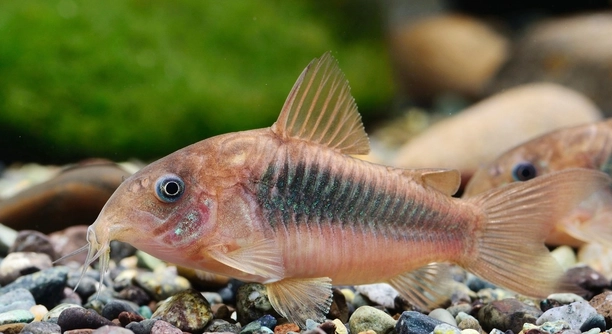
Corydoras catfish are popular aquarium fish known for their peaceful nature. Understanding their behavior can help ensure they feel safe and thrive in their environment. It’s essential to observe key indicators to gauge their comfort levels.
Corydoras catfish display several behaviors that signal they feel safe, such as calm swimming, active foraging, and socializing with tank mates. A relaxed posture, hiding only when necessary, and regular breathing also indicate a sense of security in their environment.
Recognizing these signs will help you create the best environment for your Corydoras catfish to feel at ease and healthy.
Calm Swimming and Active Foraging
One of the clearest signs that your Corydoras catfish is feeling safe is its swimming behavior. When your catfish is relaxed, it will swim smoothly and steadily throughout the tank. These fish are bottom dwellers, so they tend to forage near the substrate, looking for food. If your Corydoras is active and engaging with the tank environment, it means it feels secure. You might notice it rummaging through the gravel or sand, which is another indication that it’s not stressed. Safe Corydoras catfish often swim in groups, showing social behavior as they interact with other tank mates.
A catfish that forages regularly is likely not feeling threatened. Corydoras are naturally inquisitive, so constant exploration can indicate comfort. If they seem lethargic and avoid interacting, it could suggest something is amiss in the tank.
Corydoras enjoy a structured, predictable environment. By maintaining consistent water parameters and providing enough hiding spots, you’ll help them feel secure enough to continue these behaviors. Their calm and active foraging habits speak volumes about their well-being. When your fish behaves like this, it’s a good sign that it’s settling in nicely.
Hiding Only When Necessary
Corydoras catfish are naturally shy, but they will only hide when they feel the need to. If you notice that your catfish spends a lot of time hiding in caves or under plants, this might indicate discomfort or stress. However, hiding occasionally is normal and a part of their natural behavior.
If your Corydoras catfish is often in hiding without showing any other signs of stress, it could mean the tank is too loud, has sudden movements, or the water quality isn’t optimal. In these cases, addressing those factors may help the catfish feel more secure and reduce its need to hide. With a little time, you may see it become more active and confident. A Corydoras catfish that hides less frequently is a good indicator of safety.
Regular Breathing Patterns
Another strong indicator that your Corydoras catfish feels safe is regular breathing. When these fish are comfortable, you will notice their gills moving steadily as they breathe calmly. Rapid gill movements or gasping for air can signal stress or discomfort, often caused by poor water quality or environmental changes. If your Corydoras is breathing at a normal pace, it means it’s adjusting well to its environment.
The respiratory rate is directly linked to how the catfish perceives its surroundings. Safe, healthy fish tend to have consistent, slow breathing. If the water temperature or oxygen levels fluctuate, it can cause your Corydoras to breathe more heavily. You should monitor the water conditions to make sure your fish is as comfortable as possible. A stable environment ensures smooth breathing and reflects overall well-being.
Socializing with Tank Mates
Corydoras catfish are social creatures. When they feel safe, they tend to interact with other fish, especially those of their kind. You may notice them swimming alongside their tank mates, sometimes even in groups. A relaxed Corydoras is not afraid to be around other fish, as long as the tank environment is peaceful and non-threatening.
If your Corydoras catfish is socializing and moving freely with others, it’s a sign of comfort. Corydoras are peaceful by nature, so they prefer to share their space rather than be isolated. If they start avoiding social interaction, it could be a red flag that something is wrong with the tank conditions. Keep an eye on any changes in their behavior to ensure they continue to feel safe in the tank.
Calm Posture
When Corydoras catfish are comfortable, they exhibit a calm and relaxed posture. They won’t appear stiff or tense; instead, they move gently and fluidly around their environment. This natural, peaceful demeanor is a great indicator that your catfish feels secure. Any abnormal, rigid positioning or erratic movements might suggest stress, which can happen due to poor water quality or sudden environmental changes.
A calm Corydoras will also display normal body movements. It won’t constantly dart to hide or swim erratically, which is typically a sign of distress. The fish may occasionally rest in a peaceful spot but won’t remain inactive for long. A relaxed catfish is a sign that it’s adjusting well and feeling safe in its home. Keeping the water clean and the tank environment stable helps them maintain this calm demeanor.
Steady Swimming Patterns
When your Corydoras catfish feels safe, its swimming pattern will be steady and rhythmic. These fish swim at a consistent pace, without abrupt starts or stops. If they swim in a straight line with fluid movements, it means they are comfortable in their environment.
Erratic movements or darting around the tank can indicate stress. In this case, environmental factors may need to be checked, such as the water temperature or the presence of other more aggressive fish. Safe Corydoras fish swim calmly and explore their tank environment, showing no signs of anxiety. Monitoring their movement will help you identify changes in their comfort level.
Balanced Feeding Behavior
Corydoras catfish are bottom feeders that thrive on a steady food supply. A safe Corydoras will actively search for food, rummaging through the substrate and foraging. They will eat regularly and eagerly, indicating they feel secure in their surroundings. If they are hesitant or refuse food, it may be a sign that something is wrong.
Offering a varied diet can help keep your Corydoras happy and well-fed. A lack of interest in food can signal stress, possibly caused by changes in water parameters or the presence of unwanted tank mates. Keeping their environment stable and consistent ensures they maintain a balanced feeding routine.
Clean Environment
Maintaining a clean tank is essential for your Corydoras catfish’s well-being. These fish thrive in environments where the water is clear and free of excess waste. Poor water quality can cause stress, making your catfish more prone to illness and discomfort. Regular water changes and substrate cleaning help provide a safe, clean space.
By monitoring the tank’s cleanliness, you help your Corydoras feel at ease. Fish that are kept in dirty conditions may start hiding more often or showing other signs of distress. A clean tank promotes healthy behavior and keeps the fish active and relaxed. Regular maintenance can improve your fish’s overall health and happiness.
FAQ
What are the signs that a Corydoras catfish is stressed?
A stressed Corydoras catfish will often exhibit erratic behavior, such as darting around the tank, frequent hiding, and labored breathing. These fish may also stop eating or refuse to interact with tank mates. Stress can be caused by poor water quality, overcrowding, or aggressive tank mates. It’s important to monitor changes in behavior, as stress can affect the health of your catfish. If stress continues, consider adjusting tank conditions, such as adding hiding spots or improving water filtration.
How often should I feed my Corydoras catfish?
Corydoras catfish should be fed once or twice a day, depending on the size and number of fish in the tank. These fish are bottom feeders and enjoy a variety of foods, including pellets, flakes, and frozen or live foods. Ensure that you feed them small amounts, as they may not eat all the food immediately. Overfeeding can lead to poor water quality, which affects the health of the fish. Monitor their feeding behavior and adjust the amount accordingly to avoid waste.
Can Corydoras catfish live with other fish?
Yes, Corydoras catfish are peaceful and social, making them compatible with many other species. They do well in community tanks with other peaceful fish, such as tetras, guppies, and other small, non-aggressive species. Avoid keeping them with larger or more aggressive fish, as this can cause stress. Corydoras are bottom-dwellers, so they won’t compete for space in the upper levels of the tank. Ensure there is enough hiding space for them to retreat when needed.
How do I ensure my Corydoras catfish are comfortable?
To ensure your Corydoras catfish feel comfortable, focus on water quality, temperature, and tank setup. They thrive in well-maintained tanks with clean water, a temperature range of 72–78°F (22–26°C), and a soft substrate like sand or fine gravel. Include hiding spots such as caves or plants where they can feel secure. Regular water changes and proper filtration are key to maintaining a healthy environment. Avoid sudden changes in water temperature or pH, as this can cause stress.
Why is my Corydoras catfish swimming at the surface?
Corydoras catfish are bottom dwellers, but they may swim at the surface for a variety of reasons. If they are swimming at the surface and gasping for air, it could indicate low oxygen levels in the tank. This may be caused by poor water circulation, overcrowding, or improper filtration. Ensure the water is well-oxygenated by using an appropriate filter and adding an air stone if needed. If the behavior persists, check water parameters like ammonia, nitrites, and nitrates to ensure the tank is in good condition.
Can Corydoras catfish survive in a tank without a filter?
While Corydoras catfish can survive in an unfiltered tank for a short period, it’s not ideal for their long-term health. Without proper filtration, the water quality will degrade quickly, leading to harmful levels of toxins like ammonia and nitrites. This can stress the fish and make them susceptible to disease. A filter helps maintain clean water, which is essential for the well-being of your Corydoras. If you prefer not to use a filter, frequent water changes and careful monitoring of water quality will be necessary.
How can I tell if my Corydoras catfish is sick?
Signs of illness in Corydoras catfish include faded coloration, abnormal swimming behavior, excessive hiding, and changes in appetite. A sick Corydoras may also have clamped fins, abnormal gill movement, or lesions on its body. If you notice any of these signs, check water parameters immediately and isolate the fish if necessary. If the symptoms persist, consider consulting an aquarium professional or veterinarian. Proper water quality and a stress-free environment are crucial in preventing illnesses.
Why are my Corydoras catfish not breeding?
Corydoras catfish breeding can be influenced by several factors, including water temperature, water quality, and diet. They usually breed when the water is slightly cooler (around 70–75°F or 21–24°C) and there is a good flow of clean, oxygenated water. Providing a varied diet with live or frozen foods can also encourage breeding. Some Corydoras species may require a period of conditioning before they spawn. If they are not breeding, check that their environment mimics the conditions of their natural habitat.
What is the best substrate for Corydoras catfish?
Corydoras catfish thrive best in tanks with a soft substrate, such as fine gravel or sand. A smooth, fine substrate is important because it protects their sensitive barbels from injury, which can occur with rough gravel or sharp objects. Corydoras are bottom-dwellers that enjoy scavenging the substrate for food, so a soft, gentle surface makes it easier for them to search for food without causing harm. Additionally, fine sand or gravel helps maintain a clean tank by allowing waste to settle, which can be easily removed during regular maintenance.
How can I reduce stress in my Corydoras catfish?
To reduce stress in Corydoras catfish, focus on creating a peaceful and stable environment. Keep the water quality high by performing regular water changes, maintaining proper filtration, and monitoring parameters like pH and ammonia levels. Providing plenty of hiding spots, such as plants and caves, gives your catfish a sense of security. Additionally, avoid sudden changes in the tank, such as temperature shifts or the introduction of aggressive tank mates. A well-maintained, stable tank environment will go a long way in reducing stress for your Corydoras.
Final Thoughts
Corydoras catfish are peaceful, social fish that thrive in stable, clean environments. Keeping your Corydoras safe and healthy is essential for their well-being. By providing proper water quality, suitable tank mates, and a comfortable environment, you can ensure they live a long, happy life. Watching them swim peacefully in the tank can be a rewarding experience, knowing they feel secure and content.
These fish are excellent for community tanks, as they get along with most other species. However, it’s crucial to pay attention to any changes in behavior that may indicate stress or discomfort. Regularly check water conditions like temperature, pH, and ammonia levels, as poor water quality is one of the most common causes of stress. Stress can also be caused by aggressive tank mates, so choosing peaceful companions for your Corydoras will help them feel at ease.
In the end, understanding the needs and behaviors of Corydoras catfish will allow you to provide the best possible care for them. With the right attention and tank setup, your Corydoras will not only survive but thrive. Their gentle nature and active behavior will contribute to a balanced and peaceful aquarium, creating a harmonious atmosphere for both the fish and their owners.

Hello,
If you enjoy the content that we create, please consider saying a "Thank You!" by leaving a tip.
Every little bit helps us continue crafting quality advice that supports the health, happiness, and well-being of pets around the world, for pets of all shapes, sizes, and species.
We really appreciate the kindness and support that you show us!