
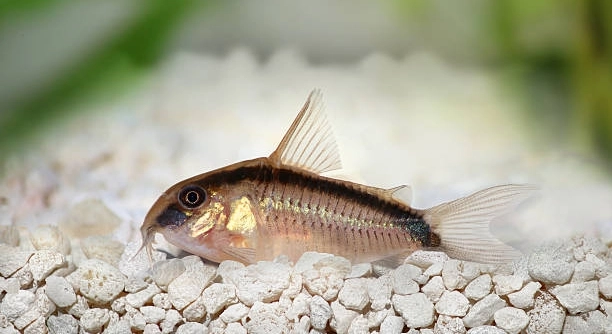
Corydoras catfish are small, peaceful creatures that can brighten up any aquarium. Like all pets, they need attention and stimulation to thrive in their environment. Without enough enrichment, they may become bored and inactive.
Corydoras catfish often show signs of boredom through inactivity, lack of exploration, or changes in their usual behavior, such as reduced foraging or hiding more frequently. It is essential to monitor these signs to address their needs.
There are many simple ways to keep your catfish entertained and happy. From adding new elements to their tank to offering different food options, you’ll find plenty of ideas to keep them engaged.
Signs Your Corydoras Catfish Might Be Bored
Corydoras catfish are usually active and curious creatures, but when they become bored, their behavior can change. If your catfish is staying in one spot for long periods, swimming in circles, or no longer exploring their environment, they may be showing signs of boredom. These fish love to dig through the substrate and search for food, so a sudden lack of interest in these activities could indicate they’re not stimulated enough. You may also notice that they are hiding more than usual or not interacting with other tank mates. Boredom can lead to stress, which negatively affects their health and overall happiness.
In some cases, catfish will also refuse to eat, which is a clear sign that something is wrong. Their natural instincts urge them to search for food, and when they stop doing this, it’s a signal that their environment isn’t providing enough stimulation.
Make sure to keep an eye on their behavior to catch early signs of boredom and take action to improve their tank’s environment.
How to Improve Your Corydoras Catfish’s Environment
Adding new items to your tank can make a big difference. Consider adding new hiding spots, plants, or different types of substrate for them to explore. Corydoras are bottom dwellers, so enriching the bottom of the tank with various textures can encourage them to dig and forage.
Introduce changes gradually, like adding soft decorations or aquarium tunnels for them to explore. It’s important to make sure nothing sharp is included, as these fish are delicate. Adding different kinds of food like sinking pellets or frozen treats can also make mealtime more exciting.
A more interesting tank will not only help alleviate boredom but also provide mental stimulation for your catfish. By regularly changing things up, you’ll keep their environment fresh and engaging.
Keep Your Corydoras Catfish Engaged With Tank Mates
Sometimes, boredom can also stem from a lack of interaction. Corydoras are social fish, and having other peaceful tank mates can make them feel more comfortable and active. When kept with other species that are not too aggressive, these fish are more likely to engage in normal behaviors such as swimming and exploring.
However, it’s important to avoid overcrowding your tank. Too many fish in one space can cause stress and lead to aggressive behaviors, which can make your Corydoras more withdrawn. Ideal companions include other peaceful bottom dwellers or mid-water fish that won’t compete for the same resources. Keeping a balance in the tank’s ecosystem is key to maintaining healthy and active fish.
Add Decorations and Hiding Spots
Adding new decorations to your tank can keep your Corydoras catfish engaged. They love to explore, and new items in their environment provide them with opportunities to interact. Consider adding plants, driftwood, or aquarium tunnels to mimic their natural habitat. These additions give them new spaces to hide, swim through, and investigate.
Make sure the decorations are safe for your catfish. Avoid anything with sharp edges that could harm them. Also, don’t overcrowd the tank with too many items, as it can restrict swimming space. By creating a more dynamic tank, you’ll keep your Corydoras interested and encourage their natural behaviors.
New hiding spots and plants help reduce stress by providing a secure environment. A tank with plenty of areas to explore allows your fish to feel comfortable and secure, which will keep them more active and less likely to become bored.
Vary Their Diet
Corydoras catfish enjoy variety when it comes to their food. Offering different types of food not only keeps things interesting for them but also ensures they get a balanced diet. You can feed them a mix of sinking pellets, frozen food like bloodworms, or live food such as brine shrimp. This variety will encourage them to forage, which is one of their natural behaviors.
It’s important to remember that Corydoras have small mouths, so avoid food that is too large or hard to consume. Offering smaller portions throughout the day will help keep them active and prevent overfeeding.
By offering a variety of food, you also help mimic their natural foraging activities. They will feel more engaged in their environment and spend more time exploring the tank for their meals.
Keep the Water Clean and Well-Maintained
Corydoras catfish thrive in clean, well-maintained water. If the water quality drops, your fish may become stressed or lethargic. To prevent boredom and keep your catfish healthy, maintain stable water conditions, especially temperature, pH, and hardness. Regular water changes, good filtration, and occasional substrate cleaning help to keep the tank clean and provide your fish with a healthy environment.
Check your tank’s water parameters regularly. If your Corydoras are showing signs of stress, like hiding or swimming less, poor water quality could be the cause. Clean water makes your fish more comfortable, reducing the risk of stress and boredom.
If water conditions are unstable, Corydoras may reduce their usual activity, affecting their overall well-being. By ensuring the water stays clean, you’ll keep them energized and active.
Use Substrate That Encourages Natural Behavior
Corydoras catfish love to dig and forage through the substrate. Using a soft, sandy substrate mimics their natural environment and encourages these behaviors. Fine sand or smooth gravel is ideal for them to sift through without causing injury. This type of substrate also helps maintain water quality by preventing debris buildup.
A substrate that is too rough or large may hurt your catfish’s sensitive barbels, so always choose one that is gentle. Providing a proper substrate allows your fish to act naturally, keeping them busy and reducing boredom. Make sure to keep it clean to maintain good water quality.
Introduce Tankmates That Won’t Compete for Space
When choosing tankmates for your Corydoras, opt for peaceful fish that don’t compete for the same space or food. This reduces stress and helps keep them active. Avoid aggressive or larger fish, as they may bully your catfish or dominate tank resources, leaving them feeling less engaged.
With suitable tankmates, your Corydoras will be more likely to swim around, interact, and stay engaged in their environment. Socializing with compatible species helps them stay active and reduces the chance of boredom.
Rotate Tank Decorations Occasionally
Changing the tank’s layout every once in a while helps keep the environment fresh. Corydoras will appreciate new things to explore, and rotating decorations will provide variety. Try rearranging plants, adding new hiding spots, or changing the substrate slightly. These small changes can help keep their interest high.
Switching things up also prevents your catfish from getting too comfortable in the same environment. Regular changes encourage natural behaviors like exploration and foraging. By altering their surroundings, you’ll give your catfish new experiences that will prevent boredom.
FAQ
What are the signs that my Corydoras catfish is bored?
Bored Corydoras catfish often display reduced activity, such as staying in one spot for long periods, swimming aimlessly, or not exploring their surroundings as usual. They may also spend more time hiding than interacting with the rest of the tank. A noticeable lack of interest in food or foraging for food could be another sign of boredom. If they are not engaging in their natural behaviors like digging or swimming around, it’s time to consider ways to make their environment more stimulating.
How can I make my Corydoras catfish more active?
To keep your Corydoras active, you should create an environment that promotes exploration and natural behaviors. Start by adding new hiding spots, plants, or aquarium tunnels to provide them with different places to explore. A soft, sandy substrate encourages digging and foraging, which helps them stay active. Offering a variety of food options, like sinking pellets, frozen treats, or live food, can also make feeding time more engaging. Regularly changing the tank’s layout, adding new decorations, or introducing peaceful tankmates can further stimulate their curiosity and activity.
Can Corydoras catfish get bored of their tankmates?
Yes, Corydoras catfish can get bored or stressed if their tankmates are incompatible or too aggressive. If they feel threatened by larger or more dominant fish, they might withdraw and become less active. Choose peaceful species that don’t compete for the same bottom-space resources. Tankmates that don’t threaten their environment will encourage Corydoras to swim, interact, and maintain their social behavior. When you have compatible tankmates, your Corydoras will feel more secure, which can prevent boredom and promote better overall health.
What can I do to encourage my Corydoras to forage?
Corydoras catfish are bottom feeders, and foraging is a natural behavior they love. To encourage this, you can provide food that sinks, like sinking pellets, bloodworms, or brine shrimp. Scatter the food around the substrate so they have to search for it, simulating their natural foraging behavior. Adding more hiding spots and plants to the tank can also give them more places to explore while they search for food. Avoid overfeeding at the surface, as this can prevent your Corydoras from engaging in their natural foraging activities at the bottom.
How often should I change the decorations in my Corydoras tank?
Changing the decorations in your Corydoras tank every few weeks or months can help prevent boredom. A sudden change in the layout can make the environment feel new and exciting for your catfish. However, you don’t need to make drastic changes every time—simple rearrangements of plants or adding a new hiding spot can make a big difference. If you notice your catfish becoming lethargic or disinterested in their surroundings, it’s a good time to introduce some changes. This provides them with fresh areas to explore, which encourages natural behaviors like swimming and digging.
Are Corydoras sensitive to water conditions?
Yes, Corydoras catfish are sensitive to water quality. Poor water conditions can cause them stress, leading to inactivity or hiding. To keep them healthy and active, you need to regularly check the water’s temperature, pH, and hardness. Make sure the tank is equipped with a good filtration system to keep the water clean and clear. Performing regular water changes (about 20-30% every 1-2 weeks) will help maintain a healthy environment. Consistent water conditions help reduce stress, which can prevent boredom and keep your Corydoras active.
What is the best substrate for Corydoras catfish?
Corydoras catfish thrive in a soft, fine substrate such as sand or smooth gravel. These fish have delicate barbels, which can be damaged by rough or sharp substrate. Fine sand mimics their natural habitat and allows them to sift through the substrate to search for food. It also helps maintain good water quality by preventing debris buildup. Avoid using large or jagged gravel that could harm your catfish. Make sure to clean the substrate regularly to prevent waste accumulation, which can affect water quality.
Can I keep multiple Corydoras in the same tank?
Yes, Corydoras are social fish that do well in groups. It is recommended to keep at least three or more Corydoras catfish together, as they enjoy the company of their own kind. A group will feel safer and more comfortable, which can encourage natural behaviors like swimming and foraging. Just make sure the tank is large enough to accommodate multiple fish without overcrowding. This will help prevent stress and keep them active. If you introduce new Corydoras, do so gradually to allow them to acclimate to each other.
How do I know if my Corydoras catfish is stressed?
Stressed Corydoras may show signs such as hiding more than usual, reduced activity, or erratic swimming behavior. They might also stop eating or refuse to forage. If your Corydoras is constantly in hiding or not interacting with the tank environment, stress could be the issue. Poor water quality, overcrowding, or incompatible tankmates are common causes of stress. It’s important to regularly check the water quality and ensure that your catfish has plenty of space to swim and explore. Adjusting their environment to be more comfortable can help reduce stress.
Is it okay to keep Corydoras with shrimp or snails?
Yes, Corydoras catfish can be kept with peaceful shrimp or snails. They generally won’t harm them, as Corydoras are bottom dwellers and focus on foraging on the substrate. Shrimp, particularly species like Amano or Cherry shrimp, can help clean the tank, while snails help with algae control. However, you should avoid keeping Corydoras with aggressive or very small shrimp species, as the catfish might accidentally disturb or outcompete them for food. Snails and peaceful shrimp can create a balanced ecosystem in your tank, enhancing the environment and keeping your Corydoras active.
Can Corydoras catfish live with other types of fish?
Corydoras catfish are peaceful and typically do well with other non-aggressive fish species. They are best kept with tankmates that are similarly calm and won’t crowd or bully them. Good tankmates include small, peaceful fish like tetras, guppies, and rasboras. Avoid larger or more territorial species that may outcompete the Corydoras for food or space. When selecting tankmates, make sure that all fish are compatible in terms of water conditions and temperament. This will help keep your Corydoras active, social, and happy in a community setting.
Final Thoughts
Corydoras catfish are wonderful, peaceful additions to any aquarium. While they are generally easy to care for, it’s important to keep them entertained and engaged to ensure their happiness. Without enough stimulation, they can become bored, which can affect their overall health. These small, bottom-dwelling fish thrive in environments where they can explore, forage, and interact with their surroundings. By paying attention to their behavior and making simple changes to their tank, you can help your Corydoras stay active and content. Regularly providing them with new things to discover, such as decorations, new food options, and appropriate tankmates, will keep them interested and prevent them from becoming too idle.
One of the most effective ways to prevent boredom is by creating a dynamic environment for your Corydoras. This can be as simple as changing the tank’s layout every so often or adding new plants, hiding spots, or substrates. A soft, sandy substrate, in particular, encourages them to engage in their natural foraging behaviors, helping to keep them active. Additionally, offering a variety of foods, including sinking pellets, frozen treats, or live food, ensures they remain engaged during feeding time. Keeping their water quality at optimal levels is also crucial for their well-being. Clean, stable water helps reduce stress and allows them to focus on exploring and interacting with their environment rather than worrying about poor tank conditions.
By paying attention to their needs and responding to any signs of boredom, you’ll ensure your Corydoras remain healthy and content. Providing them with regular enrichment, a balanced diet, and compatible tankmates will not only make your catfish happy but will also enhance the overall atmosphere of your aquarium. These small adjustments will keep your Corydoras active and reduce the chances of stress or health issues, allowing you to enjoy their playful and peaceful nature for years to come.

Hello,
If you enjoy the content that we create, please consider saying a "Thank You!" by leaving a tip.
Every little bit helps us continue crafting quality advice that supports the health, happiness, and well-being of pets around the world, for pets of all shapes, sizes, and species.
We really appreciate the kindness and support that you show us!