
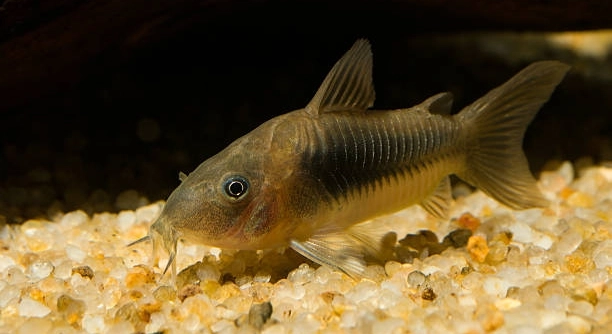
Corydoras catfish are popular in aquariums, known for their peaceful nature. But when adjusting to a new school of fish, they can go through changes. Understanding how well they adapt is key to keeping them healthy and happy.
To assess whether your Corydoras catfish is adjusting well to a new school, observe its behavior, swimming patterns, eating habits, and social interactions. Healthy catfish will show signs of comfort, confidence, and a calm demeanor in the tank.
Learning the signs of a well-adjusted Corydoras can make a huge difference in ensuring their long-term happiness and well-being in your aquarium. Let’s go over what to look for.
Recognizing Stress in Corydoras Catfish
Corydoras catfish are generally peaceful and adaptable, but they can experience stress when introduced to a new school. Stress is often visible through changes in their behavior. A stressed catfish may swim erratically, hide more than usual, or refuse to interact with other fish. This is usually a sign that the catfish is still adjusting to the new environment.
When your Corydoras is stressed, it may appear more withdrawn or avoid other fish. This can be a normal part of the adjustment period, but prolonged stress can lead to health problems. Observing their behavior closely during this time is crucial.
In addition to erratic swimming or hiding, stress in Corydoras can also result in physical symptoms like clamped fins, a lack of appetite, or even a decrease in their usual activity level. If these signs persist beyond a few days, it may be a good idea to check the water conditions in your tank. Poor water quality can also contribute to stress and hinder their ability to adjust properly. Keeping the tank clean and maintaining stable conditions can greatly help reduce these stressors.
Signs of a Comfortable Corydoras Catfish
A well-adjusted Corydoras catfish shows signs of being comfortable in its new school. One key indicator is the catfish’s behavior, which becomes more relaxed and engaging. Healthy, settled fish will explore the tank with ease, interact with others, and return to familiar spots for feeding.
Once your Corydoras adjusts, they will begin to swim in groups, actively look for food, and display a more confident demeanor. This behavior signals that they have settled in and are no longer stressed by the new environment. You’ll likely see them engaging with other fish in a non-aggressive, calm manner.
During the adjustment phase, you might notice that your Corydoras starts to eat with a normal appetite. They’ll actively swim to the surface or bottom of the tank to scavenge for food, showing a clear interest in eating. A catfish that eats well and remains active in the tank is likely adjusting successfully. Social behavior is another important indicator; once comfortable, Corydoras will start interacting with other fish rather than hiding. This signals a positive change in their environment and comfort level.
Eating Habits and Appetite
Corydoras catfish are bottom dwellers and scavengers, so their feeding behavior is an important sign of adjustment. A catfish that’s adjusting well will have a healthy appetite, eagerly looking for food during feeding times. If your catfish seems uninterested or refuses to eat, it may still be adjusting or stressed.
You should pay attention to how your Corydoras reacts during feeding. When they’re comfortable, they’ll actively search for food along the substrate and may even come to the surface if food is offered. A loss of appetite, on the other hand, may indicate discomfort or health issues. Make sure the food offered is appropriate for Corydoras to avoid any unnecessary stress.
Sometimes, it may take a little while for your catfish to adjust to the presence of other fish during feeding time. They may be hesitant at first, but as they become familiar with the school, they will grow more comfortable eating alongside them. Keep an eye on their eating patterns for a few days after introducing them to the new tank mates. A catfish that is adjusting well will quickly settle into its new routine and show an interest in food.
Social Behavior
Corydoras catfish are social creatures that enjoy being in schools, so their interactions with other fish are a strong indicator of adjustment. If your catfish is actively swimming with the school and doesn’t hide, it’s a sign they are getting used to the new setup. It’s normal for them to take some time to adjust, but after a few days, they should begin to show interest in other fish.
When they’re comfortable, Corydoras will often stick together in a group, moving around the tank as a unit. This social behavior is crucial for their well-being. If you notice your catfish remaining apart from the others or hiding most of the time, it could suggest they are still feeling stressed.
The level of interaction with other fish also matters. Corydoras are peaceful, but they do enjoy being around other fish of their kind. A catfish that is properly adjusting will not only engage with the other members of its school but may also display a calm curiosity toward different tank mates. This social behavior shows they’re becoming comfortable with their new environment and are no longer fearful or anxious.
Swimming Patterns
A well-adjusted Corydoras catfish should swim smoothly and confidently throughout the tank. They may stay near the bottom or explore the mid-water section, but they should not appear sluggish or overly erratic. If their swimming looks stiff or labored, it could be a sign that they are still adjusting.
In the beginning, your Corydoras might move cautiously, especially when around new tank mates. Over time, they should become more fluid in their movements, swimming freely within the tank. This improvement in swimming patterns indicates that they are becoming more comfortable and confident in their new environment.
Physical Appearance
A healthy, adjusted Corydoras catfish will have bright, clear eyes and smooth, unblemished skin. If you notice pale coloration or visible sores, it may indicate stress or illness. These signs often appear when a catfish has trouble adjusting to new conditions or tank mates.
Healthy Corydoras will also have fins that are fully extended and free from damage. Clamped fins, dull colors, or visible injuries are all signs of stress or discomfort. These physical signs should improve as your catfish settles in and adjusts to the new tank environment.
FAQ
How long does it take for a Corydoras to adjust to a new school?
The adjustment period for Corydoras catfish can vary, but typically it takes between a few days to a week. During this time, they may be more cautious and hesitant, especially if the new environment or other fish are unfamiliar. If your Corydoras are still acting nervous after a week, it’s a good idea to check the tank’s conditions and ensure the water quality is optimal.
Can Corydoras catfish live alone?
Corydoras are social creatures and thrive in schools of at least three to six individuals. Keeping them alone can cause stress and affect their well-being. While they may survive alone for some time, they won’t exhibit their natural behavior and may become lethargic or withdrawn. For their happiness, it’s always best to keep them in a small group.
What should I do if my Corydoras is not eating after being introduced to a new school?
If your Corydoras catfish refuses to eat after being introduced to a new school, don’t panic immediately. It’s normal for them to be shy or nervous in a new setting. However, if they continue to refuse food for more than 48 hours, check water quality, tank temperature, and the behavior of other fish. You may also want to try offering different food types to see what they prefer.
How do I know if my Corydoras is stressed or sick?
If your Corydoras is stressed, you may notice them hiding more often, swimming erratically, or showing a lack of interest in food. Physical signs like clamped fins, pale coloration, or white spots could indicate illness. Stress from changes in their environment can often lead to weakened immune systems, so it’s essential to address stressors early to prevent sickness. Check water conditions and monitor their behavior closely.
Can Corydoras handle aggressive tankmates?
Corydoras catfish are peaceful and do best in tanks with non-aggressive fish. Aggressive tankmates can stress them out and hinder their adjustment process. If you notice your Corydoras being chased or bullied by other fish, it’s important to separate them from the aggressive species. Adding peaceful community fish like tetras, guppies, or other bottom-dwelling fish can help create a calm environment.
Is it normal for my Corydoras to hide when first introduced?
Yes, it’s completely normal for Corydoras to hide when they’re first introduced to a new tank or school of fish. They may feel threatened or overwhelmed by the changes in their environment. Over time, as they become more comfortable with the new surroundings and tankmates, they will gradually venture out and show more active behavior. Just give them time to adjust.
What can I do to help my Corydoras adjust faster to a new school?
To help your Corydoras adjust quickly, ensure the water quality is stable, with clean, well-filtered water and a proper temperature range (around 72–78°F). Providing plenty of hiding spots in the tank, such as plants or rocks, can help them feel safe. Avoid making rapid changes to the tank or introducing too many new fish at once. Keep the tank peaceful and stress-free for the best results.
Should I worry if my Corydoras catfish is not swimming with the group?
If your Corydoras isn’t swimming with the group, it may be a sign that they’re still adjusting or feel out of place. It’s also possible that they’re feeling stressed or intimidated. Give them a few days to get used to the new school, but if they continue to isolate themselves, it could be a sign of illness or incompatibility with the other fish. Monitor their behavior and ensure the tank conditions are appropriate.
Do Corydoras catfish need specific water conditions to thrive?
Yes, Corydoras catfish thrive in stable water conditions. They prefer slightly acidic to neutral water (pH 6.0 to 7.5) and soft to moderately hard water. The water temperature should be between 72°F and 78°F. Regular water changes and a good filtration system are necessary to maintain clean water and avoid stress. Always test your water parameters before introducing new fish.
Can I introduce Corydoras to a new tank that already has other fish?
Yes, you can introduce Corydoras to a tank with other fish, but it’s important to ensure that the other fish are peaceful and won’t cause stress. Corydoras are non-aggressive and may feel threatened by more dominant species. When adding them to an established tank, make sure the environment is calm and that the tankmates are compatible with Corydoras. Adding a few Corydoras at once can also help them feel more secure.
Why is my Corydoras staying at the bottom of the tank all the time?
Corydoras catfish are bottom dwellers by nature, so it’s normal for them to spend most of their time at the bottom of the tank. However, if they are constantly hiding or staying still, it may indicate stress, illness, or poor water conditions. If they’re active and feeding, then it’s likely just their natural behavior. But if they seem lethargic or unwell, check the water quality and tank conditions.
Can Corydoras live in a tank with high water flow?
Corydoras prefer calm water with gentle flow, as strong currents can cause them stress. A tank with high water flow can make them feel uncomfortable, as they are not strong swimmers. If your tank has a powerful filter or water flow, consider adjusting it to create areas with calmer water where your Corydoras can feel at ease.
Final Thoughts
Adjusting to a new school can take time for Corydoras catfish, but with the right care, they will typically settle in and show positive signs of comfort. It’s important to keep an eye on their behavior, as changes in swimming patterns, eating habits, or interactions with other fish can reveal how well they are adapting. Stress is normal in the first few days, but prolonged stress can lead to health issues, so early intervention is key. Ensuring stable water conditions, a peaceful environment, and a compatible group of tankmates can all make a significant difference in how quickly your Corydoras acclimate to their new home.
If your Corydoras catfish seems hesitant or hides a lot at first, it’s likely they are still adjusting. Give them time, but also make sure you are providing the right conditions for them to feel safe. Offer plenty of hiding spots in the tank and avoid making sudden changes to the environment. The more stable the tank, the easier it will be for them to relax and start engaging with their new school. It’s a good idea to observe the tank closely during this period, noting any changes in behavior or eating habits, as these are strong indicators of how they are adjusting.
Remember that Corydoras are social creatures and thrive in groups. Introducing more than one can ease the adjustment process. With a peaceful, well-maintained tank and proper care, your Corydoras catfish will likely become active, happy members of their new school. Just keep monitoring their progress and adjust the environment as needed. By being patient and attentive, you can help your Corydoras adjust well and enjoy their time in the aquarium.

Hello,
If you enjoy the content that we create, please consider saying a "Thank You!" by leaving a tip.
Every little bit helps us continue crafting quality advice that supports the health, happiness, and well-being of pets around the world, for pets of all shapes, sizes, and species.
We really appreciate the kindness and support that you show us!