
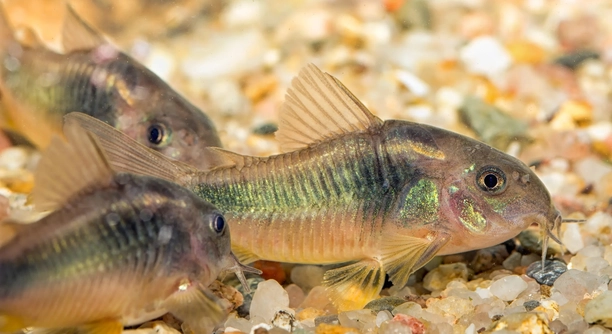
Have you recently switched your Corydoras catfish to a new diet and are unsure if they’re adjusting well to the change?
Corydoras catfish typically adjust well to new diets when their behavior remains active, their coloration stays consistent, and they maintain regular feeding habits. Subtle signs in appearance and movement can offer clear insights into their overall adaptation.
Recognizing these changes early helps ensure your catfish stays healthy, active, and stress-free in its environment.
Signs Your Corydoras Catfish Is Adjusting Well
When adjusting to a new diet, Corydoras catfish may show positive signs early on. One of the first indicators is active behavior. If they continue swimming around the tank, exploring the substrate, and interacting with each other, it means they’re comfortable. Another sign is their appetite. Corydoras that eat consistently without hesitation usually accept the new food well. Keep an eye on their color too—healthy, steady coloration suggests stability. Clean, clear eyes and smooth, intact barbels are other visual cues to look for. Regular waste production that’s firm and not overly pale or runny also shows their digestive system is working well with the food. No signs of bloating, gasping, or erratic swimming should be present. If your Corydoras appear calm and active with consistent feeding and clean tank conditions, you can feel confident they’re adapting properly to their new diet and environment.
Look for regular movement during feeding times and no leftover food. These signs show interest and comfort.
If your fish seem less active or avoid the new food, this may point to something needing attention. Sudden weight loss or sunken bellies also signal that the diet may not be providing enough nutrition. Always monitor for physical changes, such as frayed fins or cloudy eyes, which could indicate stress or an underlying issue. Sometimes, a new diet may be missing a needed vitamin or mineral, so rotating different types of food like pellets, frozen worms, and algae wafers can help balance nutrients. Observe each fish individually if possible. While they are a peaceful group species, not all adjust at the same rate. Clean water, proper feeding schedules, and avoiding overfeeding all play a role in helping them adjust. Keeping track of their appearance and behavior every day makes it easier to notice small changes before they become a problem.
Feeding Behavior That Suggests a Healthy Adjustment
Corydoras that eat within a few minutes and swim actively at the bottom show good signs of adjusting to new food.
They often rely on scent to detect food, so you may notice them sifting through the substrate right after feeding. This is typical and means they’re searching for what they enjoy. If they stay active during this time and return to the feeding area often, it shows the diet is appealing. A strong feeding response means they’re getting used to the scent, taste, and texture. Pay attention to how long they eat and whether they stop once full—this helps prevent overfeeding. In a calm environment, they should remain relaxed during feeding and not dart away. If other tankmates are more aggressive, your Corydoras might shy away, making it harder to eat. Creating a quiet space and placing food in multiple areas can help. In general, consistent feeding behavior points to a smooth diet transition.
Physical Appearance Changes to Watch For
Stable coloration is a key sign of good adjustment. If your Corydoras maintains a vibrant and even tone, things are going well. Pale patches, cloudy eyes, or clamped fins might signal stress or poor nutrition from the new food.
Check their body shape regularly. A rounded, full belly—not bloated or sunken—shows proper digestion. Their barbels should look smooth and clean without signs of erosion or redness. These whisker-like organs are used to explore food, so they should stay intact. Look for clear eyes and firm fin posture. Ragged or drooping fins could mean something’s wrong. If their gills move steadily and they breathe calmly, oxygen levels and food quality are likely fine. Any physical changes, even subtle ones, are worth noting. A diet that lacks certain nutrients can show up in physical signs before behavior changes. Keep a close eye, especially during the first few weeks of diet changes.
Weight loss can sneak up quickly if they’re not getting enough from the new food. A sunken belly, even when they’re still active, usually means something isn’t right. Make sure they’re eating consistently and that no one in the tank is outcompeting them. In community tanks, it’s common for slower eaters to miss out. Spot feeding can help. Use a small pipette or drop food in areas they prefer to gather. If they continue to lose weight despite active behavior, try rotating in protein-rich frozen foods or switching back temporarily to their old diet to reset their digestion. It’s also helpful to feed them after the lights go out, especially if they’re more active at night. Observe their recovery over a few days before making any further changes.
Behavior Patterns That Reflect Dietary Adjustment
Erratic swimming or hiding more than usual can suggest something is off. Consistent patterns, such as foraging calmly at the tank bottom, show they’re comfortable and coping well with the dietary shift.
Corydoras thrive when their environment feels safe and predictable. If they gather in groups and explore the tank together, that’s a good sign they’re not stressed. Watch for repetitive swimming along the glass or hovering in corners. These actions often reflect discomfort. A good adjustment means they go about their normal activities—digging, nudging decorations, and resting under plants. If they scatter quickly when food is introduced or ignore it, they may not be recognizing the new scent. Try mixing in a bit of the old food to ease the transition. Another tip is offering food in a dish to track exactly how much they’re eating. Normal behavior plus a steady appetite usually means their bodies are handling the change well.
How Water Quality Affects Diet Adjustment
Good water quality helps your Corydoras adjust better. Clean, stable water supports digestion and reduces stress. Poor conditions can make them lose appetite or become sluggish, even if the food is high-quality and nutritious.
Check ammonia, nitrite, and nitrate levels weekly. Perform water changes regularly and avoid overfeeding, which leads to cloudy water.
Importance of Consistent Feeding Times
Feeding your Corydoras at the same time each day helps build routine. Fish respond well to consistency and often gather near the feeding area when they know it’s time. This habit supports good appetite and helps track any changes in their eating behavior.
Signs That Call for Diet Adjustment
If your Corydoras consistently ignore food, lose weight, or show stress signs like clamped fins, you may need to revise the diet.
FAQ
How long does it take for a Corydoras to adjust to a new diet?
Most Corydoras adjust within one to two weeks if the transition is done gradually. Start by mixing a small amount of the new food with their old diet. Slowly increase the proportion over several days. This helps them recognize the scent and texture without going off food entirely. If they are healthy and the food quality is high, they usually adapt without problems. However, if there’s a sudden change in behavior or appetite, it may take longer. Watch them closely during this time and make adjustments as needed.
Can poor diet adjustment cause illness in Corydoras?
Yes, a poor adjustment can lead to health problems. If they aren’t getting the right nutrients or enough food, their immune system can weaken. Over time, they may develop infections, show signs of stress, or become lethargic. Nutrient deficiencies can also affect growth and coloration. Bloating, fin rot, or weight loss are signs something is wrong. Offering a balanced, varied diet and observing their condition daily helps avoid these issues. If problems continue, switch back to the previous diet temporarily or consult an aquatic vet.
What types of food are easiest for Corydoras to accept?
Sinking pellets and soft-bottom feeder tablets are usually the easiest for them to eat. These foods match their natural bottom-feeding behavior. Freeze-dried and frozen bloodworms or brine shrimp are also well accepted. Soft vegetables like blanched zucchini or peas may be enjoyed too. Avoid floating foods—they don’t usually go for those. Stick with smaller pieces they can find easily and swallow without choking. Rotating between a few types of food keeps things interesting and supports full nutrition. If one type isn’t working, try another texture or scent.
Why is my Corydoras eating but still losing weight?
This could mean the food isn’t meeting their nutritional needs or they’re not getting enough of it. In community tanks, faster fish may outcompete them. Try spot-feeding in quiet areas or offering food after lights go out. Also check the food label—some low-quality options lack protein or essential vitamins. Parasites or internal issues could also cause weight loss despite eating. If you’ve ruled out competition and food quality, monitor their waste and look for signs of illness. A vet may recommend testing for parasites or other conditions.
Should I feed my Corydoras every day during a diet change?
Yes, daily feeding is important during the adjustment phase. It helps them stay consistent and gives you the chance to monitor their behavior. Offer small portions to avoid leftovers, and remove uneaten food after a few hours. Twice-a-day feeding works well for juveniles or active adults. Keep portions manageable, and don’t overfeed in hopes of speeding up the transition. If they skip a meal, try again later with a smaller portion or a mix of old and new food. Watch how they respond and adjust based on what they eat.
Is it normal for Corydoras to ignore new food at first?
Yes, that’s fairly common. Fish rely on scent and familiarity, so sudden changes can make them hesitant. Give them time and be patient. Mixing new and old food for several days helps bridge the gap. Try soaking dry food in tank water before feeding to enhance the scent. If they still ignore it after a few days, it may be too hard, too large, or just not appealing. Try a different brand or food type and stick with what works. Once they accept the new food, things usually get easier.
Can tank mates affect a Corydoras’ eating habits?
Absolutely. Corydoras are peaceful and may get pushed aside by more aggressive or faster fish. If they’re being outcompeted, they might not eat enough even if food is available. Feeding at night or in quieter tank spots can help. Use sinking foods that reach the bottom quickly. If possible, feed other fish first, then target-feed your Corydoras afterward. Watch for signs of stress like hiding, skipping meals, or losing weight. If the issue continues, consider rearranging the tank or adding more hiding places to reduce pressure.
What’s the best way to monitor their adjustment progress?
Daily observation is key. Watch how they behave during feeding—do they come forward, stay active, and forage? Are their bellies rounded but not bloated? Do they keep their usual routines? Weigh visual clues more than exact measurements. Keep a small log if needed. Note appetite, body shape, behavior, and any signs of stress. A consistent pattern of normal eating, movement, and appearance means they’re adapting well. If something seems off, adjust the food type or amount and continue monitoring. Gradual changes make it easier to notice what’s working.
Final Thoughts
Watching your Corydoras adjust to a new diet can feel a bit uncertain at first, especially if you’re used to seeing them eagerly forage along the bottom of the tank. But small signs like active movement, a steady appetite, and healthy appearance are all signs things are going well. If they’re eating regularly, exploring the tank, and showing no signs of stress or discomfort, they’re likely handling the change without much issue. Keep an eye out for subtle changes, and don’t worry too much if things move slowly. Each fish is different, and some take longer than others to accept something new.
Consistency helps more than anything else. Feeding at the same time each day, keeping portions small, and offering a mix of food types makes the transition easier. You don’t have to force a strict routine, but giving them structure can reduce stress. If your Corydoras are in a community tank, make sure they’re getting their share of food by feeding in areas where they feel comfortable. A calm, clean tank also supports better feeding habits. With the right setup and a little patience, they’ll settle into their new diet more smoothly and begin showing their usual playful behavior again.
Changing a diet isn’t just about switching brands or food types—it’s about making sure your fish stay healthy and supported. There’s no need to rush or worry if they ignore new food for a day or two. What matters most is that you continue to observe and make simple adjustments as needed. Offering quality, balanced food and paying attention to how your Corydoras respond will help you catch any issues early. Once they’ve adjusted, you’ll notice they stay active, grow steadily, and remain in good condition. Staying flexible and attentive is the best way to help them thrive long-term.

Hello,
If you enjoy the content that we create, please consider saying a "Thank You!" by leaving a tip.
Every little bit helps us continue crafting quality advice that supports the health, happiness, and well-being of pets around the world, for pets of all shapes, sizes, and species.
We really appreciate the kindness and support that you show us!