
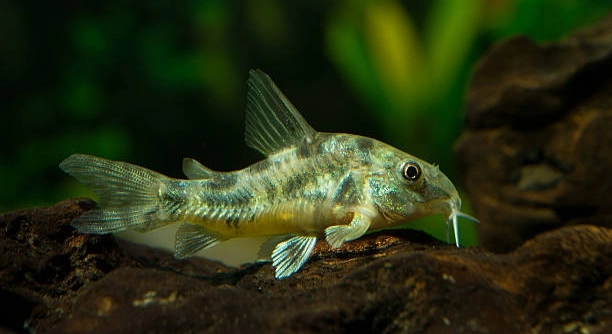
Is your Corydoras catfish adjusting well to a new tankmate?
Introducing a new companion to your aquarium can affect your Corydoras catfish in various ways. Understanding their behavior can help ensure the transition is smooth and your fish remain comfortable in their new environment.
The best way to determine if your Corydoras catfish is adjusting to a new tankmate is by observing their behavior. Look for signs such as changes in activity levels, aggression, or stress responses to assess their adjustment.
Recognizing these signs early will allow you to make adjustments as needed, ensuring a peaceful and healthy tank environment for both your Corydoras and its new companion.
Understanding Corydoras Catfish Behavior
Corydoras catfish are peaceful and social fish that often do well in a community tank. However, when introducing a new tankmate, their behavior can change. Stress, curiosity, or even slight aggression can be signs of an adjustment period. These little fish may spend more time hiding, swim erratically, or appear less active while they get used to their new environment. It’s essential to observe their reactions carefully to determine how well they’re settling in. While some fish may take a while to adjust, others might get used to the changes quickly, and their behavior will return to normal. Noticing their reactions early can help you prevent any long-term stress.
Although Corydoras are known for being peaceful, any behavioral changes should be taken seriously. Changes in their usual swimming patterns, like hiding or moving slowly, may indicate they are stressed by their new tankmate. These signs are important in determining how well they are adjusting.
If you notice a Corydoras catfish acting differently, it’s best to keep a close eye on the new tankmate’s interactions. When tankmates are introduced, Corydoras may feel the need to assert themselves, especially if the new fish is larger or more dominant. The stress caused by such behavior can make them shy or anxious. Sometimes, the introduction of a new fish can disrupt the balance of the tank. If they’re being constantly chased or excluded from hiding spots, the Corydoras may not feel safe. Creating enough hiding places and giving them space to roam will make them feel more secure. Keeping track of any signs of aggression, such as fin nipping, can also help prevent issues from worsening.
Signs of Stress in Corydoras
The first signs of stress in Corydoras catfish may be subtle but important. Reduced activity and hiding are often the first things you’ll notice.
When they’re stressed, Corydoras catfish may also display erratic swimming behavior, darting around or hovering in one spot. This is a sign that they may feel threatened by the new tankmate, which could cause them to react differently. If they seem withdrawn or uninterested in food, this can be another indication of stress. It’s important to remember that stress can weaken their immune system, making them more vulnerable to illness. Therefore, keeping their environment calm and stable is key. If they’re not getting along with the new fish, it could take longer for them to adjust. Giving the tankmates some time to find their space may resolve most issues, but immediate action is needed if stress continues.
Changes in Eating Habits
Corydoras catfish are known for being eager eaters, but stress can affect their feeding patterns. If they suddenly stop eating or take longer to approach their food, it’s a sign they may be adjusting to a new tankmate. This behavior can last for a few days or longer, depending on how comfortable they feel.
Stress can lead to a lack of appetite in Corydoras. When a new fish is introduced, the shift in the tank’s dynamic may make the Corydoras wary, and they may not feel safe enough to eat. This can also be a sign that they are still in the process of acclimating. If the new tankmate is more aggressive, it could be preventing the Corydoras from accessing food. Observing their eating habits can give you a clue about how they’re adjusting and whether they’re still feeling comfortable. It’s essential to check if the food is being eaten by other tankmates, ensuring that no one is being left out.
Occasionally, Corydoras will adjust to new tankmates without any major disruption in their eating behavior. If they do resume feeding after a brief period of adjustment, it’s generally a good sign that the new fish isn’t causing too much stress. However, if the lack of interest in food continues, consider removing any potential stress factors from the tank, like adding more hiding spots or rearranging tank decor. The more secure the Corydoras feel, the more likely they will return to their normal eating habits.
Physical Appearance Changes
While Corydoras may not show major physical changes during a stressful situation, subtle signs can appear. These might include faded colors, which can be a sign of anxiety or fear.
Fading of the natural color or darker markings on a Corydoras catfish could indicate stress from a new tankmate. When they are under pressure, their vibrant markings may dim as a result of stress, and this can be an indicator that they feel threatened. In some cases, Corydoras may also show signs of torn fins or slight abrasions if there is aggression or conflict in the tank. If you notice any physical changes, it’s important to monitor the tank’s environment and check for aggressive behavior from the new fish.
If physical signs of stress persist or worsen, it could indicate that the adjustment process is not going smoothly. Corydoras catfish are sensitive to changes in their environment, and excessive stress can impact their overall health. In severe cases, stress-induced conditions like fin rot or infections may develop. Addressing any issues quickly, such as reducing aggression or improving tank conditions, can help restore their physical health and prevent further complications.
Hiding More Than Usual
If your Corydoras catfish starts hiding more than usual, it could be a sign they are feeling stressed due to a new tankmate. Corydoras typically enjoy exploring and socializing, so this sudden change is worth paying attention to. They may seek shelter more often to feel secure.
When introducing a new fish, Corydoras may feel the need to retreat to safer spots in the tank. This behavior is normal during an adjustment period, but excessive hiding may indicate deeper stress. The new fish could be intruding on their space, or they might be feeling threatened by its presence. Offering more hiding places can help reduce their anxiety and encourage them to return to their usual behaviors.
Increased Aggression or Nipping
If your Corydoras shows signs of aggression, such as chasing or nipping at the new tankmate, it could be a sign they are asserting dominance. Though Corydoras are typically peaceful, stress can sometimes trigger more territorial behavior.
Introducing new fish can cause Corydoras to act defensively. They may become more territorial, especially if they feel their space or food source is being threatened. In some cases, the Corydoras may try to defend their area, displaying aggressive behavior toward the newcomer. While this behavior may seem unusual for the typically peaceful catfish, it’s a response to stress. It’s important to keep an eye on the situation and intervene if the aggression becomes excessive. Providing plenty of hiding spots and ensuring the tank is large enough to allow both fish to find their own space can help reduce conflicts.
Final Thoughts
Understanding how your Corydoras catfish reacts to a new tankmate is essential for maintaining a healthy aquarium. These fish are generally peaceful and social, but they can experience stress when changes occur in their environment. It’s important to pay attention to their behavior, eating habits, and overall well-being to gauge how well they’re adjusting. While it’s normal for them to need some time to adapt, persistent stress can lead to health issues, which is why early detection of any signs is crucial. Ensuring that the tank is well-structured with plenty of hiding spots and enough space for all the fish will help reduce stress and allow your Corydoras to thrive.
While Corydoras are quite hardy, their sensitivity to environmental changes can’t be ignored. The introduction of a new fish can disrupt the balance in the tank, especially if the new fish is more aggressive or dominant. Monitoring your Corydoras closely during this transition period is important. Watch for signs such as hiding, changes in eating patterns, or physical changes like fading color or torn fins. By observing these signs, you can intervene if necessary to prevent long-term stress or health problems. If you feel that the new tankmate is causing too much trouble, it might be best to separate them or make adjustments to the tank setup to help ease the situation.
Ultimately, creating a peaceful environment for all your fish is the key to success. It’s essential to understand that the adjustment period varies for each fish, and some may need more time than others. By providing a stable, calm environment, you can help your Corydoras catfish feel more at ease. Keep in mind that it’s normal for them to be a bit cautious at first, but with patience and careful observation, you’ll know when they are fully settled. Remember, the goal is to foster a peaceful, happy tank where all the fish can coexist without unnecessary stress.

Hello,
If you enjoy the content that we create, please consider saying a "Thank You!" by leaving a tip.
Every little bit helps us continue crafting quality advice that supports the health, happiness, and well-being of pets around the world, for pets of all shapes, sizes, and species.
We really appreciate the kindness and support that you show us!