
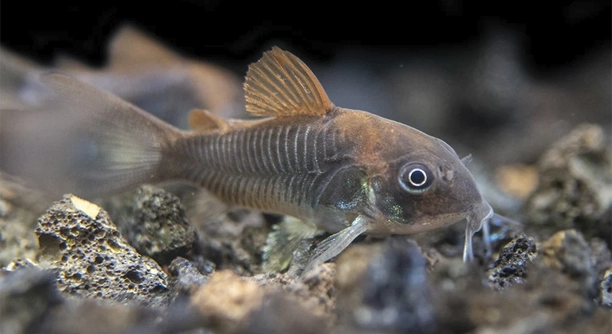
Corydoras catfish are popular aquarium pets due to their friendly nature and peaceful demeanor. However, it’s important to understand how they communicate their feelings of safety in their environment.
Corydoras catfish indicate when they feel safe through calm behavior, active exploration, and social interactions with tank mates. They thrive in environments where they can retreat to hiding spots and move freely, showcasing confidence and well-being.
Identifying these signs can help you create a more comfortable environment for your fish. Understanding their needs leads to healthier, happier fish in your care.
Physical Appearance and Behavior
When Corydoras catfish feel safe, their physical appearance and behavior will reflect their comfort level. These catfish typically have a calm, relaxed posture when they’re not stressed. They will often swim near the bottom of the tank, moving slowly or occasionally darting short distances. If they are feeling secure, you’ll notice them exploring their surroundings more freely. A stressed catfish may hide more or act erratically.
It’s important to pay attention to their movements. A safe and happy Corydoras is often seen swimming in groups, engaging with the environment. This can include sifting through the substrate for food or simply gliding peacefully in the water.
When Corydoras feel threatened, they may retreat to a hiding spot or become sluggish. If your catfish’s movements are slower than usual or they hide excessively, it might be a sign they are not feeling safe. A healthy, secure Corydoras will actively interact with its surroundings without appearing fearful.
Social Interaction
Corydoras catfish are social creatures, and their behavior around other fish is a good indicator of how they feel. In a safe environment, they will often swim in schools or stay close to their tank mates. They are known for their peaceful nature and typically do not engage in aggressive behavior unless stressed.
When they feel threatened or unsafe, Corydoras will hide or seek shelter more often. It’s important to ensure that their tank mates are compatible and that the tank itself provides enough space and hiding spots. Without these elements, Corydoras may feel vulnerable, affecting their social interactions.
Creating an environment where your Corydoras feel secure will encourage them to engage with other fish. A peaceful, stress-free atmosphere promotes social behavior and allows your catfish to thrive. Adding plants, decorations, or rocks for hiding can help them feel more at ease, which in turn encourages healthy social activity.
Tank Setup and Water Quality
Corydoras catfish thrive in clean, well-maintained tanks with stable water parameters. If the water quality is poor, your catfish may feel unsafe and stressed. Regular water changes and proper filtration are key to maintaining a safe environment.
The tank setup should include plenty of hiding spots, such as plants, caves, or driftwood. Corydoras prefer soft substrates like sand that won’t damage their sensitive barbels. Ensure the water temperature is within their preferred range of 72-78°F (22-26°C). A well-kept tank with good water quality and a comfortable setup encourages your Corydoras to explore and feel secure.
Check the pH level as well, aiming for a neutral to slightly acidic range (6.5-7.5). Ammonia and nitrite levels should be at zero, with nitrate levels kept under 20 ppm. The more stable and clean the environment, the happier your Corydoras will be. When the water conditions are ideal, they will be more active and less likely to retreat to hiding spots.
Feeding Habits
Corydoras are bottom-dwelling scavengers, so they feel safe when food is readily available. If your catfish seem eager and come to the surface or to the bottom during feeding, it’s a good sign they are comfortable in their environment.
They enjoy a variety of foods, including sinking pellets, frozen or live foods, and plant matter. Ensure the food is small enough to be easily eaten and that your Corydoras can access it. When they have enough food and can feed comfortably, they will feel less stressed and more secure in their space. A lack of food or competition for it can cause anxiety.
Corydoras are bottom feeders by nature, and if they are not receiving enough food, they will often resort to hiding or spending more time at the bottom of the tank. Make sure to provide food regularly, especially at times when other fish may not reach it. This helps them feel more confident in their space.
Lighting and Tank Environment
Corydoras feel safest in a low to moderate light environment. Bright lighting can cause stress, making them hide or act more cautiously. Using dim lighting or providing shaded areas can help them feel secure in the tank.
To help your Corydoras feel at ease, avoid using harsh lights. Instead, try using a gentle aquarium light or setting up natural light from the room. Substrate and decorations can also cast shadows, creating a more comfortable and natural environment. A peaceful lighting setup will encourage your Corydoras to explore without feeling threatened.
Tank Mates
Choosing the right tank mates is crucial to how safe your Corydoras feel. They prefer peaceful companions that won’t stress them out with aggressive behavior.
Aggressive fish or species that disturb their territory can make Corydoras feel unsafe. Make sure to choose tank mates that are calm and share similar water requirements. This will help your Corydoras thrive and feel secure in their environment.
Water Movement
Corydoras prefer slow or moderate water movement. Fast currents can stress them, causing them to hide or become lethargic.
Ensure your filter or water pump is not creating too strong of a current. Opt for gentle filtration or use a sponge filter to avoid disturbing your Corydoras. This will help them stay active and comfortable in their tank.
FAQ
How do I know if my Corydoras is stressed?
Corydoras catfish show signs of stress through erratic swimming, hiding more often than usual, and avoiding food. They might also have a more sluggish movement or stay in one spot for too long. A stressed Corydoras may stop interacting with its tank mates and refuse to explore. Watching for these behaviors can help you identify stress early. Factors such as poor water quality, inappropriate tank mates, or environmental changes can cause stress. If you notice these signs, consider reviewing the tank setup and adjusting the conditions.
Can Corydoras live with other fish?
Yes, Corydoras are peaceful and can live with many other species. They do best in tanks with other peaceful fish, especially those that don’t occupy the bottom of the tank. Avoid aggressive fish, as they can stress Corydoras. Also, be mindful of larger species that might compete for food. Corydoras get along well with small tetras, guppies, and other community fish. Make sure all the fish in the tank have enough space and food. A peaceful community tank will encourage Corydoras to thrive and feel safe.
How often should I feed my Corydoras?
Feed your Corydoras once or twice a day. They are bottom dwellers and prefer sinking foods such as pellets or wafers. It’s important to provide food that reaches the bottom, where Corydoras are most comfortable feeding. Overfeeding can lead to water quality issues, so stick to small amounts. Remove any uneaten food after about 10-15 minutes to prevent it from decaying. Offering variety, like live or frozen foods, can improve their health and happiness. Remember, regular feeding at consistent times helps your Corydoras feel secure and ensures they are getting enough to eat.
What water temperature do Corydoras prefer?
Corydoras thrive in water temperatures between 72°F and 78°F (22°C to 26°C). Keeping the water in this range is important for their overall health and well-being. Temperature fluctuations can cause stress, so it’s best to use a reliable aquarium heater to maintain stability. If your tank’s temperature falls outside this range, it could impact your Corydoras’ immune system, making them more prone to illness. Be sure to monitor the temperature regularly, especially if you live in an area with large temperature swings. Stable, warm water encourages activity and a sense of security for your fish.
Do Corydoras need a filter?
Yes, Corydoras need a filter to maintain water quality. While they prefer calm water, a filter helps remove toxins and debris, ensuring a healthy environment. Be mindful of the filter’s strength, as strong currents can cause stress. Sponge filters are a good choice for Corydoras, as they provide gentle filtration without creating turbulence. Make sure the filter is appropriate for the size of your tank. Regularly clean the filter to prevent buildup, and perform regular water changes to keep the environment clean. A well-filtered tank promotes a safe, comfortable habitat for Corydoras.
What kind of substrate is best for Corydoras?
Corydoras catfish have sensitive barbels that can get injured by rough substrates like gravel. Sand is the best substrate for Corydoras, as it’s soft and gentle on their barbels. Fine, smooth sand also allows them to sift through it naturally while looking for food. If you’re using gravel, make sure the edges are rounded, and avoid sharp, jagged pieces. A fine substrate not only protects your fish but also helps maintain water quality, as it prevents debris from getting trapped in sharp gravel. Ensure the substrate is deep enough for Corydoras to burrow and explore.
Can Corydoras live in cold water?
Corydoras are tropical fish and prefer warmer water. They do not do well in cold water, and temperatures below 68°F (20°C) can cause them stress and lead to health problems. Cold water can slow their metabolism, making them more susceptible to diseases. If you want to keep Corydoras in a tank with cold-water fish, you should ensure the temperature remains within the range they can tolerate. However, for their best health, it’s recommended to keep them in water that is consistently warm, ideally between 72°F and 78°F (22°C to 26°C).
Do Corydoras need a lot of oxygen in their tank?
Corydoras can tolerate lower oxygen levels than some other species, but they still require adequate aeration. A well-oxygenated tank is important for their overall health, especially in tanks with high stocking densities. Using a sponge filter, air stones, or surface agitation helps ensure there’s enough oxygen in the water. Corydoras are bottom dwellers and may not swim near the surface as often, so it’s essential to ensure oxygen is available throughout the tank. Regular water changes and proper filtration also help maintain oxygen levels and promote a safe environment for your fish.
What is the best pH level for Corydoras?
Corydoras prefer a slightly acidic to neutral pH level, typically between 6.5 and 7.5. Stable pH levels are crucial for their health. Sudden changes in pH can cause stress and make Corydoras more vulnerable to diseases. Before setting up your tank, test the water to ensure the pH is within this range. If your water is too acidic or alkaline, consider adjusting it with appropriate water conditioners or buffers. Consistently monitor the pH to maintain a stable, safe environment. A balanced pH helps your Corydoras feel secure and thrive in their tank.
Are Corydoras easy to care for?
Yes, Corydoras are relatively easy to care for, making them great for beginner fishkeepers. They are hardy and can adapt to a range of water conditions, as long as the tank is properly maintained. Corydoras do best in well-planted tanks with a soft substrate and peaceful tank mates. Regular water changes, a good filtration system, and feeding them appropriate food are key to keeping them healthy. While they don’t require complex care, paying attention to their needs will ensure they thrive in your aquarium.
Final Thoughts
Corydoras catfish are wonderful additions to any aquarium. They are peaceful, hardy, and generally easy to care for, making them a great choice for both beginners and experienced fishkeepers. While they do well in a variety of environments, ensuring that their tank meets their needs is essential for their health and happiness. Proper water quality, stable temperature, and the right tank setup are all important factors in creating a safe space for them to thrive.
The signs that Corydoras feel safe are often quite simple to notice. When they are comfortable, they will swim more actively, explore their environment, and interact with their tank mates. On the other hand, if they are stressed, they may hide more often, avoid food, or display sluggish behavior. By paying attention to these cues, you can make adjustments to improve their environment and reduce stress. Maintaining a peaceful and well-maintained tank will ensure your Corydoras remain healthy and content.
By focusing on water quality, appropriate tank mates, and a comfortable setup, you can create a safe haven for your Corydoras. These small changes can make a big difference in their overall well-being. A secure and stress-free environment will allow your Corydoras to express their natural behaviors, helping them live a long, happy life in your aquarium. Remember, every fish is unique, so observe their behavior closely and be ready to adjust the tank conditions when necessary.

Hello,
If you enjoy the content that we create, please consider saying a "Thank You!" by leaving a tip.
Every little bit helps us continue crafting quality advice that supports the health, happiness, and well-being of pets around the world, for pets of all shapes, sizes, and species.
We really appreciate the kindness and support that you show us!